Published: March 17, 2026
The English Chronicle Desk
The English Chronicle Online
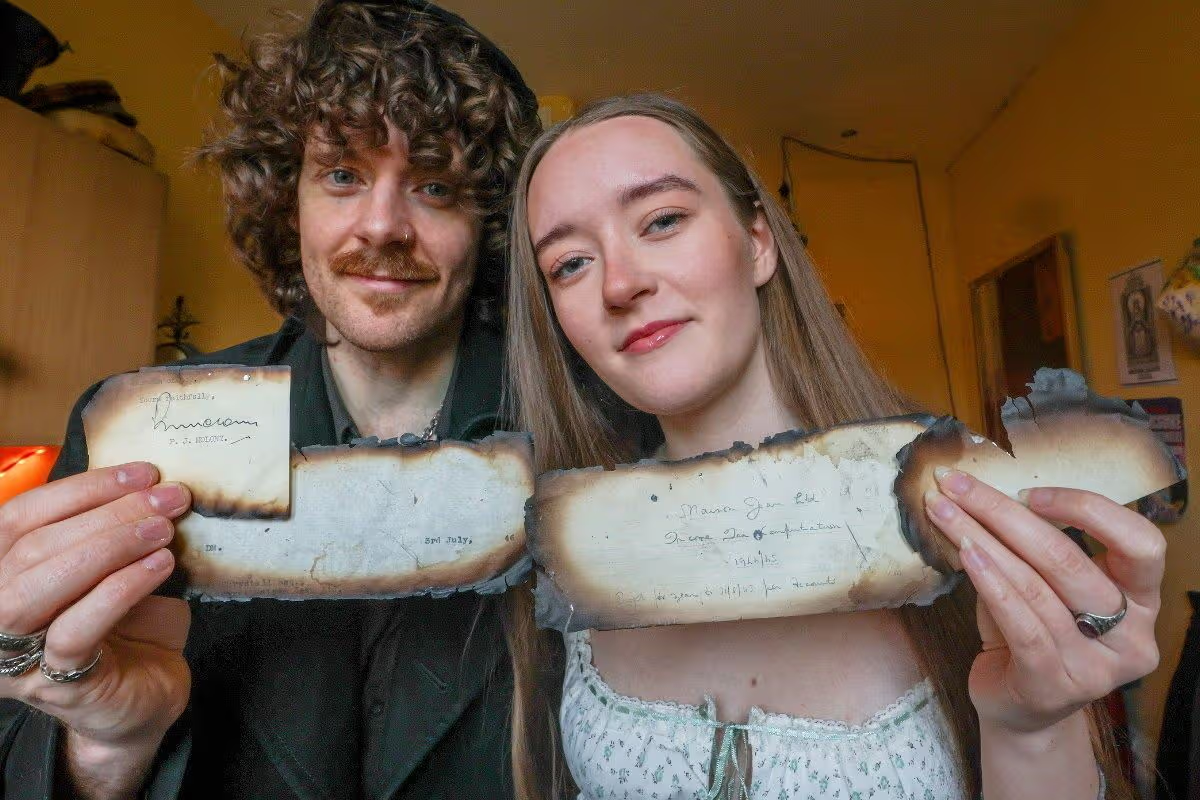
Fragments of charred paper believed to date back to the 1940s have been discovered nearly a quarter of a mile away from the site of the recent Union Street fire in Glasgow, adding a new dimension to ongoing assessments of the incident’s impact and spread.

The burnt material was reportedly located during a post-fire inspection and debris clearance process in surrounding streets. The discovery has drawn attention from investigators and heritage observers, given the historical significance of both the affected building and the apparent age of the recovered documents.
The Union Street fire, which caused extensive structural damage to a multi-storey building in the city centre, prompted large-scale emergency response measures and subsequent safety cordons. In the days following the blaze, officials and contractors have been working to secure the area, remove unstable debris, and evaluate the condition of nearby properties.
The appearance of paper fragments at a distance from the primary fire zone has raised questions about the intensity of the blaze and the way airborne debris may have travelled through the city’s dense urban landscape. Fire investigators routinely examine such findings to determine how materials were dispersed, as wind patterns, building collapse, and thermal updrafts can contribute to the movement of lightweight objects during major incidents.
Although the precise origin of the recovered documents has not been formally confirmed, the estimated era of the paper suggests it may have originated from within the long-standing structure that was destroyed in the fire. Buildings of this age often contain archived records, business documents, and historical materials accumulated over decades of occupancy.
Heritage campaigners have expressed interest in the discovery, noting that older city-centre buildings can hold significant historical archives. The potential loss of such materials underscores the broader cultural consequences of large-scale urban fires, beyond immediate structural and commercial damage.
Authorities have not indicated that the charred paper alters the overall investigation into the cause of the blaze. However, findings like this contribute to a comprehensive understanding of the fire’s dynamics, including how quickly it spread and the extent to which it affected surrounding infrastructure.
The incident has already had substantial implications for transport, businesses, and local services in the vicinity. Recovery efforts remain ongoing, with demolition planning and structural assessments continuing in parallel with investigative work. The discovery of displaced historical material further highlights the scale of disruption experienced in the area.
Urban fire events often leave traces well beyond the visible perimeter of destruction. In densely built environments, heat, smoke, and debris can travel significant distances, particularly under strong wind conditions. As a result, investigators frequently extend their search radius to ensure a full account of the incident’s effects.
The presence of 1940s-era paper also reflects the layered history of Glasgow’s city centre, where modern developments stand alongside buildings with deep historical roots. The Union Street area, in particular, has undergone multiple phases of commercial and architectural change over the decades.
While the immediate focus remains on safety clearance and structural stabilisation, the recovered fragments may provide additional context for understanding both the building’s past and the fire’s reach. Experts involved in heritage conservation often collaborate with fire investigators in cases where historically significant materials are at risk.

As cleanup operations continue, officials are expected to further assess the area for remaining debris and potential hazards. The discovery serves as a reminder of the extensive physical footprint that major urban fires can leave behind, extending well beyond the original building site.
The investigation remains active, and updates will depend on ongoing forensic analysis and structural evaluations. In the meantime, the charred documents stand as a tangible link between Glasgow’s present challenges and its mid-20th-century history, now physically scattered across the city centre.
Related News:
 Targeted Attack in Bury Sparks Murder Investigation as Community Awaits Justice
 Man Remanded After Children Fall Ill at Leicestershire Summer Camp in Shocking Child Cruelty Case
 Mass Arrests in London as Protest Defies Ban on Palestine Action
 Alarming rise in abusive teen relationships in the UK sparks urgent warnings
 Merseyside Police Helicopter Crew Cleared After Low-Altitude Pursuit of Suspect
 Akinwale Arobieke Found Dead at Liverpool Home
 Urgent Action Needed on Windrush Compensation as Survivors Speak of “Waiting to Die”
 UK Launches Major Crackdown on Networks Profiting from Online Child Sexual Abuse
 Prime Suspect in Madeleine McCann Case Declines Metropolitan Police Interview Ahead of German Prison Release
 Systemic Racism in Maternity Care Continues to Endanger Black Women in England, MPs Warn
 UK Doctors Guilty of Sexual Misconduct Continue Practising Amid Weak Sanctions, Research Finds
 Northern Ireland Faces Fears of Prolonged Race Riot “Permacrisis”
 Zarah Sultana Seeks Legal Action After Bitter Clash with Jeremy Corbyn Over Party Membership Funds
 No Evidence Found to Substantiate Alleged Rape in Oxfordshire Churchyard, Police Confirm
 Massive London Poundland Fire Engulfs High Street
 Cooper Unveils £4m Cyber Plan Against Russian Hackers
 Paedophile Singer Ian Watkins Dies After Prison Attack
 Ian Watkins Killed in Prison; Ex-Girlfriend Speaks Out
 DNA Test Confirms Alleged Stalker Is Not Madeleine McCann
 Peterborough Mosques Tighten Security After Attack
 Mass Stabbing on Doncaster to London Train Leaves Ten Injured
 FBI Director Kash Patel Defends Girlfriend Amid Government Jet Claims
 French Taxi Driver Cleared in David Lammy Theft Case After Fare Dispute
 UK Bans Fake Numbers: Scammers Lose Their Trick
 Just Stop Oil Protesters Convicted Amid Climate Defence Row
 How to get help when a child goes missing – call 999 urgently
 Criminal Gangs Pose as Truckers to Hijack UK Supply Chains
 Mum Calls for New Licence Rules After Teen Road Death
 Mother Watches in Horror as Teen Daughter Dies on Tracks
 Serial Rapist and Former Cop Found Guilty Again
 Inside the Helpline Protecting Missing Children in the UK
 Most Tories Expect to Support a Farage-Led Government
 Online Child Sexual Abuse Soars 26% as Police Demand Tech Action
 Strangulation Charges Surge in England and Wales Amid Domestic Abuse Concerns
 Tory Councillor Faces Court Over Shocking Sexual Assault Allegations
 Family Tribute After Fatal Pub Assault in Leicestershire
 New Documentary Examines Teen’s Zombie Knife Murder
 Woman Jailed for Life After Killing E-Bike Rider in Tragic Mistaken Identity Case
 Betfair Faces Pressure Over Funds Lost to Gambling Fraud
 Police response times face strict new national limits
 Appeal to B&B Owners Over Cash Point Ram-Raid
 Teen Girl Chased in Broad Daylight in Ipswich
 ‘Daejaun Was Drawn Deeper Into Danger,’ Says Heartbroken Mother
 Cash Machines Ripped from Co-op in Cherry Picker Ram-Raid
 Children to Receive Early Support After Knife Incidents
 The Victorian aristocrat who became Britain’s first Muslim lord
 Disability and LGBT Hate Crimes Set to Become Aggravated Offences
 Last‑ditch Call to Save Police Front Counters in London
 Fly-Tippers to Be Hunted by ‘Drone Squad’ in Crackdown from the Sky
 Dad Found in Bed with Daughter 16 Years After Abandoning Her as a Child
 ‘Don’t Make Us Security Guards,’ Says Teacher Stabbed by Pupil
 Mother of Nottingham Attacks Victim Calls for ‘Whole Truth’ as Inquiry Begins
 Bodies of Man and Boy Found in Burnt‑Out Car After Horror Crash in the Highlands
 Court Error Frees Rape Suspect Who Flees UK
 Rape Accused Had Fight With Man in Alley, Court Told
 Ian Huntley Seriously Injured in Prison Attack
 Grave of Murdered Toddler James Bulger Vandalised
 Mother Says ‘I Hugged My Daughter’s Killer’ as They Cried Together in Prison
 Suspects in Lisa Dorrian Case Released on Bail
 Murder Charge After Security Guard Stabbed in Violent Attack
 Driver Jailed Over Fatal Water Treatment Tank Crash
 Insulin Evidence in Letby Trial Under Scrutiny After Expert’s GMC Probe Emerges
 Stranger ‘On Drugs’ Stabbed Saudi Student to Death in Cambridge
 Calls Grow to Remove Billboard Following Lyra McKee Graffiti
 Man on Trial for Rape That Led to Andrew Malkinson’s Wrongful Jailing
 Labour MP’s Partner Arrested on Suspicion of Spying for China
 Police Scotland Pays £8m Compensation to Staff
 Armed police incident closes major road
 Pedestrian critically hurt after being hit by car
 Katie Price’s Husband Hit by ‘Tinder Swindler’ Claims
 Scots Man Convicted in Dirty Money Case After DNA Found on Cash
 CCTV Shows Limping Man Missing Nine Days as Police Appeal
 Man Dies in Glasgow Flat Fire as Police Probe ‘Unexplained’ Death
 Teen Wins Payout After TRNSMT Crush Horror
 Biker Suffers Fractured Spine After Hitting Pothole in Edinburgh
 Scots Head Teacher Pays Tribute to Teen Who Died in Car Fire
 Rare Glimpse of Historic Bridge Thanks to Low Tide
 Liverpool Shooting Horror as Girl, 17, Shot in Legs in ‘Targeted Attack’
 Second Man Arrested Over ‘Gunshot’ Death of Young Dad in Motherwell Home
 Rapist Caught After Victim Calls Police Mid-Attack