Published: March 17, 2026
The English Chronicle Desk
The English Chronicle Online
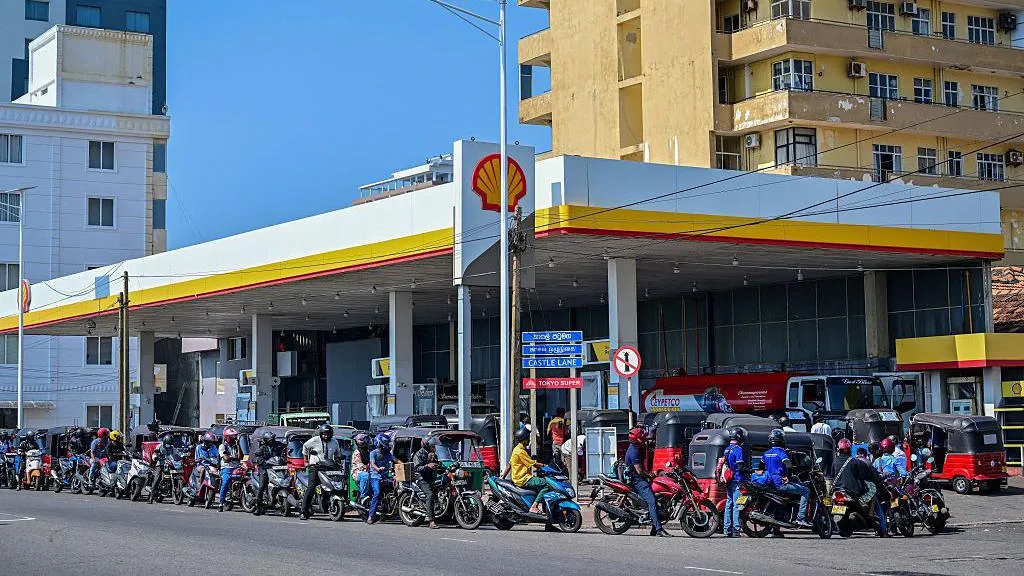
The government of Sri Lanka has announced that Wednesdays will be designated as a non-working day for parts of the public sector as authorities intensify measures to conserve fuel amid ongoing energy supply constraints.
The decision forms part of a broader national strategy aimed at reducing fuel consumption, easing pressure on foreign exchange reserves, and stabilising energy distribution systems. Officials stated that limiting midweek operations in selected government departments and public institutions is intended to lower transportation demand and decrease overall fuel usage across the country.

Energy shortages have remained a recurring challenge for Sri Lanka in recent years, influenced by global fuel price volatility, import limitations, and economic pressures affecting the availability of foreign currency for energy purchases. Policymakers have increasingly turned to administrative measures, including adjusted working schedules, to manage demand while maintaining essential services.
Under the new arrangement, core public services are expected to continue operating, particularly those related to healthcare, emergency response, utilities, and critical infrastructure. Authorities emphasised that the measure is designed to balance economic stability with the uninterrupted delivery of essential functions.
The midweek closure strategy is also intended to reduce traffic congestion and lower fuel consumption associated with daily commuting. By consolidating working days, officials believe overall transportation demand can be moderated, contributing to national conservation efforts.
Private sector participation in similar conservation initiatives has been encouraged, although implementation varies depending on industry requirements. Businesses that depend heavily on continuous operations, such as manufacturing and export-oriented industries, may operate under separate guidelines to ensure economic activity is not significantly disrupted.
Government representatives have described the measure as temporary, subject to review based on fuel availability, import capacity, and broader economic indicators. Regular assessments will determine whether adjustments are necessary to address changing supply conditions.
The announcement reflects a regional trend in which several Asian nations have adopted energy-saving policies in response to fluctuating global markets and supply chain constraints. Such measures have included altered workweeks, staggered schedules, and incentives to reduce non-essential fuel consumption.
Economic analysts note that structured shutdown days can contribute to measurable reductions in public sector energy use, particularly when combined with transportation management and efficiency improvements. However, long-term stability is typically dependent on broader reforms, diversified energy sourcing, and strengthened fiscal conditions.
Public reaction within Sri Lanka has been mixed, with some citizens welcoming steps aimed at conserving resources, while others express concern about potential impacts on productivity and daily routines. Authorities have urged cooperation, stating that collective participation is necessary to manage current constraints effectively.

As implementation begins, agencies are expected to issue operational guidance outlining which departments will observe the Wednesday closure and how service continuity will be maintained. Monitoring mechanisms will track fuel savings and assess the policy’s effectiveness over time.
The decision marks another phase in Sri Lanka’s ongoing efforts to stabilise its energy sector and manage limited resources responsibly. Officials maintain that the initiative is part of a wider plan to ensure economic resilience while navigating external pressures on fuel supply and national finances.
Related News:
 Gulf Oil Shock Sends Global Economic Ripples
 Japan Braces as Takaichi Begins New Term with Huge Mandate for Low‑Tax, Ultra‑Conservative Agenda
 Iran War Raises Questions Over China’s Global Plan
 Energy Firms Keep Fuel Price Hike ‘Under Scrutiny’
 Cost of Living Crisis Returns to Centre Stage
 Iran Rejects Ceasefire, Warns Trump With Chilling Message
 Labour Plans Nuclear Investment Summit Days After Holyrood Election
 UK Fuel Tax Hike Plan to Be Kept Under Review Over Iran Conflict
 The Situation Is Dire: War on Iran Squeezes India’s Cooking‑Gas Supplies
 Modi’s London Visit Seals Historic UK-India Trade Pact Amid Global Tensions
 Britain’s Brain Drain: Why Young Workers Are Choosing Berlin Over London
 David Lammy Faces Possible Legal Challenge Over Foreign Office Secondment Scheme
 Grant Shapps Cleared to Join Defence Startup Despite Ethical Concerns
 Chancellor Rachel Reeves Pushes for Sweeping Changes to Environmental Protections to Accelerate Development
 Calls Grow to Suspend Boris Johnson’s £115,000 Allowance After Revelations From “Boris Files”
 Starmer Urged to Champion Workers’ Rights Amid Low Public Awareness
 Rachel Reeves Hosts Top UK and US Financial Executives as Trump’s State Visit Begins
 King Charles Earns Over £1 Million from Duchy Land Linked to Scrapped HS2 Project
 Senior Tories Condemn Badenoch’s Vow to Repeal Climate Change Act as Catastrophic
 Kemi Badenoch Unveils ‘Golden Rule’ to Halve Spending Cuts for Deficit Reduction at Tory Conference
 Lucy Powell urged ministers to reconsider costly legal case for Labour donor’s firm
 Miliband Promises New Nuclear Stations if SNP Ousted
 Rachel Reeves to lead UK trade push in Saudi Arabia amid rights debate
 Trump’s UK Ambassador Urges North Sea Drilling to Strengthen US Ties
 Rachel Reeves Set to Break Labour Pledge and Raise Income Tax
 MPs Press Rachel Reeves to Hike Gambling Taxes
 Millionaires group urge Reeves to introduce wealth tax to ‘lift kids out of poverty’
 Canada Passes Carney’s First Budget in Tight Parliamentary Vote
 PM Highlights UK Business at G20 in South Africa
 English Mayors Set to Introduce Tourist Taxes
 India’s Labour Law Overhaul Sparks Fierce Debate
 Starmer Says Labour’s Economic Plan Needs Years to Deliver
 Starmer links foreign trips to tackling cost of living crisis
 China Dependence Threatens UK Energy Supply Chains and Jobs
 MPs warn AI financial risks threaten UK stability
 MPs warn AI financial risks threaten UK stability
 Trump Fed bid heads to Supreme Court
 Labour Must Revive High Streets to Avoid Election Collapse
 UK food industry urges transition if post-Brexit rules reset
 AstraZeneca China Investment Signals Strategic Shift Abroad
 Barclays drops Global Counsel after Mandelson link scrutiny
 After the Landslide: Can India Reset Ties with BNP Bangladesh?
 Could Manchester Lead the UK’s Economic Revival?
 Bangladesh’s New Prime Minister to Be Sworn In After Historic Election Win
 Robert Jenrick to Be Unveiled as Reform UK’s Treasury Spokesman, Reports Say
 Reform Plans to Keep UK’s Budget Watchdog in Office
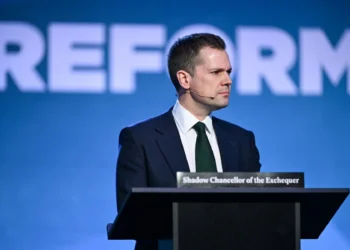 Jenrick: I’ll Back OBR but There’ll Be No More Cosy Consensus
 Another U-turn Ahead as Labour Reconsiders Youth Minimum Wage
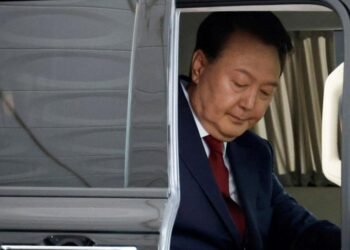 South Korea’s Ex-President Faces Death Penalty in Insurrection Trial
 Sanders Condemns Billionaire ‘Greed’ in California Tax Debate
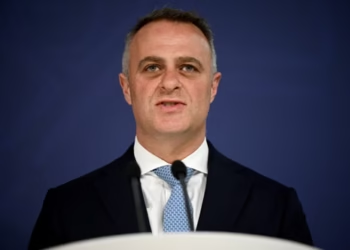 Tim Wilson Backs RBA Dual Mandate Amid Inflation Debate
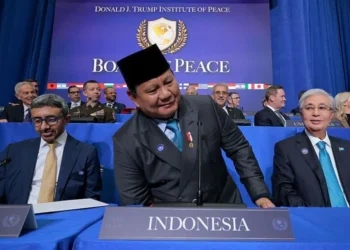 US and Indonesia Finalise Deal to Cut Tariffs to 19%
 UK Sees Record £30.4bn Budget Surplus, Boosting Reeves’ Position
 What Now for Asia After Trump’s Tariffs Were Struck Down?
 Ministers Urged to Ban Crypto Political Donations
 Japan to Deploy Missiles on Island Near Taiwan by 2031
 Reeves Must Back Defence Plan or Face Dismissal, Says Unite Chief
 Why Asian Firms Are Not Cheering Trump Tariff Ruling
 Why Asian Firms Are Not Cheering Trump Tariff Ruling
 Could Kim’s Teen Daughter Become North Korea’s Next Leader?
 OBR Reform Row Deepens Before Spring Forecast
 Labour’s Employment Shake‑Up ‘Makes Britain Worse Than France’
 China Sets Lowest Economic Growth Target Since 1991
 Nepal Holds First General Election Since Gen Z Protests Toppled Government
 Venezuela and US to Work Together on Mining Developments, Rodríguez Says
 Nepal Election 2026: When Will We Get the Results?
 Nissan Sunderland Plant Faces Uncertain Future Under EU Rules
 Fuel and Remittances: How Iran Conflict Hits India At Home
 Sri Lanka Takes Control of Second Iranian Vessel a Day After US Sub Attack
 Minister Visits Leonardo After £1bn Deal Secured
 Reeves Faces Triple Threat as Markets Reel From Global Turmoil
 China Moves to Enshrine ‘Ethnic Unity’ Law
 Nepal Election 2026: Balendra Shah’s Party Nears Historic Supermajority
 US Says 16 Iranian Mine Ships Destroyed in Hormuz
 US Launches Probe into Trading Partners Including EU, China, and India
 Point-Blank Gunshot Misses Indian Politician
 Oil Price Jumps Despite Deal to Release Record Amount of Reserves
 ‘Heating Oil Suppliers Are Holding Us to Ransom’ as Prices and Cancellations Surge
 Anti-Regime Iranians Turn Anger Toward Trump
 UK Avoids Wider Middle East Conflict, Vows Support