Published: March 17, 2026
The English Chronicle Desk
The English Chronicle Online
Western allies are signalling limited appetite for deeper military involvement in the escalating Iran crisis, underscoring the growing diplomatic strain surrounding U.S. strategy and highlighting the absence of a rapid resolution.
Recent reporting indicates that European governments have resisted calls for naval deployments to support efforts related to the Strait of Hormuz, a strategically vital shipping route that has been disrupted amid the conflict. Germany has explicitly ruled out military engagement, with officials stating that the war “has nothing to do with NATO” and questioning the need for European forces in operations that are already supported by the U.S. military. Similarly, other European leaders have emphasised diplomacy over military escalation in response to requests for assistance.

The reluctance reflects broader concerns within the alliance framework. Former NATO leadership has reiterated that the organisation was established as a defensive pact, not as a mechanism for automatically supporting unilateral wars initiated by individual members. This perspective has resurfaced amid debates over expectations that allies should contribute to ongoing operations.
At the same time, pressure has mounted over securing maritime routes in the Gulf. European officials have acknowledged the urgency of stabilising the Strait of Hormuz due to its impact on global energy supplies, but have also stated that there is currently no swift or straightforward solution to the crisis. The disruption has already contributed to volatility in energy markets and raised concerns about wider economic consequences.
Beyond Europe, Asian allies are also assessing the risks of spillover effects. Security analysts note that countries such as South Korea and Japan are carefully evaluating potential exposure to regional instability and the implications of unilateral military decisions for alliance credibility. These governments have expressed support for diplomatic engagement while stopping short of endorsing expanded combat involvement.
Public opinion data across several allied nations suggests limited enthusiasm for the current military posture. Polling in multiple Western countries shows that majorities oppose or question the strikes against Iran, reflecting domestic political constraints that leaders must consider when responding to calls for assistance.
The geopolitical backdrop includes long-standing tensions between the United States and Iran, including the 2018 U.S. withdrawal from the Joint Comprehensive Plan of Action (JCPOA), commonly known as the Iran nuclear deal. Subsequent negotiations have struggled to produce durable agreements, with periodic escalation in rhetoric and sanctions shaping the strategic environment.
Diplomatic friction has intensified as Washington seeks allied support for stabilising operations while European governments emphasise restraint and legal clarity. Some leaders have publicly questioned whether there is a coordinated endgame strategy for the conflict, warning that prolonged military engagement without a shared plan could deepen instability.
Iranian officials, meanwhile, have indicated willingness to continue hostilities for as long as they deem necessary, further complicating expectations of a near-term settlement. The combination of firm rhetoric from Tehran and cautious positioning from allies has reinforced the perception that the crisis lacks an immediate diplomatic off-ramp.

Taken together, the developments illustrate a widening gap between strategic expectations and political realities within the alliance system. While the United States continues to press for coordinated support, many partners are prioritising diplomacy, domestic political considerations, and energy security concerns. Analysts suggest that without a comprehensive multinational framework, the crisis is likely to remain protracted rather than quickly resolved.
Related News:
 Shock US Raid: Maduro Pleads Not Guilty in Manhattan Court
 Israel Dossier Sparks Australian Political Interference Concern
 Trump Says US Will Act on Greenland ‘Whether They Like It or Not’
 Machado Trump medal gesture reshapes Venezuela power struggle
 Trump Receives Machado’s Nobel Medal in White House Meeting
 Iran unrest slows under brutal crackdown and global tensions
 US Considers Asylum for British Jews Amid Rising Antisemitism
 Russia Strikes Kyiv and Kharkiv as Peace Talks Enter Day Two
 Emails Show Epstein Funded Mandelson’s Husband After Jail
 Thousands Protest ICE Operations in Nationwide US Day of Action
 Epstein Files Reveal Trump Officials’ Emails with Financier
 Thousands Protest ICE in New York Against Trump Deportation Campaign
 US Must Be Prudent When Supplying Arms to Taiwan, Xi Tells Trump
 Fears of New Arms Race as US-Russia Nuclear Weapons Treaty Expires
 Britain’s Reliance on China Makes Us ‘Weak Link in the West’, Warn MPs
 UK Has Not Given US Permission to Use RAF Bases for Iran Strikes
 Blackouts and Emergency Aid: Why the Cuban Revolution Faces Its Biggest Threat Yet
 UK Will Allow US to Use Bases to Strike Iranian Missile Sites, PM Says
 Cooper: Joining US Strikes on Iran ‘Not in Britain’s Interest’
 Trump’s Iran Endgame Unclear After Mixed Messaging on War Aims
 Israel Launches Fresh Strikes on Tehran & Beirut; US Warns “Hardest Hits” Ahead
 Global Order Is ‘Breaking Down’, Carney Tells Australian Parliament
 Spain’s Sánchez Hits Back at Trump Threat to Sever Trade, Says ‘No to War’
 Ukraine Accuses Hungary of Taking Seven Bank Workers Hostage in Budapest
 Yvette Cooper: UK Must Follow Principles, Not US Pressure
 UK Must Act with Courage and Clarity on Israel-Palestine Conflict, Says Foreign Affairs Committee Report
 Radioactive Leak at UK’s Nuclear Warhead Base Sparks Outcry Over Safety and Secrecy
 Mutual Inconvenience: Why Alaska Was Chosen for the Trump-Putin Summit on Ukraine
 Hong Kong Summons UK and Australian Envoys Following Asylum Grants to Democracy Activists
 Is the UK Ready to Put Boots on the Ground in Ukraine? Assessing Military Capacity and Challenges
 Channel Crossings Surge: Over 1,000 People Arrive in the UK in Small Boats in a Single Day
 Widow of Charlie Kirk Forgives Killer at Emotional Memorial Service
 Yvette Cooper Signals Global Momentum Towards Gaza Peace Deal Amid Humanitarian Crisis
 Russia’s Latest Push to Win US Favors Shows Deep Desperation
 BBC to Apologise Over Edited Trump Speech Amid Backlash
 Britain deploys RAF specialists to assist Belgium with drone threats
 Trump Urges Herzog to Grant Netanyahu Full Pardon
 Indian authorities demolish Kashmir home linked to Red Fort blast
 Greene Pushes Epstein Files Amid Trump Fallout
 December Run-Off in Chile as Election Produces No Winner
 Canada Passes Carney’s First Budget in Tight Parliamentary Vote
 Shadow Fleet at Sea: Europe’s Battle Against Illicit Oil Shipping
 India’s COP30 Delay Raises Global Climate Concerns
 Georgians Defy Government Crackdown After Year of Protests
 Albanese Opens Door to Bondi Royal Commission Amid Rising Pressure
 US Senate rejects resolution limiting Trump military powers
 Gulf states warn Trump Iran strikes risk wider Middle East war
 EU weighs response amid Greenland tariff crisis with Trump
 Shinzo Abe’s killer receives life sentence in Japan
 American democracy faces crisis after Trump’s return
 EU Says US Ties Have Suffered ‘Big Blow’ After Greenland Crisis
 Israel Moves to Bar MSF From Gaza Operations
 Australian Families Leave Syrian Camp for Home
 Starmer Weighs Fast-Tracking Defence Boost
 Nine Arrested in France Over Death of Far‑Right Student
 Indian University Kicked Out of AI Summit for Claiming Chinese Robot Dog as Its Own Invention
 Andrew Arrest Sparks Republic Debate in Australia
 Australian PM Says Former Prince Andrew Has Suffered ‘Extraordinary Fall’ but That Won’t Prompt Republic Referendum
 Musk Cuts Starlink Access for Russian Forces – Giving Ukraine an Edge at the Front
 Farage Chagos Islands Row Sparks Fury
 Ukraine Negotiator Reveals What It Feels Like Facing Russia
 Chad Shuts Border With Sudan in Bid to Stop Conflict Spreading
 French Minister Moves to Block US Envoy Kushner from Government Access
 Drugs, Denial, Stigma: Fiji’s HIV Crisis Hits Children
 Has Europe truly learned from the failures of 2022?
 American Citizen Killed in Cuba Boat Shooting, U.S. Officials Say
 Iran’s Regime Still Intact — Coming Days Will Test Its Survival
 Trump Faces Questions Over Iran Conflict Plan
 Herzog Asio meeting sparks security storm
 Finland Plans to Lift Decades‑Old Ban on Hosting Nuclear Weapons
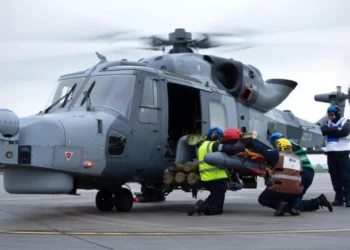 Minister Meets Crews Who Will ‘Take Out’ Iranian Drones
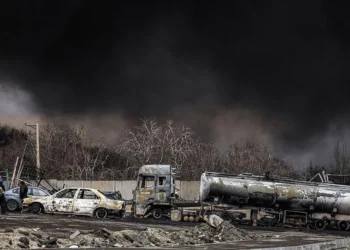 Nine Days of Strikes Reshape the Middle East
 Trump Pressures Congress Over Save America Act
 Iran War Puts Trump at Political Risk Amid Rising Prices
 Iranian Football Squad Asylum Drama Shocks Australia
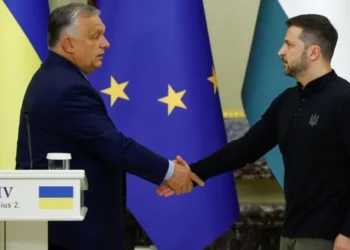 Ukraine War Becomes Flashpoint in Hungarian Election
 Queensland Protest Laws Spark Free Speech Backlash
 Eswatini Deal Sparks Global Outcry Over US Deportations
 Trump Nato threats expose Iran strategy vacuum
 Trump’s Confidence Undimmed — But Every Iran Option Carries Risk