Published: March 17, 2026
The English Chronicle Desk
The English Chronicle Online
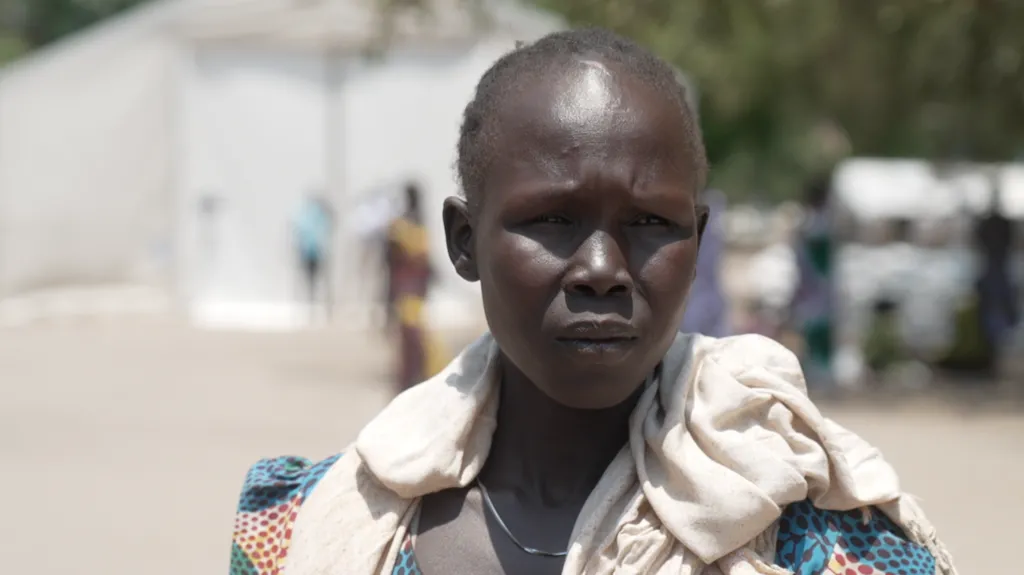
Communities across South Sudan are reporting renewed violence, displacement, and mounting humanitarian pressure amid warnings that the country may be edging closer to renewed large-scale conflict. Residents describe aerial bombardments, armed clashes, and deteriorating security conditions that have forced families to flee their homes.

The phrase “fire came from the sky,” repeated by survivors, reflects accounts of airstrikes and shelling in contested areas. Civilian infrastructure, including homes, markets, and transport routes, has reportedly been damaged in several regions. Local leaders say the insecurity is limiting access to food, medical services, and clean water, compounding an already fragile humanitarian situation.
Observers note that political tensions between rival factions have intensified alongside localised fighting. While formal ceasefire agreements exist in principle, enforcement remains inconsistent in some areas, leading to periodic outbreaks of violence. Analysts warn that sustained escalation could undermine national stability and disrupt ongoing reconciliation efforts.
Humanitarian organisations have expressed concern about the impact on displaced populations. South Sudan has experienced repeated waves of internal displacement in recent years, and renewed hostilities risk expanding the number of people requiring emergency assistance. Aid agencies report challenges in delivering supplies due to restricted access and security constraints.
Economic conditions further complicate the crisis. Limited infrastructure, fluctuating oil revenues, and regional instability have strained government capacity to provide public services. In conflict-affected zones, local economies have slowed sharply, with markets operating intermittently and transport networks disrupted.
Diplomatic actors have called for restraint and dialogue, urging all sides to recommit to political solutions. Regional mediators continue to advocate for negotiations aimed at preventing a broader confrontation. International partners have emphasised the importance of protecting civilians and maintaining humanitarian corridors.
Residents in affected areas describe daily uncertainty, with families weighing whether to remain in place or relocate to safer regions. Community leaders say fear of further escalation is driving displacement, even in areas not directly targeted by fighting.

As the situation develops, attention remains focused on whether political negotiations can stabilise tensions or whether the pattern of violence will intensify. For now, many civilians are living amid insecurity, hoping that diplomatic efforts can prevent a slide into widespread civil war.
Related News:
 Chad Shuts Border With Sudan in Bid to Stop Conflict Spreading
 Kinnock’s Rebuke Echoes Loudly as Corbyn Allies Launch Left-Wing Breakaway: “A Gift to Farage”
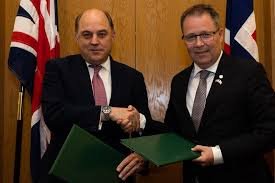 UK and Norway Forge Stronger Ties Through Joint Sanctions and Enhanced Defence Cooperation
 Trump Administration Dismisses 17 Immigration Judges, Sparking Debate Over Judicial Independence
 UK Must Act with Courage and Clarity on Israel-Palestine Conflict, Says Foreign Affairs Committee Report
 Trump Threatens 100% Tariff on Nations Importing Russian Oil Amid India Standoff Over Ukraine War
 Radioactive Leak at UK’s Nuclear Warhead Base Sparks Outcry Over Safety and Secrecy
 Mutual Inconvenience: Why Alaska Was Chosen for the Trump-Putin Summit on Ukraine
 Hong Kong Summons UK and Australian Envoys Following Asylum Grants to Democracy Activists
 Is the UK Ready to Put Boots on the Ground in Ukraine? Assessing Military Capacity and Challenges
 Conservative Influencer Charlie Kirk Fatally Shot During University Debate
 Channel Crossings Surge: Over 1,000 People Arrive in the UK in Small Boats in a Single Day
 Widow of Charlie Kirk Forgives Killer at Emotional Memorial Service
 Yvette Cooper Signals Global Momentum Towards Gaza Peace Deal Amid Humanitarian Crisis
 Public Trust in SNP Hits Historic Low Amid NHS Concerns
 Johnson Suggests Mandelson Linked to China Spy Controversy
 Rachel Reeves signals welfare reform ahead of key budget
 Russia’s Latest Push to Win US Favors Shows Deep Desperation
 BBC to Apologise Over Edited Trump Speech Amid Backlash
 Britain deploys RAF specialists to assist Belgium with drone threats
 Trump Urges Herzog to Grant Netanyahu Full Pardon
 Indian authorities demolish Kashmir home linked to Red Fort blast
 Greene Pushes Epstein Files Amid Trump Fallout
 Trump Deploys DHS to Charlotte in Major Arrest Operation
 December Run-Off in Chile as Election Produces No Winner
 Canada Passes Carney’s First Budget in Tight Parliamentary Vote
 Shadow Fleet at Sea: Europe’s Battle Against Illicit Oil Shipping
 India’s COP30 Delay Raises Global Climate Concerns
 Georgians Defy Government Crackdown After Year of Protests
 EU plans $105bn Ukraine aid using frozen Russian assets
 Russia losses Ukraine war peace talks intensify amid rising deaths
 Albanese Opens Door to Bondi Royal Commission Amid Rising Pressure
 Trump Escalates Minnesota Immigration Surge Amid Rising Tensions
 Iran Protesters Defy Crackdown as Violent Clashes Intensify
 Trump Threatens Strong Action If Iran Executes Protesters
 Machado Trump medal gesture reshapes Venezuela power struggle
 EU weighs response amid Greenland tariff crisis with Trump
 EU Says US Ties Have Suffered ‘Big Blow’ After Greenland Crisis
 Andrew Hastie Emerges as Leadership Rival to Ley
 Israel Moves to Bar MSF From Gaza Operations
 After the Landslide: Can India Reset Ties with BNP Bangladesh?
 Australian Families Leave Syrian Camp for Home
 Starmer Weighs Fast-Tracking Defence Boost
 Trump Attacks UK-California Energy Pact
 Nine Arrested in France Over Death of Far‑Right Student
 Andrew Arrest Sparks Republic Debate in Australia
 Australian PM Says Former Prince Andrew Has Suffered ‘Extraordinary Fall’ but That Won’t Prompt Republic Referendum
 Musk Cuts Starlink Access for Russian Forces – Giving Ukraine an Edge at the Front
 Farage Chagos Islands Row Sparks Fury
 Ukraine Negotiator Reveals What It Feels Like Facing Russia
 French Minister Moves to Block US Envoy Kushner from Government Access
 Has Europe truly learned from the failures of 2022?
 American Citizen Killed in Cuba Boat Shooting, U.S. Officials Say
 Iran’s Regime Still Intact — Coming Days Will Test Its Survival
 Allies of US in the Gulf Bear Brunt of Iran Attacks
 Kidnapping of Foreigners Soars in Africa’s Lawless Sahel Region
 Trump Faces Questions Over Iran Conflict Plan
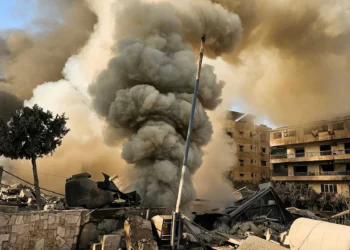 Israel Launches Ground Invasion of Lebanon Amid Widening Middle East War
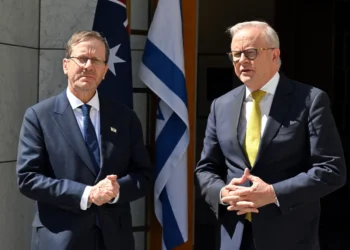 Herzog Asio meeting sparks security storm
 Nepal Holds First General Election Since Gen Z Protests Toppled Government
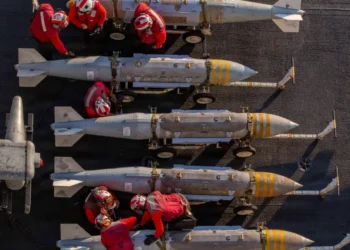 How Depleted Weapons Stockpiles Could Affect the Iran Conflict
 Macron Finds ‘Freedom Fries’ Redemption in Iran Crisis
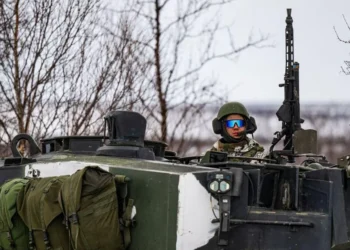 Finland Plans to Lift Decades‑Old Ban on Hosting Nuclear Weapons
 Minister Meets Crews Who Will ‘Take Out’ Iranian Drones
 UK–US Tensions Ease as Starmer and Trump Hold First Call Since Iran Row
 Nine Days of Strikes Reshape the Middle East
 Cocoa Farmers Suffer as Chocolate Market Collapses
 Trump Pressures Congress Over Save America Act
 Iran War Puts Trump at Political Risk Amid Rising Prices
 Iran’s New Leader Faces Existential Test
 Iranian Football Squad Asylum Drama Shocks Australia
 After Mugabe: Family Feuds and Legal Battles
 Ukraine War Becomes Flashpoint in Hungarian Election
 Queensland Protest Laws Spark Free Speech Backlash
 Eswatini Deal Sparks Global Outcry Over US Deportations
 Yvette Cooper: UK Must Follow Principles, Not US Pressure
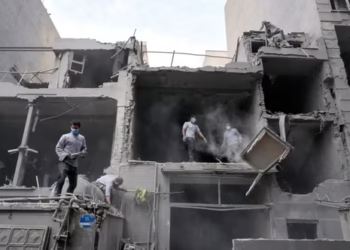 Trump Iran War Stance Hardens as Conflict Widens
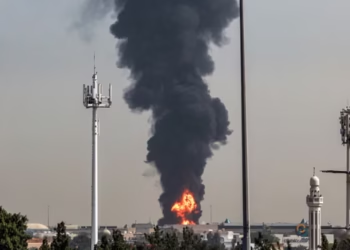 Trump Nato threats expose Iran strategy vacuum
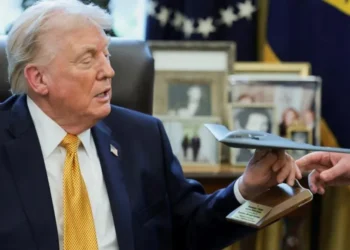 Trump’s Confidence Undimmed — But Every Iran Option Carries Risk
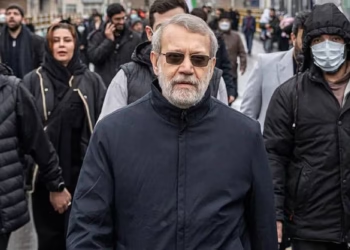 Israel Says Iran Security Chief Larijani ‘Killed’