Published: 22 March 2026. The English Chronicle Desk. The English Chronicle Online.
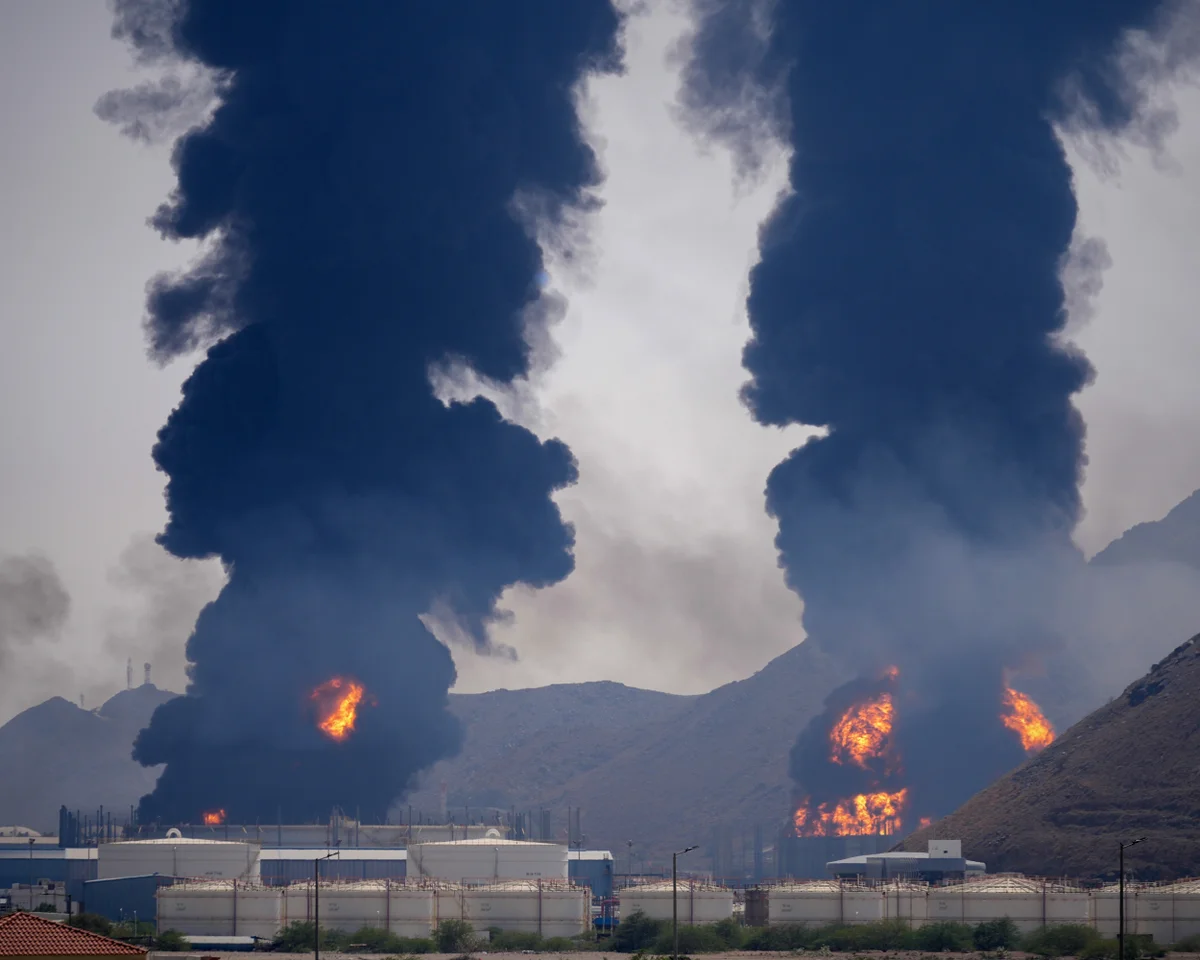
The British government now faces urgent calls to implement a strict profit cap on major energy and fuel corporations. This significant recommendation comes directly from the prime minister’s most trusted cost of living adviser this weekend. Richard Walker serves as the executive chairman of Iceland supermarkets and sits as a Labour peer. He believes that ministers must act quickly to protect families from rising global oil prices. The current conflict in the Middle East has created a volatile market for essential heating and fuel. Walker argues that a profit cap would prevent large companies from exploiting this international crisis for gain. He specifically pointed to the recent blockade of the vital Strait of Hormuz as a catalyst. This maritime route remains a crucial passage for the world’s supply of crude oil and gas. Any disruption there causes immediate ripples across the entire United Kingdom economy and local household budgets.
The proposal for a profit cap is designed to be a temporary measure during this war. Walker clarified his position in a detailed column written for the Sunday Times this morning. He stated that he has no fundamental problem with businesses making a healthy annual profit. Profit allows companies to invest in infrastructure and pay for thousands of UK based jobs. However, the adviser expressed a very deep concern regarding the practice of corporate profiteering today. He noted that many families are currently living under extreme financial pressure across the country. The government’s cost of living champion wants to ensure that retailers do not benefit unfairly. His voice carries significant weight within the Treasury and the current Department for Energy Security. Ministers are now under pressure to respond to these specific and public policy suggestions.

This call for action follows recent reports regarding the Chancellor of the Exchequer, Rachel Reeves. Before the recent military escalations, she had reportedly considered easing the existing energy profits levy. That windfall tax was originally designed to capture excess gains from the North Sea producers. However, the geopolitical landscape shifted dramatically following the air strikes on Iran on 28 February. Those strikes resulted in the death of the Iranian supreme leader and sparked a regional blockade. The sudden loss of shipping access has forced a complete rethink of British economic fiscal policy. A profit cap is now seen by some as a more direct tool than taxes. It could theoretically prevent prices from rising at the pump for millions of weary drivers. The debate over how to handle these market fluctuations is intensifying within the Labour Party.
Industry leaders have also weighed in on the potential for inescapable price hikes this spring. Chris O’Shea, the chief executive of Centrica, spoke to the BBC earlier this Sunday morning. He suggested that some level of price increase may be unavoidable due to global shortages. The British Gas owner noted that the world consumes roughly 100 million barrels of oil daily. Approximately 20% of that global supply typically passes through the restricted Strait of Hormuz route. While gas supplies are less affected, the impact on petrol remains a very serious concern. O’Shea predicted that motorists would feel the pinch much sooner than those paying utility bills. This distinction is important for the government as they weigh the necessity of a profit cap. Targeted support for the most vulnerable citizens remains a primary focus for the energy sector.
The energy boss argued that targeted help is far more effective than general blanket subsidies. Centrica has already held several high level meetings with government officials to discuss these support measures. They hope to identify the households that are most at risk of falling into fuel poverty. Meanwhile, the public demand for a profit cap continues to grow on various social media platforms. Many voters feel that large corporations should share the burden of the current international crisis. They want to see a clear limit on the margins that fuel retailers can charge. The English Chronicle has observed a surge in online petitions calling for immediate legislative intervention. This grassroots pressure is making it difficult for the government to maintain a passive stance. The tension between corporate freedom and consumer protection is reaching a critical breaking point now.
The proposed profit cap would specifically target the refined margins on petrol and diesel products. Supporters of the plan argue that it would create a much fairer system for everyone. It would ensure that any drop in wholesale costs is passed on to the consumer. Currently, many analysts believe that retail prices stay high even when wholesale markets begin cooling. A profit cap would mandate transparency and accountability for the largest players in the industry. Richard Walker believes this is the only way to maintain public trust in the market. He warned that ignoring the plight of the working class could lead to unrest. The government must decide if they will adopt this radical but popular economic strategy soon. Every penny added to the cost of fuel impacts the price of daily groceries.
The broader implications of the Middle East conflict are still being assessed by UK intelligence services. The closure of shipping lanes has forced many tankers to take longer and costlier routes. These increased transport costs are often passed directly to the British public at the till. Implementing a profit cap could act as a vital buffer against these external supply shocks. It would force companies to absorb some of the logistical costs instead of the customers. Economists are divided on whether such a cap would discourage future investment in green energy. Some fear that limiting returns might slow down the transition to a carbon neutral economy. However, the immediate need for affordable energy seems to outweigh long term corporate investment goals. The Prime Minister is expected to make a formal statement on the matter later.

As the situation develops, the focus remains on how the Treasury will balance the books. Rachel Reeves must find a way to support the public without damaging the national economy. A profit cap offers a political solution that does not require direct government spending or borrowing. It places the responsibility of price stability back onto the highly profitable energy sector itself. This approach aligns with the wider Labour goal of creating a more equitable society today. The English Chronicle will continue to monitor the progress of this proposal in Parliament weekly. Many backbench MPs have already signaled their strong support for Walker’s bold and timely recommendations. They view it as a necessary shield against the unpredictable nature of modern global warfare. The coming weeks will be decisive for the future of British energy price regulation.
In conclusion, the call for a profit cap represents a significant shift in domestic policy discussions. With the endorsement of a key government adviser, the idea has moved into reality. The British public is waiting to see if ministers will have the courage to act. Protecting households from the fallout of the Middle East war is a top national priority. Whether through a profit cap or enhanced windfall taxes, change is certainly coming soon. The era of unchecked gains during times of global suffering may finally be ending here. For now, millions of people across the UK will be watching the fuel pumps. They hope for a sign that their financial burdens are being taken seriously at last. The government’s next move will define its commitment to the struggling working class families.
Related News:
 Tories Push to Dilute Labour’s Workers’ Rights Bill
 Trump’s UK Ambassador Urges North Sea Drilling to Strengthen US Ties
 Rachel Reeves Set to Break Labour Pledge and Raise Income Tax
 Thinktanks Urge Rachel Reeves to Reform UK Tax System
 Company linked to Michelle Mone owes £39m in tax
MPs Press Rachel Reeves to Hike Gambling Taxes
Company linked to Michelle Mone owes £39m in tax
MPs Press Rachel Reeves to Hike Gambling Taxes
 Cuts to home insulation funding threaten UK climate goals
 Millionaires group urge Reeves to introduce wealth tax to ‘lift kids out of poverty’
 PM Highlights UK Business at G20 in South Africa
 English Mayors Set to Introduce Tourist Taxes
 Starmer Says Labour’s Economic Plan Needs Years to Deliver
BBC bosses ‘right to stick by their guns’ against Trump, says minister
Starmer Says Labour’s Economic Plan Needs Years to Deliver
BBC bosses ‘right to stick by their guns’ against Trump, says minister
 China Dependence Threatens UK Energy Supply Chains and Jobs
 MPs warn AI financial risks threaten UK stability
 MPs warn AI financial risks threaten UK stability
 UK Government Borrowing Drops to £11.6bn in December
 Labour Must Revive High Streets to Avoid Election Collapse
 Barclays drops Global Counsel after Mandelson link scrutiny
 Unsustainable gaps in franchise policing, MPs warn
 UK shelves £110m border project amid trade strain
 UK Sees Record £30.4bn Budget Surplus, Boosting Reeves’ Position
 SNP Charging £750 per Ticket for Business Event Featuring ‘Beer and Blether’ with Stephen Flynn
 Ministers Urged to Ban Crypto Political Donations
 Reeves Must Back Defence Plan or Face Dismissal, Says Unite Chief
 OBR Reform Row Deepens Before Spring Forecast
 UK Doubles Steel Tariffs to 50% to Protect Domestic Plants
 Chancellor Rachel Reeves Pushes for Sweeping Changes to Environmental Protections to Accelerate Development
 Kemi Badenoch Unveils ‘Golden Rule’ to Halve Spending Cuts for Deficit Reduction at Tory Conference
 Reeves Faces Setback as Labour May Miss Homes Target
 Green Party Surges Past Labour in Latest UK Poll
 French Taxi Driver Cleared in David Lammy Theft Case After Fare Dispute
M&S Profits More Than Halve After Cyber-Attack
French Taxi Driver Cleared in David Lammy Theft Case After Fare Dispute
M&S Profits More Than Halve After Cyber-Attack
 Starmer Faces Growing Dissent as Labour MPs Weigh Leadership Challenge
 Reeves rejects £1bn plea for NHS redundancy payouts
 PM Condemns Leaks, Vows Loyalty to Ministers and Stability
 Major Rent Reform Ends No-Fault Evictions in England
 Peers Flood Assisted Dying Bill with 942 Amendments
 Canada Passes Carney’s First Budget in Tight Parliamentary Vote
 Most Tories Expect to Support a Farage-Led Government
 Virgin Media Fined £23.8m Over Telecare Safety Failures
 Culture secretary to review Telegraph takeover by Daily Mail owner
 Plans to Limit Jury Trials Face Retreat After Mounting Opposition
 Right Must Unite After Jenrick Defection, Urges Rees-Mogg
 UK Ministers Drop Foreign Student Targets for Global Education Push
 No Gas Boiler Ban as UK Warm Homes Plan Backs Heat Pumps
 Shinzo Abe’s killer receives life sentence in Japan
 Lords Vote Piles Pressure on Starmer Over Social Media Ban
 Reform UK Health Plan ‘Would Cost £1.7bn’, Streeting Says
 Police response times face strict new national limits
 Labour policing overhaul sparks fears over growing central control
 Tories criticised after Braverman defection sparks mental health row
 Starmer warns of toxic division politics in Reform challenge
 Starmer China visit raises human rights pressure on Beijing
 Households in England Face Rising Water Bills in April
 UK New Car Discounts Near £6,000 as Prices Are Slashed
 Palantir contracts face UK halt calls over transparency
 Labour Lord Doyle Apologises Over Paedophile Ties in Political Storm
 Cabinet Secretary Shake-Up Triggers Due Diligence Warning
 Could Manchester Lead the UK’s Economic Revival?
 Farage to Name Jenrick as Reform Chancellor Pick
 Civil Service Pay: Union Urges Ministers to End ‘Barking Mad’ Limits
 Antonia Romeo appointment sparks criticism
 Trump and Chagos Deal Rift Over Iran Strikes
 Farage Chagos Islands Row Sparks Fury
 UK Job Vacancies Hit Five-Year Pandemic Low
 UK Youth Unemployment Surges Amid Tax Changes
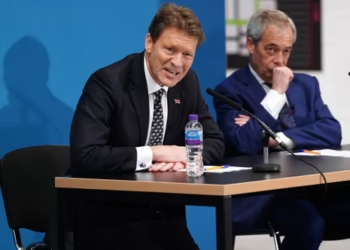 Reform UK targets workers’ rights repeal
 Strong Rebound for UK Housing Market Sees 6% More Homes
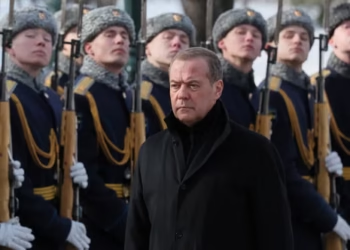 Russian Trade Routed Through British Islands Exposed
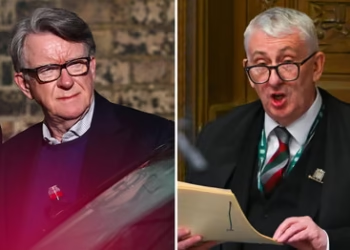 Mandelson Arrest: Met Apologises to Hoyle
 Palestine Action ban appeal moves forward
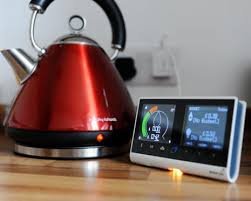 Switching Energy Deal Can Save £200 as Price Cap Falls
 Labour’s Employment Shake‑Up ‘Makes Britain Worse Than France’
 BBC Charter Reform Sparks Independence Battle
 Thousands Protest Iran Strikes Outside US Embassy London
 US Bombers Arrive at RAF Base Amid Rising Iran Tensions
 UK Oil and Gas Supplies Reassured Amid Middle East Concerns
 Yvette Cooper: UK Must Follow Principles, Not US Pressure
 Charity Watchdog Takes Control of Learning Disability Care Home
 Iran’s Failed Strike on Diego Garcia Sparks UK Security Concerns