Published: 25 March 2026. The English Chronicle Desk. The English Chronicle Online.
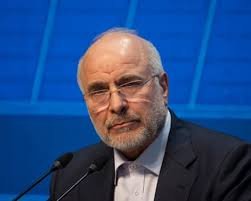
The rise of Ghalibaf Iran as a geopolitical talking point reflects a rapidly shifting landscape inside Tehran’s power structure. As international attention sharpens, Mohammad Bagher Ghalibaf has emerged unexpectedly as a figure of interest for Donald Trump and his circle. This development follows a period marked by internal upheaval, assassinations, and uncertainty surrounding Iran’s leadership hierarchy.
Much like an outsider seizing opportunity in a chaotic race, Ghalibaf’s ascent appears shaped by circumstances rather than design. Several prominent figures within Iran’s political and security elite have either been removed or sidelined, leaving space for a seasoned operator with deep institutional ties. Yet the notion that he could serve as a pragmatic bridge between Tehran and Washington remains deeply contested.
Ghalibaf’s career has been defined by survival, adaptability, and loyalty to the Islamic Republic’s core structures. Born in Mashhad in 1961, he rose through the ranks of the Islamic Revolutionary Guard Corps during the brutal Iran-Iraq War. His command of the 5th Nasr division placed him at the centre of some of the war’s most intense battles, forging a reputation for discipline and resilience.

Over time, he became closely aligned with Ali Khamenei, who assumed the supreme leadership in 1989. This relationship proved pivotal in shaping Ghalibaf’s trajectory, allowing him to transition into influential roles beyond the battlefield. He later led the IRGC Aerospace division and served as Iran’s national police chief, consolidating his image as a strongman figure comfortable with authority.
His tenure as mayor of Tehran from 2005 to 2017 marked a significant chapter in his public life. Supporters credit him with modernising infrastructure, including expanding the capital’s metro system. Critics, however, argue that his administration was clouded by persistent allegations of corruption and authoritarian decision-making. These accusations never reached court, yet they continue to shadow his political ambitions.
Ghalibaf’s leadership style has consistently reflected a hardline approach to dissent. During the 1999 student protests, he was among senior IRGC commanders who warned then-president Mohammad Khatami against tolerating demonstrations. In later remarks, he openly acknowledged his involvement in suppressing protests, even describing his actions with a sense of pride.
This pattern continued in more recent years. During the 2022 protests associated with the “women, life, freedom” movement, Ghalibaf advocated for stricter enforcement of state policies. His rhetoric framed unrest as a threat to national stability, reinforcing his alignment with Iran’s security-focused governance model. For many observers, this stance underscores the challenges of viewing him as a reformist interlocutor.
Despite these controversies, Ghalibaf has repeatedly sought the presidency, presenting himself as a pragmatic conservative. His campaigns blended economic populism with a willingness to engage in global markets, echoing elements of reformist discourse. Yet electoral success eluded him, including a notable defeat to Hassan Rouhani in 2013.
His most recent presidential bid in 2024 was similarly overshadowed by allegations of personal extravagance. Reports suggested that members of his family had undertaken a lavish shopping trip to Istanbul during a period of economic hardship in Iran. Ghalibaf dismissed these claims as politically motivated, but the episode reinforced perceptions of disconnect between elites and ordinary citizens.
The evolving narrative of Ghalibaf Iran is closely tied to broader questions about the country’s leadership structure. In Iran, ultimate authority resides with the supreme leader, a position now associated with Mojtaba Khamenei following recent developments. Although reports have circulated regarding his health and visibility, Iranian officials maintain that the leadership remains functional and cohesive.
This centralisation of power complicates any external effort to identify alternative negotiating partners. Even if Ghalibaf holds significant influence within parliament and security circles, he does not possess the clerical credentials traditionally required for supreme leadership. Nor does he occupy the presidency, currently held by Masoud Pezeshkian, whose own authority operates within defined institutional limits.
Nevertheless, Ghalibaf’s connections to key military figures enhance his strategic relevance. His relationships with senior IRGC commanders position him within the inner workings of Iran’s security apparatus. This network may explain why some in Washington view him as a potential conduit for communication, even if such expectations appear optimistic.
Comparisons have been drawn between Ghalibaf and other figures who have engaged with Western powers from within authoritarian systems. Yet the analogy remains imperfect. Unlike more outward-looking politicians such as Ali Larijani, Ghalibaf lacks extensive international engagement and diplomatic experience. His strengths lie in domestic power consolidation rather than global negotiation.
From the perspective of United States policymakers, the appeal of a strongman figure may reflect a broader strategic calculation. Trump’s admiration for decisive leadership styles is well documented, and Ghalibaf’s persona aligns with that preference. However, translating personal affinity into meaningful diplomatic progress presents significant challenges.
Iran’s political system is inherently layered, combining elected institutions with powerful unelected bodies. Attempting to elevate a single figure as a primary interlocutor risks misunderstanding this complexity. It may also provoke internal resistance, particularly if perceived as external interference in domestic affairs.
Ghalibaf himself has publicly rejected claims of engagement with the United States. In a recent statement, he emphasised national unity and dismissed reports of negotiations as misinformation. His remarks highlighted a broader narrative within Iran, portraying Western intentions as manipulative and self-serving.
This response illustrates the delicate balance he must maintain. Any perception of openness to Washington could expose him to criticism from hardline factions, while outright hostility reinforces his standing among conservative supporters. Navigating this tension is likely to define his role in the coming months.
The broader regional context further complicates matters. Relations between Iran and its neighbours remain volatile, with past incidents such as the 2016 attack on the Saudi embassy continuing to shape diplomatic dynamics. Allegations that Ghalibaf’s allies supported that episode have added another layer of controversy to his record.

Meanwhile, the legacy of figures like Qassem Soleimani, who was killed in a US strike in 2020, continues to influence Iran’s strategic outlook. The memory of such events reinforces a cautious approach to engagement with Washington, regardless of individual personalities.
As the narrative of Ghalibaf Iran continues to evolve, it reflects a broader story of resilience and uncertainty within the Islamic Republic. His journey from battlefield commander to parliamentary speaker embodies the enduring influence of the IRGC in shaping Iran’s leadership class. Yet it also highlights the limits of individual agency within a system defined by collective authority.
For observers in the United Kingdom and beyond, understanding this dynamic is essential. Simplistic interpretations risk overlooking the intricate interplay of ideology, power, and institutional structure that defines Iranian politics. Ghalibaf’s emergence may signal change, but it does not necessarily herald transformation.
Ultimately, the question is not whether Ghalibaf can act as a bridge between Iran and the West, but whether the system he represents allows for such a role. His record suggests a commitment to stability and control, rather than openness and compromise. That reality may temper expectations in Washington, even as interest in his position grows.
The story of Ghalibaf Iran is therefore less about a single individual and more about a political environment in flux. It is a reminder that leadership in Iran is shaped by forces that extend far beyond any one figure. As events continue to unfold, the world will be watching closely, seeking clarity in a landscape defined by complexity and change.
Related News:
 Middle East Flights Halted After Iran Strikes
 UK Prepares Aircraft Carrier for Middle East Crisis
 Mojtaba Khamenei Chosen as Iran’s New Supreme Leader
 Tehran Oil Depot Strikes Darken City With Toxic Smoke
 Mojtaba Khamenei Supporters Rally as Iranians Fear Repression
 Iran Defiance Grows Amid US-Israel War Pressure
 Hormuz Crisis Sparks Global Oil Market Fears
 Iranian Exile Factions Seek US Backing for Iran’s Future
 Injured Mojtaba Khamenei Elevated as Iran Leader
 Trump Iran War Stance Hardens as Conflict Widens
 BBC to Apologise Over Edited Trump Speech Amid Backlash
 Britain deploys RAF specialists to assist Belgium with drone threats
 US Justice Department Files Lawsuit Against California Over Partisan Voting Maps
 Greene Pushes Epstein Files Amid Trump Fallout
 Trump Deploys DHS to Charlotte in Major Arrest Operation
 December Run-Off in Chile as Election Produces No Winner
 Canada Passes Carney’s First Budget in Tight Parliamentary Vote
 Shadow Fleet at Sea: Europe’s Battle Against Illicit Oil Shipping
 Pentagon Officials in Ukraine to Discuss War End
 Venezuela Threatens Nobel Winner Machado with Fugitive Status
 Georgians Defy Government Crackdown After Year of Protests
 EU plans $105bn Ukraine aid using frozen Russian assets
 Global campaign launched to free Palestinian leader Barghouti
 Russia losses Ukraine war peace talks intensify amid rising deaths
 Zelenskyy Accuses Russia of Sabotaging Peace Talks
 Albanese Opens Door to Bondi Royal Commission Amid Rising Pressure
 Trump Escalates Minnesota Immigration Surge Amid Rising Tensions
 Iran Protesters Defy Crackdown as Violent Clashes Intensify
 Trump Threatens Strong Action If Iran Executes Protesters
 Machado Trump medal gesture reshapes Venezuela power struggle
 Trump Receives Machado’s Nobel Medal in White House Meeting
 EU weighs response amid Greenland tariff crisis with Trump
 US Considers Asylum for British Jews Amid Rising Antisemitism
 ICE street raids expose a chilling future for public freedoms
 EU Says US Ties Have Suffered ‘Big Blow’ After Greenland Crisis
 Andrew Hastie Emerges as Leadership Rival to Ley
 Starmer China visit raises human rights pressure on Beijing
 Israel Moves to Bar MSF From Gaza Operations
 Trump Praises ‘Terrific’ Petro After White House Talks
 Sydney Protest Escalates and Elderly Woman Suffers Severe Injury
 Tarique Rahman’s Rise Toward Bangladesh’s Top Job
 Glass Cliff Debate After Ley’s Ouster
 Australian Families Leave Syrian Camp for Home
 Trump Attacks UK-California Energy Pact
 Kim Jong-un Unveils Housing for War Families
 Trump and Chagos Deal Rift Over Iran Strikes
 Andrew Arrest Sparks Republic Debate in Australia
 Global corruption crisis: Who Washington shields
 Farage Chagos Islands Row Sparks Fury
 Trump Speech Sparks Intense Debate Across Divided America
 Jacinda Ardern Moves To Australia Following Her US Fellowships
 Has Europe truly learned from the failures of 2022?
 Iran’s Regime Still Intact — Coming Days Will Test Its Survival
 Allies of US in the Gulf Bear Brunt of Iran Attacks
 Trump Faces Questions Over Iran Conflict Plan
 US Iran Operation: Sixth Service Member Killed
 Why the US and Israel attacked Iran
 Israel Launches Ground Invasion of Lebanon Amid Widening Middle East War
 Herzog Asio meeting sparks security storm
 Middle East attacks intensify as Trump rejects Iran talks
 Iran-Iraq border airstrikes spark new tensions
 US Senate Backs Trump War Powers Amid Iran Missile Barrage
 Macron Finds ‘Freedom Fries’ Redemption in Iran Crisis
 Thousands Protest Iran Strikes Outside US Embassy London
 US Bombers Arrive at RAF Base Amid Rising Iran Tensions
 Pete Hegseth Iran War Remarks Spark Alarm
 Kasasa Island Dispute Fuels Japan-China Tensions
 Nine Days of Strikes Reshape the Middle East
 Trump Pressures Congress Over Save America Act
 Iran’s New Leader Faces Existential Test
 Iranian Football Squad Asylum Drama Shocks Australia
 Queensland Protest Laws Spark Free Speech Backlash
 Eswatini Deal Sparks Global Outcry Over US Deportations
 Yvette Cooper: UK Must Follow Principles, Not US Pressure
 Hormuz Strait Crisis: Trump Pressures Allies to Act
 Trump Nato threats expose Iran strategy vacuum
 Kabul hospital strike sparks deadly blame row
 Israel Says Iran Security Chief Larijani ‘Killed’
 Philippines energy emergency sparks coal power surge
 Trump Iran Plan Faces Doubts Amid Renewed Tensions