Published: 26 March 2026. The English Chronicle Desk. The English Chronicle Online.
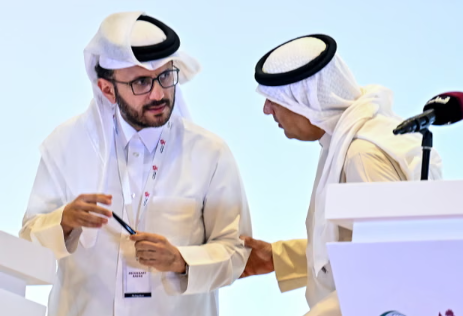
The geopolitical landscape of the Middle East faces a complex transition as Gulf distrust regarding potential negotiations between Washington and Tehran begins to surface. Not long after Donald Trump claimed the United States was engaged in strong talks to end the war with Iran this week, Qatar took the unusual step of distancing itself from the alleged diplomatic negotiations. The government spokesperson Majed al-Ansari stated that Qatar was not involved in any mediation efforts during a briefing on Tuesday night. He added a telling aside by questioning if these talks even exist in reality. This specific statement signalled a notable break from the historic and recurring position of Qatar as the chief mediator in regional conflicts. Whether for negotiations between Israel and Hamas or talks with the Taliban, orchestrating summits has formed a cornerstone of the international heft of this small state.
Yet this time, over the past several weeks, Qatar and fellow nations have found themselves on the frontlines of the war. Their mediation efforts to try to prevent the conflict were ultimately spurned by the United States. The American military has attacked Iran twice during negotiations aimed at halting the nuclear programme which were led by Oman. Discussions last June were halted as the United States and Israel conducted strikes on Iranian nuclear facilities. Revived talks this February were also quickly rendered useless when President Trump began bombing Tehran with Israel before the final round of meetings. Since the war began, these states have been forced to spend billions rebuffing a daily onslaught of Iranian missiles and drones. Their economies and sovereignty are taking an increasingly substantive hit as the violence continues to escalate across the borders.

Analysts said their reluctance to cheerlead the alleged ceasefire efforts reflected the heavy toll they continued to suffer. There is also a lingering suspicion over whether the talk of peace from Trump was genuine or another foil for escalation. Bilal Saab, a former Pentagon official, noted that these nations have been burned by their previous experiences in diplomacy. He suggested that they previously thought they played a useful role until they realised it was all for naught. Not to mention that they have been directly implicated in the war and are still being attacked. There is a lot of pent-up frustration and disappointment affecting their willingness to mediate anything at this stage. The Gulf distrust of the current administration has left leaders reluctant to put themselves on the frontlines of talks for the time being.
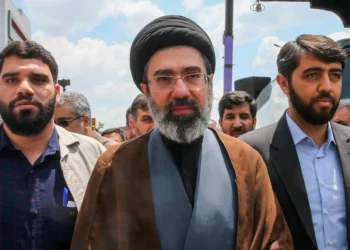
It remains unclear exactly who the United States is talking to in Iran to put forward their proposal for peace. Fundamental questions remain over who in the Iranian regime is calling the shots after the assassination of multiple senior figures. Newly appointed supreme leader Mojtaba Khamenei remains hidden from public view which complicates the verification of any diplomatic progress. By Wednesday night, the Iranian regime had outright rejected the fifteen point plan to end the war submitted via Pakistani generals. They described the proposal as extremely unreasonable and put forward their own strikingly different proposal for the international community. The concern of offering legitimacy to talks that become a front for escalation remains a potent fear among the regional leadership.
Even as Trump insisted progress was being made, thousands of American troops were being deployed to the Middle East. There remained a fear among these states of being played as pawns in a larger game involving Israel. Saab mentioned there is still a strong possibility that this is a ruse in preparation for another military operation. The United States might want to hold negotiations under the threat of a ground invasion to force a surrender. Iranian diplomatic sources voiced similar fears regarding the potential of peace talks being hosted in Islamabad. One source said there is a high degree of Gulf distrust and scepticism about the motives of the White House. As seen in previous negotiations, they used the time to attack and kill leadership figures while talking about peace.
Bader al-Saif from Kuwait University said it was hard to ignore that negotiations often ended under the rubric of war. Trump has his own loosely defined notion of negotiations which often shifts without warning or clear logic. Right now the situation is still very volatile and states will only join when they feel there is something real. However, he emphasised that their reluctance was counterbalanced by a recognition of the importance of shaping any realistic peace negotiations. The prospect of ending the war with the current regime still in place is viewed as an existential threat. These leaders are acutely aware of the damage missiles and drones can do to multi-billion-dollar infrastructure and industry. There is also no clear solution on how to end the stranglehold over the vital Strait of Hormuz.
Most of the oil and gas from the region is exported through this waterway which remains a sword of Damocles. A protracted war fighting for the elusive goal of regime change also risked bleeding the regional economies dry. Vital energy and water infrastructure remain in danger of being debilitated which would have a heavy civilian cost. There is also the omnipresent threat of Tehran activating sleeper cells and armed factions loyal to their cause. These groups exist in Saudi Arabia, the UAE, Qatar, and Kuwait with the potential to trigger internal proxy wars. Al-Saif suggested that these nations should not only count on the United States to do the negotiation. He called for the Gulf Cooperation Council to instigate their own separate negotiations to protect their national interests.
The suggestion of Pakistan as a venue to host the peace talks was one relatively favourable to the regional powers. Pakistan is an Islamic country that has a defence pact with Saudi Arabia and close ties to the region. However, others questioned whether Islamabad had the same economic leverage over Iran as countries like Qatar or the UAE. These states are holding billions of dollars of Iranian funds in their banks which provides a unique diplomatic carrot. Alex Vatanka from the Middle East Institute emphasised that Trump might not prioritise the needs of his allies. Beyond securing trade through the strait and dismantling the nuclear programme, his interests remain largely personal and commercial. This reality only serves to deepen the Gulf distrust felt by those who were previously close partners.

Iran is highly unlikely to agree to give up the missiles that had done so much damage to their neighbours. These weapons prove to be an effective tool for future leverage in any long term security arrangement. Vatanka noted that these states could easily be thrown under the bus again by the current American leadership. It would take seismic feats of diplomacy to rebuild trust between Iran and the surrounding nations after such violence. He expects them to ultimately forge their own path with Tehran as they had done before the war. No matter what happens, they are still going to be frontline states regardless of Washington’s shifting policies. Iran is just across the waterway and these nations are not a fortress against modern aerial technology.
Once the shooting ends, the regional leaders will need to decide how to push the regime in a different direction. They cannot rely on outside powers to guarantee a security architecture that respects their specific economic and social goals. The current Gulf distrust is a natural reaction to a history of broken promises and sudden military escalations. Future stability depends on a local dialogue that addresses the root causes of the friction in the region. Without a clear and honest framework, any peace proposal will likely fall on deaf ears in both Tehran and Riyadh. The coming weeks will determine if a genuine diplomatic opening exists or if the world is witnessing another tactical pause. For now, the regional powers remain watchful and wary of any sudden moves from the American administration.
The focus on regional sovereignty has never been higher as the costs of the conflict continue to mount. Leaders are meeting behind closed doors to discuss a unified response to the latest American peace proposal. They seek to ensure that their voices are heard and their safety is guaranteed in any final agreement. The Gulf distrust of external interference is driving a new era of independent diplomacy that could reshape the Middle East. Whether this leads to a lasting peace or further isolation remains to be seen by the global community. Everyone is watching the horizon for a sign that the cycle of violence might finally come to an end. Only through transparent and fair communication can the deep wounds of this war begin to heal for all.
Related News:
 Middle East Flights Halted After Iran Strikes
 US Iran Operation: Sixth Service Member Killed
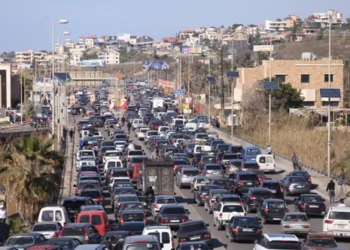 Hezbollah Anger Erupts as War Returns to Beirut
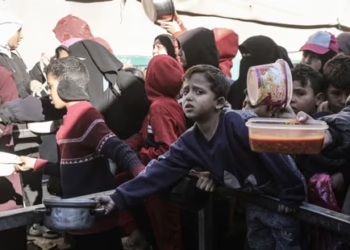 Gaza Siege Deepens as Iran War Escalates
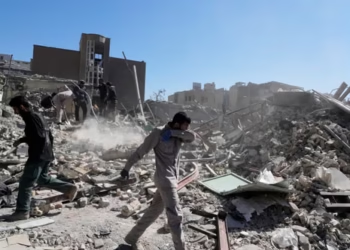 Riyadh Drone Attack Escalates Regional War
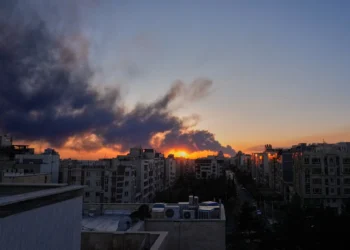 Middle East attacks intensify as Trump rejects Iran talks
 Iran-Iraq border airstrikes spark new tensions
 Iran-Iraq Border Strikes Spark New Front Fears
 Iran-Backed Militias Escalate Attacks Across Middle East
 UK Prepares Aircraft Carrier for Middle East Crisis
 Mojtaba Khamenei Chosen as Iran’s New Supreme Leader
 Tehran Oil Depot Strikes Darken City With Toxic Smoke
 Seventh US Service Member Killed in Iran Conflict Identified
 Mojtaba Khamenei Supporters Rally as Iranians Fear Repression
 Tehran Strikes Mark War’s Most Devastating Night
 Iran Defiance Grows Amid US-Israel War Pressure
 Hormuz Crisis Sparks Global Oil Market Fears
 Iranian Exile Factions Seek US Backing for Iran’s Future
 US-Israeli Strategy Shifts to Plan B in Iran War
 Injured Mojtaba Khamenei Elevated as Iran Leader
 US Missile Strike on Iran School Sparks Global Shock
 Iran Gulf attacks escalate as ships and airports targeted
 Iran Conflict: Trump’s Uncertain Path and Diplomatic Off-Ramp
 Ancient Heritage Sites Damaged in Recent Airstrikes
 Tehran Diary: Dark Days Under Relentless Bombardment
 British Tourist Charged Over Dubai Missile Strike Video
 Gaza Detainee Abuse: Israel Drops Charges Against Soldiers
 Trump Iran War Stance Hardens as Conflict Widens
 Lebanon Ground Campaign Raises Occupation Fears
 Gulf Tensions Rise as Iran Alleges Covert Support
 Kabul hospital strike sparks deadly blame row
 Iran Threatens Total Destruction of Mideast Energy Grid
 Ghalibaf Iran: Survivor Emerges in Shifting Power Game
 BBC to Apologise Over Edited Trump Speech Amid Backlash
 Britain deploys RAF specialists to assist Belgium with drone threats
 Palace May Restore Hyphen to Andrew Mountbatten-Windsor’s Name
 Greene Pushes Epstein Files Amid Trump Fallout
 December Run-Off in Chile as Election Produces No Winner
 Zelenskyy Signs Fighter Jet Deal Amid Russian Drone Attacks
 Shadow Fleet at Sea: Europe’s Battle Against Illicit Oil Shipping
 Tiny Curacao Makes History as Smallest Nation to Reach World Cup
 US Suspends Afghan Immigration After White House Shooting
 Georgians Defy Government Crackdown After Year of Protests
 ‘Extinct’ Antelope Returns to Sahara, Bringing Hope
 Facebook Slow to Remove Bondi Attack Praise, Anti-Hate Group Claims
 US Clears Nvidia AI Chip Sales to China in Policy Shift
 Gulf states warn Trump Iran strikes risk wider Middle East war
 Sydney Shark Attack Surge Shocks Australia Beaches
 EU Says US Ties Have Suffered ‘Big Blow’ After Greenland Crisis
 Videos reveal earlier clash before Alex Pretti shooting
 UK New Car Discounts Near £6,000 as Prices Are Slashed
 Israel Moves to Bar MSF From Gaza Operations
 Portugal Election Delivers Socialist Win as Far Right Surges
 Australian Families Leave Syrian Camp for Home
 ‘I Would Scream in My Sleep’: Alawite Women from Syria Tell of Kidnap and Rape
 Andrew Arrest Sparks Republic Debate in Australia
 Farage Chagos Islands Row Sparks Fury
 Hilary Knight speaks out on Trump’s recent hockey remarks
 Has Europe truly learned from the failures of 2022?
 Iran’s Regime Still Intact — Coming Days Will Test Its Survival
 Trump Faces Questions Over Iran Conflict Plan
 In Maps: Strikes Across Iran and the Middle East
 Iran Civilian Deaths Surge Past 200 Amid Fear
 The Third Day of the US‑Israeli War With Iran
 Herzog Asio meeting sparks security storm
 Trump rebukes Starmer over Iran strikes
 Civilian Deaths in Iran Pass 700 Amid Fear of Bombs and Regime Clampdown
 Petrol Prices Soar as Retailers Accused of Gouging Amid Global Tension
 Penny Wong silent on Australian crew in sub strike
 Australians on US Submarine in Iranian Warship Strike
 Thousands Protest Iran Strikes Outside US Embassy London
 Oil Prices Surge Above $100 Amid Iran War
 Nine Days of Strikes Reshape the Middle East
 Trump Pressures Congress Over Save America Act
 Goma Drone Attack Kills Three as Conflict Escalates
 Queensland Protest Laws Spark Free Speech Backlash
 Trump Nato threats expose Iran strategy vacuum
 Israel Says Iran Security Chief Larijani ‘Killed’
 Australia Imposes Sudden Travel Ban on Iranian Visitors
 Trump Facing Backlash from Epstein Survivors Over Files