
Published: March 27, 2026. The English Chronicle Desk. The English Chronicle Online
A “ripple of fear” has taken hold of British households as the escalating conflict in the Middle East hammers consumer confidence, sending it to its lowest level in nearly a year. According to the latest GfK Consumer Confidence Index released today, sentiment dropped to -21 in March, down from -19 in February. The decline marks the sharpest shift in public mood since the utility bill crisis of April 2025, as families brace for a prolonged “inflationary shock” triggered by the US-Israeli strikes on Iran and the subsequent closure of the Strait of Hormuz.

The survey highlights a dramatic collapse in optimism regarding the general economy, with the 12-month outlook slumping by six points to -37. While personal financial assessments remained relatively stable for now, the “major purchase index”—a key indicator of whether people are willing to spend on big-ticket items like cars or appliances—fell four points. Instead of spending, Britons are “hoarding cash” in anticipation of a harsh spring, with the savings index jumping six points to 27. “People simply do not feel the economy is robust enough to ride out the knock-on effects from this conflict,” said Neil Bellamy, consumer insights director at GfK.
The driving force behind this anxiety is the immediate and visible surge in energy and fuel costs. Since the outbreak of hostilities in late February, global oil prices have spiked by 50%, with Brent crude consistently trading above the $100-a-barrel mark. For the British consumer, this has already translated to a 12p-per-litre jump at the petrol pumps. While domestic energy bills remain protected by the price cap until July, analysts warn that the cap could rise by more than £300 this summer if the maritime blockade in the Gulf persists, effectively undoing the progress made in tackling the post-pandemic cost-of-living crisis.
The economic fallout is already showing up in official data. The Office for National Statistics (ONS) reported today that retail sales volumes fell by 0.4% in February, a “calm before the storm” figure that retailers fear will worsen significantly in March. The OECD has also weighed in, revising its 2026 UK inflation forecast upward to 4%—the largest such revision among major economies—citing the country’s high sensitivity to global energy shocks. With the Bank of England now hinted to be considering interest rate hikes rather than the long-awaited cuts, the “fog of war” is complicating the financial plans of millions.
Chancellor Rachel Reeves addressed the mounting pressure this week, stating that the Treasury is preparing “contingency plans” to protect the most vulnerable households. however, she warned that the state of the public finances means further universal energy bailouts are unlikely. This has left many middle-income families feeling “exposed,” according to the British Retail Consortium, which described the current sentiment as a “collapse” in confidence. For many, the fear is that the UK is entering a period of “stagflation”—where prices rise while the economy stands still.

As the “spring awakening” of 17°C sunshine arrives this weekend, it offers only a literal brightening of the mood. Beneath the clear skies, the “ripple of fear” continues to spread, influencing every decision from the weekly grocery shop to the cancellation of summer holidays. For the British public, the 2026 Iran war is no longer a distant geopolitical event; it is a direct threat to the stability of the kitchen table.
Related News:
 ‘A Cliff Edge’: Hospice Leaders Warn Cutbacks Are Only Way to Survive
 The High Cost of Survival: How the 2026 Fiscal Outlook is Redefining British Life
 Illegal Skin Lightening Cream Being Sold in UK Butchers, Watchdog Warns
 Adoption Breakdown Ended My Career and Relationship – ‘We’re Told to Get On With It’
 Mind Launches Inquiry into AI and Mental Health After Guardian Investigation
 Mystery GP on Train Saves Passenger’s Life
 Parents of Gravely Ill Child Refused Respite Care
 ‘I Almost Died After a Touch‑and‑Go C‑Section’
 Water Cremation Introduced in UK First
 GPs Losing a Day of Appointments to No‑Shows Each Month
 Allergy Training to Become Compulsory in Schools in England
 Scots Firefighter Cycles 800 Miles for MND Charity
 Woman, 29, ‘Chucked’ Into Care Home 100 Miles Away
 Pregnant Woman Faces Motherhood Without Late Mum
 Father Dies by Suicide Weeks After Wedding in Clitheroe
 Mum Blinded After Tumour Linked to Contraceptive Jab
 SNP Health Secretary Criticised Over NHS Failures Locally
 Scotland Combines Alcohol and Drug Strategy to Cut Addiction Deaths
 Dad Delivers Baby After Midwife Flees During High‑Risk Labour in UK
 Schnauzer Travels 140 Miles for Life-Saving Spinal Surgery
 UK Poverty Hits 13.4 Million Amid Major Data Revisions
 Brain-Damaged Scot ‘Stuck’ in Hospital at Centre of Police Probes
 ‘A Living Nightmare’: Parents of Vaccinated Teenager Speak Out After Rare Meningitis B Battle
 NHS Enlists AI in Major Push to Slash Hospital Waiting Lists
 Safety Fears at New £200m Maternity Unit: Mums-to-Be ‘Put at Risk’
 Trust in Turmoil: Just Eat and Autotrader Among Firms Probed Over Fake Reviews
 Concerns Mount Over Accuracy of At-Home Health Tests as Study Calls for Stricter Regulation
 The Ketamine Crisis in the UK is a Silent Epidemic Leaving Users with Lifelong Pain
 Cats Develop Dementia Similarly to Humans, Study Finds
 Why E-Bikes and E-Scooters Are Making Streets a ‘Nightmare’ for Blind People
 Millions in the UK at Higher Risk of Heart Failure and Stroke Due to Air Pollution, Study Warns
 Systemic Racism in Maternity Care Continues to Endanger Black Women in England, MPs Warn
 One in Three GPs in England Do Not Work in NHS, Raising Concerns Over Access to Care
 Questions Remain as Rugby Legend Lewis Moody Faces Motor Neurone Disease Diagnosis
 M&S and Morrisons Lead Christmas Supermarket Taste Test
 New Prostate Cancer Drug Set to Halve Death Risk in England
 Hospice Cuts Raise Alarm Across England Amid Funding Crisis
 Patients to Test Health at Home to Ease NHS Winter Pressure
 Shouting Works Best to Deter Gulls, UK Study Finds
 Reeves rejects £1bn plea for NHS redundancy payouts
 Stroke Patient Mistaken for Drunk, Care Delayed
 ‘Traumatic Wait’: Northern Ireland Women Face Breast Cancer Delays
 Five-Year-Old Dies After Rare Tonsil Surgery Complication
 Fibromyalgia Patients Struggle as NHS Fails to Provide Care
 More Patients Now Contacting GPs Online, Data Shows
 Children to Receive Home Vaccines as England Acts
 Local Fish Could Boost UK Health and Economy Significantly
 NHS Violence Crisis: Staff Face Daily Assaults
 Celebrity Campaign Highlights SMA Screening Failures
 UK Glaucoma Rise Signals Looming Eye Health Crisis by 2060
 Pneumonia Surge Pushes England Emergency Cases Higher
 Labour Utterly Humiliated by Straight-Talking Mum Who Cut Through Keir Starmer’s Insanity
 Renters Furious as Decent Homes Standard Delayed Until 2035
 Motorists Could Face ‘Mandatory’ Driving Ban for Road Offences Under Tougher Laws
 Snow and Rain Warnings as Cold Snap Continues in the UK
 Flooding May Worsen Before It Improves as More Rain Forecast for the UK
 UK MPs Demand Ban on Brazilian Butt Lifts
 NHS Urges Nine Million People to Get Therapy
 Dad Found in Bed with Daughter 16 Years After Abandoning Her as a Child
 ‘Don’t Make Us Security Guards,’ Says Teacher Stabbed by Pupil
 ‘A Disgrace’ — Patient Blasts Neurology Report
 Will the New SEND Reforms in England Work? You Have Your Say
 Half of Britons Avoid GP When Ill, Survey Reveals Growing Concern
 BBC Edited a Second Racial Slur Out of BAFTA Ceremony
 50,000 People Waited Over 24 Hours in A&E Corridor Care
 ‘It’s Joy in a Pot’: Why Houseplants Could Make You Happier
 New Infection Risk Alert at Glasgow’s Flagship Hospital
 Calls Grow to Remove Billboard Following Lyra McKee Graffiti
 Sarah Ferguson Loses Another £1.5m Amid Financial Struggles
 ‘We can’t go back’: mother of six-year-old cancer survivor fears UK visa changes
 Teen Wins Payout After TRNSMT Crush Horror
 Biker Suffers Fractured Spine After Hitting Pothole in Edinburgh
 Palantir NHS Contract Sparks Fears Over Data Power
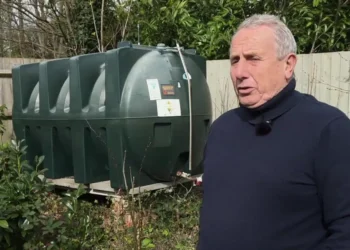 ‘Heating Oil Suppliers Are Holding Us to Ransom’ as Prices and Cancellations Surge
 Rare Glimpse of Historic Bridge Thanks to Low Tide
 Charity Watchdog Takes Control of Learning Disability Care Home
 UK Forces Ready to Seize Russian Shadow Fleet Vessels
 Families Tortured by Authorities During Investigations Inquiry Told
 US Lawmaker Demands Testimony Over Sarah Ferguson’s ‘Close Epstein Ties’
 The Last of the Lords: Two Hereditary Peers to Retain Ceremonial Roles Amid Historic Ousting