Published: 30 March 2026. The English Chronicle Desk. The English Chronicle Online.
The Middle East stands at a perilous crossroads as the Iran war enters its second month of intense hostilities. Tensions reached a new peak this week as Tehran officially accused Washington of plotting a significant ground assault. This accusation comes despite public statements from the United States suggesting a desire for diplomatic talks. The conflict has already claimed thousands of lives and triggered the most severe disruption to global energy supplies in history. Iranian officials remain defiant while claiming that the United States is hiding its true military intentions behind a veil of diplomacy.
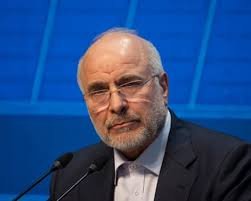
Mohammad Bagher Ghalibaf, the speaker of the Iranian parliament, issued a stern warning to mark thirty days of fighting. He stated that the enemy signals negotiation in public while secretly plotting a dangerous ground attack. Ghalibaf confirmed that Iranian firing continues and their missiles are ready for any escalation. He noted that the determination and faith of their forces have only increased during this difficult month. The speaker warned that Iranian troops are waiting for the arrival of American soldiers on the ground. He suggested such an encounter would result in a firm punishment for the US and its regional partners.

Donald Trump addressed these growing concerns during a recent interview published on Sunday night. He told the Financial Times that his preference would be to take the oil located in Iran. He specifically mentioned the crucial export hub on Kharg Island as a very easy target for seizure. Despite these aggressive threats, the newspaper also quoted Trump as saying that indirect talks are progressing well. These negotiations are reportedly moving forward via Pakistani emissaries who are acting as vital go-betweens for both nations. Trump declined to offer specific details when asked about a potential ceasefire deal in the coming days.
The president noted that such a deal could reopen the vital Strait of Hormuz very quickly. However, he highlighted that the US military still has about three thousand targets left to strike. This follows a massive campaign that has already seen thirteen thousand targets bombed across the Iranian landscape. The duality of these statements has left the international community deeply concerned about the actual direction of the Iran war. While talks are mentioned, the scale of the ongoing aerial bombardment suggests a far more permanent military objective.
Regional escalation became more evident over the weekend as Yemen-based Houthi forces entered the conflict. This marks a significant widening of the war as the group launched missiles toward Israeli territory. Meanwhile, Israeli Prime Minister Benjamin Netanyahu announced that his country is widening its invasion of southern Lebanon. This move is intended to neutralise the threat from Hezbollah and create a larger security zone. The Israeli air force reported intercepting two unmanned aerial vehicles that were launched from Yemen on Sunday. These events demonstrate how quickly the conflict is drawing in various regional actors and militant groups.
The human cost of this expansion was highlighted by a tragic incident involving United Nations peacekeepers. The UN mission in Lebanon confirmed that a peacekeeper was killed by an exploding projectile near Adchit al-Qusayr. Another peacekeeper remains in critical condition following the blast, which occurred at one of their positions. An investigation has been launched to determine the origin of the projectile and the specific circumstances. This loss adds to the growing death toll in Lebanon, where over eleven hundred people have died. Funerals were held on Sunday for three journalists who were killed in a recent Israeli strike.
Reports from the Pentagon suggest that officials are preparing for several weeks of ground operations. Thousands of American soldiers and marines are currently arriving in the Middle East to bolster the presence. Sources indicate that any ground operation would likely stop short of a full-scale invasion of the country. Instead, the military might rely on raids by special operations forces and conventional infantry units. These missions would target coastal sites near the Strait of Hormuz to destroy weapons threatening shipping. Such actions are seen as a way to secure the flow of global oil.
Even a limited mission carries extreme risks for American troops deployed during the Iran war. They would be exposed to Iranian drones, missiles, ground fire, and various improvised explosive devices. Reports from Axios and the Wall Street Journal suggest the Pentagon may send ten thousand more troops. This would be accompanied by a broader bombing campaign to degrade Iranian defensive capabilities even further. The White House continues to send mixed signals regarding the final decision on a ground invasion. Press Secretary Karoline Leavitt stated that planning is intended to give the president maximum optionality for action.
During a conversation on Air Force One, Trump claimed that the conflict had already achieved regime change. He cited the high number of Iranian leaders killed during the first month of the war. Trump remarked that the US is now dealing with a whole different group of people. He expressed confidence that a deal would eventually be made with this new leadership structure. However, his comments about taking the oil continue to complicate the prospects for a peaceful resolution. The international community remains skeptical of these claims of regime change while the fighting continues to rage.
Religious leaders have also weighed in on the morality of the ongoing violence in the region. Pope Leo issued an apparent rebuke of the administration by stating that God ignores certain prayers. He suggested that leaders who wage war with hands full of blood cannot find divine favour. These comments followed remarks by the US Defence Secretary regarding the necessity of violence against enemies. Pete Hegseth had previously suggested that certain adversaries deserve no mercy in the heat of battle. This exchange highlights the deep moral and ethical divisions created by the ongoing Iran war.
Diplomatic efforts are currently being led by Pakistan, which is serving as a potential mediator for peace. A four-way meeting was hosted in Islamabad involving Saudi Arabia, Turkey, and Egypt to discuss the crisis. Pakistani Prime Minister Shehbaz Sharif has been in direct contact with Iranian President Masoud Pezeshkian. Foreign Minister Ishaq Dar announced that Pakistan would soon host direct talks between the US and Iran. He expressed happiness that both nations have shown confidence in the facilitation provided by his government. These talks are expected to take place within the coming days if conditions permit.

The United States previously presented a fifteen-point ceasefire proposal to the Iranian government last week. This plan included requirements for curbing the Iranian nuclear programme and reopening the Strait of Hormuz. Tehran initially rejected the plan but has since offered several alternatives via the Pakistani intermediaries. While Iran refuses to admit to official talks, they are clearly engaging through back-channel communications. The success of these negotiations is critical to preventing a further collapse of the global economy. A total shutdown of regional trade routes would have catastrophic effects on every continent.
Saudi Arabia is watching the situation closely as the Iran war threatens its own export routes. The kingdom has managed to divert some oil exports to the Red Sea via pipelines. However, if the Houthis continue to target vessels in the Bab el-Mandeb strait, these routes are also at risk. About twelve percent of the world’s oil trade typically passes through that specific maritime corridor. Saudi commentators have warned that Riyadh could enter the war directly if its infrastructure is attacked. This would represent a massive escalation that could draw the entire world into a larger conflict.
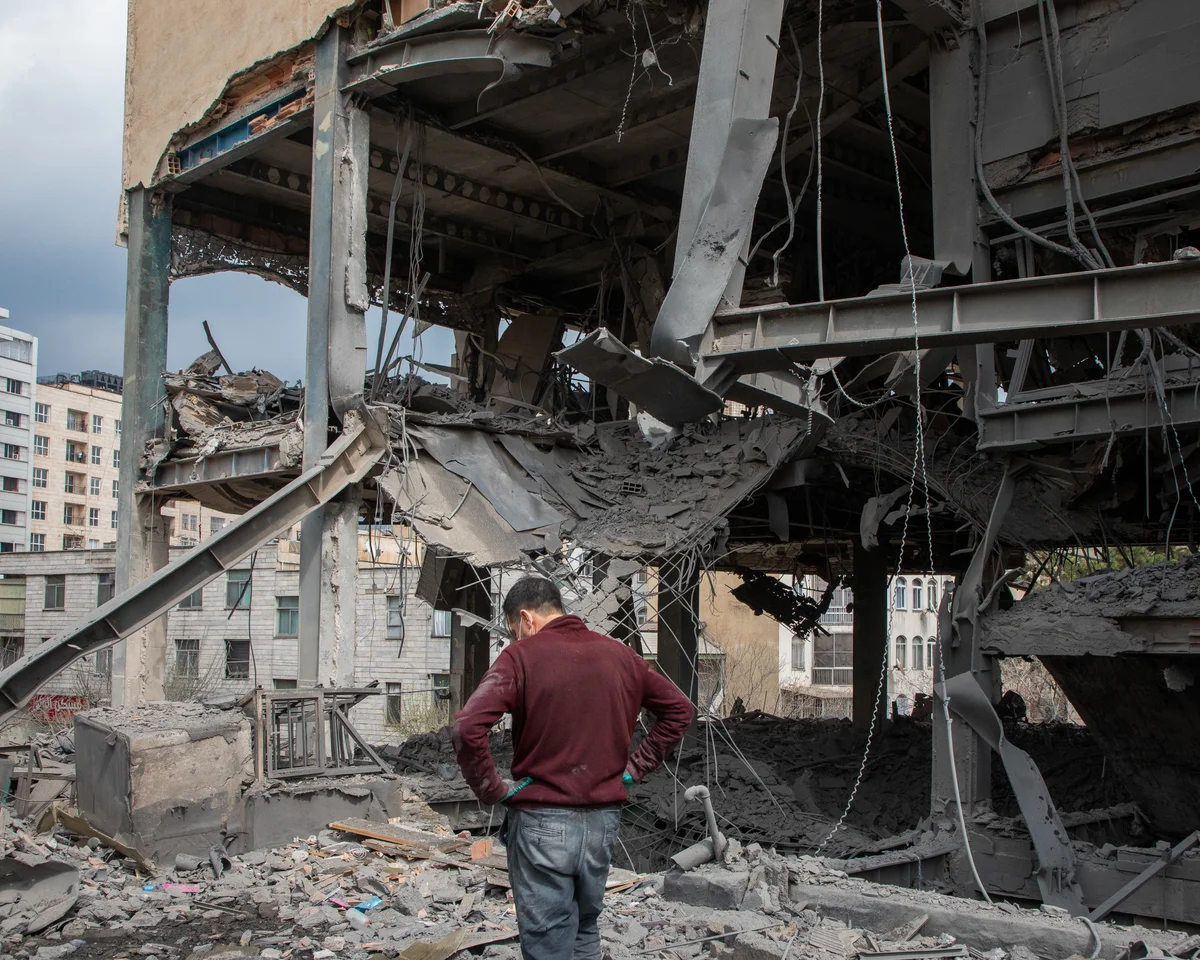
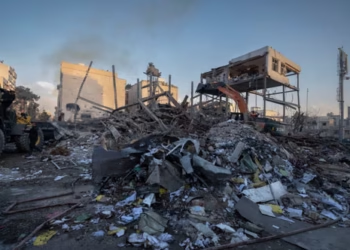
Military analysts at Chatham House have expressed deep concern over the Houthi involvement in the current war. They noted that targeting commercial maritime routes could expose vital economic infrastructure across the entire Gulf. Meanwhile, the Israeli military continues its relentless air assault on various Iranian production sites. Strikes on the port of Bandar-e-Khamir recently destroyed two vessels and killed five people at a pier. In the capital city of Tehran, buildings have been hit and power outages are becoming frequent. The Iran war is leaving no part of the region untouched by its reach.
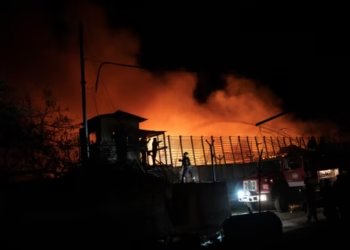
In Israel, an Iranian missile recently sparked a significant fire in the Neot Hovav industrial zone. This area is home to plants that manufacture active ingredients and various crop protection materials. Officials are currently assessing the risk of a hazardous materials leak following the direct hit. The IDF suggested the damage might have been caused by falling missile shrapnel from an interception. Six people were treated for light injuries at a local hospital following the late-night attack. As the Iran war persists, the cycle of strike and counter-strike shows no signs of slowing down.
Related News:
 Middle East Flights Halted After Iran Strikes
 US Iran Operation: Sixth Service Member Killed
 Hezbollah Anger Erupts as War Returns to Beirut
 Gaza Siege Deepens as Iran War Escalates
 Riyadh Drone Attack Escalates Regional War
 Middle East attacks intensify as Trump rejects Iran talks
 Iran-Iraq border airstrikes spark new tensions
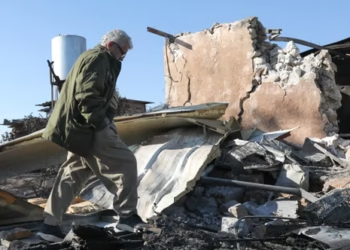 Iran-Iraq Border Strikes Spark New Front Fears
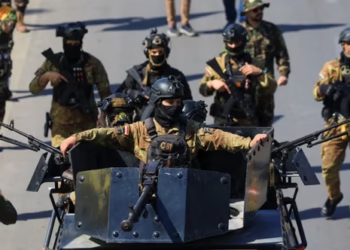 Iran-Backed Militias Escalate Attacks Across Middle East
 UK Prepares Aircraft Carrier for Middle East Crisis
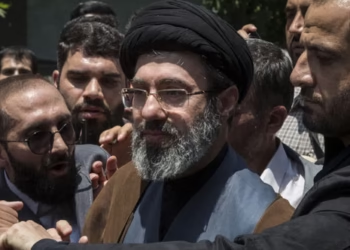 Mojtaba Khamenei Chosen as Iran’s New Supreme Leader
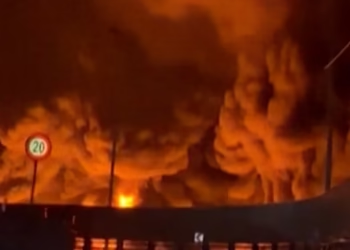 Tehran Oil Depot Strikes Darken City With Toxic Smoke
 Seventh US Service Member Killed in Iran Conflict Identified
 Mojtaba Khamenei Supporters Rally as Iranians Fear Repression
 Tehran Strikes Mark War’s Most Devastating Night
 Iran Defiance Grows Amid US-Israel War Pressure
 Hormuz Crisis Sparks Global Oil Market Fears
 Iranian Exile Factions Seek US Backing for Iran’s Future
 US-Israeli Strategy Shifts to Plan B in Iran War
 Injured Mojtaba Khamenei Elevated as Iran Leader
 US Missile Strike on Iran School Sparks Global Shock
 Iran Gulf attacks escalate as ships and airports targeted
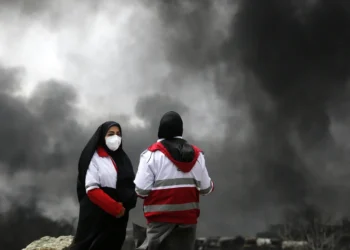 Iran Conflict: Trump’s Uncertain Path and Diplomatic Off-Ramp
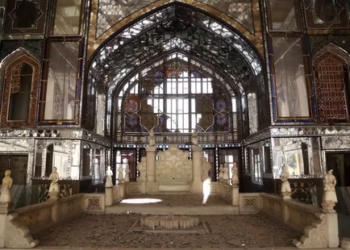 Ancient Heritage Sites Damaged in Recent Airstrikes
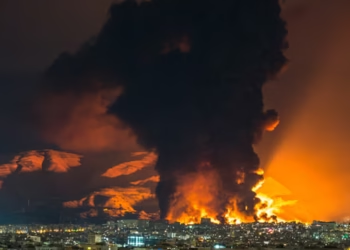 Tehran Diary: Dark Days Under Relentless Bombardment
 British Tourist Charged Over Dubai Missile Strike Video
 Gaza Detainee Abuse: Israel Drops Charges Against Soldiers
 Trump Iran War Stance Hardens as Conflict Widens
 Lebanon Ground Campaign Raises Occupation Fears
 Gulf Tensions Rise as Iran Alleges Covert Support
 Kabul hospital strike sparks deadly blame row
 Iran Threatens Total Destruction of Mideast Energy Grid
 Ghalibaf Iran: Survivor Emerges in Shifting Power Game
 Gulf Distrust Grows Over Rumoured US-Iran Peace Talks
 WHO Warns of Health Crisis Unfolding in Middle East
 Saudi Arabia Urging US to Keep Up Iran Attacks
 Iranian President’s Son Shares Wartime Hopes and Fears
 BBC to Apologise Over Edited Trump Speech Amid Backlash
 Britain deploys RAF specialists to assist Belgium with drone threats
 Greene Pushes Epstein Files Amid Trump Fallout
 December Run-Off in Chile as Election Produces No Winner
 Zelenskyy Signs Fighter Jet Deal Amid Russian Drone Attacks
 Shadow Fleet at Sea: Europe’s Battle Against Illicit Oil Shipping
 Tiny Curacao Makes History as Smallest Nation to Reach World Cup
 US Suspends Afghan Immigration After White House Shooting
 Georgians Defy Government Crackdown After Year of Protests
 ‘Extinct’ Antelope Returns to Sahara, Bringing Hope
 Facebook Slow to Remove Bondi Attack Praise, Anti-Hate Group Claims
 US Clears Nvidia AI Chip Sales to China in Policy Shift
 Gulf states warn Trump Iran strikes risk wider Middle East war
 Sydney Shark Attack Surge Shocks Australia Beaches
 EU Says US Ties Have Suffered ‘Big Blow’ After Greenland Crisis
 UK New Car Discounts Near £6,000 as Prices Are Slashed
 Portugal Election Delivers Socialist Win as Far Right Surges
 Australian Families Leave Syrian Camp for Home
 ‘I Would Scream in My Sleep’: Alawite Women from Syria Tell of Kidnap and Rape
 Farage Chagos Islands Row Sparks Fury
 Hilary Knight speaks out on Trump’s recent hockey remarks
 Has Europe truly learned from the failures of 2022?
 Iran’s Regime Still Intact — Coming Days Will Test Its Survival
 Trump Faces Questions Over Iran Conflict Plan
 In Maps: Strikes Across Iran and the Middle East
 Iran Civilian Deaths Surge Past 200 Amid Fear
 The Third Day of the US‑Israeli War With Iran
 Herzog Asio meeting sparks security storm
 Trump rebukes Starmer over Iran strikes
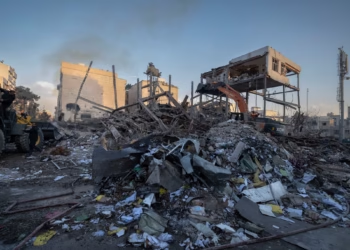 Civilian Deaths in Iran Pass 700 Amid Fear of Bombs and Regime Clampdown
 Petrol Prices Soar as Retailers Accused of Gouging Amid Global Tension
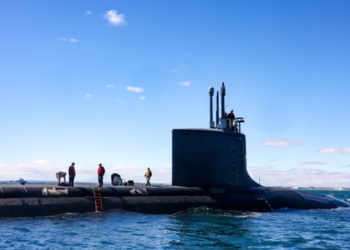 Penny Wong silent on Australian crew in sub strike
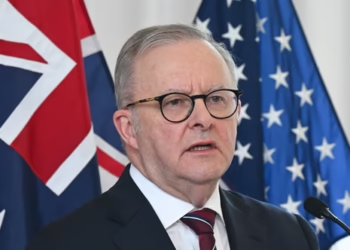 Australians on US Submarine in Iranian Warship Strike
 Thousands Protest Iran Strikes Outside US Embassy London
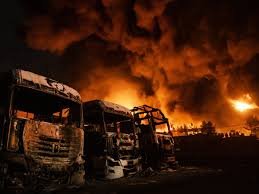 Oil Prices Surge Above $100 Amid Iran War
 Nine Days of Strikes Reshape the Middle East
 Trump Pressures Congress Over Save America Act
 Goma Drone Attack Kills Three as Conflict Escalates
 Queensland Protest Laws Spark Free Speech Backlash
 Trump Nato threats expose Iran strategy vacuum
 Israel Says Iran Security Chief Larijani ‘Killed’
 Australia Imposes Sudden Travel Ban on Iranian Visitors
 Trump Facing Backlash from Epstein Survivors Over Files