Published: March 30, 2026. The English Chronicle Desk. The English Chronicle Online—Providing trusted news and professional analysis for the UK.
A rapid migration of mainland Chinese technology companies into Hong Kong has reached a fever pitch this month, as firms across the artificial intelligence, semiconductor, and new-energy sectors seek a “digital sanctuary” amidst escalating geopolitical friction. Driven by record-high U.S. tariffs—which recently spiraled to 145%—and tightening export controls on critical hardware, China’s most innovative enterprises are increasingly adopting Hong Kong as a strategic workaround base. This trend is not merely about physical office space; it represents a fundamental shift in corporate survival strategies. By establishing a presence in the city, mainland firms can maintain access to the international financial system and global investors while leveraging a regulatory environment that remains more integrated with Western standards than the mainland’s restrictive domestic markets.

The surge is particularly evident in the artificial intelligence sector, where Hong Kong has emerged as a global testing ground for China’s AI ambitions. High-profile “AI tigers” like Zhipu AI and MiniMax recently made history by opting for Hong Kong listings, providing a rare level of transparency to a sector that has remained largely private in the West. This wave of initial public offerings (IPOs) raised an estimated $4.9 billion in the first two months of 2026 alone, signaling a structural shift toward “hard-tech” financing in the city. For these cash-hungry startups, Hong Kong offers a vital lifeline to capital that is increasingly difficult to secure in New York or London due to data security concerns and investment restrictions. Analysts suggest that the city now serves as a “super-connector,” allowing Chinese firms to court global credibility while shielding their primary operations from direct international sanctions.

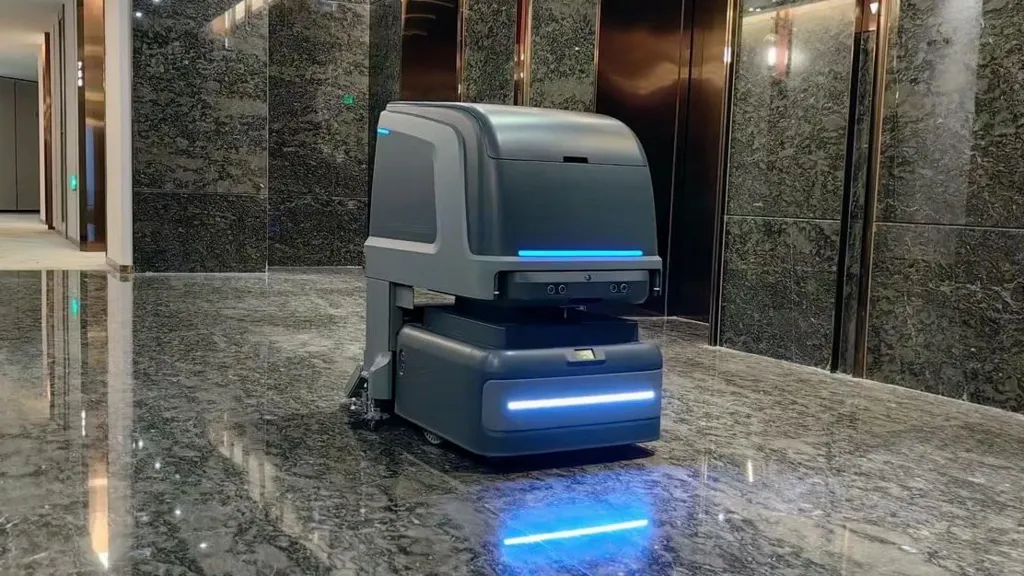
Beyond finance, the Hong Kong government has aggressively courted this influx with a suite of new industrialization schemes and advanced infrastructure projects. The completion of the first phase of the Hong Kong-Shenzhen Innovation and Technology Park, alongside the expansion of the Cyberport digital hub, has provided the high-end computing power—totaling over 5,000 petaflops—needed for large-scale AI training. Strategic initiatives like the “GoGlobal Task Force” further entice mainland companies to use the city as a springboard into Southeast Asian markets. From robotics firms validating tech in global hotel chains to chip designers seeking self-sufficiency, the consensus among Chinese tech leaders is clear: Hong Kong is no longer just a financial gateway, but the essential frontline for a new era of globalized Chinese innovation.
Related News:
 Jack Dorsey’s Block Cuts Thousands of Jobs as It Embraces AI
 India’s $300bn Outsourcing Industry Faces AI Test
 Anglian Water Fined £63 Million Over Sewage Scandal Amid National Outrage
 How to Exit Your Broadband Contract Without Paying Exit Fees
 Permission Granted for Britain’s First Vertical Rocket Launch at Shetland Spaceport
 Government Expands Electric Car Grant Scheme, Offers Discounts on Five More Models
 Ed Davey Urges Government to Block Elon Musk’s Tesla from Supplying UK Home Energy
 Apple Unveils Ultra-Thin $999 iPhone Air at “Awe-Dropping” Annual Event
 Merck Abandons £1bn London Research Hub and Cuts 125 Jobs in Blow to UK Life Sciences
 UK and US Forge Landmark Deals to Build Modular Nuclear Reactors Across Britain
 Big Pharma Investment Freeze Puts UK Life Sciences Sector Under Strain
 UK Could Generate Nearly £2bn Annually by Taxing SUVs, New Study Reveals
 Google Pledges £5bn AI Investment in UK Ahead of Trump State Visit
 Donald Trump’s UK State Visit Kicks Off Amid Major Tech Investments and Business Engagements
 Jaguar Land Rover Extends Production Halt Following Cyber-Attack
 British AI Startup Outshines Human Forecasters in Global Prediction Contest
 Royal Mail Owner Acquires Stake in Collect+ and Launches High Street Rebrand
 Jaguar Land Rover to Resume Production After Cyber-Attack, Launches Supplier Support Scheme
 NHS May Pay 25% More for Medicines Amid US Drug Talks
 Watchdog Rules Red Tractor Ad Misled Public on Environmental Claims
 Eurostar to launch doubledecker trains through Channel Tunnel by 2031
 Bloomsbury chief: AI will aid authors in beating writer’s block
Virgin Trains Moves Closer to Challenging Eurostar Monopoly
Bloomsbury chief: AI will aid authors in beating writer’s block
Virgin Trains Moves Closer to Challenging Eurostar Monopoly
 North Sea oil workers must lose weight or face job loss
 New laws to bolster UK’s defences against cyber attacks on NHS, transport and energy
 UK Taskforce Unveils Plan to Streamline Nuclear Reactor Rules
 UK Car Sales Pass 2 Million as Chinese Brands Surge
 China Halts Nvidia H200 Chips Despite US Export Approval
 MPs warn AI financial risks threaten UK stability
 MPs warn AI financial risks threaten UK stability
 AI job losses UK: Britain faces sharper employment shock
 UK AI avatar firm Synthesia valuation jumps to $4bn
 SpaceX Plans $1.5tn IPO Amid Planetary Alignment
 Amazon mistakenly signals new global layoffs to employees
 UK New Car Discounts Near £6,000 as Prices Are Slashed
 Bithumb Bitcoin Mistake Shocks Crypto World
 BT Names New Openreach Chief Amid Major Fibre Expansion
 AI fears hit UK wealth and comparison sites
 The Chinese AI App Sending Hollywood Into a Panic
 Etsy Sells Second‑Hand Fashion App Depop to eBay for $1.2bn
 Urgent AI Threat Research Needed, Says Google Boss
 AI Coding Firm’s ‘Pride’ at Business Award Win
 Met Police Using AI Tools Supplied by Palantir to Flag Officer Misconduct
 Anthropic Boss Rejects Pentagon Demand to Drop AI Safeguards
 Burger King Rolls Out AI Headsets to Track Employee ‘Friendliness’
 How Aston Martin Must Adapt to Meet Changing Needs
 How AI Can Read Our Scrambled Inner Thoughts
UK Firms Warned of Rising Iran Cyber Threats
How AI Can Read Our Scrambled Inner Thoughts
UK Firms Warned of Rising Iran Cyber Threats
 UK Firms Warned of Rising Iran Cyber Threats
 Boy George Says He’s Using ChatGPT to Help Write New Songs
 Musk Tells Jury “People Read Too Much” Into His Posts in Twitter Investor Trial
 Revealed: UK AI Push Faces Phantom Investment Claims
 Ukraine’s Anti-Drone Bullet Could Shield Gulf Skies
 Bank of Scotland App Glitch Lets Customers See Other Users’ Transactions
 Tesla Enters British Energy Market Following Ofgem Approval
 UK Pushes NHS and MoD to Buy British Tech
 ABC Staff Strike Over Pay and AI Concerns
 High Court Orders Lynch Estate to Pay £920m to HPE
 UK Watchdog Probes Five Firms Over Fake Review Failings
 Councils Pressed to Use Universal Parking App to Cut ‘Unfair’ Fines
 UK House Price Growth Slows as Buyers Exercise Caution Ahead of Autumn Budget
 Reeves Faces Setback as Labour May Miss Homes Target
 Trump’s UK Ambassador Urges North Sea Drilling to Strengthen US Ties
 UK Bans Fake Numbers: Scammers Lose Their Trick
 Vibe coding’ named Collins dictionary’s word of the year
 Millionaires group urge Reeves to introduce wealth tax to ‘lift kids out of poverty’
 Sundar Pichai Cautions on AI Hype and Market Risks
 Starmer Says Labour’s Economic Plan Needs Years to Deliver
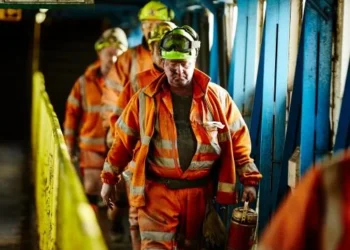 Historic £100-Weekly Pension Boost Brings Relief for UK Mineworkers
 US Dollar Hits Four-Year Low Amid Market Turmoil
 AI breast screening cuts later cancer diagnoses by 12%, study finds
 Most Statin Side-Effects Are Not Caused by Drugs, Study Confirms
 Major UK Clothing Firm Collapses into Administration — 109 Jobs at Risk
 How Do You Modernise Mango Farming? India’s Growers Urged to Innovate as Climate Change Hits
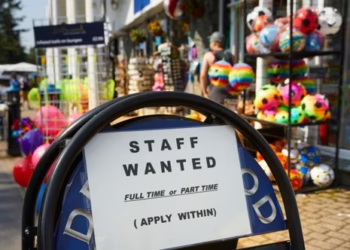 UK Job Vacancies Hit Five-Year Pandemic Low
 UK Youth Unemployment Surges Amid Tax Changes
 Stewart Brand on Musk, Bezos and a Life of Long Thinking
 Social Media Giant Trial Reaches Final Jury Decision
 Sri Lanka Sets Weekly Shutdown to Save Fuel
 Charity Watchdog Takes Control of Learning Disability Care Home