Published: March 30, 2026. The English Chronicle Desk. The English Chronicle Online—Providing trusted news and professional analysis for the UK.
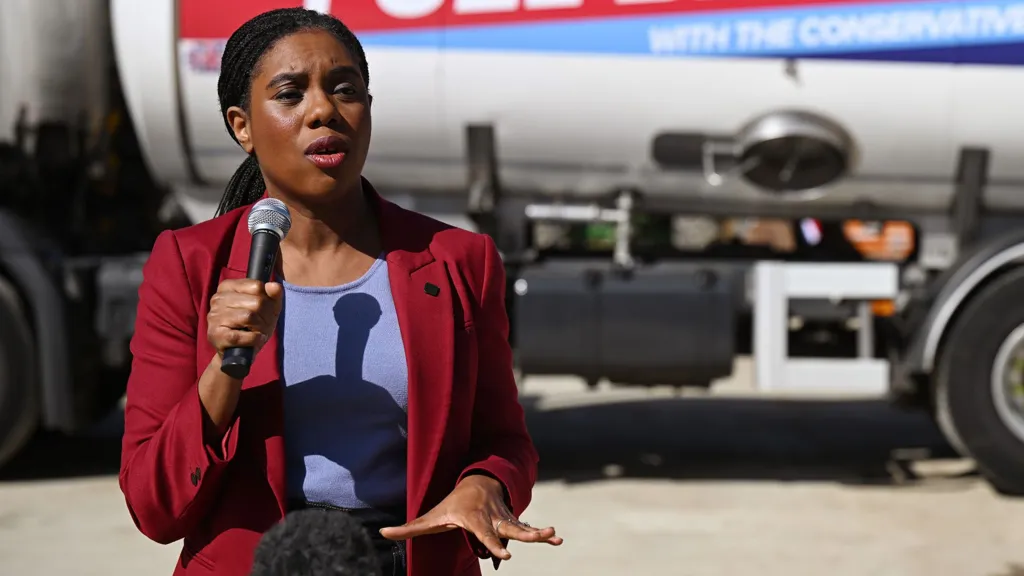
Conservative leader Kemi Badenoch has intensified her “Cheap Power Plan” campaign, formally calling on the Government to abolish VAT on domestic energy bills for the next three years. The proposal, unveiled during a high-profile visit to an oil rig in the North Sea, is positioned as a direct challenge to the Labour administration’s current fiscal strategy. Mrs. Badenoch argued that the 5% tax on heating and electricity is a “levy on the basics of life” that should be suspended immediately to shield households from the global price shocks triggered by the ongoing conflict in the Middle East. According to Conservative party analysis, removing VAT, combined with the scrapping of various “green taxes,” could save the average UK household approximately £200 per year at a time when the energy price cap is once again under upward pressure.

The Conservative leadership’s push for tax cuts represents a sharp departure from the Government’s preference for targeted support. While Chancellor Rachel Reeves has previously used the Budget to shift some renewable energy costs from bills to general taxation—a move that will see the price cap fall by roughly £117 this April—the opposition argues that these measures do not go far enough. Mrs. Badenoch’s plan seeks to go further by repealing the Climate Change Act and halting what she describes as “welfare bailouts” for those on benefits, which she claims are being funded by taxing working families. The Tories maintain that the £2.5 billion annual cost of the VAT holiday could be offset by maximizing North Sea oil and gas extraction, which they believe would generate significant new tax receipts for the Treasury.
The timing of the proposal is highly political, coming just as millions of households prepare for the resetting of the energy price cap. While the Government has successfully implemented a 75% subsidy on the Renewables Obligation (RO) scheme until 2029, the opposition claims these “salami tactics” are insufficient to counter the “Trump tax” of rising global oil prices. However, the plan has faced stiff resistance from the Treasury. Exchequer Secretary Dan Tomlinson dismissed the Tory strategy as a “dangerous fantasy,” noting that even the most aggressive North Sea drilling would have a negligible impact on international wholesale prices. Critics also point out that scrapping VAT on energy would disproportionately benefit wealthier households with larger homes, rather than focusing aid on the fuel-poor.

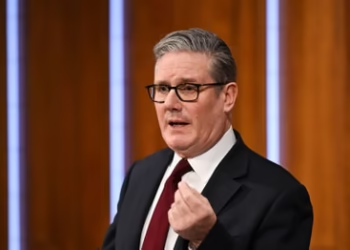
As Prime Minister Sir Keir Starmer prepares to meet with energy industry leaders this week to discuss the impact of the Strait of Hormuz blockade, the debate over VAT has become a central fault line in British politics. For the Conservatives, the three-year tax scrap is a centerpiece of their “Get Britain back on Track” manifesto, designed to present a clear alternative to Labour’s Net Zero transition. For the Government, maintaining the current VAT structure is seen as essential for funding the very clean energy projects they believe will eventually break the UK’s dependence on volatile fossil fuels. With inflation figures expected to fluctuate as the war continues, the battle over the “5% tax” is set to dominate the Westminster agenda for the remainder of the spring.
Related News:
 Reform Plans to Keep UK’s Budget Watchdog in Office
 Tories Call for Rethink of Parliament Revamp Plans
 Reeves Blocking Spending Boost for Defence
 Jenrick: I’ll Back OBR but There’ll Be No More Cosy Consensus
 Another U-turn Ahead as Labour Reconsiders Youth Minimum Wage
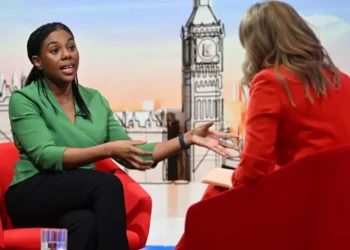 Badenoch Demands Energy Tax Cuts Over ‘Benefit Street’ Bailouts
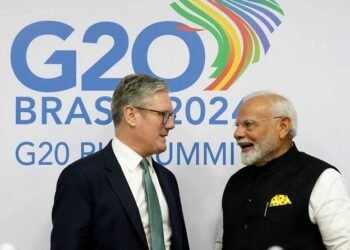 Modi’s London Visit Seals Historic UK-India Trade Pact Amid Global Tensions
 Britain’s Brain Drain: Why Young Workers Are Choosing Berlin Over London
 David Lammy Faces Possible Legal Challenge Over Foreign Office Secondment Scheme
 Grant Shapps Cleared to Join Defence Startup Despite Ethical Concerns
 Chancellor Rachel Reeves Pushes for Sweeping Changes to Environmental Protections to Accelerate Development
 Calls Grow to Suspend Boris Johnson’s £115,000 Allowance After Revelations From “Boris Files”
 Starmer Urged to Champion Workers’ Rights Amid Low Public Awareness
 Rachel Reeves Hosts Top UK and US Financial Executives as Trump’s State Visit Begins
 King Charles Earns Over £1 Million from Duchy Land Linked to Scrapped HS2 Project
 Gatwick Secures Approval for £2.2bn Second Runway Expansion
 Senior Tories Condemn Badenoch’s Vow to Repeal Climate Change Act as Catastrophic
 Kemi Badenoch Unveils ‘Golden Rule’ to Halve Spending Cuts for Deficit Reduction at Tory Conference
 Lucy Powell urged ministers to reconsider costly legal case for Labour donor’s firm
 Miliband Promises New Nuclear Stations if SNP Ousted
 Rachel Reeves to lead UK trade push in Saudi Arabia amid rights debate
 Trump’s UK Ambassador Urges North Sea Drilling to Strengthen US Ties
 Rachel Reeves Set to Break Labour Pledge and Raise Income Tax
 MPs Press Rachel Reeves to Hike Gambling Taxes
 Cuts to home insulation funding threaten UK climate goals
 Millionaires group urge Reeves to introduce wealth tax to ‘lift kids out of poverty’
 Canada Passes Carney’s First Budget in Tight Parliamentary Vote
 PM Highlights UK Business at G20 in South Africa
 English Mayors Set to Introduce Tourist Taxes
 India’s Labour Law Overhaul Sparks Fierce Debate
 Starmer Says Labour’s Economic Plan Needs Years to Deliver
 Top Senate Republican Says Federal Probe of Powell Could Challenge Fed Nominees
 Starmer links foreign trips to tackling cost of living crisis
 China Dependence Threatens UK Energy Supply Chains and Jobs
 MPs warn AI financial risks threaten UK stability
 MPs warn AI financial risks threaten UK stability
 Trump Fed bid heads to Supreme Court
 Labour Must Revive High Streets to Avoid Election Collapse
 UK food industry urges transition if post-Brexit rules reset
 AstraZeneca China Investment Signals Strategic Shift Abroad
 Barclays drops Global Counsel after Mandelson link scrutiny
 Could Manchester Lead the UK’s Economic Revival?
 Robert Jenrick to Be Unveiled as Reform UK’s Treasury Spokesman, Reports Say
 Live Markets Bet on Spring Rate Cut as Inflation Falls
 City Bets on Rate Cuts as Unemployment Soars
 Japan Braces as Takaichi Begins New Term with Huge Mandate for Low‑Tax, Ultra‑Conservative Agenda
 Sanders Condemns Billionaire ‘Greed’ in California Tax Debate
 Tim Wilson Backs RBA Dual Mandate Amid Inflation Debate
 UK Sees Record £30.4bn Budget Surplus, Boosting Reeves’ Position
 What Now for Asia After Trump’s Tariffs Were Struck Down?
 Ministers Urged to Ban Crypto Political Donations
 Reeves Must Back Defence Plan or Face Dismissal, Says Unite Chief
 OBR Reform Row Deepens Before Spring Forecast
 Labour’s Employment Shake‑Up ‘Makes Britain Worse Than France’
 Tim Wilson Sells Out Controversial Share Market Bet
 Venezuela and US to Work Together on Mining Developments, Rodríguez Says
 Nissan Sunderland Plant Faces Uncertain Future Under EU Rules
 Iran War Raises Questions Over China’s Global Plan
 Minister Visits Leonardo After £1bn Deal Secured
 Reeves Faces Triple Threat as Markets Reel From Global Turmoil
 Cost of Living Crisis Returns to Centre Stage
 Gulf Oil Shock Sends Global Economic Ripples
 Iran Rejects Ceasefire, Warns Trump With Chilling Message
 US Says 16 Iranian Mine Ships Destroyed in Hormuz
 Russia Seeks Gains as Iran War Reshapes Global Politics
 Labour Plans Nuclear Investment Summit Days After Holyrood Election
 US Launches Probe into Trading Partners Including EU, China, and India
 UK Fuel Tax Hike Plan to Be Kept Under Review Over Iran Conflict
 Wealthy Britons Flee Gulf War but Avoid UK Taxes
 UniCredit’s Bold Move to Reshape European Banking
 UK Avoids Wider Middle East Conflict, Vows Support
 Close Brothers to Axe 600 Jobs in £85m Cuts
 Sri Lanka Sets Weekly Shutdown to Save Fuel
 India’s $300bn Outsourcing Industry Faces AI Test
 UK Wage Growth Slows as Jobs Market Holds Firm
 Farage Faces Backlash Over Crypto Cameo Endorsements
 Verdant report: Doge of the Left could save £30bn
 Estate of Late Tycoon Mike Lynch to Pay £920m
 PM Seeks to Reassure Australians Over Fuel Supply
 Australia Halves Fuel Tax and Offers Free Transport Amid Crisis