Published: 30 March 2026. The English Chronicle Desk. The English Chronicle Online.
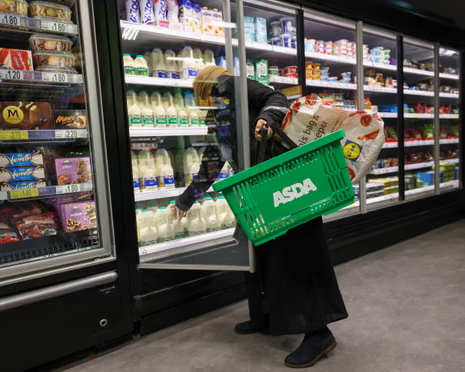
The festive echoes of the past year have faded into a cold and difficult spring. Britain now finds itself grappling with a sharp and sudden wave of economic anxiety today. Recent geopolitical shifts have cast a long shadow over the busy high streets of London. The escalating war in Iran has sent shockwaves through the global energy and food markets. Families across the United Kingdom are now feeling the immediate impact of these distant events. Half of all households currently report significant struggles with the cost of everyday essential goods. This crisis stems from a dramatic surge in the prices of oil and natural gas. Raw materials like crop fertilisers have also become much more expensive for our local farmers. These rising costs threaten to unleash a secondary cost of living shock on the public. Recent data from the Which? consumer tracker reveals a deeply troubling trend for the nation. Approximately fourteen million households are now forced to make difficult financial adjustments on daily basis. People are dipping into their modest savings or selling prized possessions to buy basic groceries. Others are turning to high interest credit cards or loans to cover their monthly bills. This shift suggests that the financial stability of the average person is rapidly eroding now.
The mood of the British public has soured significantly over the last several weeks. Confidence in the future of the UK economy plummeted by thirteen points this month alone. This decline brings the national sentiment to its lowest point since the end of 2022. The current economic score sits at a very bleak level of minus fifty-six points. This figure reflects a deep-seated pessimism that is spreading through every region of the country. Two-thirds of UK adults now expect the national economy to worsen during this year. Only a tiny fraction of the population believes that the situation will improve soon. This lack of hope creates a stagnant environment where consumer spending is likely to drop. People are understandably cautious about the future as they watch global headlines with great concern. The current level of despair has not yet reached the dark depths of 2020. During the global pandemic the economic confidence score hit a record low of minus seventy-eight. However the recent drop highlights a growing strain that feels much more permanent today. Millions of households continue to struggle despite previous hopes for a stable summer season. The safety nets that once protected middle class families are now starting to fail.

Savings were once viewed as a way to plan for the long term future. Today these funds have become a vital lifeline for a quarter of the population. One in four households must regularly use their savings to bridge a growing gap. Their monthly income no longer covers the rising price of bread, milk, and heating. This situation stands in stark contrast to the optimistic outlook seen late last year. Financial stress appeared to be declining as inflation briefly slowed down in late autumn. That brief moment of relief has been replaced by a much harsher reality this month. Confidence in household finances has fallen to its lowest level since last April now. The score for personal financial outlook has dropped five points to minus fifteen points. Many people feel that their hard work is no longer providing a comfortable life. The dream of home ownership or early retirement feels increasingly out of reach for many. Young professionals and elderly pensioners alike are expressing the same fears about their money.
The outlook for headline inflation in the UK has become much more worrying lately. Experts previously predicted that inflation would fall to the two percent target very shortly. Before the conflict began the rate was expected to stabilize and allow for growth. Unfortunately the war has forced the Bank of England to revise its official forecasts. The central bank now expects the inflation rate to rise toward four percent soon. This rate is likely to stay well above the target throughout the year 2026. Higher inflation means that the purchasing power of the pound will continue to shrink. Consumers will find that their wages do not go as far at the supermarket. This puts immense pressure on the government to provide more support for vulnerable citizens. The prospect of higher interest rates also looms over those with large monthly mortgages. Borrowing costs may stay elevated for much longer than anyone had originally anticipated today. This creates a cycle of debt that is very difficult for families to escape.
Sue Davies serves as the head of consumer protection policy at the Which? group. She noted that the research shows a very concerning shift in national consumer sentiment. Confidence in the economy is hitting a breaking point as global instability increases daily. The combination of rising prices and international war is proving to be quite daunting. Pressure on household budgets is becoming completely unsustainable for a large number of people. Many families are facing the choice between heating their homes or buying nutritious food. This is a choice that no one in a modern nation should face. Ms. Davies encourages anyone who is struggling to speak with their service providers immediately. Seeking free and independent debt advice can provide a way forward for those drowning. It is vital that people do not suffer in silence during these trying times. Professional guidance can help manage the burden of rising utility bills and loan payments.
The consumer group also stated that businesses must play a role in this crisis. Companies should be doing everything possible to help their loyal customers survive this period. Retailers and energy firms are being urged to keep their profit margins very slim. Fairness and responsibility are essential qualities for any business operating in the UK today. Large corporations have a moral duty to support the society that sustains their growth. If businesses ignore the plight of the consumer the entire economy will eventually suffer. A collaborative effort between the government and the private sector is now required urgently. Policy makers must consider new ways to shield the public from volatile global markets. There is a call for more investment in domestic energy sources to prevent future shocks. Reducing our reliance on foreign oil could provide more stability for the coming decade. Until such changes are made the British public remains vulnerable to international political events.
The sense of community across the UK is being tested by these economic trials. Neighbors are often sharing resources and advice to help each other through the month. Local food banks are reporting a significant increase in the number of new visitors. These stories of struggle are balanced by the resilience of the British people today. Even in times of great pessimism there is a spark of collective strength. People are finding creative ways to reduce their spending and support local independent shops. The warm and engaging spirit of the nation persists despite the difficult financial news. We must look out for the most vulnerable members of our society right now. Elderly residents and low income families require our utmost attention and care this spring. The road ahead looks challenging but the country has faced similar trials before today. Clear communication and honest reporting will help everyone understand the reality of the situation. We will continue to monitor the impact of the Iran war on our shores. The hope is that stability will return to the Middle East and the markets.
Related News:
 Reeves Faces Setback as Labour May Miss Homes Target
 Virgin Trains Moves Closer to Challenging Eurostar Monopoly
 Trump’s UK Ambassador Urges North Sea Drilling to Strengthen US Ties
 Ryanair Chief UK Economy ‘Doomed’ Under Labour
 M&S Profits More Than Halve After Cyber-Attack
 Earl of Yarmouth Faces £1.3m Legal Bill Over Family Estate
 Millionaires group urge Reeves to introduce wealth tax to ‘lift kids out of poverty’
 From Lego to Pokémon: How Adults Are Driving UK Toy Market Growth
 New laws to bolster UK’s defences against cyber attacks on NHS, transport and energy
 Canada Passes Carney’s First Budget in Tight Parliamentary Vote
 Starmer Says Labour’s Economic Plan Needs Years to Deliver
 Virgin Media Fined £23.8m Over Telecare Safety Failures
 Starmer Faces Parliamentary Battles Over UK-EU ‘Reset’ Plan
 Reeves Pub Business Rates U-Turn Calms Labour Revolt
 ScottishPower Tops List of Worst UK Energy Suppliers
 Markets Slide As Gold Rally Signals Risk From Trump Greenland Tariff Plan
 UK Eyes Global Investment with Visa Fee Refunds
 City & Guilds pay surge sparks backlash amid £22m cuts
 UK Inflation Hits 3.4% in December, Ending Five-Month Decline
 Trump Fed bid heads to Supreme Court
 ‘Black Tax’: Burden, Pride and Survival for African Workers
 AI job losses UK: Britain faces sharper employment shock
 India-EU Free Trade Deal Marks Historic Economic Shift
 Telstra AI jobs cuts as automation drive expands
 BT Names New Openreach Chief Amid Major Fibre Expansion
 UK Banks Plot Payment Backup Amid Trump Fears
 UK Unemployment Rate Climbs to 5.2% Peak
 UK shelves £110m border project amid trade strain
 Rachel Reeves Faces Middle East Conflict Test
 Grocery Inflation Rises Amid War Fears
 BrewDog sold Highland estate for knockdown price after abandoning reforestation plans
 UK Energy Reform Could Cut Bills by £200
 Rising Costs Force Families to Rethink Days Out
 Oil Slides, Stocks Jump on Trump Peace Signals
 UK inflation held at 3% before global energy price hit
 Ticketmaster Fees Rise Despite Recent US Junk Fee Crackdown
 Trump to Deploy “God Squad” Over Gulf Wildlife Protections
 Iran Drone Strike Hits Kuwaiti Oil Tanker in Dubai Port
 Trump Slams Europe as Transatlantic Tensions Boil Over
 Hospitality Sector Teeters on Brink as Costs Surge
 UK Small Firms Face Crisis as Energy Bills Double Amid War
 Oil Prices Surge as Trump Issues New Deadline to Iran
 City Firms See Sharpest Fortune Reversal in Thirty Years
 Markets Surge as Trump Agrees to Iran Ceasefire Terms
 Stefano Gabbana Resigns as Chair of Italian Luxury Giant
 Rolls-Royce SMR Secures £600m Boost for Nuclear Future
 IMF Warns Iran War Could Spark Deep Global Recession
 Trump Rate Cuts Risk ‘Banana Republic’ Status, Says Yellen
 Primark Set for Independence from ABF Food Giant
 Australia’s Economic Anxiety: Is a Recession Looming?
 Lords Demand Larger Fiscal Buffers for UK
 $13bn World Cup Set to Break All Revenue Records
 Trump approval plunges amid Iran war fears
 Heathrow Chair Seeks Peace to Save Third Runway
 Tough Fiscal Realities Await Next Scottish Government
 US Awaits Iran Reply on New Ceasefire Proposal
 Aramco Surges as East-West Pipeline Counters Gulf Tensions
 Big Tobacco Under Fire Over Controversial New Ad Campaign
 High Street Crisis: Fears Grow Over Post Office Closures
 UK Firms Freeze Spending as Iran Conflict Bites
 Summer Shock: British Energy Bills Set for Grim July Hike
 Reeves to Fast-Track Clean Energy Amid Iran Crisis
 Oil Markets Face ‘Red Zone’ Threat Amid Iran Crisis
 Belfast Approves Pilot Extension of Sunday Trading Hours
 Albanese Defends Tax Reforms Amid Emotional Speech
 Tube Strike Brings Capital to a Standstill Over Shift Disputes
 BP Stands Firm on Amanda Blanc Amid Boardroom Storm
 UK House Prices Drop For Third Month Due To War Fears
 Top Chefs Back Andy Burnham to Save UK Hospitality Sector
 GSK Secures Landmark $10.6bn Deal for Nuvalent
 UK Economy Suffers a Sharp Downturn as Iran Conflict Bites
 AI Scams Push UK Investment Fraud Past £220m
 Rethinking the Blueprint for Youth Employment in Britain
 Sainsbury’s Boss Optimistic As Grocery Inflation Eases
 UK Households Suffer Squeeze As Disposable Incomes Drop
 Creditors Eye Thames Water Even Under Nationalisation
 Record £28m Fine for Virgin Media Over Cancellation Woes
 Ukraine Creates Long-Range Strike Command
 BBC Faces Real Jeopardy as Licence Fee Income Declines
 Thames Water Future Remains Uncertain Amid Funding Crunch