Published: March 30, 2026. The English Chronicle Desk.
The English Chronicle Online—Providing trusted news and professional analysis for the UK and International Affairs.
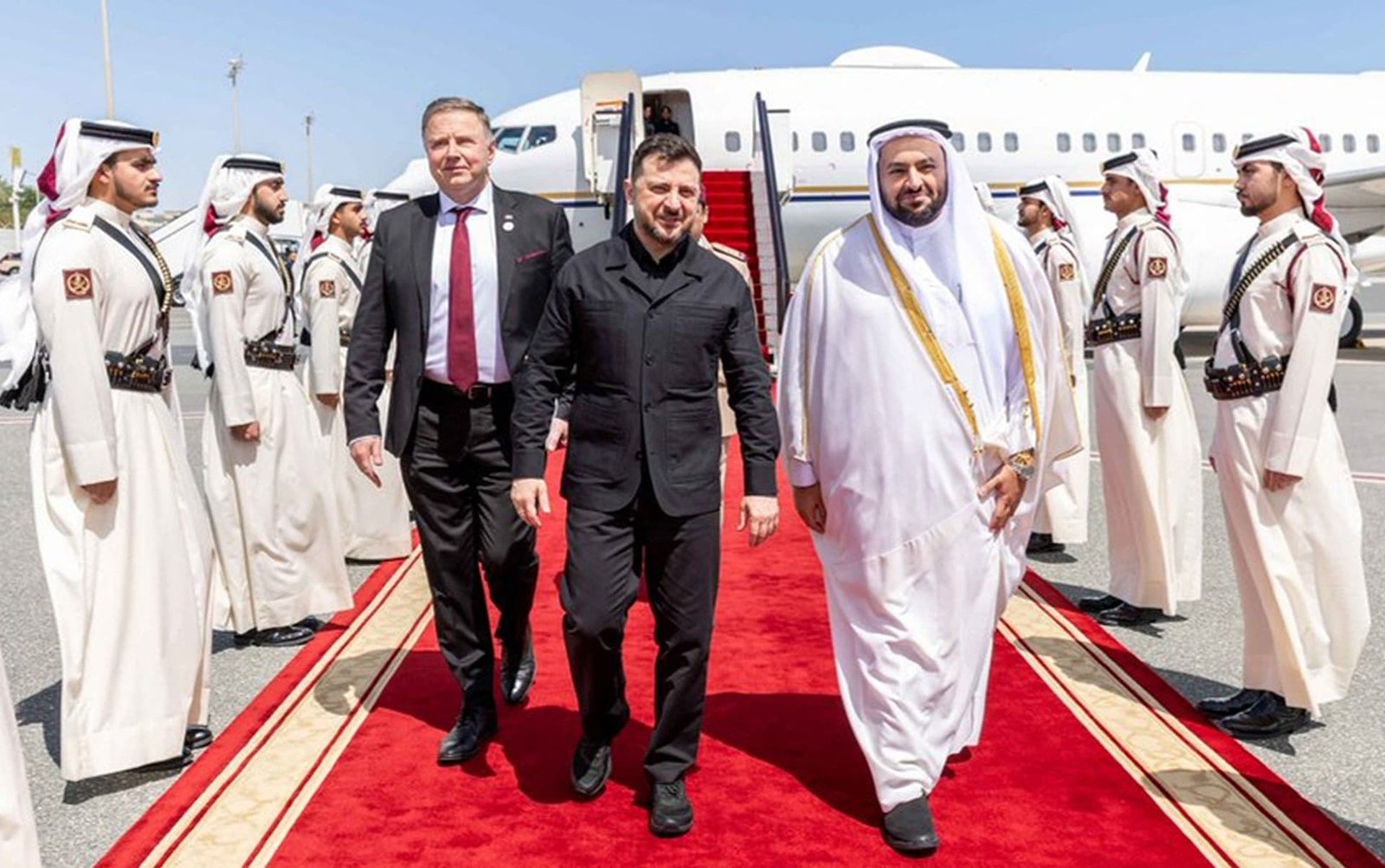
In a dramatic pivot that has caught the Kremlin off guard, President Volodymyr Zelensky has concluded a whirlwind tour of the Gulf, securing landmark 10-year defense partnerships with Saudi Arabia, Qatar, and the United Arab Emirates. The agreements, signed over the past 48 hours, represent a fundamental shift in Ukraine’s strategy as the war with Russia enters its fifth year. Faced with a potential “wobble” in U.S. military aid following President Trump’s recent diplomatic ultimatums, Kyiv is leveraging its hard-won expertise in drone warfare and air defense to turn the Gulf monarchies into a “southern shield” against Vladimir Putin. “If the West is tired, we must find those who are waking up,” a senior Ukrainian aide remarked in Doha.

The deal is built on a “blood-for-tech” swap. Ukraine is deploying over 200 of its elite anti-drone specialists and electronic warfare units to the Gulf to help defend critical energy infrastructure against Iranian-made drones—the very same “Shahed” models that have terrorized Ukrainian cities. In return, the Gulf states are committing billions in “strategic-level contracts” for the co-production of weapons, including the establishment of new drone factories on both Ukrainian and Gulf soil. Zelensky confirmed that the partnerships are not merely transactional but “existential,” designed to ensure Ukraine remains a global security contributor even as traditional Western stockpiles dwindle. “We aren’t just asking for help; we are providing it,” Zelensky told reporters, emphasizing that Ukrainian soldiers are already actively assisting the UAE in intercepting aerial attacks.
The move serves a dual purpose: securing long-term funding for Ukraine’s domestic arms industry and providing a vital energy lifeline. With the oil price at $116 and the Strait of Hormuz effectively shuttered by the escalating U.S.-Israeli conflict with Iran, Ukraine has secured a one-year diesel supply arrangement from its new partners to keep its tanks moving and its farms running through the 2026 harvest. This “energy-for-expertise” bargain is a direct hit to Putin’s hope that a global fuel crisis would eventually break Kyiv’s resolve. By embedding Ukrainian military tech into the security architecture of the world’s most powerful energy exporters, Zelensky is creating a “poison pill” for any future peace deal that might seek to isolate Ukraine from the global stage.

However, the “Gulf Gambit” is not without risk. By aligning so closely with Saudi Arabia and its neighbors during the regional war with Iran, Zelensky is treading a geopolitical tightrope that could alienate some of his remaining European allies who fear a wider escalation. Moscow has already expressed “annoyance” at the deals, with the Kremlin labeling the deployment of Ukrainian troops to the Middle East as “mercenary activity.” Yet, for a leader whose country is bracing for a renewed Russian spring offensive against the “Fortress Belt” in Donetsk, the choice is clear. As peace talks in Abu Dhabi loom on the horizon, Zelensky is no longer arriving as a supplicant, but as the commander of a “drone superpower” with the financial and military backing of the world’s most influential non-Western capitals.
Related News:
 Modi’s London Visit Seals Historic UK-India Trade Pact Amid Global Tensions
 Rubio Calls Russian Oil Imports a Strain on India-US Relations
 Rachel Reeves to lead UK trade push in Saudi Arabia amid rights debate
 Canada Passes Carney’s First Budget in Tight Parliamentary Vote
 India’s Labour Law Overhaul Sparks Fierce Debate
 Carney’s Alberta Pipeline Deal Sparks Immediate Pushback
 Austrian Airlines Halts Tehran Flights Amid Political Unrest
 Trump Administration Probe of Fed’s Powell Draws Pushback
 Mark Carney Walks Diplomatic Tightrope on China Visit
 ‘Repatriate the Gold’: Germany Debates Bringing Reserves Home
 Japan Braces as Takaichi Begins New Term with Huge Mandate for Low‑Tax, Ultra‑Conservative Agenda
 US Trade Deficit Hits Fresh High Despite Trump’s Tariffs
 What Now for Asia After Trump’s Tariffs Were Struck Down?
 Gulf Oil Shock Sends Global Economic Ripples
 Iran Rejects Ceasefire, Warns Trump With Chilling Message
 US Says 16 Iranian Mine Ships Destroyed in Hormuz
 Russia Seeks Gains as Iran War Reshapes Global Politics
 Trump Faces New Warning Signs as Iran War Hits Home
 PM Seeks to Reassure Australians Over Fuel Supply
 Reeves to Join Emergency G7 Meeting as Oil Hits $116
 UK Must Act with Courage and Clarity on Israel-Palestine Conflict, Says Foreign Affairs Committee Report
 Radioactive Leak at UK’s Nuclear Warhead Base Sparks Outcry Over Safety and Secrecy
 Hong Kong Summons UK and Australian Envoys Following Asylum Grants to Democracy Activists
 Is the UK Ready to Put Boots on the Ground in Ukraine? Assessing Military Capacity and Challenges
 Channel Crossings Surge: Over 1,000 People Arrive in the UK in Small Boats in a Single Day
 Widow of Charlie Kirk Forgives Killer at Emotional Memorial Service
 Yvette Cooper Signals Global Momentum Towards Gaza Peace Deal Amid Humanitarian Crisis
 Kemi Badenoch Unveils ‘Golden Rule’ to Halve Spending Cuts for Deficit Reduction at Tory Conference
 Russia’s Latest Push to Win US Favors Shows Deep Desperation
 Trump’s UK Ambassador Urges North Sea Drilling to Strengthen US Ties
BBC to Apologise Over Edited Trump Speech Amid Backlash
Trump’s UK Ambassador Urges North Sea Drilling to Strengthen US Ties
BBC to Apologise Over Edited Trump Speech Amid Backlash
 Britain deploys RAF specialists to assist Belgium with drone threats
 Millionaires group urge Reeves to introduce wealth tax to ‘lift kids out of poverty’
 Trump Urges Herzog to Grant Netanyahu Full Pardon
 Indian authorities demolish Kashmir home linked to Red Fort blast
 Greene Pushes Epstein Files Amid Trump Fallout
 December Run-Off in Chile as Election Produces No Winner
 Shadow Fleet at Sea: Europe’s Battle Against Illicit Oil Shipping
 India’s COP30 Delay Raises Global Climate Concerns
 Georgians Defy Government Crackdown After Year of Protests
 Starmer Says Labour’s Economic Plan Needs Years to Deliver
 Albanese Opens Door to Bondi Royal Commission Amid Rising Pressure
 EU weighs response amid Greenland tariff crisis with Trump
 EU Says US Ties Have Suffered ‘Big Blow’ After Greenland Crisis
 UK New Car Discounts Near £6,000 as Prices Are Slashed
 Israel Moves to Bar MSF From Gaza Operations
 Could Manchester Lead the UK’s Economic Revival?
 Australian Families Leave Syrian Camp for Home
 Starmer Weighs Fast-Tracking Defence Boost
 Nine Arrested in France Over Death of Far‑Right Student
 Australian PM Says Former Prince Andrew Has Suffered ‘Extraordinary Fall’ but That Won’t Prompt Republic Referendum
 Musk Cuts Starlink Access for Russian Forces – Giving Ukraine an Edge at the Front
 Farage Chagos Islands Row Sparks Fury
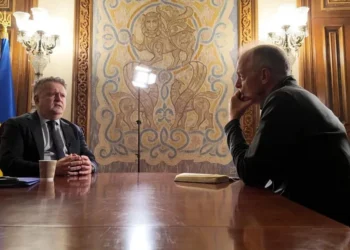 Ukraine Negotiator Reveals What It Feels Like Facing Russia
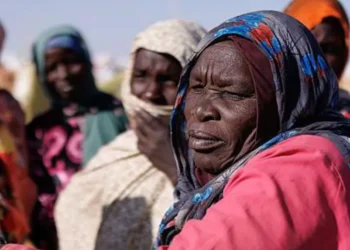 Chad Shuts Border With Sudan in Bid to Stop Conflict Spreading
 French Minister Moves to Block US Envoy Kushner from Government Access
 Bill Gates ‘Took Responsibility’ Over Epstein Ties in Staff Meeting, Foundation Says
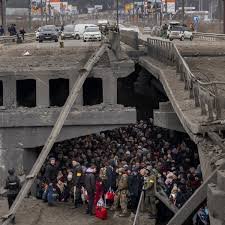 Has Europe truly learned from the failures of 2022?
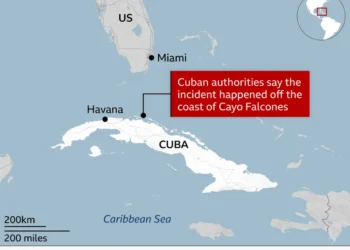 American Citizen Killed in Cuba Boat Shooting, U.S. Officials Say
 Iran’s Regime Still Intact — Coming Days Will Test Its Survival
 Trump Faces Questions Over Iran Conflict Plan
 Herzog Asio meeting sparks security storm
 Finland Plans to Lift Decades‑Old Ban on Hosting Nuclear Weapons
 Minister Meets Crews Who Will ‘Take Out’ Iranian Drones
 Oil Prices Surge Above $100 Amid Iran War
 Nine Days of Strikes Reshape the Middle East
 Trump Pressures Congress Over Save America Act
 Iran War Puts Trump at Political Risk Amid Rising Prices
 Iranian Football Squad Asylum Drama Shocks Australia
 Ukraine War Becomes Flashpoint in Hungarian Election
 Queensland Protest Laws Spark Free Speech Backlash
 Yvette Cooper: UK Must Follow Principles, Not US Pressure
 Trump Nato threats expose Iran strategy vacuum
 Trump’s Confidence Undimmed — But Every Iran Option Carries Risk
 Sri Lanka Sets Weekly Shutdown to Save Fuel
 Israel Says Iran Security Chief Larijani ‘Killed’
 Philippines energy emergency sparks coal power surge
 Trump Facing Backlash from Epstein Survivors Over Files
 UK Forces Ready to Seize Russian Shadow Fleet Vessels
 Trump Considers Military Operation to Seize Iran’s Uranium