Published: 31 March 2026. The English Chronicle Desk. The English Chronicle Online.
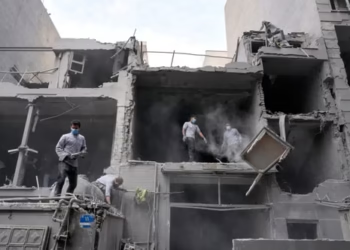
The global community remains on a knife edge as the Middle East conflict enters its second month today. US President Donald Trump has issued a chilling ultimatum to Tehran via his social media platform Truth Social recently. He threatened to obliterate the entire energy grid of Iran if a ceasefire is not reached very shortly. This warning specifically targets power stations and fresh water plants across the sovereign territory of the Iranian nation. Trump claimed that diplomatic progress is being made despite the ongoing and very intense military hostilities. He described the current leadership in Tehran as a more reasonable regime during his latest online post. However, the President insisted that the Strait of Hormuz must be reopened for international shipping immediately. Failure to comply would result in the destruction of oil wells and critical desalination infrastructure too. Legal experts note that targeting civilian infrastructure usually constitutes a grave violation of international humanitarian law. Such actions are often classified as war crimes because they cause disproportionate harm to innocent civilians.
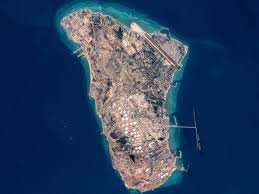
The White House press secretary Karoline Leavitt reinforced this aggressive stance during a briefing on Monday afternoon. She suggested that Arab nations should be responsible for funding the costs of the American war effort. This proposal adds a striking new dimension to the warfare currently unfolding across the Gulf region. Washington appears to be seeking to offload massive financial burdens onto neighboring states helping with mediation. Analysts believe this strategy could complicate the delicate peace talks currently being hosted by regional partners. Meanwhile, the President told the Financial Times that his true preference is to take the oil. This statement implies a potential ground operation to seize the strategically vital Kharg Island very soon. Nearly all Iranian oil exports pass through this terminal making it a primary target for US forces. Such a move would require a significant escalation of American boots on the ground in Iran. The rhetoric from Washington remains garbled as officials balance threats of total destruction with talk of peace.

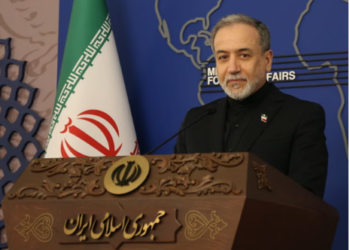
Tehran has remained defiant in the face of these mounting threats from the United States military. The Iranian foreign ministry spokesperson Esmail Baghaei acknowledged receiving a fifteen point peace proposal this past weekend. These terms were delivered following high level talks between Pakistan, Egypt, Saudi Arabia and Turkey recently. However, Baghaei described the American demands as excessive, unrealistic and entirely irrational for any sovereign nation. He clarified that no direct negotiations have taken place between Washington and Tehran during this conflict. Iranian parliamentary speaker Mohammad Bagher Ghalibaf also dismissed the ongoing diplomatic efforts in Islamabad as a ruse. He claimed the talks are merely a cover for deploying more American troops to the region. Ghalibaf warned that Iranian forces are ready to set any arriving American soldiers on fire immediately. This heated rhetoric highlights the deep animosity and lack of trust between the two warring sides. The risk of a full scale ground invasion continues to loom over the entire Middle East.
Human rights organizations have expressed deep concern over the threat to strike essential civilian power facilities. Erika Guevara-Rosas from Amnesty International stated that intentionally attacking such sites is generally prohibited under law. Power plants are essential for meeting the basic needs and livelihoods of tens of millions of people. Any attack causing such widespread civilian suffering would be considered a disproportionate act of modern warfare. Despite these warnings, some US officials have continued to sneer at the constraints of international law. Defence Secretary Pete Hegseth has maintained a bellicose tone throughout the duration of this joint war. The diplomatic ramifications of the conflict are now spreading far beyond the borders of the Middle East. Spain announced on Monday that its national airspace is now closed to all US military aircraft. This decision reflects growing international discomfort with the conduct of the war against the Iranian state. Many European allies are now distancing themselves from the aggressive policies of the Trump administration.
UK Prime Minister Keir Starmer has reiterated that Britain will not be dragged into this war. He emphasized that this is not a British conflict and urged for a swift diplomatic resolution. Egyptian President Abdel Fattah al-Sisi also made an unusually forceful intervention during a Cairo press conference. He pleaded with President Trump to use his influence to stop the fighting in the Gulf. Sisi warned that no one will be able to stop the flames if they spread further. The war is already threatening to plunge the global economy into a very deep recession. Significant shortages of food and essential pharmaceuticals are being reported in many vulnerable parts of the world. Oil prices have surged to almost one hundred and seventeen dollars per barrel in recent days. Brent crude is currently on track for its largest monthly gain in recorded financial history. The International Monetary Fund warned that all roads lead to higher prices and much slower growth. Global markets are reacting with extreme volatility to the prospect of a prolonged regional conflict.

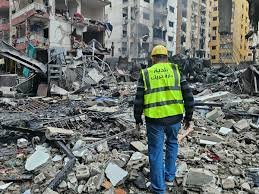
The Pentagon is reportedly preparing for several weeks of intensive ground operations within the borders of Iran. In response, Tehran has started calling for volunteers to join a life sacrificing operation known as Janfada. This move recalls the human wave assaults seen during the bloody Iran-Iraq war decades ago. Experts warn that a ground invasion would push the conflict toward a point of no return. Maziyar Ghiabi from the University of Exeter noted the high risk of a full regional war. Such a conflict would likely involve Yemen, Iraq, and Lebanon in a very destructive cycle. Lebanon is already experiencing a ground invasion by Israeli forces in the south of the country. The humanitarian and economic outcomes of such an escalation would be unpredictable and very long lasting. Fighting has already spread as Houthi rebels in Yemen fired missiles at Israel for the first time. The situation on the ground is becoming increasingly complex as multiple actors join the fray. Every new development seems to draw the world closer to a much larger conflagration.
The human cost of the conflict is rising daily as peacekeeping missions find themselves caught in the crossfire. The UN peacekeeping mission in Lebanon reported that two personnel were killed in a recent explosion. These Indonesian peacekeepers died when their vehicle was destroyed by a blast of unknown origin on Monday. This follows another deadly incident just twenty four hours earlier involving a projectile near a UN position. The UN interim force has launched a full investigation into these tragic deaths in southern Lebanon. Elsewhere, the Syrian military reported a large scale drone attack on its bases near the Iraqi border. It remains unclear who launched these drones, but the incident adds to the general regional chaos. Both Israel and the United States have launched fresh waves of strikes against targets inside Iran. Tehran responded by striking a critical water and electrical plant located in the nation of Kuwait. They also targeted an oil refinery in Israel to demonstrate their capability to hit back. The cycle of violence shows no signs of slowing down despite the international calls for peace.
Related News:
 UPS Cargo Plane Crash in Kentucky Kills Seven
 US private equity set to acquire UK online retailer Very Group
 Switzerland Rolls Out Charm Offensive to Cut Trump’s 39% Tariffs
 Canada Passes Carney’s First Budget in Tight Parliamentary Vote
 India’s Labour Law Overhaul Sparks Fierce Debate
 Carney’s Alberta Pipeline Deal Sparks Immediate Pushback
 Austrian Airlines Halts Tehran Flights Amid Political Unrest
 Mark Carney Walks Diplomatic Tightrope on China Visit
 Wall Street shaken by Trump tariff shock as markets tumble
 ‘Black Tax’: Burden, Pride and Survival for African Workers
 UK New Car Discounts Near £6,000 as Prices Are Slashed
 Coles Discounts Under Fire in Federal Court
 Trump Tower Gold Coast to Redefine Skyline
 Rory Amon Trial: Alleged Victim Speaks in Court
 Middle East Flights Halted After Iran Strikes
 Oil Prices Surge as Iran War Jolts Markets
 US Iran Operation: Sixth Service Member Killed
 Hezbollah Anger Erupts as War Returns to Beirut
 Tehran Makes New Threat to Gulf Shipping as US Says ‘Hardest Hits’ on Iran ‘Yet to Come’
 Gaza Siege Deepens as Iran War Escalates
 Limited Flights Leave UAE But Disruption Continues Amid Iran Strikes
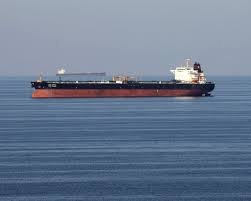 Gulf shipping crisis as war risk cover pulled
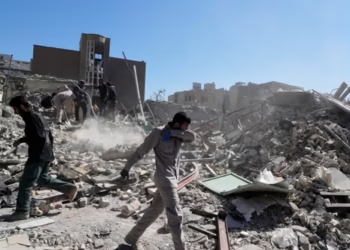 Riyadh Drone Attack Escalates Regional War
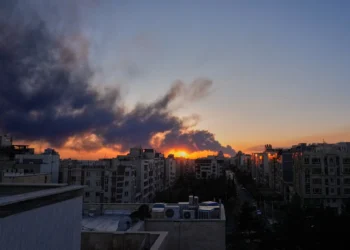 Middle East attacks intensify as Trump rejects Iran talks
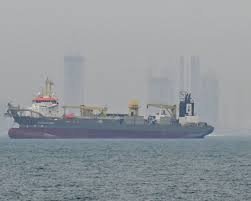 Global markets face turmoil as Hormuz crisis deepens
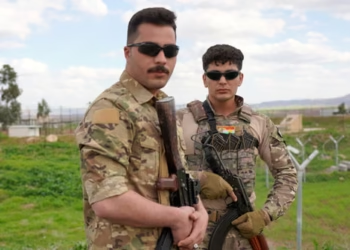 Iran-Iraq border airstrikes spark new tensions
 Gulf shipping crisis sparks food price fears
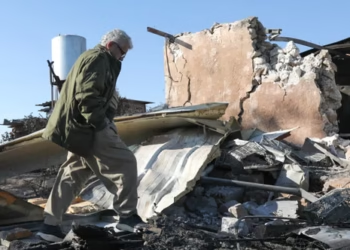 Iran-Iraq Border Strikes Spark New Front Fears
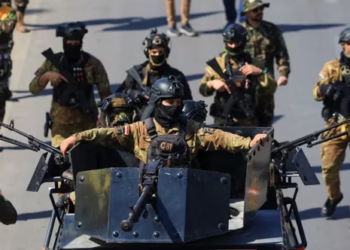 Iran-Backed Militias Escalate Attacks Across Middle East
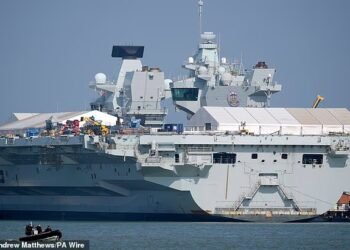 UK Prepares Aircraft Carrier for Middle East Crisis
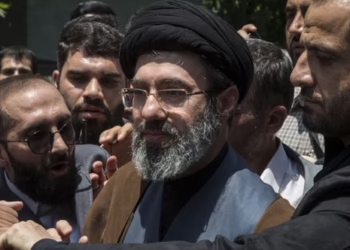 Mojtaba Khamenei Chosen as Iran’s New Supreme Leader
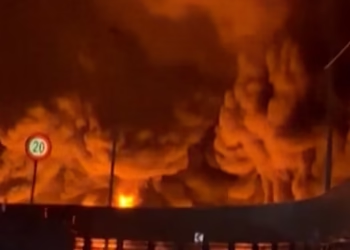 Tehran Oil Depot Strikes Darken City With Toxic Smoke
 Oil Prices Surge Above $100 Amid Iran War
 G7 Weighs Emergency Oil Reserves as Prices Surge
 Oil price passes $100 a barrel for first time since 2022, as Khamenei’s son named new Iranian leader
 Seventh US Service Member Killed in Iran Conflict Identified
 Mojtaba Khamenei Supporters Rally as Iranians Fear Repression
 Iran Rejects Ceasefire, Warns Trump With Chilling Message
 Tehran Strikes Mark War’s Most Devastating Night
 Iran Defiance Grows Amid US-Israel War Pressure
 Hormuz Crisis Sparks Global Oil Market Fears
 Iranian Exile Factions Seek US Backing for Iran’s Future
 US-Israeli Strategy Shifts to Plan B in Iran War
 Injured Mojtaba Khamenei Elevated as Iran Leader
 US Missile Strike on Iran School Sparks Global Shock
 Iran Gulf attacks escalate as ships and airports targeted
 Brazil Floods Warning as Scientists Urge Fossil Fuel Exit
 Iran Conflict: Trump’s Uncertain Path and Diplomatic Off-Ramp
 Ancient Heritage Sites Damaged in Recent Airstrikes
 Asia Scrambles to Confront Energy Crisis Amid Iran War
 Tehran Diary: Dark Days Under Relentless Bombardment
 British Tourist Charged Over Dubai Missile Strike Video
 Gaza Detainee Abuse: Israel Drops Charges Against Soldiers
 The Truth Behind Rising Energy Costs and Fossil Fuel Myths
 Trump Iran War Stance Hardens as Conflict Widens
 UniCredit’s Bold Move to Reshape European Banking
 Lebanon Ground Campaign Raises Occupation Fears
 Gulf Tensions Rise as Iran Alleges Covert Support
 Kabul hospital strike sparks deadly blame row
 RBA rate hike sparks fears amid global crisis
 UK Wage Growth Slows as Jobs Market Holds Firm
 Iran Threatens Total Destruction of Mideast Energy Grid
 Oil Slides, Stocks Jump on Trump Peace Signals
 ABC Staff Strike Over Pay and AI Concerns
 Ghalibaf Iran: Survivor Emerges in Shifting Power Game
 Middle East Conflict to Hit UK Economy Hardest
 Gulf Distrust Grows Over Rumoured US-Iran Peace Talks
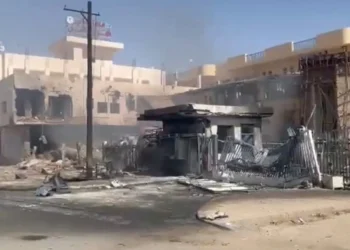 WHO Warns of Health Crisis Unfolding in Middle East
 Australian Growth Slows as Global Inflation Spike Looms
 Trump Faces New Warning Signs as Iran War Hits Home
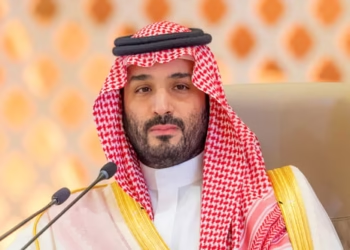 Saudi Arabia Urging US to Keep Up Iran Attacks
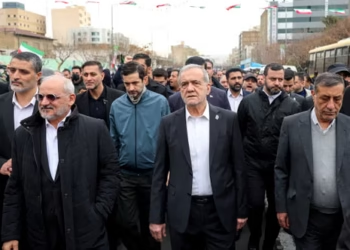 Iranian President’s Son Shares Wartime Hopes and Fears
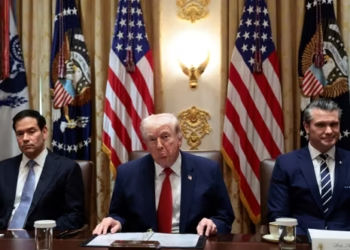 The Strategic Failure of Trump’s Conflict With Iran
 Iran Warns of US Ground Assault Amid Rising War Tension
 MAGA Anxiety and the Iran War: A Movement Divided at CPAC
 Trump to Deploy “God Squad” Over Gulf Wildlife Protections
 Trump’s UK Ambassador Urges North Sea Drilling to Strengthen US Ties
BBC to Apologise Over Edited Trump Speech Amid Backlash
Trump’s UK Ambassador Urges North Sea Drilling to Strengthen US Ties
BBC to Apologise Over Edited Trump Speech Amid Backlash
 Civilian Deaths in Iran Pass 700 Amid Fear of Bombs and Regime Clampdown
 Penny Wong silent on Australian crew in sub strike