Published: March 31, 2026. The English Chronicle Desk.
The English Chronicle Online—Providing trusted news and professional analysis for the UK and International Affairs.
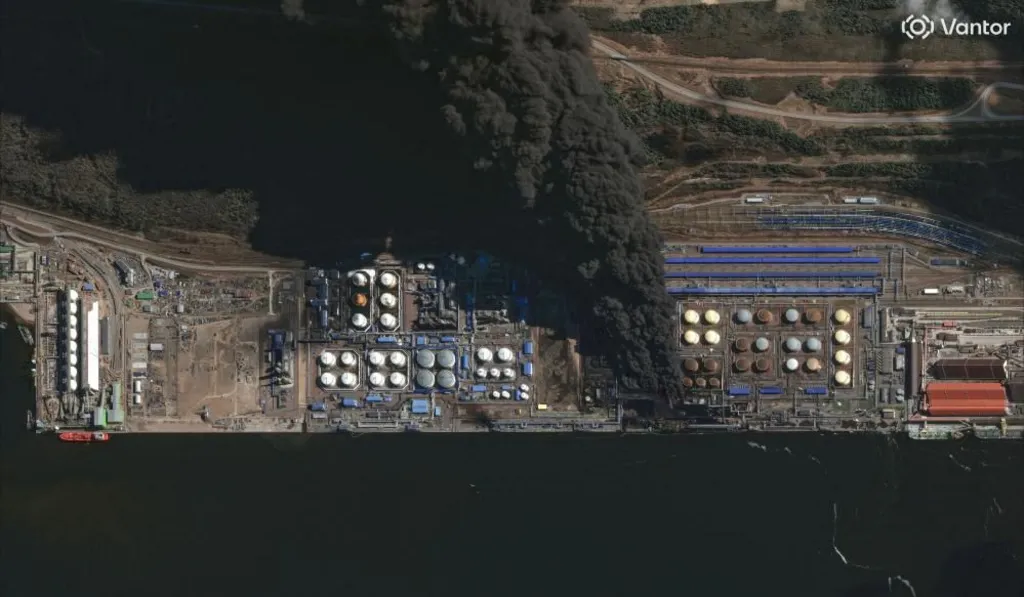
High-resolution satellite imagery released today has confirmed the devastating scale of a week-long Ukrainian drone campaign targeting Russia’s critical energy lifelines in the Baltic Sea. The images, captured by Planet Labs and intelligence firm Vantor, show enormous plumes of black smoke and skeletal remains of storage tanks at the ports of Ust-Luga and Primorsk, as well as the inland Kirishi refinery. According to BBC Verify and the Institute for the Study of War (ISW), at least 18 major storage tanks and several high-tech processing units have been destroyed or severely damaged. The strikes have effectively severed a cornerstone of the Kremlin’s economy, with the Centre for Research on Energy and Clean Air (CREA) reporting that for the first time since the 2022 invasion, not a single oil tanker was loaded at these three major Baltic ports for two consecutive days (March 26–27).

[Image: Satellite view of the Ust-Luga oil terminal showing several storage tanks engulfed in fire and thick black smoke]
The “Baltic Blitz,” which began on March 23 and continued through March 29, represents Ukraine’s most successful effort to date to de-fund the Russian war machine. The Ust-Luga and Primorsk terminals alone accounted for over 40% of Russia’s total oil exports in 2025. By striking these facilities—located over 800km (500 miles) from the Ukrainian border—Kyiv has demonstrated a sophisticated long-range capability that Russian air defenses have struggled to counter. In addition to the storage tanks, the Kirishi refinery—one of Russia’s three largest—suffered “surgical” damage to its hydrotreating and gas fractionation units, which are essential for producing the high-grade fuels required by the Russian military.
The timing of the strikes has sent shockwaves through global markets. With the oil price hitting $116 due to the escalating conflict in the Persian Gulf, the sudden removal of roughly 2 million barrels of Russian export capacity per day has tightened global supplies to their most restrictive levels in modern history. “This is a strategic decapitation of the Russian budget,” noted one energy analyst. “Ukraine isn’t just hitting tanks; they are hitting the specific ‘bottleneck’ infrastructure that takes months, if not years, to repair under current Western sanctions.” Major General Yevhen Khmara, head of Ukraine’s SBU, confirmed the intent behind the operation, stating that all oil facilities are now considered “legitimate military-industrial targets” that fund the aggression against Ukraine.

As the fires continue to burn—with NASA’s FIRMS heat-detection satellites showing active hotspots at Primorsk as recently as yesterday morning—the political fallout in Moscow is mounting. Russian military bloggers have been unusually vocal in their criticism, slamming the Ministry of Defence for failing to protect the Leningrad region’s “energy crown jewels.” While Governor Alexander Drozdenko claimed that the situation is “under control,” the persistent satellite evidence of smoldering ruins suggests otherwise. For President Zelenskyy, who recently signed orders commissioning thousands of long-range interceptor drones, the message is clear: if Ukraine’s energy grid remains a target, Russia’s oil revenue will continue to go up in smoke.
Related News:
 British AI Startup Outshines Human Forecasters in Global Prediction Contest
 UK New Car Discounts Near £6,000 as Prices Are Slashed
 The Chinese AI App Sending Hollywood Into a Panic
 Etsy Sells Second‑Hand Fashion App Depop to eBay for $1.2bn
 ABC Staff Strike Over Pay and AI Concerns
 Jim Ratcliffe’s £3.5bn Chemical Plant Delayed with Parts Stranded in the Gulf
 Modi’s London Visit Seals Historic UK-India Trade Pact Amid Global Tensions
 How to Exit Your Broadband Contract Without Paying Exit Fees
 China’s crackdown on civil servant perks sparks economic concerns
 Ed Davey Urges Government to Block Elon Musk’s Tesla from Supplying UK Home Energy
 Shein UK Faces Allegations of Shifting Majority of Profits to Singapore to Reduce UK Tax
 Apple Unveils Ultra-Thin $999 iPhone Air at “Awe-Dropping” Annual Event
 Merck Abandons £1bn London Research Hub and Cuts 125 Jobs in Blow to UK Life Sciences
 UK and US Forge Landmark Deals to Build Modular Nuclear Reactors Across Britain
 Big Pharma Investment Freeze Puts UK Life Sciences Sector Under Strain
 UK Could Generate Nearly £2bn Annually by Taxing SUVs, New Study Reveals
 Jaguar Land Rover Extends Production Halt Following Cyber-Attack
 UK Fighter Jet Purchase Could Breach Nuclear Treaty, Warns CND
 Google at 27: The Untold Story of Ruth Kedar, the Woman Behind the Iconic Logo
 Royal Mail Owner Acquires Stake in Collect+ and Launches High Street Rebrand
 Russia repeatedly targets UK military satellites, warns Space Command chief
 Cooper Unveils £4m Cyber Plan Against Russian Hackers
 China warns UK over delayed London mega embassy decision
 Experts Warn Russia’s Burevestnik Missile Could Destabilise Arms Control
 Virgin Trains Moves Closer to Challenging Eurostar Monopoly
 Britain deploys RAF specialists to assist Belgium with drone threats
 New laws to bolster UK’s defences against cyber attacks on NHS, transport and energy
 Hitler’s DNA Confirms He Truly Had Only One Testicle
 Pokémon to open world’s first theme park in Japan next year
 Canada Passes Carney’s First Budget in Tight Parliamentary Vote
 UK Taskforce Unveils Plan to Streamline Nuclear Reactor Rules
 India’s Labour Law Overhaul Sparks Fierce Debate
 US Clears Nvidia AI Chip Sales to China in Policy Shift
 MPs warn AI financial risks threaten UK stability
 MPs warn AI financial risks threaten UK stability
 Amazon mistakenly signals new global layoffs to employees
 BT Names New Openreach Chief Amid Major Fibre Expansion
 AI fears hit UK wealth and comparison sites
 Netflix and Paramount Are Battling for Warner Bros. — Who Is Likely to Win?
 Indian University Kicked Out of AI Summit for Claiming Chinese Robot Dog as Its Own Invention
 China Shows Off Nunchuck‑Wielding Humanoid Robots for Lunar New Year
 How Do You Modernise Mango Farming? India’s Growers Urged to Innovate as Climate Change Hits
 Live Nation Sees Strong Ticket Sales as Monopoly Lawsuit Looms
 ‘We’re Still on Edge’: Toy Firms Look to US Supreme Court as Tariffs Hit Profits
 Bill Gates Pulls Out of India’s AI Summit Over Epstein Files Controversy
 Musk Cuts Starlink Access for Russian Forces – Giving Ukraine an Edge at the Front
 AI Coding Firm’s ‘Pride’ at Business Award Win
 US Will Not Back Out of Tariff Deals with UK and Others, Says Trump Trade Representative
 Ukraine war briefing: Russia exporting more oil now than before war despite sanctions – report
 Bill Gates ‘Took Responsibility’ Over Epstein Ties in Staff Meeting, Foundation Says
 Social Media Trial: Woman Says Addiction Began at Six
Instagram Investigating AI Profiles ‘Fetishising’ Disabled People
Social Media Trial: Woman Says Addiction Began at Six
Instagram Investigating AI Profiles ‘Fetishising’ Disabled People
 Anthropic Boss Rejects Pentagon Demand to Drop AI Safeguards
 Why Asian Firms Are Not Cheering Trump Tariff Ruling
 Oil Prices Rise After Ships Attacked Near Strait of Hormuz
 Why Russia Controls Its People With a Flick of a Switch
 Limited Flights Leave UAE But Disruption Continues Amid Iran Strikes
 Bars Close and Hundreds Lose Jobs as US Firm Buys BrewDog in £33m Deal
 The US Now Has the Medicine for Cheap Swarming Drone Attacks
 Boy George Says He’s Using ChatGPT to Help Write New Songs
 Protesters Rally in San Francisco Against OpenAI Deal With Pentagon
 We Have More Privacy Controls Yet Less Privacy Than Ever — The Paradox of Digital Life
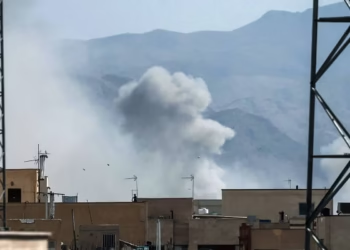 Study Says Only Two Nations May Survive Nuclear War
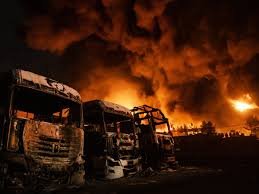 Oil Prices Surge Above $100 Amid Iran War
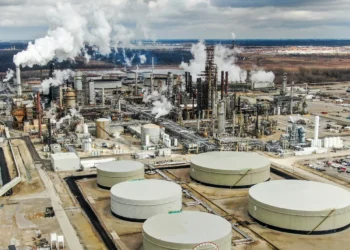 G7 Weighs Emergency Oil Reserves as Prices Surge
 Revealed: UK AI Push Faces Phantom Investment Claims
 Gulf Oil Shock Sends Global Economic Ripples
 Iran Rejects Ceasefire, Warns Trump With Chilling Message
 US Says 16 Iranian Mine Ships Destroyed in Hormuz
 Oil Price Jumps Despite Deal to Release Record Amount of Reserves
 Brazil Floods Warning as Scientists Urge Fossil Fuel Exit
 Tesla Enters British Energy Market Following Ofgem Approval
 UniCredit’s Bold Move to Reshape European Banking
 India’s $300bn Outsourcing Industry Faces AI Test
 UK Wage Growth Slows as Jobs Market Holds Firm
 UK Watchdog Probes Five Firms Over Fake Review Failings
 One Ant for $220: The New Frontier of Wildlife Trafficking
 Trump Considers Military Operation to Seize Iran’s Uranium
 Michel Rolland: The ‘Spielberg of Wine’ Who Directed the Global Palate
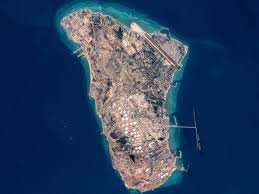 Trump Threatens Iran With Total Infrastructure Destruction