Published: March 31, 2026. The English Chronicle Desk.
The English Chronicle Online—Providing trusted news and professional analysis for the UK and International Affairs.
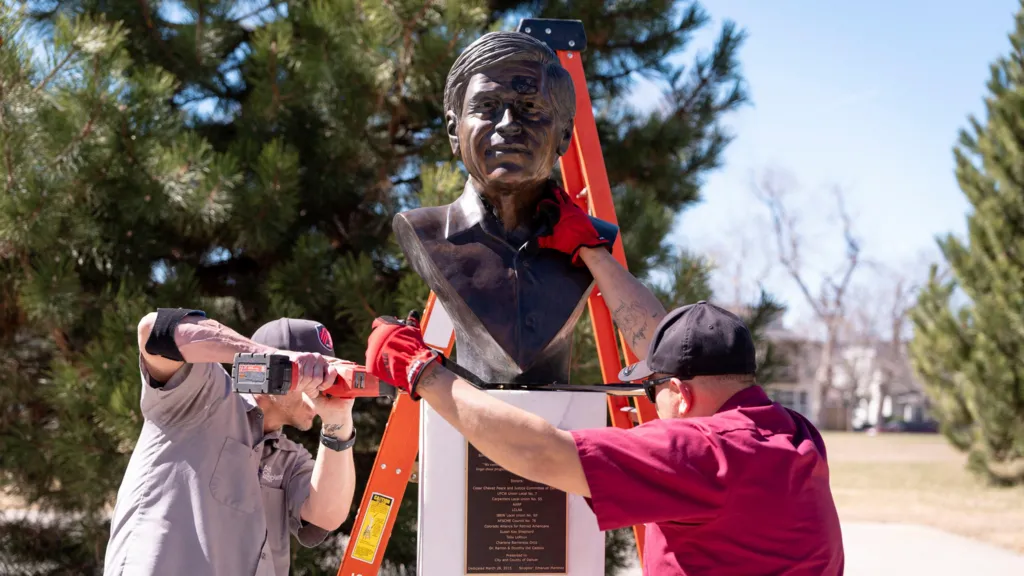
On the very day intended to celebrate his legacy, Cesar Chavez Day 2026 has been marked not by traditional parades, but by a profound and painful reckoning. Across California and the American Southwest, lawmakers and labor activists are grappling with newly surfaced sexual abuse allegations against the late United Farm Workers (UFW) co-founder. The claims, detailed in a series of investigative reports and sworn testimonies from former union members, allege a “culture of silence” that allowed for the exploitation of female farmworkers during the height of the labor movement in the 1970s.

The allegations have sent shockwaves through the progressive political establishment, where Chavez has long been revered as a secular saint of civil rights. Several women, now in their 70s and 80s, have come forward describing incidents of sexual harassment and assault, claiming that Chavez used his “absolute moral authority” to suppress dissent. “We fought for fair wages and dignity in the fields,” one survivor stated in a televised interview. “But for many of us, that dignity was stripped away behind closed doors by the very man leading the march.”
The fallout has reached the highest levels of state government. In Sacramento, a bipartisan group of lawmakers has introduced a “Legacy Review Act,” which would pause the expansion of state-funded monuments to Chavez pending a formal historical audit. While there is currently no majority support for the total abolition of the holiday, the debate has shifted toward “rebranding” the day to honor the broader Farmworker Movement rather than a single individual.
-
The Proponents of Change: Argue that continuing to center the holiday on Chavez is an affront to the “Me Too” era and a betrayal of the women who built the union.
-
The Traditionalists: Contend that Chavez’s monumental achievements in securing collective bargaining rights should not be erased, suggesting instead that the holiday be used for “honest education” about the complexities of leadership.
The timing of the scandal is particularly delicate for modern labor unions. As the oil price hits $116 and the “8 Million Dilemma” over disability and work benefits sparks national strikes, the UFW is attempting to organize a new generation of workers. Current UFW President Teresa Romero issued a statement acknowledging the “deep pain” caused by the reports. “We cannot build a future of justice on a foundation of hidden trauma,” Romero said. “Our commitment is to the workers of today, which means being unflinchingly honest about the failures of yesterday.”

As the Easter bank holiday and Ramadan observances conclude, the “Cesar Chavez Day” debate has become a focal point for the wider 2026 “statue wars.” From the smoldering ruins of the Baltic oil terminals to the halls of the California State Capitol, the question remains: can a movement survive the fall of its icon? For the survivors who have waited fifty years to speak their truth, the answer is clear—the movement was always about the people in the fields, not the man on the stage.
Related News:
 Suspect in Rhode Island Ice Hockey Shooting Killed Ex‑Wife and Son
 Inside Kyiv’s resolve as conflict nears five‑year mark
 What to Watch for During Trump’s State of the Union Address
 US Partially Evacuates Beirut Embassy Amid Rising Iran Tensions
 Two National Guard Soldiers Critically Injured Near White House
 American Mother Extradited From UK to U.S. on Murder Charges
 Russia losses Ukraine war peace talks intensify amid rising deaths
 Trump Taiwan China drills: US President Downplays Tensions
 US Cities Erupt in Protests Against Trump’s Venezuela Military Action
 Trump Escalates Minnesota Immigration Surge Amid Rising Tensions
 Trump Says US Must ‘Own’ Greenland to Block Russia, China
 Trump Weighs Response to Iran Crackdown as Tehran Says Communication Open With US
 Australia’s US Ambassador Rudd to Step Down Early
 US Clears Nvidia AI Chip Sales to China in Policy Shift
 Trump Threatens Strong Action If Iran Executes Protesters
 Trump Receives Machado’s Nobel Medal in White House Meeting
 Iran Cannot Be Bombed Into Democracy, Only Helped There
 Trump Aide Sparks Fury as Greenland Dispute Intensifies
 EU Says US Ties Have Suffered ‘Big Blow’ After Greenland Crisis
 Arizona border shooting leaves suspect hospitalised after agent pursuit
 Videos reveal earlier clash before Alex Pretti shooting
 ‘Painful Times’ as Melinda Gates Responds to Epstein Files
 Trump Praises ‘Terrific’ Petro After White House Talks
 Fears of New Arms Race as US-Russia Nuclear Weapons Treaty Expires
 US Military Says Two Killed in Strike on Alleged Drug Boat in Eastern Pacific
 US and Iran Hold Nuclear Talks as Trump Ramps Up Military Threats
 Venezuela’s Opposition Says Party Leader Kidnapped Hours After Being Freed
 Hindu Man’s Stand Sparks Hope in India
 Trump Says Iran Regime Change Is “Best Thing That Could Happen”
 Obama Slams Trump’s Racist ‘Ape’ Video Amid Backlash
 Actor Robert Duvall, Who Starred in The Godfather, Dies Aged 95
 US Civil Rights Leader Jesse Jackson Dies Aged 84
 ‘He Did It for Us’: US Soldier Recalls Jesse Jackson’s Efforts to Free Him and Two Other POWs
 Iran Says ‘Guiding Principles’ Agreed With US at Nuclear Talks
 Stephen Colbert Says CBS Spiked Interview With Democrat Over FCC Fears
 Moment Officers Rescue Injured Bald Eagle From Icy Hudson River
 Snow and Rain Warnings as Cold Snap Continues in the UK
 Eight Skiers Found Dead After California Avalanche
 US Urges Iran to Make Deal as Military Presence Rises
 Desperate Hunt for Breakthrough in Nancy Guthrie Case Turns to Mexico
 Revealed: The Billions Given to Charity by Ordinary Indians Every Year
 Epstein Eyed Record Label Investment to Access Women, Files Suggest
 Australian Presenter Apologises for Drinking Before Slurred Olympics Report
 US Will Not Back Out of Tariff Deals with UK and Others, Says Trump Trade Representative
 Who Was El Mencho, Mexico’s Most Wanted Man?
 ‘We Pray for Peace’: Indian Filmmaker From Troubled State Who Won a BAFTA
 Inside Atlanta’s Soul Food Revolution
 Threat of Further Violence Looms After Mexican Cartel Rampage
 Bill Gates ‘Took Responsibility’ Over Epstein Ties in Staff Meeting, Foundation Says
 US ‘Suitcase Murderer’ Deported From Bali After 11 Years in Jail
 American Citizen Killed in Cuba Boat Shooting, U.S. Officials Say
 ‘I Want to Find the Man Who Saved Us from Drowning’
 Hopes and Fears as US Iranians Take to Streets After Toppling of Supreme Leader
 Iran, the US, and a World Cup That Starts in Three Months
 Trump Faces Questions Over Iran Conflict Plan
 Did Trump Declare War and Did Congress Approve Iran Attacks? What to Know
 The US Now Has the Medicine for Cheap Swarming Drone Attacks
 Trump Underestimated the Iranian Regime’s Will to Survive
 U.S. Tells Citizens to Leave Israel Now as Regional Conflict Escalates
 US Senate Backs Trump War Powers Amid Iran Missile Barrage
 US Senate Vote Fails to Rein in Trump War Powers on Iran
 Travellers’ Mobile Home Burnt Down Overnight in Suspected Arson Attack
 Why Aren’t Our Dirtiest Roads Getting Cleaned?
 ‘Every Day Feels Like a Month’: Iranians Describe Life Under ‘Constant’ US‑Israeli Strikes
 Manchester Students Mourn Ayatollah Amid Protest
 Tears and Cheers as Controversial Long‑Running Australian Breakfast Radio Show Implodes
 My One-Hour Flight Transfer Left Me Facing 10 Days Stuck in a City Under Attack
 UK Prepares Aircraft Carrier for Middle East Crisis
 Pete Hegseth Iran War Remarks Spark Alarm
 Real Estate Brothers Convicted in Sex Trafficking Trial
 Trump Threatens Iran With ‘Twenty Times Harder’ Oil Strike
 Iran War Puts Trump at Political Risk Amid Rising Prices
 Iran Rejects Ceasefire, Warns Trump With Chilling Message
 Trump’s Confidence Undimmed — But Every Iran Option Carries Risk
 Missing Cuba-Bound Aid Ships Spark Urgent Search
 Horror in the Outback as Crocodile Kills World-Renowned Doctor
 I’ve Lived in a French Village for 35 Years. This is Why They are So Special.
 Michel Rolland: The ‘Spielberg of Wine’ Who Directed the Global Palate
 Status Quo Restored: Netanyahu Intervenes After Police Block Latin Patriarch from Holy Sepulchre
 ‘In Our Backyard’: FBI Labels Michigan Synagogue Attack as Hezbollah-Inspired Terrorism