Published: 01 April 2026. The English Chronicle Desk. The English Chronicle Online.
The geopolitical landscape shifted dramatically this Tuesday as Donald Trump unleashed a fierce verbal assault on European allies. He targeted nations refusing to support the ongoing military campaign against Iran with sharp, uncompromising rhetoric. This outburst signals a historic low in transatlantic relations as the conflict enters its second month. The global economy continues to reel from the spiralling violence and soaring energy costs worldwide. President Trump used his Truth Social platform to vent frustrations regarding the lack of support. He told European governments worried about fuel prices to go get their own oil. His comments suggested that allies should use force in the Gulf to secure resources. This inflammatory post caused immediate ripples through the global markets, sending oil prices higher again. Later that day, the president spoke to reporters about his military timeline for the region. He claimed that United States forces would end operations in Iran very soon indeed. Trump evoked a timeline of two to three weeks for a potential military withdrawal. This shift follows reports of new diplomatic talks between Washington and the Iranian authorities. The president also addressed the growing crisis surrounding the critical Strait of Hormuz waterway today. He stated that the responsibility for keeping the strait open rests with regional users. That is not for us, Trump remarked while distancing Washington from maritime security duties. White House Press Secretary Karoline Leavitt confirmed a major televised address is scheduled for tonight. She noted that the president will provide an important update on the Iran situation.
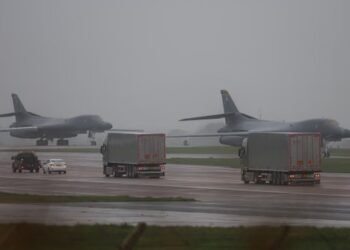
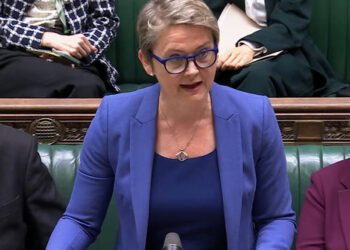
Evidence of a proactive European pushback against the war effort emerged clearly on Tuesday afternoon. France reportedly blocked Israeli planes from transporting military weapons through its sovereign national airspace today. Italy also refused last-minute permission for United States bombers to land at bases in Sicily. These moves indicate a growing fracture among traditional Western allies regarding the legality of war. Spain has already denied the use of its bases and airspace for the conflict. The Spanish defence minister stated that Madrid would not accept lectures from any outside powers. Meanwhile, the United Kingdom has allowed the use of its bases for the war. This comes despite the British government previously describing the current military intervention as illegal. Regardless of this cooperation, London has still received public admonishment from the American president today. Trump suggested that countries like the United Kingdom should simply buy American oil instead. He mocked nations struggling with jet fuel shortages due to the Strait of Hormuz. The president urged these allies to build up some delayed courage and take action. He suggested they should enter the strait and take the oil by force themselves. United States Secretary of Defence Pete Hegseth echoed these aggressive sentiments during a morning briefing. Hegseth called out the Royal Navy for its perceived lack of involvement in operations. He questioned why the British fleet was not prepared to step up in the Gulf.

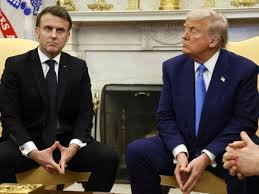
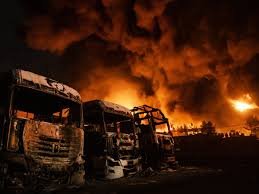
Military experts suggest that plans to control the strait by force are highly unrealistic. European countries have spent years trying to diversify their energy supplies with American crude oil. Trump also took specific aim at France for blocking military supplies headed toward the Israelis. He labelled the French government as very unhelpful in a series of online posts today. The office of President Emmanuel Macron expressed surprise at the sudden social media attack. French officials stated that Paris has not changed its position since the war began. Global frustration with the economic fallout of the conflict is reaching a breaking point. The Irish Taoiseach Micheál Martin described the current oil supply shock as the worst ever. Average gas prices in the United States have now passed four dollars per gallon. This marks the first time prices have hit this level in over four years. Trump now faces a domestic backlash to a conflict he cannot easily resolve now. Washington claims to be negotiating hard to reach a deal with the Iranian regime. However, Tehran has remained lukewarm toward these diplomatic overtures during the current existential fight. Iranian President Masoud Pezeshkian said Iran has the necessary will to end the war. He insisted that essential conditions must be met to ensure the conflict never repeats. Brent crude prices dropped below one hundred and four dollars a barrel on this news. Markets rallied slightly on the outside potential for a negotiated end to the fighting.
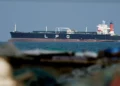
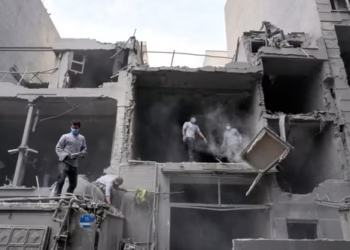
Trump told news outlets that the war was coming to a natural end today. He did not specify how this resolution would be achieved in the coming weeks. Meanwhile, reports of fresh explosions emerged from the Saudi Arabian capital of Riyadh today. Tehran reportedly attacked a fully loaded Kuwaiti oil tanker within the volatile Gulf waters. United States strikes also hit the city of Isfahan near a main nuclear site. A massive fireball was seen rising into the sky following the heavy aerial bombardment. The Pentagon announced the deployment of B-52 bombers to strike various targets across Iran. This indicates a level of air superiority that allows for safe long-range operations today. The conflict has already claimed the lives of more than three thousand people so far. International governments remain focused on the severe economic shocks and high global inflation rates. Trump has been openly upset with the closure of the Strait of Hormuz lately. This closure was widely predicted by analysts before the all-out assault on Tehran began. Pope Leo XIV expressed his public hope that the conflict would end this weekend. He noted that he had heard the president wants to find an exit strategy. The pontiff called on world leaders to reduce the amount of violence immediately today. He prayed for peace to reign in hearts during the upcoming Easter holiday season. This follows a rebuke where he suggested God ignores prayers from leaders with blood.
Pakistan and China have released a joint five-part plan to negotiate a final peace. This proposal aims to reopen the Strait of Hormuz to international shipping traffic soon. It remains unclear if this plan is linked to recent American diplomatic messaging efforts. Trump warned that the United States might broaden its offensive if no ceasefire happens. He threatened to obliterate Iranian power stations and fresh water plants in future strikes. Legal scholars warned that such attacks on civilian infrastructure would constitute serious war crimes. As the war in Iran continues, Israel has stepped up its offensive in Lebanon. The Israeli defence minister announced plans to permanently occupy a swathe of southern Lebanon. Forces will maintain control over the entire area up to the Litani River soon. Israeli troops are expected to stay even after the war with Hezbollah militants ends. Officials stated that Lebanese people would be blocked from returning to their original homes. Arab villages near the frontier may be demolished in a move echoing Gaza. European powers are beginning to take more effective measures to hold back these attacks. The Spanish defence minister noted that two countries cannot decide rules for the world. She stated that Spain feels no obligation to join a war lacking clear objectives. Reports from Italy suggest that fraying nerves are impacting even the most stalwart allies. Rome dismissed the rejection of American bombers as a simple procedural and legal issue. The Italian prime minister insisted that relations with Washington remain solid and very loyal. However, the refusal to allow landings suggests a deepening concern over the regional war. The global community remains on edge as the deadline for Trump’s promised end approaches. Every nation is watching the Gulf as the threat of further escalation looms large. The coming days will determine if diplomacy can finally silence the guns in Iran. For now, the world waits for the president to address his uneasy global partners.
Related News:
 Canada-China trade gains momentum in new strategic partnership
 India-EU Free Trade Deal Marks Historic Economic Shift
 Keir Starmer meets Xi to strengthen UK-China economic relations
 UK Experts Raise Alarm Over Machinery Export to Armenian Firm
 Caffè Nero Warns Coffee Prices May Rise Again
 Ukraine war briefing: Zelenskyy offers help to Saudi Crown prince on combatting Iranian drones
 Ukraine Sends Drone Experts to Defend US Bases in Jordan
 Abramovich Chelsea Sale Cash Faces Jersey Probe
 Stocks rise as Trump offers Iran peace plan
 Saudi Arabia Urging US to Keep Up Iran Attacks
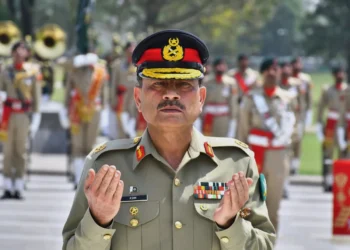 Diplomacy on the Brink: Pakistan’s Risky Peace Mission
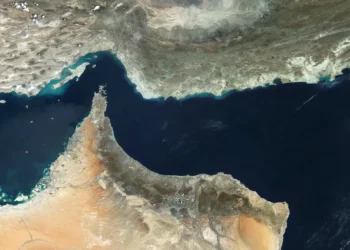 US Military Weighs Perilous Moves to Reopen Hormuz
 Trump Threatens Iran With Total Infrastructure Destruction
 IMF Predicts Global Economic Crisis Due to Gulf Unrest
 Manila Transport Crisis: Fuel Costs Hit Breaking Point
 Iran Drone Strike Hits Kuwaiti Oil Tanker in Dubai Port
 Reeves Faces Setback as Labour May Miss Homes Target
 Virgin Trains Moves Closer to Challenging Eurostar Monopoly
 Trump’s UK Ambassador Urges North Sea Drilling to Strengthen US Ties
 Ryanair Chief UK Economy ‘Doomed’ Under Labour
 M&S Profits More Than Halve After Cyber-Attack
 Tony Blair think tank warns Rachel Reeves must cut taxes if manifesto broken
 Earl of Yarmouth Faces £1.3m Legal Bill Over Family Estate
 Millionaires group urge Reeves to introduce wealth tax to ‘lift kids out of poverty’
 From Lego to Pokémon: How Adults Are Driving UK Toy Market Growth
 New laws to bolster UK’s defences against cyber attacks on NHS, transport and energy
 Skims Eyes Global Expansion After Reaching $5 Billion Value
 Canada Passes Carney’s First Budget in Tight Parliamentary Vote
 Starmer Says Labour’s Economic Plan Needs Years to Deliver
 Virgin Media Fined £23.8m Over Telecare Safety Failures
 Rising Water Bills Lift Troubled Thames Back to Profit
 FTSE 100 Hits 10,000: UK Market Celebrates Record Year
 UK House Prices Fall Sharply at Year-End, Nationwide Reports
 Saudi Officials Report Zubaidi Flee Before Yemen Peace Talks
 UK Targets in New York Bomb Threat Hoax: Man Jailed
 Gambia Supreme Court Hears Case to Overturn FGM Ban
 Wessex Water chiefs receive £50,000 extra despite government bonus ban
 Trump targets Iran trade with 25% tariff warning
 US Senate rejects resolution limiting Trump military powers
 Gulf states warn Trump Iran strikes risk wider Middle East war
 Machado Trump medal gesture reshapes Venezuela power struggle
 Geopolitical football: Iran, Trump and the World Cup clash
 Syria President Declares Victory as Ceasefire Reached with SDF
MPs warn AI financial risks threaten UK stability
Syria President Declares Victory as Ceasefire Reached with SDF
MPs warn AI financial risks threaten UK stability
 Shinzo Abe’s killer receives life sentence in Japan
 China General Under Investigation Amid Leadership Purge
 Philippines ferry disaster leaves 15 dead, dozens missing
 US Dollar Hits Four-Year Low Amid Market Turmoil
 Amazon mistakenly signals new global layoffs to employees
 Households in England Face Rising Water Bills in April
 UK New Car Discounts Near £6,000 as Prices Are Slashed
 Cambridge Faces Scrutiny Over Arms Investment Transparency
 Telstra AI jobs cuts as automation drive expands
 BT Names New Openreach Chief Amid Major Fibre Expansion
 Concerns rise for Canberra boy amid Iran detention fears
 Iran Says ‘Guiding Principles’ Agreed With US at Nuclear Talks
 Glencore Approves $2bn Payout Despite Profit Slump
 Uncertainties Loom for Businesses and Consumers After Trump’s Tariff Changes
 UK Job Vacancies Hit Five-Year Pandemic Low
 Trump’s new tariff takes effect at lower than expected rate
 UK Youth Unemployment Surges Amid Tax Changes
 Strong Rebound for UK Housing Market Sees 6% More Homes
 Switching Energy Deal Can Save £200 as Price Cap Falls
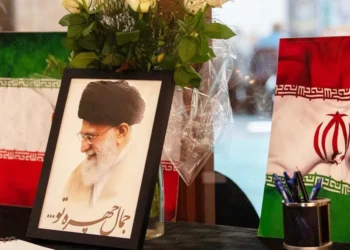 Months of Planning Behind US‑Israeli Mission to Target Iran’s Supreme Leader
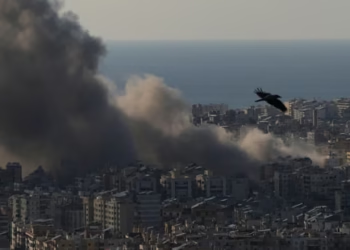 US Iran Operation: Sixth Service Member Killed
 Limited Flights Leave UAE But Disruption Continues Amid Iran Strikes
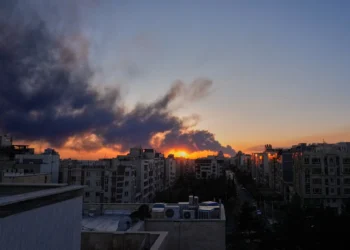 Middle East attacks intensify as Trump rejects Iran talks
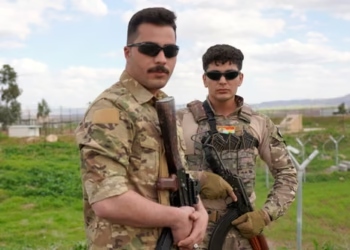 Iran-Iraq border airstrikes spark new tensions
 Thousands Protest Iran Strikes Outside US Embassy London
 US Bombers Arrive at RAF Base Amid Rising Iran Tensions
 Oil Prices Surge Above $100 Amid Iran War
 Yvette Cooper: UK Must Follow Principles, Not US Pressure
 Trump Iran War Stance Hardens as Conflict Widens
 UniCredit’s Bold Move to Reshape European Banking
 UK Wage Growth Slows as Jobs Market Holds Firm
 Charity Watchdog Takes Control of Learning Disability Care Home
 Jury Rules Meta and YouTube Liable for Addictive Design
 The Woman Guarding Earth From the Threat of Asteroids
 Exiled Tycoon Warns of New Russian Attacks on UK Soil
 LA 2028: Millions of Affordable Olympic Tickets Announced