Published: April 1, 2026. The English Chronicle Desk.
The English Chronicle Online—Providing trusted news and professional analysis for the UK and International Affairs.
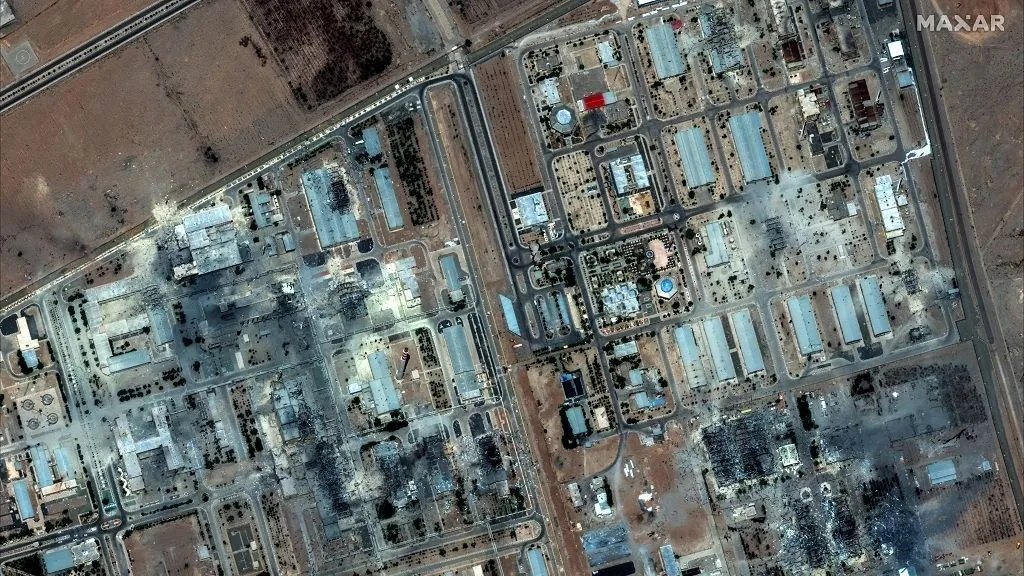
As Operation Epic Fury enters its second month, the Trump administration is reportedly weighing what military analysts call the “most dangerous special operations mission in American history”: a ground incursion to seize or neutralize Iran’s stockpile of 60% enriched uranium. Following the massive aerial strikes of late February, which decapitated much of Iran’s conventional command structure, the “Nuclear Endgame” has moved to the forefront of White House planning. However, experts warn that the transition from “bombing” to “booting” on Iranian soil carries a logistical and environmental risk profile where, as one senior Pentagon official put it, “a million things could go wrong, and most of them end in catastrophe.“

The target of this potential mission is approximately 440 kilograms of highly enriched uranium (HEU)—enough for an estimated ten nuclear devices—currently believed to be entombed within the bombed-out tunnel complexes of Isfahan and the hardened depths of Natanz. While the June 2025 and February 2026 airstrikes rendered these facilities inoperable, the material itself remains intact beneath hundreds of tons of radioactive debris.
The ‘Largest Special Ops’ in History
Retired Admiral James Stavridis and other security experts suggest that a seizure operation would require an unprecedented force of over 1,000 personnel, including Delta Force operators, Army Rangers, and specialized nuclear engineering teams.
-
The Excavation Nightmare: Unlike the surgical raid that killed Osama bin Laden, this mission would require heavy machinery to dig through reinforced concrete and twisted steel. “This isn’t a ‘snatch and grab,‘” noted a CBS national security analyst. “It’s a multi-day mining operation in a war zone.“
-
The Decoy Trap: Intelligence suggests Iran has mixed hundreds of decoy canisters among the real HEU tanks. Determining which steel cylinders contain the $200 million fissile material and which are filled with lead or “dirty” waste would require on-site laboratory testing under fire.
-
The ‘Makeshift’ Airfield: To extract the heavy canisters, the U.S. would likely need to build a temporary landing strip in the Iranian interior to accommodate C-17 Globemaster transports, creating a static, high-value target for Iran’s remaining drone and missile swarms.
The Toxic ‘Invisible’ Threat
Beyond the tactical risks of IEDs and booby-trapped tunnels, the material itself is a chemical time bomb. Much of the stockpile is stored as uranium hexafluoride (UF6), a volatile gas.
-
Chemical Contamination: If a canister is breached—whether by a stray bullet, a booby trap, or a desperate “scorched earth” demolition by retreating Iranian guards—the UF6 reacts with air to form hydrofluoric acid, a highly toxic gas that can cause lethal lung damage to anyone not in full HAZMAT gear.
-
Environmental Fallout: Attempting to destroy the material in situ rather than removing it could result in widespread radioactive contamination of the Isfahan province, potentially affecting millions of civilians and creating a “dead zone” that would haunt the region for decades.
The ‘Loose Nuke’ Paradox
The ultimate risk, however, is political. The International Atomic Energy Agency (IAEA) has warned that a U.S. seizure would permanently end any hope of a verified accounting of Iran’s nuclear history. Furthermore, if the central government in Tehran continues to fracture under the weight of the $116 oil price and military losses, the “seizure window” is closing. “If we don’t get in there now, we risk the ‘loose nuke’ scenario,” a CSIS analyst warned. “Where this material doesn’t go to Washington, but to the highest bidder on the black market.“

As of April 1, President Trump has publicly played down the plan, telling reporters, “We’re not focused on that.” But with the 82nd Airborne reportedly positioning assets in the region and the “four-to-six week” war clock ticking toward its deadline, the “Million Things” of the Iranian nuclear stockpile may soon be the only things that matter.
Related News:
 Indian University Kicked Out of AI Summit for Claiming Chinese Robot Dog as Its Own Invention
 British AI Startup Outshines Human Forecasters in Global Prediction Contest
 UK Fighter Jet Purchase Could Breach Nuclear Treaty, Warns CND
 Google at 27: The Untold Story of Ruth Kedar, the Woman Behind the Iconic Logo
 Russia repeatedly targets UK military satellites, warns Space Command chief
 Cooper Unveils £4m Cyber Plan Against Russian Hackers
 Experts Warn Russia’s Burevestnik Missile Could Destabilise Arms Control
 Britain deploys RAF specialists to assist Belgium with drone threats
 Hitler’s DNA Confirms He Truly Had Only One Testicle
 Pokémon to open world’s first theme park in Japan next year
 Poll Reveals China Leads World in Trusting AI Technology
 EU Weakens as Trump Targets Venezuela and Greenland
 Indonesia blocks Grok chatbot over sexual content risk
 US Citizens Warned to Venezuela Flee Amid Paramilitary Threats
 US Clears Nvidia AI Chip Sales to China in Policy Shift
 Gulf states warn Trump Iran strikes risk wider Middle East war
 Machado Trump medal gesture reshapes Venezuela power struggle
 Greenland defence seen as shared Nato duty amid troop arrivals
 Trump Receives Machado’s Nobel Medal in White House Meeting
 Iran Signals Permanent Break From Global Internet, Activists Warn
 Syria President Declares Victory as Ceasefire Reached with SDF
 US Considers Asylum for British Jews Amid Rising Antisemitism
 Russia Strikes Kyiv and Kharkiv as Peace Talks Enter Day Two
 UK New Car Discounts Near £6,000 as Prices Are Slashed
 Emails Show Epstein Funded Mandelson’s Husband After Jail
 Fears of New Arms Race as US-Russia Nuclear Weapons Treaty Expires
 US Military Says Two Killed in Strike on Alleged Drug Boat in Eastern Pacific
 Venezuela’s Opposition Says Party Leader Kidnapped Hours After Being Freed
 Christchurch Shooter Seeks to Overturn Guilty Plea in Appeals Court
 Iran Says ‘Guiding Principles’ Agreed With US at Nuclear Talks
 Ukraine Peace Talks End in Acrimony After Two Hours
 China Shows Off Nunchuck‑Wielding Humanoid Robots for Lunar New Year
 India Sentences Three Men to Death for Attack on Israeli Tourist and Hosts
 The Chinese AI App Sending Hollywood Into a Panic
 UK Has Not Given US Permission to Use RAF Bases for Iran Strikes
 How Do You Modernise Mango Farming? India’s Growers Urged to Innovate as Climate Change Hits
 Bill Gates Pulls Out of India’s AI Summit Over Epstein Files Controversy
 Zuckerberg Defends Meta in Landmark Social Media Addiction Trial
 Musk Cuts Starlink Access for Russian Forces – Giving Ukraine an Edge at the Front
 Drugs, Denial, Stigma: Fiji’s HIV Crisis Hits Children
 Four Killed on US-Registered Speedboat Were Cuban Nationals, Cuba Says
 US ‘Suitcase Murderer’ Deported From Bali After 11 Years in Jail
 Social Media Trial: Woman Says Addiction Began at Six
 Instagram Investigating AI Profiles ‘Fetishising’ Disabled People
 Anthropic Boss Rejects Pentagon Demand to Drop AI Safeguards
 Why Asian Firms Are Not Cheering Trump Tariff Ruling
 Why Asian Firms Are Not Cheering Trump Tariff Ruling
 Months of Planning Behind US‑Israeli Mission to Target Iran’s Supreme Leader
 UK Will Allow US to Use Bases to Strike Iranian Missile Sites, PM Says
 Why Russia Controls Its People With a Flick of a Switch
 Cooper: Joining US Strikes on Iran ‘Not in Britain’s Interest’
 What Khamenei’s Death Means for Russia and China
 Israel Launches Fresh Strikes on Tehran & Beirut; US Warns “Hardest Hits” Ahead
 Carney to Push His Middle Power Strategy During Australia Visit
 The US Now Has the Medicine for Cheap Swarming Drone Attacks
 Boy George Says He’s Using ChatGPT to Help Write New Songs
 Global Order Is ‘Breaking Down’, Carney Tells Australian Parliament
 Protesters Rally in San Francisco Against OpenAI Deal With Pentagon
 We Have More Privacy Controls Yet Less Privacy Than Ever — The Paradox of Digital Life
 Regulator Contacts Meta Over Workers Watching Intimate AI Glasses Videos
 Azerbaijan Promises Retaliation After Iranian Drone Hits Airport
 Study Says Only Two Nations May Survive Nuclear War
 Yvette Cooper: UK Must Follow Principles, Not US Pressure
 Wary Allies Signal No Easy Path in Iran Crisis
 Saudi Arabia Urging US to Keep Up Iran Attacks
 One Ant for $220: The New Frontier of Wildlife Trafficking
 How and When to See April’s Full Pink Moon
 Trump Considers Military Operation to Seize Iran’s Uranium
 The Woman Guarding Earth From the Threat of Asteroids
 Jim Ratcliffe’s £3.5bn Chemical Plant Delayed with Parts Stranded in the Gulf
 Washington Enlists Musk to Battle Global Hostility Online
 California Defies Trump With Strict New AI Standards
 Beyond ‘Halfway’: Netanyahu Signals Progress as Iranian Drone Strikes Tanker in Dubai
 ‘United by Music’: Eurovision Song Contest Officially Launches First-Ever Asia Edition
 Tragedy in Lebanon: Two Indonesian UN Peacekeepers Killed in Border Explosion
 ‘Democracy Manifest’: Iconic ‘Succulent Chinese Meal’ Rant Added to National Film Archive
 Chain of Fire: US Bunker Busters Strike Major Iranian Ammo Depot in Isfahan
 ‘Lego Drones’: Ukraine Hits Back at German Arms Giant Over ‘Housewife’ Slurs
 ‘Targeting the Truth’: US Journalist Shelly Kittleson Abducted in Central Baghdad
 ‘The Warthog’s Stopover’: American Tank Busters Land at Lakenheath En Route to the Gulf