Published: 01 April 2026. The English Chronicle Desk. The English Chronicle Online.
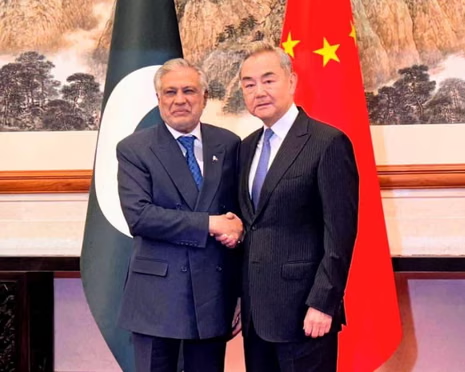
Pakistan and China have released a comprehensive five-part proposal for peace in the Middle East. The move followed Pakistan’s foreign minister flying to Beijing on Tuesday to seek Chinese support. This high-level meeting aimed to bolster the country’s faltering efforts to negotiate a final peace deal. The one-day session between Ishaq Dar and his Chinese counterpart Wang Yi was notably significant. It occurred as Pakistan continues to push for the role of a primary peacemaker today. The primary goal remains mediating between the United States and Iran during this difficult time. The ongoing war shows little sign of relenting despite these various international diplomatic efforts. According to a statement from China’s foreign ministry the trip intended to strengthen cooperation. Both nations want to address the ongoing conflict in Iran through new advocacy for peace. China has so far maintained a meticulous distance from the ongoing conflict in the region. Beijing holds ties with the regime in Tehran as the largest buyer of oil. China condemned the initial US and Israeli strikes on Iran while maintaining a neutral stance. It has since focused its efforts on calling for a ceasefire and negotiating for safety. Direct talks with Tehran aimed to ensure the safe passage of tankers through Hormuz. Pakistan and China jointly called for an immediate ceasefire after the meeting on Tuesday afternoon. They also insisted that the safety of vital waterways must be protected by all sides. The released five-part initiative for peace emphasizes that dialogue remains the only viable option now. However there appeared to be little substantive progress in bringing the main participants together yet.
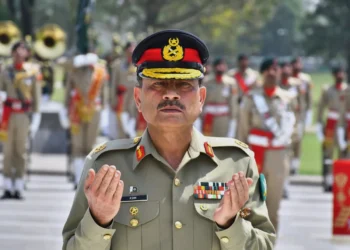
Donald Trump claimed this week that negotiations with Iran were going extremely well for everyone. Tehran has maintained there are no direct talks happening with the American administration at all. Pakistan has put itself at the center of efforts to bring about a ceasefire. It has been pushing for Islamabad as the perfect location for future peace talks. Prime Minister Shehbaz Sharif and General Syed Asim Munir have been communicating with Donald Trump. They are also in contact with Iranian President Masoud Pezeshkian and many other global leaders. Messages between the two warring countries have passed through various Pakistani intermediaries in recent weeks. Islamabad hosted talks with foreign ministers from Saudi Arabia, Turkey, and Egypt this past Sunday. This was an effort to find a regional solution to ending the current deadly conflict. The absence of the US and Iran from those negotiations undermined their diplomatic weight. Analysts said Pakistan’s embrace of the interlocutor role came after years of being sidelined. This shift follows a push by the government for the country to be seen. They want Pakistan to be regarded as a regional diplomatic heavyweight in the Muslim world. Columnist Rafiullah Kakar noted that Islamabad seeks to reinforce its standing as a middle power. This signals continued geopolitical importance to external partners like Washington and the various Gulf states.

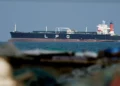
Pakistan has its own significant stakes in ending the conflict as soon as possible. The country has already been paying a heavy economic price for the current energy blockade. This blockade on fuel and gas through the Strait of Hormuz affects many local industries. Pakistan shares a sensitive five hundred and sixty mile land border with the Iranian state. There are fears that the conflict could spill over into the restive Balochistan region. This specific area is already battling a violent insurgency that threatens national internal security. Pakistan is also home to the world’s largest population of Shia Muslims outside Iran. There are fears the conflict could stir up sectarian tensions if it continues long. Dozens were already killed in protests that broke out when bombing began in Tehran. The country also has a freshly signed defense pact with the Kingdom of Saudi Arabia. This could threaten to drag a reluctant Islamabad into the war very easily today. This would happen if countries in the Gulf decide to shift to an offensive. They might fight back against Iran’s continued missile and drone strikes in the region. Kakar said Pakistan’s interest in de-escalation reflects both geopolitical and domestic security concerns. Serious instability in Iran would have direct implications for the security of the Pakistani state. Escalation risks placing Islamabad in a very difficult position between its many different allies.
The five-point plan specifically calls for an immediate cessation of all regional military hostilities. It stresses that humanitarian assistance must be allowed to reach all war-affected areas immediately. The second point advocates for the start of peace talks as soon as possible. This point emphasizes that the sovereignty and territorial integrity of Iran must be respected. The third part of the proposal focuses on the security of all nonmilitary targets. Both nations call on parties to stop attacking energy and peaceful nuclear infrastructure sites. The fourth point addresses the vital importance of global shipping lanes for the economy. It calls for the early and safe passage of all civilian and commercial ships. Finally the plan asserts the primacy of the United Nations Charter in resolving disputes. This collaborative effort represents a significant push for stability in a very volatile climate. Whether the warring parties will heed this call for diplomacy remains to be seen. The international community is watching closely as Islamabad and Beijing lead this peace charge. Regional stability depends on the willingness of major powers to engage in sincere dialogue now. Without a breakthrough the economic and human costs will continue to rise for everyone. Pakistan’s role as a bridge between East and West is being tested quite severely. Success in these negotiations could redefine the country’s status on the global political stage. Failure however could mean a wider regional war that involves many more sovereign nations. Both China and Pakistan are committed to preventing such a catastrophic global escalation today. They hope this five-part plan serves as a roadmap for a more peaceful future. The world remains hopeful that the cycle of violence can finally be broken soon.
Related News:
 Ukraine war briefing: Zelenskyy offers help to Saudi Crown prince on combatting Iranian drones
 Ukraine Sends Drone Experts to Defend US Bases in Jordan
 Saudi Arabia Urging US to Keep Up Iran Attacks
 Diplomacy on the Brink: Pakistan’s Risky Peace Mission
 Trump Slams Europe as Transatlantic Tensions Boil Over
 High-Value Target: Iranian Strike Destroys US Radar Plane
 UN Warns Israeli Death Penalty Bill Could Be a War Crime
 George Clooney and Amal Clooney Receive French Citizenship
 Capitol Attack Anniversary Sparks Deep Political Divide
 Saudi Officials Report Zubaidi Flee Before Yemen Peace Talks
 UK Targets in New York Bomb Threat Hoax: Man Jailed
 Gambia Supreme Court Hears Case to Overturn FGM Ban
 Trump targets Iran trade with 25% tariff warning
 Rudd successor: Defence chief and former ministers considered
 US Senate rejects resolution limiting Trump military powers
 Venezuela regime claims release of political prisoners signals new era
 Gulf states warn Trump Iran strikes risk wider Middle East war
 Machado Trump medal gesture reshapes Venezuela power struggle
 Greenland defence seen as shared Nato duty amid troop arrivals
 Geopolitical football: Iran, Trump and the World Cup clash
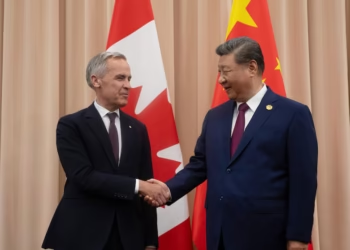 Canada-China trade gains momentum in new strategic partnership
 Trump Receives Machado’s Nobel Medal in White House Meeting
 Syria President Declares Victory as Ceasefire Reached with SDF
 US Considers Asylum for British Jews Amid Rising Antisemitism
 Trump slams UK ‘stupidity’ over Chagos Islands, eyes Greenland takeover
 More Than 100 Islamic State Inmates Escape Amid Syrian Clashes
 Trump Tightens Grip on EU and UK Energy Supply
 Shinzo Abe’s killer receives life sentence in Japan
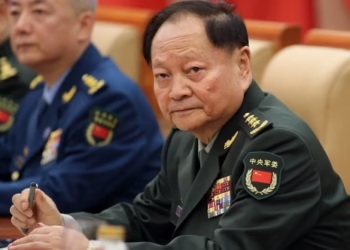 China General Under Investigation Amid Leadership Purge
 Philippines ferry disaster leaves 15 dead, dozens missing
 Crisis Looms as Liberals Debate Sussan Ley Future
 Cambridge Faces Scrutiny Over Arms Investment Transparency
 Files Link Andrew to Epstein Dinner After Prison Release
 Epstein UAE Emails Shake British Royal Andrew’s Legacy
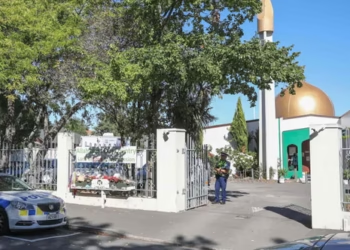 Christchurch gunman seeks to vacate guilty plea
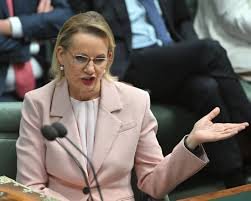 Liberal Fallout: Taylor Challenge Casts Shadow Over Sussan Ley’s Leadership
 Infantino Faces Russia Threat and Trump Concerns at Uefa Congress
 Concerns rise for Canberra boy amid Iran detention fears
 Ukraine, Russia Meet in Geneva Ahead of War Anniversary
 Iran Says ‘Guiding Principles’ Agreed With US at Nuclear Talks
 Caribbean Leaders Urge Dialogue Amid US Oil Embargo on Cuba
 Anthony Albanese Must Uphold Rights for All Australians
 Middle East Flights Halted After Iran Strikes
 Months of Planning Behind US‑Israeli Mission to Target Iran’s Supreme Leader
 US Iran Operation: Sixth Service Member Killed
 Hezbollah Anger Erupts as War Returns to Beirut
 Israel Launches Fresh Strikes on Tehran & Beirut; US Warns “Hardest Hits” Ahead
 Middle East attacks intensify as Trump rejects Iran talks
 DHS Probe Into Border Official Sparks National Debate
 Iran-Iraq border airstrikes spark new tensions
 Thousands Protest Iran Strikes Outside US Embassy London
 US Bombers Arrive at RAF Base Amid Rising Iran Tensions
 UK Prepares Aircraft Carrier for Middle East Crisis
 New Zealand Covid Response Praised Despite Lingering Scars
 Abramovich Chelsea Sale Cash Faces Jersey Probe
 Ancient Heritage Sites Damaged in Recent Airstrikes
 Yvette Cooper: UK Must Follow Principles, Not US Pressure
 Trump Iran War Stance Hardens as Conflict Widens
 US Strike on IRIS Dena Strains Strategic Indian Security Ties
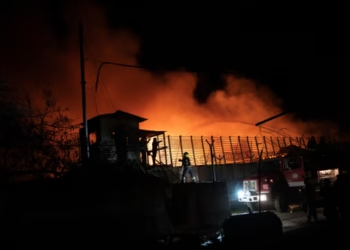 Kabul hospital strike sparks deadly blame row
 Slovenia Election: A Nation at a Crossroads
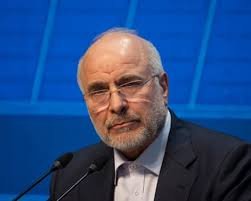 Ghalibaf Iran: Survivor Emerges in Shifting Power Game
 Jury Rules Meta and YouTube Liable for Addictive Design
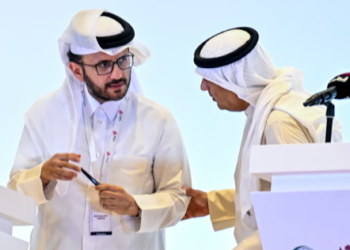 Gulf Distrust Grows Over Rumoured US-Iran Peace Talks
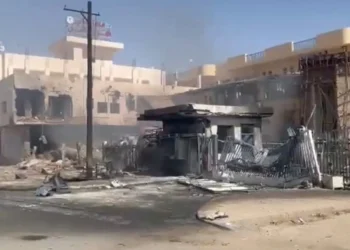 WHO Warns of Health Crisis Unfolding in Middle East
 Trump Softens Cuba Oil Stance as Russian Tanker Nears
 Health & Social Affairs | International Development
 The Woman Guarding Earth From the Threat of Asteroids
 Trump Threatens Iran With Total Infrastructure Destruction
 IMF Predicts Global Economic Crisis Due to Gulf Unrest
 Spain Shuts Airspace to US Military Over Iran Conflict
 California Defies Trump With Strict New AI Standards
 Germany Grapples With AI Abuse Following TV Star Scandal
 Exiled Tycoon Warns of New Russian Attacks on UK Soil
 Labor Under Fire Over Stalled University Fee Reform
 LA 2028: Millions of Affordable Olympic Tickets Announced
 Inside the Deceptive Machine: A Former Producer Speaks Out
 Italy Faces Third Successive World Cup Absence After Loss
 Turkey End Kosovo Dreams to Secure World Cup Return
 Starmer Urges Ambitious EU Ties Amid Middle East Conflict