Published: 2 April 2026 . The English Chronicle Desk. The English Chronicle Online- Providing clarity amidst the complexities of global conflict and diplomacy.
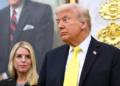
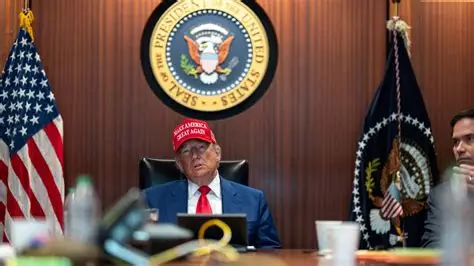
President Donald Trump’s latest national address, intended to steady a jittery global public and volatile financial markets, has instead left diplomatic circles grappling with a series of glaring omissions regarding the United States’ long-term objectives in Iran. While the President’s rhetoric on Wednesday evening oscillated between vows of overwhelming military force and hints of a rapid withdrawal, the absence of a concrete “day-after” plan has sparked concerns among allies and adversaries alike. As the conflict enters its second month, the lack of clarity on what constitutes a final “victory” is beginning to weigh heavily on international stability.

The most prominent question left unaddressed is the specific criteria required for a total cessation of hostilities. While the President spoke broadly of ensuring Iran never achieves nuclear capability, he stopped short of defining the mechanisms for verification or the future of the existing governing structure in Tehran. This ambiguity has created a diplomatic vacuum that many fear could lead to a prolonged “forever war” despite the administration’s stated desire to bring troops home. Furthermore, the President did not clarify how the United States intends to handle the humanitarian crisis unfolding in the region, where infrastructure damage has left millions without consistent access to power or clean water.
Economic nerves remain similarly uncalm. Although the President attempted to reassure Americans that energy prices would eventually stabilize, he offered no immediate timeline for the reopening of the Strait of Hormuz, nor did he provide details on the proposed “energy rebates” mentioned by Treasury officials earlier in the week. This lack of specificity saw Asian and European markets open with renewed caution this morning, as traders struggle to price in the risk of a sustained maritime blockade. The silence on whether the U.S. would support a multi-national naval escort for commercial tankers—a move previously suggested by some Pentagon officials—has added to the sense of a policy in flux.
On the domestic front, the address did little to bridge the widening gap between the administration and congressional leaders. Members of the Senate Foreign Relations Committee have noted that they remain “in the dark” regarding the specific rules of engagement and the projected cost of an escalated aerial campaign. Without a formal request for a new Authorization for Use of Military Force (AUMF), legal experts are questioning the long-term domestic authority for continued strikes if the conflict shifts from defensive maneuvers to a broader offensive strategy against Iranian state assets.

As the U.S. military remains on high alert and the Artemis II mission continues its historic journey in the background, the contrast between human achievement and terrestrial discord has never been sharper. The world is now looking toward a scheduled meeting of the UN Security Council on Friday, hoping that the diplomatic backchannels in Muscat and Doha might yield the specific answers that the Oval Office address did not. For now, the “calm” the President sought to instill remains elusive, replaced by a cautious watchfulness as the international community waits for the next move in this high-stakes geopolitical chess match.
Related News:
 US Trade Deficit Hits Fresh High Despite Trump’s Tariffs
 US Eases Sanctions on Russian Oil Sales to India During Iran Conflict
 Iran War Puts Trump at Political Risk Amid Rising Prices
 UK Forces Ready to Seize Russian Shadow Fleet Vessels
 Trump Signals US Exit From Iran as Tehran Eyes Peace
 Markets Shaken as Trump Vows to Hit Iran ‘Extremely Hard’
 Kinnock’s Rebuke Echoes Loudly as Corbyn Allies Launch Left-Wing Breakaway: “A Gift to Farage”
 Trump Administration Dismisses 17 Immigration Judges, Sparking Debate Over Judicial Independence
 UK Must Act with Courage and Clarity on Israel-Palestine Conflict, Says Foreign Affairs Committee Report
 Trump Threatens 100% Tariff on Nations Importing Russian Oil Amid India Standoff Over Ukraine War
 Radioactive Leak at UK’s Nuclear Warhead Base Sparks Outcry Over Safety and Secrecy
 Mutual Inconvenience: Why Alaska Was Chosen for the Trump-Putin Summit on Ukraine
 Hong Kong Summons UK and Australian Envoys Following Asylum Grants to Democracy Activists
 Is the UK Ready to Put Boots on the Ground in Ukraine? Assessing Military Capacity and Challenges
 Conservative Influencer Charlie Kirk Fatally Shot During University Debate
 Channel Crossings Surge: Over 1,000 People Arrive in the UK in Small Boats in a Single Day
 Widow of Charlie Kirk Forgives Killer at Emotional Memorial Service
 Yvette Cooper Signals Global Momentum Towards Gaza Peace Deal Amid Humanitarian Crisis
 Public Trust in SNP Hits Historic Low Amid NHS Concerns
 Johnson Suggests Mandelson Linked to China Spy Controversy
 Russia’s Latest Push to Win US Favors Shows Deep Desperation
 BBC to Apologise Over Edited Trump Speech Amid Backlash
 Britain deploys RAF specialists to assist Belgium with drone threats
 Trump Urges Herzog to Grant Netanyahu Full Pardon
 Indian authorities demolish Kashmir home linked to Red Fort blast
 Greene Pushes Epstein Files Amid Trump Fallout
 Trump Deploys DHS to Charlotte in Major Arrest Operation
 December Run-Off in Chile as Election Produces No Winner
 Canada Passes Carney’s First Budget in Tight Parliamentary Vote
 Shadow Fleet at Sea: Europe’s Battle Against Illicit Oil Shipping
 India’s COP30 Delay Raises Global Climate Concerns
 Georgians Defy Government Crackdown After Year of Protests
 Russia losses Ukraine war peace talks intensify amid rising deaths
 Albanese Opens Door to Bondi Royal Commission Amid Rising Pressure
 Trump Escalates Minnesota Immigration Surge Amid Rising Tensions
 Iran Protesters Defy Crackdown as Violent Clashes Intensify
 EU weighs response amid Greenland tariff crisis with Trump
 EU Says US Ties Have Suffered ‘Big Blow’ After Greenland Crisis
 Israel Moves to Bar MSF From Gaza Operations
 After the Landslide: Can India Reset Ties with BNP Bangladesh?
 Australian Families Leave Syrian Camp for Home
 Starmer Weighs Fast-Tracking Defence Boost
 Trump Attacks UK-California Energy Pact
 Nine Arrested in France Over Death of Far‑Right Student
 Andrew Arrest Sparks Republic Debate in Australia
 Australian PM Says Former Prince Andrew Has Suffered ‘Extraordinary Fall’ but That Won’t Prompt Republic Referendum
 Musk Cuts Starlink Access for Russian Forces – Giving Ukraine an Edge at the Front
 Farage Chagos Islands Row Sparks Fury
 Ukraine Negotiator Reveals What It Feels Like Facing Russia
 Chad Shuts Border With Sudan in Bid to Stop Conflict Spreading
 French Minister Moves to Block US Envoy Kushner from Government Access
 Has Europe truly learned from the failures of 2022?
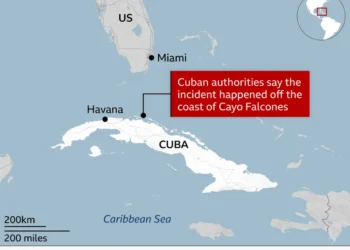 American Citizen Killed in Cuba Boat Shooting, U.S. Officials Say
 Iran’s Regime Still Intact — Coming Days Will Test Its Survival
 Allies of US in the Gulf Bear Brunt of Iran Attacks
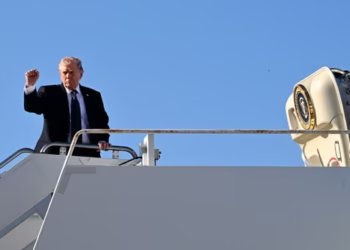 Trump Faces Questions Over Iran Conflict Plan
 Herzog Asio meeting sparks security storm
 Nepal Holds First General Election Since Gen Z Protests Toppled Government
 How Depleted Weapons Stockpiles Could Affect the Iran Conflict
 Petrol Prices Soar as Retailers Accused of Gouging Amid Global Tension
 Macron Finds ‘Freedom Fries’ Redemption in Iran Crisis
 Finland Plans to Lift Decades‑Old Ban on Hosting Nuclear Weapons
 Minister Meets Crews Who Will ‘Take Out’ Iranian Drones
 UK–US Tensions Ease as Starmer and Trump Hold First Call Since Iran Row
 Nine Days of Strikes Reshape the Middle East
 Trump Pressures Congress Over Save America Act
 Iran’s New Leader Faces Existential Test
 Iranian Football Squad Asylum Drama Shocks Australia
 Ukraine War Becomes Flashpoint in Hungarian Election
 Queensland Protest Laws Spark Free Speech Backlash
 Eswatini Deal Sparks Global Outcry Over US Deportations
 Yvette Cooper: UK Must Follow Principles, Not US Pressure
 Trump Iran War Stance Hardens as Conflict Widens
 Trump Nato threats expose Iran strategy vacuum
 Trump’s Confidence Undimmed — But Every Iran Option Carries Risk
 Israel Says Iran Security Chief Larijani ‘Killed’
 Philippines energy emergency sparks coal power surge
 Trump Facing Backlash from Epstein Survivors Over Files
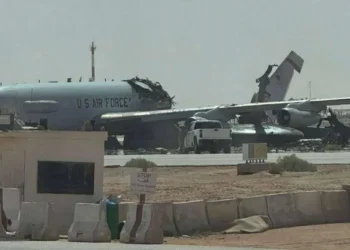 ‘Eye in the Sky’ Blinded: Photos Reveal Destroyed US Radar Jet at Saudi Base
 Trump Considers Military Operation to Seize Iran’s Uranium