Published: 2 April 2026 . The English Chronicle Desk. The English Chronicle Online- Your definitive source for US policy shifts and constitutional analysis.
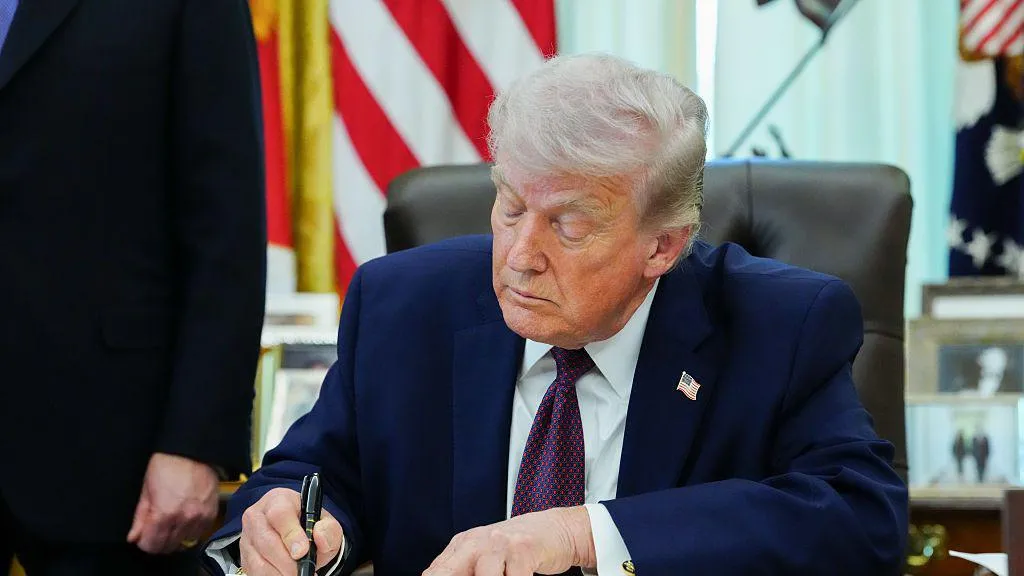
President Donald Trump has signed a sweeping executive order aimed at fundamentally altering the landscape of American elections by imposing strict new federal standards on mail-in voting. Speaking from the Diplomatic Reception Room on Wednesday evening, the President characterized the move as a “common-sense” measure to ensure election integrity, asserting that the current patchwork of state laws is “vulnerable to widespread interference.” The order, titled the “Secure Ballots Act of 2026,” seeks to mandate that all mail-in ballots be received by local election offices by the close of polls on Election Day to be counted, effectively eliminating the grace periods currently utilized in over twenty states.

The executive order outlines several controversial directives, including a requirement for “standardized, high-security” watermarks on all federal election envelopes and a mandate for signature verification to be conducted by bipartisan teams under federal supervision. Perhaps most significantly, the order attempts to restrict the use of unmanned drop boxes, suggesting they be replaced by “monitored, secure locations” within government buildings or post offices. While the President insisted these measures are necessary to “restore the faith of the American people” in the democratic process, the order has immediately triggered a firestorm of legal and political opposition.
Constitutional experts and voting rights advocates were quick to point out that the U.S. Constitution largely grants individual states the authority to manage their own elections. Within hours of the signing, a coalition of sixteen states, led by California and New York, filed a joint lawsuit in federal court seeking an immediate injunction. The legal challenge argues that the executive order represents an “unprecedented federal overreach” and a direct violation of the Tenth Amendment. Critics contend that the new rules, if allowed to stand, would disproportionately affect rural voters, overseas military personnel, and elderly citizens who rely on mail-in systems.
The timing of the order is particularly notable, coming just months before the 2026 midterm elections. Political analysts suggest the move is intended to energize the President’s base, which has remained skeptical of mail-in voting since the 2020 and 2024 cycles. However, the Republican party itself remains divided on the issue; several GOP governors in states like Utah and Florida have expressed concern that overly restrictive mail-in rules could inadvertently disenfranchise their own constituents, particularly those in remote areas.

As the legal battle heads toward the Supreme Court, the immediate future of the American voting process remains in a state of uncertainty. While the White House maintains that the President has the authority to safeguard federal elections under the “General Welfare” clause, the courts will now have to decide if an executive order can override decades of established state-level election law. For now, local election officials across the country are left in a difficult position, forced to prepare for the November polls under two conflicting sets of rules as the nation watches one of the most significant constitutional standoffs of the 21st century.
Related News:
 US National Guard Member Killed in DC Shooting
 Trump to pause migration from ‘third-world countries’
 Franklin Turtle, Sabrina Carpenter Slam US Social Media Use
 US Senator Mark Kelly Sues Pentagon Chief Hegseth Over Demotion Threats
 Trump officials continue false claims after Alex Pretti shooting
 Partial US Government Shutdown Hits Homeland Security Funding
 Thousands Protest ICE Operations in Nationwide US Day of Action
 Starmer to Release Mandelson Files
 Inside Kyiv’s resolve as conflict nears five‑year mark
 US Partially Evacuates Beirut Embassy Amid Rising Iran Tensions
 Hillary Clinton Tells House Panel She Had No Idea of Epstein’s Crimes
 US Senate Vote Fails to Rein in Trump War Powers on Iran
 Trump Removes Kristi Noem From Homeland Security Role
 ‘Permit Paused’: DC Judge Halts Construction of Trump’s $100M ‘Patriot’ Ballroom
 Trump Administration Dismisses 17 Immigration Judges, Sparking Debate Over Judicial Independence
 Tasers Introduced in UK Prisons to Combat Rising Violence and Protect Staff
 Tanni Grey-Thompson Faces Abuse Over Opposition to Assisted Dying Bill
 Mahmood Pledges Reform of Modern Slavery Laws After Court Blocks Deportation Appeal
 Migrants in UK May Need to Contribute or Face Removal, Home Secretary Signals
 Digital ID Plans Ignite Debate Over £600m Treasury Tax Boost and Privacy Concerns
 Nigel Farage’s partner linked to Brussels fraud probe
 Johnson Approved China’s London ‘Super-Embassy’ in 2018
 French Taxi Driver Cleared in David Lammy Theft Case After Fare Dispute
 WASPI Women May Get Second Chance at Pension Redress
 Trump Urges Herzog to Grant Netanyahu Full Pardon
 Major Rent Reform Ends No-Fault Evictions in England
 Peers Flood Assisted Dying Bill with 942 Amendments
 US Justice Department Files Lawsuit Against California Over Partisan Voting Maps
 Trump Deploys DHS to Charlotte in Major Arrest Operation
 ICC to Rule on Duterte’s Provisional Release
 Russia losses Ukraine war peace talks intensify amid rising deaths
 Trump Escalates Minnesota Immigration Surge Amid Rising Tensions
 Homeland security agents deployed amid Minneapolis protests
 Plans to Limit Jury Trials Face Retreat After Mounting Opposition
 Trump Threatens Strong Action If Iran Executes Protesters
 European Leaders Condemn Trump Tariff Threat Over Greenland
 American democracy faces crisis after Trump’s return
 EU Says US Ties Have Suffered ‘Big Blow’ After Greenland Crisis
 NSW Inquiry Targets “Globalise the Intifada” in Public Spaces
 Trump Praises ‘Terrific’ Petro After White House Talks
 Fears of New Arms Race as US-Russia Nuclear Weapons Treaty Expires
 Australia’s Opposition Coalition Reunites After Rift
 Nurses’ families fear breakup under UK immigration crackdown
 ‘Trump Will Be Gone in Three Years,’ Top Democrats Tell Europe
 Hillary Clinton Accuses Trump of Epstein Files ‘Cover-Up’ in BBC Interview
 US Civil Rights Leader Jesse Jackson Dies Aged 84
 Stephen Colbert Says CBS Spiked Interview With Democrat Over FCC Fears
 Last‑ditch Call to Save Police Front Counters in London
 Nine Arrested in France Over Death of Far‑Right Student
 Civil Service Pay: Union Urges Ministers to End ‘Barking Mad’ Limits
 How Much Could Andrew’s Arrest Hurt the Royal Family?
 Trump Directs US Govt to Prepare Release of Files on Aliens and UFOs
 Trump Vows UFO File Release After Obama Interview
 Who is Abigail Spanberger, the Democrat set to give State of the Union response
 Trump Probe Fallout: Patel Fires FBI Staff Tied to Documents Case
 American Citizen Killed in Cuba Boat Shooting, U.S. Officials Say
 Trump Faces Questions Over Iran Conflict Plan
 Texas Senate seat fight heads to runoff as votes split
 Cooper and Whatley Win Primaries for North Carolina Senate
 US Senate Backs Trump War Powers Amid Iran Missile Barrage
 US Trade Court Orders Tariff Refunds in Setback for Trump Administration
 Labour MP’s Partner Arrested on Suspicion of Spying for China
 Police Scotland Pays £8m Compensation to Staff
 Thousands Protest Iran Strikes Outside US Embassy London
 US Bombers Arrive at RAF Base Amid Rising Iran Tensions
 UK Prepares Aircraft Carrier for Middle East Crisis
 Pete Hegseth Iran War Remarks Spark Alarm
 Proposed Law Leaves Gap for Children of Convicted Paedophiles
 Iran War Puts Trump at Political Risk Amid Rising Prices
 Queensland Protest Laws Spark Free Speech Backlash
 Trump’s Confidence Undimmed — But Every Iran Option Carries Risk
 Mandelson’s Phone Messages Requested in Files Release
 US Lawmaker Demands Testimony Over Sarah Ferguson’s ‘Close Epstein Ties’
 The Last of the Lords: Two Hereditary Peers to Retain Ceremonial Roles Amid Historic Ousting
 ‘My Daughter is Under the Rubble’: The Human Cost of the Tehran Strikes
 ‘Eye in the Sky’ Blinded: Photos Reveal Destroyed US Radar Jet at Saudi Base
 ‘Full and Immediate Access’: Netanyahu Reverses Palm Sunday Ban on Latin Patriarch
 Israel Enacts Death Penalty Law for Palestinians Following 12-Hour Debate
 ‘In Our Backyard’: FBI Labels Michigan Synagogue Attack as Hezbollah-Inspired Terrorism
 Can Congress Stop US Sports Teams From Moving Cities?