Published: 03 April 2026. The English Chronicle Desk. The English Chronicle Online.
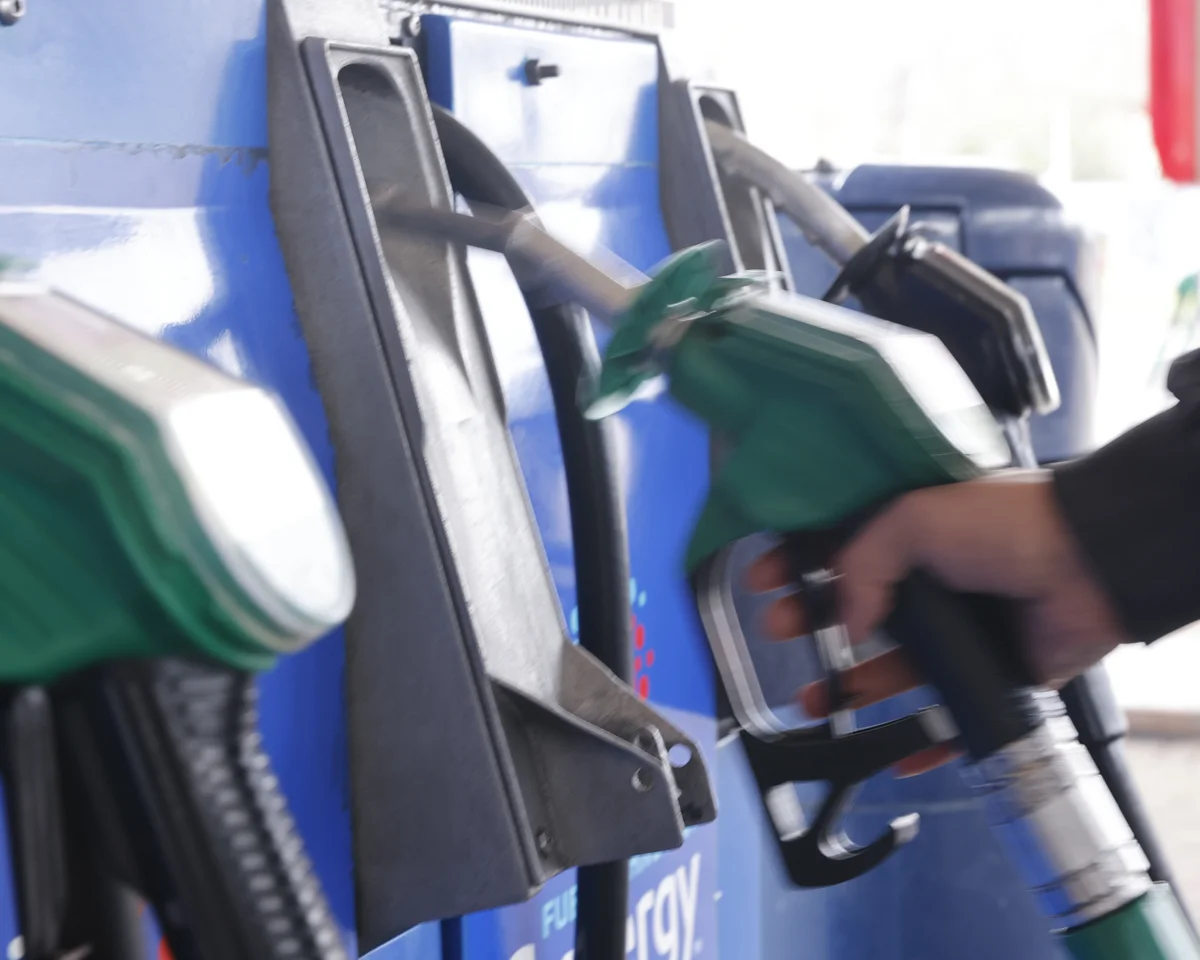
The escalating military conflict involving Iran has cast a long shadow over the British economy this week. Richard Walker has now stepped forward to demand urgent action from the current Prime Minister regarding fuel. As the official cost of living champion, Walker carries significant weight within the corridors of Westminster power. He argued passionately on national radio that the government must protect families from surging global energy costs. The closure of the Strait of Hormuz has triggered a massive spike in international crude oil prices. This narrow waterway serves as the primary artery for one fifth of the global oil supply. Recent military actions by the United States and Israel have effectively blockaded this vital maritime shipping route. Consequently, the price of a litre of diesel has jumped by thirty percent across British forecourts. Petrol prices have also climbed by sixteen percent since the start of the regional war recently.
Lord Walker believes the current five pence duty cut is simply not enough for struggling households. He pointed toward the Australian government as a leading example of how to handle this crisis. Australia recently implemented a fuel tax reduction of fourteen pence per litre to support its local citizens. Walker suggested that the United Kingdom should consider enlarging or extending its own existing tax relief. The current freeze on fuel duty is scheduled to expire at the end of August. Many analysts fear that a sudden price hike in September would devastate the national haulage industry. Small businesses across the country are already operating on very thin margins due to persistent inflation. Food prices often rise quickly when the cost of transporting goods to supermarkets becomes more expensive. As the executive chair of Iceland, Walker understands these supply chain pressures better than most people. He was appointed to his advisory role by Keir Starmer earlier this year in February.

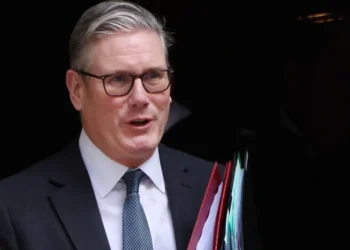
The political pressure on Chancellor Rachel Reeves is mounting as the autumn budget review draws near. Last November, the Treasury indicated that fuel duty rates would gradually increase over five years. However, the unexpected outbreak of war in the Middle East has completely changed the economic landscape. Keir Starmer has publicly stated that the planned September rise remains under constant and careful review. Critics argue that the government must be more proactive rather than waiting for the next deadline. The RAC has warned that motorists are facing the highest prices seen in several years today. Average petrol prices have now reached over one hundred and fifty-four pence per litre lately. Diesel remains even more expensive, sitting at an average of one hundred and eighty-five pence. These figures represent a significant burden for workers who must commute to their jobs every day. Public transport costs are also rising as bus and train operators face higher energy bills.
Opposition parties have been quick to capitalize on the growing public anxiety over these rising costs. The Conservative Party has called for a temporary scrap of VAT on all domestic energy bills. Meanwhile, Reform UK suggests a direct reduction in the value added tax applied to road fuel. The Liberal Democrats have gone further by proposing a ten pence cut in total fuel duty. Such a move would double the relief currently offered by the existing Labour government policy. Each party is vying to be seen as the true champion of the working class. This political tug of war makes the position of the Prime Minister increasingly difficult to manage. Balancing the national books while providing relief requires a very delicate and precise economic touch. If the government fails to act, they risk a significant backlash from the British public. Many voters feel that the cost of living crisis has already lasted far too long.
The impact of the Iranian blockade is being felt far beyond the local petrol station pump. Global markets remain volatile as traders worry about the long term stability of the Persian Gulf. Any prolonged disruption to shipping will likely lead to further increases in the cost of gas. This creates a secondary pressure on the government to subsidise heating costs for the elderly population. Lord Walker emphasized that the current situation requires bold and decisive leadership from the very top. He believes that extending the duty cut would provide much needed psychological certainty for the nation. Fear of rising costs often leads to reduced consumer spending in other areas of the economy. This can trigger a downward spiral that leads toward a potential recession in the future. Starmer must decide if he will follow the advice of his handpicked economic cost adviser.
The history of fuel duty in the United Kingdom is a long and contentious one. The previous Conservative administration introduced the five pence cut back in March of twenty twenty-two. It was intended as a temporary measure to help the country recover from global pandemic shocks. Successive Chancellors have found it politically impossible to return the duty to its original higher level. Now, the geopolitical situation has forced the issue back onto the front pages of newspapers. Military experts suggest that the blockade of the Strait of Hormuz could last for months. If the conflict intensifies, oil prices could reach record highs not seen in several decades. This would place the British government in an almost impossible position regarding its fiscal targets. Rachel Reeves has promised to maintain iron discipline over the public finances moving forward today. However, the human cost of record high fuel prices may force her to reconsider.
In rural areas of the United Kingdom, the car is often a necessity rather than a luxury. Residents in these communities are being hit particularly hard by the recent thirty percent price rise. They often have no access to reliable public transport to get to medical appointments. For these citizens, the fuel duty cut is a vital lifeline that prevents deep poverty. Lord Walker mentioned that the government needs to think about the most vulnerable people first. He argued that the state should use its powers to shield people from international shocks. This philosophy aligns with the broader goals of the Labour Party regarding social and economic justice. Yet, the cost of maintaining the fuel duty freeze is billions of pounds every year. This is money that could otherwise be spent on the National Health Service or schools. The Prime Minister faces a classic political dilemma with no easy or obvious solution today.
 Public opinion polls suggest that a majority of Britons support an extension of the tax cut. People are tired of feeling like they are being punished for things beyond their control. The war in the Middle East feels distant, but its effects are felt every morning. When a person fills up their car, they are reminded of the global instability. This constant financial pressure creates a sense of unease that permeates throughout the entire society. Starmer knows that his performance on this issue will define his first term in office. If he can navigate the fuel crisis, he will gain significant trust from the electorate. If he allows prices to rise, he may lose the support of middle income families. The next few weeks will be crucial as the government prepares its official response. Economists are watching the Treasury closely for any signs of a policy shift or change.
The role of Richard Walker as an adviser is to provide honest and frank feedback. By going on the radio, he has made his private advice a matter of public record. This move puts direct pressure on the Prime Minister to respond to his own expert. It is a bold strategy that highlights the urgency of the current national economic situation. Walker is known for his plain speaking and his focus on the needs of consumers. He has often criticized the slow pace of government intervention during times of extreme crisis. His comparison to Australia shows that other nations are willing to take much larger risks. The British public will now expect a similar level of ambition from their own leaders. Whether the Treasury can afford a fourteen pence cut remains a very different question altogether. The national debt is already at a level that requires very careful and steady management.
As April progresses, the eyes of the nation will remain fixed on the Middle East region. Any sign of de-escalation in the Strait of Hormuz would bring immediate relief to the markets. However, the current military rhetoric suggests that the situation may get worse before it gets better. This means the pressure on fuel prices is unlikely to disappear in the near future. The government must prepare for a long period of high energy costs and global instability. Extending the fuel duty cut may be the only way to prevent a total collapse. Starmer and Reeves must decide if they are willing to borrow more to help families. This decision will have consequences that last for many years into the future of Britain. For now, the people can only wait and watch the numbers on the pumps rise. The English Chronicle will continue to monitor this story as new developments emerge this week. Every penny counts for the millions of people trying to make ends meet right now. Stability is the one thing that everyone in the country is currently praying for today.
Related News:
 Tories Push to Dilute Labour’s Workers’ Rights Bill
 Trump’s UK Ambassador Urges North Sea Drilling to Strengthen US Ties
 Rachel Reeves Set to Break Labour Pledge and Raise Income Tax
 Thinktanks Urge Rachel Reeves to Reform UK Tax System
 Company linked to Michelle Mone owes £39m in tax
MPs Press Rachel Reeves to Hike Gambling Taxes
Company linked to Michelle Mone owes £39m in tax
MPs Press Rachel Reeves to Hike Gambling Taxes
 Cuts to home insulation funding threaten UK climate goals
 Millionaires group urge Reeves to introduce wealth tax to ‘lift kids out of poverty’
 PM Highlights UK Business at G20 in South Africa
 English Mayors Set to Introduce Tourist Taxes
 Starmer Says Labour’s Economic Plan Needs Years to Deliver
BBC bosses ‘right to stick by their guns’ against Trump, says minister
Starmer Says Labour’s Economic Plan Needs Years to Deliver
BBC bosses ‘right to stick by their guns’ against Trump, says minister
 China Dependence Threatens UK Energy Supply Chains and Jobs
 MPs warn AI financial risks threaten UK stability
 MPs warn AI financial risks threaten UK stability
 UK Government Borrowing Drops to £11.6bn in December
 Labour Must Revive High Streets to Avoid Election Collapse
 Barclays drops Global Counsel after Mandelson link scrutiny
 Unsustainable gaps in franchise policing, MPs warn
 UK shelves £110m border project amid trade strain
 UK Sees Record £30.4bn Budget Surplus, Boosting Reeves’ Position
 SNP Charging £750 per Ticket for Business Event Featuring ‘Beer and Blether’ with Stephen Flynn
 Ministers Urged to Ban Crypto Political Donations
 Reeves Must Back Defence Plan or Face Dismissal, Says Unite Chief
 OBR Reform Row Deepens Before Spring Forecast
 UK Doubles Steel Tariffs to 50% to Protect Domestic Plants
 Starmer Adviser Urges New Profit Cap on Energy Firms
 Chancellor Rachel Reeves Pushes for Sweeping Changes to Environmental Protections to Accelerate Development
 Kemi Badenoch Unveils ‘Golden Rule’ to Halve Spending Cuts for Deficit Reduction at Tory Conference
 Reeves Faces Setback as Labour May Miss Homes Target
 Green Party Surges Past Labour in Latest UK Poll
 French Taxi Driver Cleared in David Lammy Theft Case After Fare Dispute
M&S Profits More Than Halve After Cyber-Attack
French Taxi Driver Cleared in David Lammy Theft Case After Fare Dispute
M&S Profits More Than Halve After Cyber-Attack
 Starmer Faces Growing Dissent as Labour MPs Weigh Leadership Challenge
 Reeves rejects £1bn plea for NHS redundancy payouts
 PM Condemns Leaks, Vows Loyalty to Ministers and Stability
 Major Rent Reform Ends No-Fault Evictions in England
 Peers Flood Assisted Dying Bill with 942 Amendments
 Canada Passes Carney’s First Budget in Tight Parliamentary Vote
 Most Tories Expect to Support a Farage-Led Government
 Virgin Media Fined £23.8m Over Telecare Safety Failures
 Culture secretary to review Telegraph takeover by Daily Mail owner
 Right Must Unite After Jenrick Defection, Urges Rees-Mogg
 UK Ministers Drop Foreign Student Targets for Global Education Push
 No Gas Boiler Ban as UK Warm Homes Plan Backs Heat Pumps
 Shinzo Abe’s killer receives life sentence in Japan
 Police response times face strict new national limits
 Labour policing overhaul sparks fears over growing central control
 Starmer warns of toxic division politics in Reform challenge
 Households in England Face Rising Water Bills in April
 UK New Car Discounts Near £6,000 as Prices Are Slashed
 Palantir contracts face UK halt calls over transparency
 Cabinet Secretary Shake-Up Triggers Due Diligence Warning
 Could Manchester Lead the UK’s Economic Revival?
 Farage to Name Jenrick as Reform Chancellor Pick
 Civil Service Pay: Union Urges Ministers to End ‘Barking Mad’ Limits
 Antonia Romeo appointment sparks criticism
 Trump and Chagos Deal Rift Over Iran Strikes
 Farage Chagos Islands Row Sparks Fury
 UK Job Vacancies Hit Five-Year Pandemic Low
 UK Youth Unemployment Surges Amid Tax Changes
 Reform UK targets workers’ rights repeal
 Strong Rebound for UK Housing Market Sees 6% More Homes
 Russian Trade Routed Through British Islands Exposed
 Mandelson Arrest: Met Apologises to Hoyle
 Palestine Action ban appeal moves forward
 Switching Energy Deal Can Save £200 as Price Cap Falls
 Labour’s Employment Shake‑Up ‘Makes Britain Worse Than France’
 BBC Charter Reform Sparks Independence Battle
 Thousands Protest Iran Strikes Outside US Embassy London
 US Bombers Arrive at RAF Base Amid Rising Iran Tensions
 UK Oil and Gas Supplies Reassured Amid Middle East Concerns
 UK Fuel Tax Hike Plan to Be Kept Under Review Over Iran Conflict
 Yvette Cooper: UK Must Follow Principles, Not US Pressure
 Charity Watchdog Takes Control of Learning Disability Care Home
 Iran’s Failed Strike on Diego Garcia Sparks UK Security Concerns
 Wes Streeting Backs Starmer Amid Speculation of Leadership
 The 8 Million Dilemma: Why Britain’s Disability Safety Net is Facing a ‘2026 Reckoning’
 The ‘Peterborough Windfall’: Council Calculator Finds £84,800 in Unclaimed Support
 Can Congress Stop US Sports Teams From Moving Cities?