Published: 4 April 2026. The English Chronicle Desk. The English Chronicle Online
Millions of children have been plunged into crisis by the war in the Middle East, with reports of child soldiers in Iran, mass forced displacements in Lebanon, and the killing of hundreds of minors.
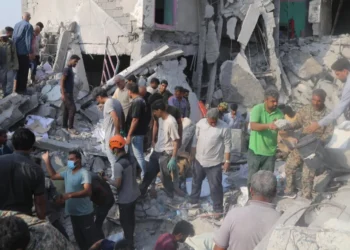
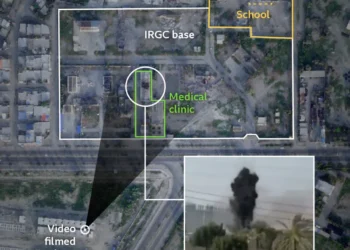
According to the UN agency for children, Unicef, more than 340 children have been killed and thousands injured since the US and Israel launched attacks on Iran, which retaliated with bombings across the region. The highest reported child casualty occurred on the first day of the war when a US missile strike on a school in Iran killed at least 160 children and teachers.
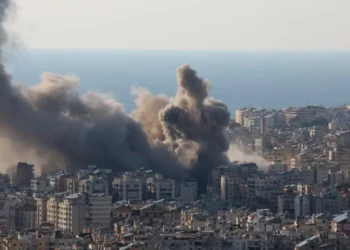
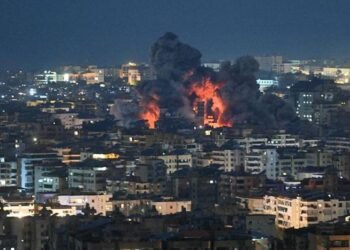
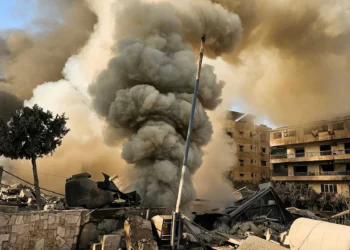
Israel’s invasion of Lebanon – along with continued attacks in the occupied West Bank and Gaza – has compounded the bloodshed. Across the region, over 1.2 million children have been displaced.

“Children in the region are being exposed to horrific violence, while the very systems and services meant to keep them safe are coming under attack,” said Unicef’s executive director, Catherine Russell.
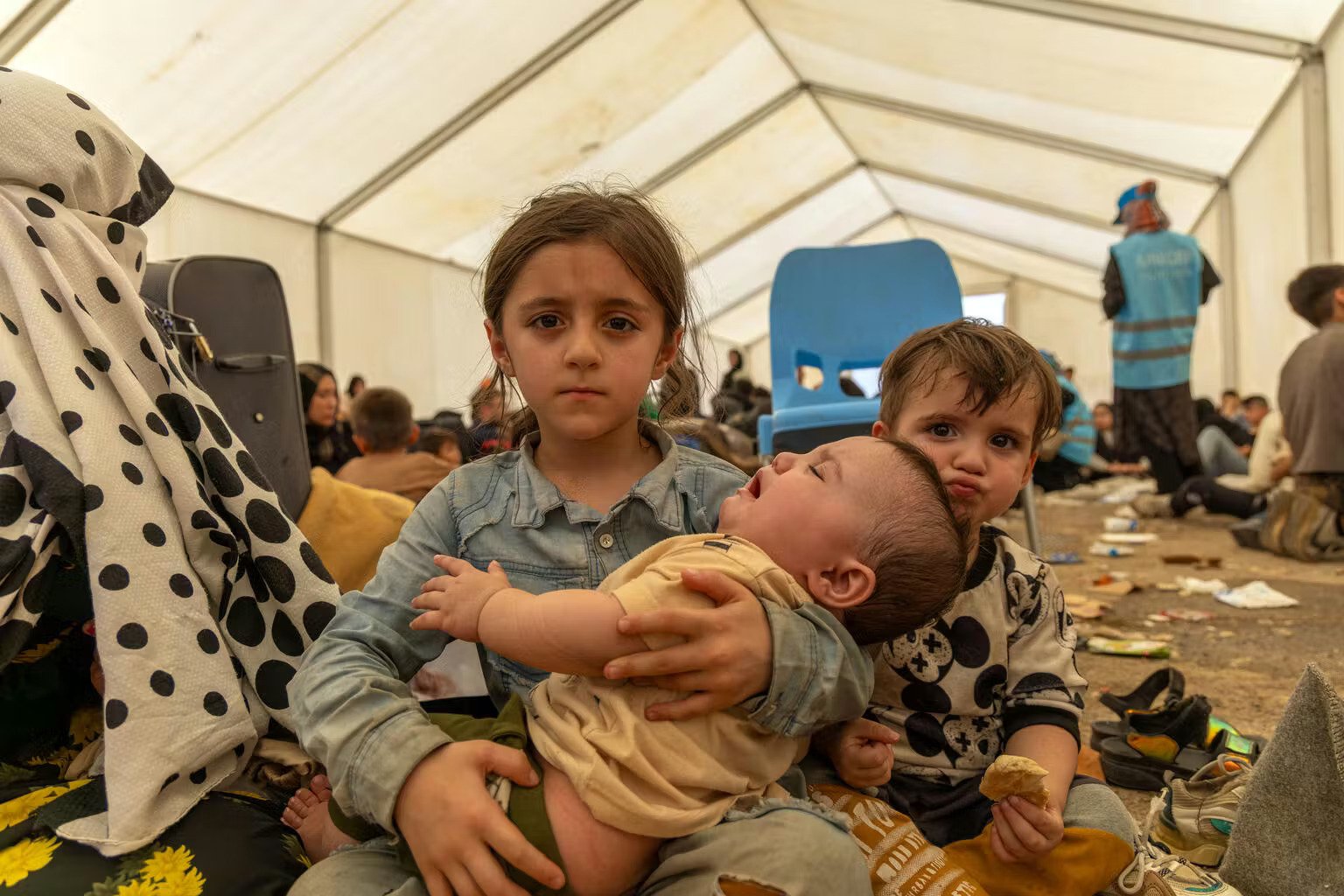
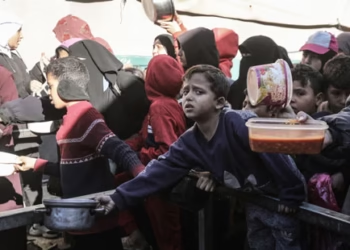
More than 1.1 million people, including nearly 400,000 children, have been forced to flee their homes due to Israeli bombing and displacement orders in Lebanon. Nearly 90% live outside shelters, often sleeping in the street.
Nidal Ahmed, 52, and two of his children live in a tent in an impromptu encampment in Biel, Beirut’s nightclub district. Ahmed’s home in Tyre was destroyed in an airstrike, and his brother’s home was later emptied by Israeli forces.
“It’s 5pm and we haven’t had anything to eat today,” Ahmed said, his eight-month-old daughter, Zahraa, sitting in a stained onesie. After a month of displacement, Ahmed has run out of money to feed his children and relies on irregular aid distributions.
The conditions are “humiliating,” he said, pointing to the blue tarpaulin tent he erected. His three-year-old son, Ahmad, showers only once a week at a friend’s house. Unicef’s representative to Lebanon, Marcoluigi Corsi, warned that “this relentless cycle of bombardment and displacement is severely compounding psychological scars, embedding deep-seated fear and threatening long-term emotional harm.”
Despite a ceasefire, at least 50 Palestinians have been killed by Israeli forces since the Iran conflict began. Israeli airstrikes on 29 March killed at least six Palestinians, including a girl. Gaza, already devastated by previous bombardments, has seen schools close, hospitals damaged, and crossings shut, blocking humanitarian aid.
In the occupied West Bank, Israeli settlers and security forces killed at least three children since the start of the Iran war. One tragic incident on 15 March saw five-year-old Mohammed and seven-year-old Othman killed alongside their parents in Tamoun, leaving their 11-year-old brother Khaled traumatized.
In Israel, retaliatory Iranian missiles killed at least four children, with one attack on 1 March hitting Beit Shemesh.
Reports indicate children as young as 12 are being used by Iran’s Islamic Revolutionary Guard Corps (IRGC) to guard checkpoints. Human Rights Watch condemned the recruitment campaign as a violation of children’s rights and a war crime for children under 15.
An 11-year-old boy, Alireza Jafari, was reportedly killed at a checkpoint while volunteering with the Basij militia. Bill Van Esveld of HRW said, “There is no excuse for a military recruitment drive that targets children. Iranian authorities are risking children’s lives for manpower.”
US bombing of a primary school in Minab on 28 February killed scores of children, mostly seven- to twelve-year-old girls. Across the region, 316 medical centres and 763 schools have been damaged or destroyed. At least 52 million school-age children have had their education disrupted, forced to move online or leave school entirely.

Ahmad Alhendawi from Save the Children said, “Every missed lesson deepens the scars of war. Schools are protected sites, and attacks on them could be grave breaches of international law.”
Exposure to prolonged violence threatens brain development, emotional regulation, and long-term mental health. Satellite TV and online broadcasts provide guidance on dealing with children’s fears, but the trauma is pervasive. Alhendawi emphasized, “Every war is a war on children. Children are living in fear, caught in the crossfire of this adult war.”
The US-Israeli war in the Middle East has created a humanitarian catastrophe for children, with displacement, education disruption, recruitment, and psychological trauma leaving a generation at risk of lifelong scars.
Related News:
 UK Prepares Aircraft Carrier for Middle East Crisis
 Grief, Fear and Fury: Mothers Unite to End Israeli-Palestinian Violence
 Iran Leader Blames Protesters, Says They Serve Trump
 ‘I Would Scream in My Sleep’: Alawite Women from Syria Tell of Kidnap and Rape
 Australian Women in Syrian Camp Offer Separation Deal
 ‘Anyone who runs is shot’: Russian soldiers describe killings of troops who refuse orders
 Tribunal Rules Burgertory Founder’s Chant Incited Hatred
 Middle East Flights Halted After Iran Strikes
 Iran’s Regime Still Intact — Coming Days Will Test Its Survival
 Allies of US in the Gulf Bear Brunt of Iran Attacks
 Hopes and Fears as US Iranians Take to Streets After Toppling of Supreme Leader
 Retaliations Continue on Day Two of US-Israel Attacks on Iran
 At Least 153 Dead After Reported Strike on School, Iran Says
 BBC Reports from Beit Shemesh After Deadly Iranian Missile Strike
 Iran, the US, and a World Cup That Starts in Three Months
 Allies of US in the Gulf Bear Brunt of Iran Attacks
 Israeli Attacks Kill 31 in Lebanon, Iran Strikes Across Region, US Warplanes Crash in Kuwait
 In Maps: Strikes Across Iran and the Middle East
 Months of Planning Behind US‑Israeli Mission to Target Iran’s Supreme Leader
 Cooper: Joining US Strikes on Iran ‘Not in Britain’s Interest’
 What Khamenei’s Death Means for Russia and China
 US Iran Operation: Sixth Service Member Killed
 Hezbollah Anger Erupts as War Returns to Beirut
 Tehran Makes New Threat to Gulf Shipping as US Says ‘Hardest Hits’ on Iran ‘Yet to Come’
 Trump’s Iran Endgame Unclear After Mixed Messaging on War Aims
 Did Trump Declare War and Did Congress Approve Iran Attacks? What to Know
 Gaza Siege Deepens as Iran War Escalates
 Rubio Responds to Reported Strike on Iranian School
 The Third Day of the US‑Israeli War With Iran
 Why the US and Israel attacked Iran
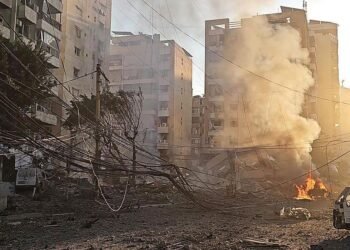 Israel Launches Fresh Strikes on Tehran & Beirut; US Warns “Hardest Hits” Ahead
 Three Days In, This War’s End Is Still Unclear
 US Has ‘Enough Weapons for Forever War,’ Trump Says
 Israel Strikes Lebanon After Hezbollah Rocket Fire as Iran Conflict Widens
 Latest on Middle East Conflict — In Maps: Strikes Across Iran and the Region
 Amazon Says Drones Damaged Three Facilities in UAE and Bahrain
 Man Recalls ‘Terrifying’ Dubai Missile Ordeal During Iran Strikes
 Israel’s New Airstrikes on Tehran & Beirut After US Embassy in Riyadh Is Hit
 Israel Launches Ground Invasion of Lebanon Amid Widening Middle East War
 Iranian Rockets Are Testing the Resolve of Dubai’s Instagram Stars
 US Embassy in Riyadh Hit by Iranian Drones as Israeli Troops Enter Southern Lebanon
 Riyadh Drone Attack Escalates Regional War
 US Strikes on Iran Triggered by Israel’s Plan to Launch Attack, Rubio Says
 Civilian Deaths in Iran Pass 700 Amid Fear of Bombs and Regime Clampdown
 Middle East attacks intensify as Trump rejects Iran talks
 Iran-Iraq border airstrikes spark new tensions
 US Senate Backs Trump War Powers Amid Iran Missile Barrage
 Thousands Protest Iran Strikes Outside US Embassy London
 US Bombers Arrive at RAF Base Amid Rising Iran Tensions
 Nine Days of Strikes Reshape the Middle East
 Seventh US Service Member Killed in Iran Conflict Identified
 Mojtaba Khamenei Supporters Rally as Iranians Fear Repression
 Video Analysis Suggests US Missile Hit Base Near Iran School
 Tehran Strikes Mark War’s Most Devastating Night
 Iran Defiance Grows Amid US-Israel War Pressure
 Middle East crisis live: Supreme leader ‘safe’, Iran and Israel escalate conflict
 US-Israeli Strategy Shifts to Plan B in Iran War
 Injured Mojtaba Khamenei Elevated as Iran Leader
 US Missile Strike on Iran School Sparks Global Shock
 Iran Gulf attacks escalate as ships and airports targeted
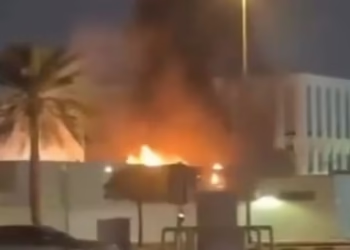 Busy International Airport Targeted by Iran in Latest Strikes
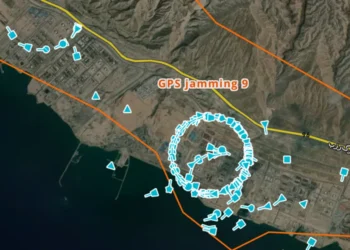 GPS Jamming: The Invisible Battle in the Middle East
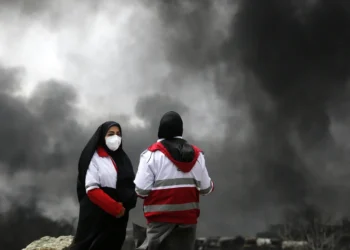 Iran Conflict: Trump’s Uncertain Path and Diplomatic Off-Ramp
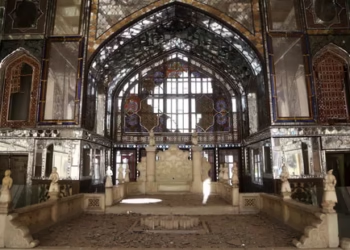 Ancient Heritage Sites Damaged in Recent Airstrikes
 China Approves ‘Ethnic Unity’ Law Requiring Minorities to Learn Mandarin
 Tehran Diary: Dark Days Under Relentless Bombardment
 British Tourist Charged Over Dubai Missile Strike Video
 Anti-Regime Iranians Turn Anger Toward Trump
 Trump Iran War Stance Hardens as Conflict Widens
 Kabul hospital strike sparks deadly blame row
 Ghalibaf Iran: Survivor Emerges in Shifting Power Game
 Gulf Distrust Grows Over Rumoured US-Iran Peace Talks
 WHO Warns of Health Crisis Unfolding in Middle East
 Saudi Arabia Urging US to Keep Up Iran Attacks
 Iran Warns of US Ground Assault Amid Rising War Tension
 Trump Threatens Iran With Total Infrastructure Destruction
 UN Warns Israeli Death Penalty Bill Could Be a War Crime
 UK Activist Leaders Convicted Over Protest Violations
 Albanese to Address Nation as War Sparks Economic Crisis
 “I Haven’t Slept for Days”: Iranians Describe Mounting Desperation After a Month of War