Published: April 6, 2026
The English Chronicle Desk
The English Chronicle Online
Hungary has alleged the discovery of a plot to sabotage a critical gas pipeline just weeks ahead of a highly anticipated national election, raising tensions over security, energy stability, and political interference. The claims, made by senior government officials, have intensified an already charged pre-election environment, with authorities framing the incident as both a national security threat and a potential attempt to destabilize the country.

According to Hungarian officials, intelligence services uncovered evidence suggesting that unidentified actors were planning to damage key energy infrastructure, specifically targeting a pipeline vital to the country’s gas supply. While details remain limited, authorities stated that the alleged plot was disrupted before any physical damage could occur. Investigations are ongoing, and security has been heightened around strategic infrastructure sites across the country.
The government has not publicly identified those responsible, but it has hinted at the possibility of foreign involvement. Officials emphasized that the timing of the alleged plot—so close to the election—raises serious concerns about external interference aimed at influencing Hungary’s political landscape. These assertions, however, have not yet been independently verified, and opposition figures have urged caution against drawing premature conclusions.
Energy security has long been a sensitive issue in Hungary, particularly given its reliance on imported natural gas. Pipelines serve as critical lifelines for both domestic consumption and industrial activity. Any disruption could have immediate economic consequences, including rising energy costs and supply shortages. In this context, the alleged plot has amplified public anxiety, with citizens increasingly aware of the vulnerabilities associated with infrastructure dependency.
The political implications are equally significant. Hungary’s upcoming election is expected to be closely contested, with debates focusing on economic performance, governance, and the country’s relationship with the European Union. The emergence of a security threat narrative has the potential to reshape campaign dynamics, as the ruling government positions itself as a defender of national stability.
Opposition leaders have responded cautiously to the allegations, calling for transparency and evidence. Some have warned against the politicization of security issues, suggesting that unverified claims could be used to influence voter sentiment. They have demanded that any findings from the investigation be shared with independent oversight bodies to ensure credibility and public trust.
Analysts note that infrastructure-related threats are not uncommon in the current geopolitical climate, where energy systems are increasingly viewed as strategic targets. Across Europe, concerns about sabotage and cyberattacks have grown amid heightened tensions and shifting alliances. Hungary’s claims, whether ultimately substantiated or not, reflect a broader sense of vulnerability that extends beyond national borders.
The European Union has yet to issue a formal response to the allegations, though officials have previously emphasized the importance of safeguarding critical infrastructure. Cooperation among member states on energy security has become a priority, particularly in light of recent disruptions and the ongoing effort to diversify energy sources.
Within Hungary, the government has moved swiftly to reassure the public. Additional security measures have been implemented, including increased patrols, surveillance, and coordination with private sector operators. Authorities have also urged citizens to remain vigilant and report any suspicious activity, framing the situation as a collective responsibility.
Despite these efforts, questions remain about the nature and credibility of the alleged plot. The lack of detailed information has fueled speculation, with some observers suggesting that further disclosures will be necessary to fully assess the situation. Transparency will likely play a critical role in shaping public perception, particularly in the context of an election where trust in institutions is a key factor.
Economically, the potential impact of such threats cannot be overlooked. Even in the absence of actual damage, heightened risk perceptions can influence markets, investor confidence, and energy pricing. Businesses that rely heavily on stable energy supplies may adopt precautionary measures, potentially affecting productivity and growth.
The intersection of security, energy, and politics underscores the complexity of the current moment in Hungary. As the election approaches, the government’s handling of the situation will be closely scrutinized, both domestically and internationally. Whether the allegations prove to be a credible threat or a misinterpreted signal, their influence on public discourse is already evident.
In the broader context, the incident highlights the evolving nature of political risk in an interconnected world. Infrastructure, once considered a purely economic asset, has become a focal point of strategic competition. For countries like Hungary, balancing openness with security will remain an ongoing challenge.

As investigations continue, the focus will shift toward evidence and accountability. The coming weeks are likely to bring further developments, which could either reinforce the government’s claims or raise new questions about the narrative. In either case, the situation serves as a reminder of how quickly security concerns can intersect with political processes, shaping outcomes in unpredictable ways.
For now, Hungary stands at a critical juncture, navigating both an electoral contest and a potential security threat. The resolution of this episode will not only impact the immediate political landscape but may also influence how the country approaches infrastructure protection and risk management in the future.
Related News:
 US Eases Sanctions on Russian Oil Sales to India During Iran Conflict
 Gulf Oil Shock Sends Global Economic Ripples
 Iran Rejects Ceasefire, Warns Trump With Chilling Message
 Philippines energy emergency sparks coal power surge
 Kinnock’s Rebuke Echoes Loudly as Corbyn Allies Launch Left-Wing Breakaway: “A Gift to Farage”
 Trump Administration Dismisses 17 Immigration Judges, Sparking Debate Over Judicial Independence
 UK Must Act with Courage and Clarity on Israel-Palestine Conflict, Says Foreign Affairs Committee Report
 Trump Threatens 100% Tariff on Nations Importing Russian Oil Amid India Standoff Over Ukraine War
 Radioactive Leak at UK’s Nuclear Warhead Base Sparks Outcry Over Safety and Secrecy
 Mutual Inconvenience: Why Alaska Was Chosen for the Trump-Putin Summit on Ukraine
 Hong Kong Summons UK and Australian Envoys Following Asylum Grants to Democracy Activists
 Is the UK Ready to Put Boots on the Ground in Ukraine? Assessing Military Capacity and Challenges
 Channel Crossings Surge: Over 1,000 People Arrive in the UK in Small Boats in a Single Day
 Widow of Charlie Kirk Forgives Killer at Emotional Memorial Service
 Yvette Cooper Signals Global Momentum Towards Gaza Peace Deal Amid Humanitarian Crisis
 Public Trust in SNP Hits Historic Low Amid NHS Concerns
 Johnson Suggests Mandelson Linked to China Spy Controversy
 Rachel Reeves signals welfare reform ahead of key budget
 Russia’s Latest Push to Win US Favors Shows Deep Desperation
 BBC to Apologise Over Edited Trump Speech Amid Backlash
 Britain deploys RAF specialists to assist Belgium with drone threats
 Trump Urges Herzog to Grant Netanyahu Full Pardon
 Indian authorities demolish Kashmir home linked to Red Fort blast
 Greene Pushes Epstein Files Amid Trump Fallout
 Trump Deploys DHS to Charlotte in Major Arrest Operation
 December Run-Off in Chile as Election Produces No Winner
 Canada Passes Carney’s First Budget in Tight Parliamentary Vote
 Shadow Fleet at Sea: Europe’s Battle Against Illicit Oil Shipping
 India’s COP30 Delay Raises Global Climate Concerns
 Georgians Defy Government Crackdown After Year of Protests
 Russia losses Ukraine war peace talks intensify amid rising deaths
 Albanese Opens Door to Bondi Royal Commission Amid Rising Pressure
 Trump Escalates Minnesota Immigration Surge Amid Rising Tensions
 Iran Protesters Defy Crackdown as Violent Clashes Intensify
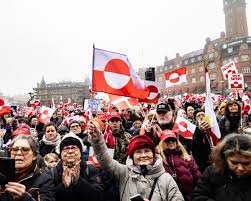 EU weighs response amid Greenland tariff crisis with Trump
 EU Says US Ties Have Suffered ‘Big Blow’ After Greenland Crisis
 Israel Moves to Bar MSF From Gaza Operations
 Australian Families Leave Syrian Camp for Home
 Starmer Weighs Fast-Tracking Defence Boost
 Nine Arrested in France Over Death of Far‑Right Student
 Andrew Arrest Sparks Republic Debate in Australia
 Australian PM Says Former Prince Andrew Has Suffered ‘Extraordinary Fall’ but That Won’t Prompt Republic Referendum
 Musk Cuts Starlink Access for Russian Forces – Giving Ukraine an Edge at the Front
 Farage Chagos Islands Row Sparks Fury
 Ukraine Negotiator Reveals What It Feels Like Facing Russia
 Chad Shuts Border With Sudan in Bid to Stop Conflict Spreading
 French Minister Moves to Block US Envoy Kushner from Government Access
 Has Europe truly learned from the failures of 2022?
 American Citizen Killed in Cuba Boat Shooting, U.S. Officials Say
 Iran’s Regime Still Intact — Coming Days Will Test Its Survival
 Allies of US in the Gulf Bear Brunt of Iran Attacks
 Trump Faces Questions Over Iran Conflict Plan
 Israel Launches Ground Invasion of Lebanon Amid Widening Middle East War
 Herzog Asio meeting sparks security storm
 Nepal Holds First General Election Since Gen Z Protests Toppled Government
 How Depleted Weapons Stockpiles Could Affect the Iran Conflict
 Macron Finds ‘Freedom Fries’ Redemption in Iran Crisis
 Finland Plans to Lift Decades‑Old Ban on Hosting Nuclear Weapons
 Minister Meets Crews Who Will ‘Take Out’ Iranian Drones
 UK–US Tensions Ease as Starmer and Trump Hold First Call Since Iran Row
 Nine Days of Strikes Reshape the Middle East
 Trump Pressures Congress Over Save America Act
 Iran War Puts Trump at Political Risk Amid Rising Prices
 Iran’s New Leader Faces Existential Test
 Iranian Football Squad Asylum Drama Shocks Australia
 Ukraine War Becomes Flashpoint in Hungarian Election
 Queensland Protest Laws Spark Free Speech Backlash
 Oil Price Jumps Despite Deal to Release Record Amount of Reserves
 Eswatini Deal Sparks Global Outcry Over US Deportations
 Yvette Cooper: UK Must Follow Principles, Not US Pressure
 Trump Iran War Stance Hardens as Conflict Widens
 Trump Nato threats expose Iran strategy vacuum
 Trump’s Confidence Undimmed — But Every Iran Option Carries Risk
 Sri Lanka Sets Weekly Shutdown to Save Fuel
 Israel Says Iran Security Chief Larijani ‘Killed’
 Trump Facing Backlash from Epstein Survivors Over Files
 UK Forces Ready to Seize Russian Shadow Fleet Vessels
 Trump Considers Military Operation to Seize Iran’s Uranium
 Trump Signals US Exit From Iran as Tehran Eyes Peace
 Report Says Pezzullo Acted ‘Recklessly’ in Dealings