Published: 07 April 2026. The English Chronicle Desk. The English Chronicle Online.
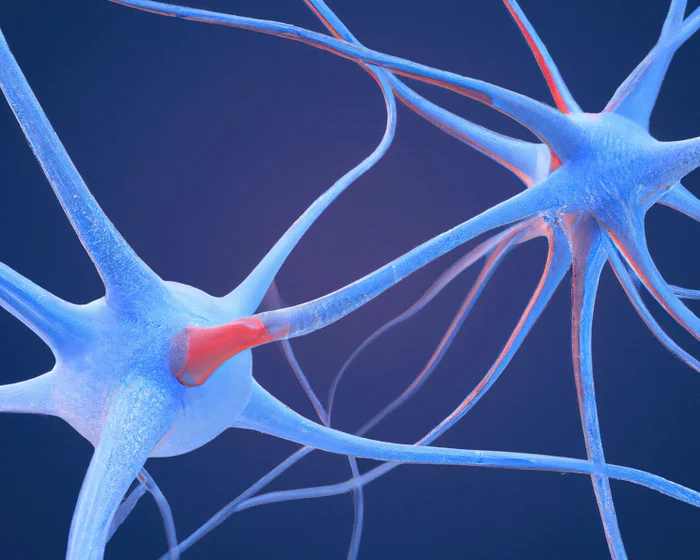
The human mind has long been described as a vast and largely uncharted wilderness of thought. Scientists have now managed to create a definitive map of how psychedelic substances alter this terrain. This landmark discovery reveals a shared neural fingerprint across several major mind-altering compounds used today. Researchers analyzed hundreds of brain scans to find common patterns in LSD and psilocybin experiences. They also included DMT, mescaline, and the traditional Amazonian brew known as ayahuasca in their study. The results suggest that these substances share a fundamental impact on the brain’s complex behavior. This finding emerged from a massive collaborative effort involving eleven different global brain imaging datasets. By combining these sources, the team built a reliable picture of temporary brain rewiring processes. Such insights are becoming increasingly vital as clinical trials explore new therapies for mental health. Researchers are investigating these drugs as potential treatments for severe depression and complex neurological conditions. Conditions like schizophrenia and post-traumatic stress disorder may soon see revolutionary new management options available. Dr Danilo Bzdok from McGill University noted that these five drugs share very specific effects. He explained that these substances have never been analyzed together for their collective brain impact before. The most significant finding is how these drugs dissolve the usual order of brain systems. Every participant showed a flattening of the typical hierarchy that governs our daily cognitive functions. This shift likely explains why many users report having raw access to their own consciousness. Scientists have spent decades trying to understand why these substances produce such vivid, intense hallucinations. They also wanted to explain the phenomenon of ego death or the dissolution of the self. This occurs when a person feels their unique sense of identity begin to slowly disintegrate. Many previous studies were far too small to provide any truly confident or lasting conclusions. Writing in the journal Nature Medicine, the team analyzed more than five hundred individual brain scans. These scans came from two hundred and sixty-seven people across five different participating countries. This project is now believed to be the largest study into psychedelics and the brain. While minor differences existed between the drugs, the overlap in brain communication was truly substantial. The most striking effect was the surge in communication between various high-level thinking networks. These sophisticated systems began talking more frequently to primitive networks linked to vision and sensation. Dr Bzdok described this phenomenon as an unleashed cross-talk occurring between many different brain systems. He noted that these regions are wildly communicating with each other in an excessive manner. This creates a sensory symphony that bypasses the normal filters of the healthy human mind. Further changes were identified deep within the brain in regions linked to movement and habits. These areas are also responsible for how we learn and process new environmental information daily. Interestingly, the study found little evidence that individual brain networks actually disintegrate during the trip. This contradicts several previous claims made by smaller studies over the last several years. Instead of breaking down, the brain seems to reorganize into a more interconnected state. This work helps to place the field of psychedelic research on a much surer footing. Such a foundation is crucial if these drugs are to become widespread medical therapies. Dr Bzdok remarked that the field had previously been building houses on mere matches. He launched this study with the ambition to provide a solid foundation for future work. Dr Emmanuel Stamatakis from the University of Cambridge echoed this need for scientific responsibility. He emphasized that the field is moving quickly and requires large-scale and coordinated evidence.

The researchers believe that understanding this neural fingerprint will help tailor treatments for specific patients. If a universal signature exists, doctors can better predict how a patient might respond. This is particularly important for those suffering from treatment-resistant depression who have few other options. The study highlights how the brain becomes more flexible and less rigid under these substances. This fluidity might allow patients to break out of negative and repetitive thought patterns. Such patterns are often the hallmark of chronic anxiety and other debilitating mental illnesses. By flattening the hierarchy, psychedelics allow the brain to escape its usual restrictive cognitive ruts. This temporary state of entropy could be the key to long-term psychological healing and growth. The international team hopes their data will be used to develop safer therapeutic protocols. Having a clear map of the brain’s reaction reduces the mystery surrounding these potent compounds. It also helps to de-stigmatize substances that were once relegated to the cultural fringes. As the legal landscape shifts, the need for rigorous peer-reviewed data becomes even more urgent. The English Chronicle understands that several UK universities are already planning follow-up clinical trials. These new trials will build directly upon the data provided by this massive imaging study. Public interest in the medicinal use of psychedelics has reached an all-time high recently. Patients are increasingly looking for alternatives to traditional pharmaceuticals which often have many side effects. The discovery of a neural fingerprint provides a biological explanation for profound spiritual experiences. It bridges the gap between subjective personal reports and objective medical science in a way. The study also sheds light on how the brain maintains its sense of self normally. By seeing the self dissolve, scientists can identify the circuits that create our daily identity. This research could eventually lead to a deeper understanding of human consciousness as a whole. The team used advanced machine learning algorithms to process the vast amounts of imaging data. These tools allowed them to see patterns that would be invisible to the human eye. The collaboration between Montreal and Cambridge shows the power of international scientific cooperation today. Such partnerships are essential for solving the most complex mysteries of the human internal world. As we look toward the future, the brain remains the ultimate frontier for medicine. This study marks a significant step forward in our journey to understand our own minds. The neural fingerprint is more than just a scan; it is a glimpse into reality. It shows that beneath our differences, our brains react to these substances in harmony. This shared biological response offers hope for millions of people worldwide seeking mental clarity. The researchers plan to expand their work to include even more diverse drug compounds. They want to see if other non-psychedelic substances produce similar shifts in brain hierarchy. For now, the focus remains on perfecting the use of these five major drugs. The goal is to move from experimental research to regulated, safe, and effective clinical practice. This requires patience, precision, and the kind of high-quality data this study has produced. The world of psychiatry may be on the verge of its most significant transformation. This transformation is being driven by a combination of ancient knowledge and modern technology. With the neural fingerprint identified, the path toward new mental health treatments is clearer. Scientists are finally beginning to speak the language of the dreaming and tripping brain. Each new discovery brings us closer to unlocking the full potential of human cognitive health. The English Chronicle will continue to monitor these developments as they unfold in labs. For many, this research represents a beacon of hope in a very dark room. It suggests that the brain has a natural capacity for profound and rapid change. Understanding this capacity is the first step toward harnessing it for the greater good. The journey into the mind is only just beginning for the global scientific community.
Related News:
 Indonesia blocks Grok chatbot over sexual content risk
 The Woman Guarding Earth From the Threat of Asteroids
 California Defies Trump With Strict New AI Standards
 Artemis II: Humanity Returns to the Lunar Frontier
 Norway’s Telenor Faces Lawsuit Over Myanmar Data Breach
 Jimmy Wales Slams Australia Social Media Ban Policy
 Court Upholds Landmark Win for Transgender Rights
 US AI Growth Faces Backside as Datacenters Hit Drought
 AI Deepfakes of Farage and Bailey Spark Bank of England Alert
 AI to Help Botanists Win the Critical Race Against Extinction
 AI Lawyer Triumphs in Landmark English Court Victory
 Telstra Software Fault Triggers Massive Nationwide Outage
 Japan Vows to Bolster Security Against Espionage
 Virgin Trains Moves Closer to Challenging Eurostar Monopoly
 UK Bans Fake Numbers: Scammers Lose Their Trick
 Vibe coding’ named Collins dictionary’s word of the year
 Patients to Test Health at Home to Ease NHS Winter Pressure
 Britain deploys RAF specialists to assist Belgium with drone threats
 Northern Lights may illuminate UK skies this week
 New AI tool could cut wasted efforts in organ transplants
 Sundar Pichai Cautions on AI Hype and Market Risks
 Friedman Uninvited From 2024 Adelaide Writers’ Week
 Spoof “Make America Go Away” Caps Rally Denmark Over Greenland
 EU launches Grok AI probe into X over explicit images
 ABC Facebook Page Briefly Hacked, Adult Photos Posted
 Meta trial over child exploitation claims begins
 BT Names New Openreach Chief Amid Major Fibre Expansion
 Tech Trends Set to Transform Life in 2026
 Stewart Brand on Musk, Bezos and a Life of Long Thinking
 New Zealand Covid Response Praised Despite Lingering Scars
 The Kill Line: A Shifting Vision of the American Dream
 ‘Drinking from a Fetid Pond’: Superbug Genes in Lough Neagh
 Diplomacy on the Brink: Pakistan’s Risky Peace Mission
 Teenage Titan: Sooryavanshi Smashes IPL Records
 Canadian Mother and Daughter Released From ICE Detention
 Trump and Tehran Find Common Ground in Landmark Ceasefire
 Own an Entire Australian Town for the Price of a UK Flat
 Melania Trump Denies Ties to Epstein and Ghislaine Maxwell
 Reeves Slams Trump Over Iran War Lack Of Exit Plan
 Kyiv and Odesa Mourn After Deadly Wave of Russian Strikes
 Trump’s Presidency: A House of Cards Collapsing?
 Robots Outpace Humans in Beijing Half-Marathon
 US Forces Seize Iranian Ship Near Hormuz Blockade
 Trump Starts $166bn Tariff Refund Process
 UK Faces Growing Threat of Scale Hacktivist Attacks
 Investigation: Offshore Loans and Sanctions
 Prominent Voices Challenge Palestine Action Ban
 Cross-Border Crisis Shatters Fragile Afghan Peace
 WHO approves first malaria drug for babies
 NSW Police Urged Victim to Abandon Antisemitic Case
 The Burning Lens: An Iranian Artist’s Visual Resistance
 FIFA Confirms Global Ban for Benfica Star Prestianni
 Tensions Surge in the Gulf as Ceasefire Wobbles
 One Nation Candidate’s Surprising Ties to Independents
 US and Mexico Face Heatwave as Floods Batter South Africa
 Putin Signals War End as Russian Momentum Stalls
 Romania’s Judicial Crisis: A System Under Siege
 Scepticism and tight security as Beijing braces for Trump
 Philippine Senator Flees After Days Under Senate Siege
 Fragile Truce Shattered as Violence Escapes Diplomatic Control
 Secrecy Down Under: Albanese Faces FoI Scandal
 Tony Abbott Returns as New Liberal Party President
 Discontent grows around Putin amid war strain
 Teaching Machines Right From Wrong in the Digital Age
 Oman Defies US Pressure Over Strategic Strait of Hormuz
 Ex-CIA Agent Accused of $40m Gold Theft and Fake Spy Unit
 Stolen Mobiles Could Soon Become Useless Bricks
 Aukus Deal Facing Fierce Backing and Historic Criticism
 Tragic Loss of Australian Sprinter Jemma Stapleton
 Trump Urged to Condemn UFC Fighter Over Obama Slurs
 Russian Tanker Captain Remanded in UK Court After Channel Seizure
 US Military Pacific Boat Strike Kills Three People
 Trump’s Mount Rushmore Speech: A Divisive Anniversary
 Sydney Records Hottest June Since 1859 as Expert Warns New High a ‘Signature’ of Global Warming
 Telstra Software Fault Triggers Massive Nationwide Outage
 Trump Swaps Planes Amid Iran Tensions
 Rotterdam Museum Honours Artist With Peanut Butter Floor
 Bangkok Nightclub Blaze Claims 30 Lives Amid Negligence Probe
 Yemen Accuses Iran of Violating National Sovereignty
 Houthis Strike Saudi Arabia as Middle East Tensions Rise