Published: 07 April 2026. The English Chronicle Desk. The English Chronicle Online.
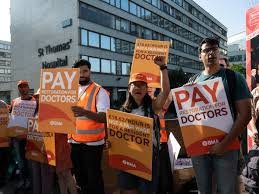
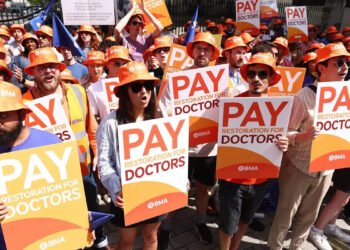
The healthcare landscape in England faced another morning of deep uncertainty as resident doctors walked out. This latest industrial action marks the start of a grueling six-day stoppage across the entire country. Health Secretary Wes Streeting has expressed profound disappointment regarding the current state of these intense negotiations. He recently accused the British Medical Association of effectively torpedoing their own financial and professional future. The cabinet minister claimed that the union scuppered a very serious offer from the central government. This offer was intended to transform the working conditions and career paths of thousands of medics. However, the BMA remains firm in its belief that the government shifted the goalposts late on. Tens of thousands of doctors began their picket lines at precisely seven o’clock on Tuesday morning. This strike represents the longest period of industrial action in the history of the health service. It follows a series of fifteen separate walkouts staged by the group since March of 2023. The campaign for full pay restoration continues to be the primary driver behind this persistent unrest.
NHS officials have shared grave concerns about the immediate and long-term impact on patient care services. Current estimates suggest this specific strike will cost the health service approximately three hundred million pounds. Thousands of appointments are being cancelled as senior consultants scramble to cover the urgent frontline gaps. Patients are being warned that they will likely wait longer for vital tests and elective surgeries. Health leaders have pleaded with the public not to be put off seeking necessary medical care. They emphasize that emergency services remain open for those facing genuine and life-threatening health crises today. Total costs for these strikes since 2023 are now estimated to exceed three billion pounds. This figure reflects the sixty days of industrial action seen over the last three years alone. The Guardian put this staggering estimate to the NHS, which did not object to the number. Financial pressures continue to mount as the health service tries to recover from a global pandemic.

Recent talks held last Tuesday and Wednesday failed to produce any meaningful compromise for either side involved. The union and government ministers remain far apart on several key issues including annual salary increases. Speaking before the walkout, Wes Streeting suggested the BMA had killed off chances for better pay. He argued that the strike now threatens to derail progress made on reducing long patient waiting times. The Health Secretary insisted that months of detailed negotiations and collaboration had led to a deal. This proposed deal would have delivered an average pay rise of nearly five per cent this year. Lowest-paid doctors would have seen an even higher boost of over six per cent in total. The government claims the offer represented a thirty-five per cent increase compared to four years ago. These figures were designed to address the concerns regarding the rising cost of living for staff. Streeting believes the rejection of this offer is a significant missed opportunity for all resident doctors.
The government also claimed to have listened to serious concerns regarding career progression and training bottlenecks. Streeting noted that they responded with a serious plan to help graduates find suitable training places. Emergency legislation was recently used to prioritize UK graduates for these essential and highly competitive roles. This move aimed to reduce competition ratios from four to one to less than two. The rejected deal would have introduced forty-five hundred additional specialty training posts over three full years. One thousand of these positions were scheduled to become available as early as this current April. Furthermore, the government offered to reimburse mandatory exam fees which often cost doctors thousands of pounds. Streeting argued that rejecting this offer directly torpedoed the training posts available to the medical workforce. He maintains that the BMA’s decision puts the wider recovery of the entire NHS at risk. The Secretary of State appears increasingly frustrated by the lack of agreement after such long talks.
On the other side, the BMA has been seeking a twenty-six per cent pay rise overall. They want this increase spread over several years to achieve what they call full pay restoration. The union declared this six-day strike because they felt the government acted in bad faith recently. They claim that ministers changed the terms of the deal after weeks of supposedly productive negotiations. Reports suggest the breakdown was triggered by a row over seven hundred million pounds in pay. This specific sum was intended for progression pay to help meet the demands of the doctors. Streeting wanted to distribute this extra money gradually over the course of the next three years. However, the BMA demanded the full amount be paid within the new NHS operational year. This disagreement over timing seems to have been the final straw for the negotiating teams involved. Both parties are now publicly blaming each other for the collapse of these critical spring talks.
Dr Jack Fletcher, chair of the BMA resident doctors committee, defended the decision to strike today. He stated that his colleagues were truly serious about finding a permanent end to this dispute. Fletcher blamed the government for the breakdown, saying a deal was taking shape before the shift. He claimed the government quietly watered down the offer and reduced the total money on table. According to Fletcher, stretching the remaining funds over too many years made the deal essentially worthless. He insisted that these strikes were entirely avoidable if the government had remained consistent and fair. The union leader expressed confusion over why the government pulled the plug on new training places. He believes the withdrawal of those positions is a punitive measure against the junior medical staff. The tension between the BMA leadership and the Department of Health has reached a new peak. Neither side seems willing to blink as the picket lines grow larger across the main hospitals.

Streeting responded by clarifying that the offer of extra places was always conditional on an agreement. He informed the BMA by letter that the withdrawal was a direct result of their rejection. He argued that the union cannot reject a deal while still claiming its specific negotiated benefits. The Health Secretary believes the BMA leadership is failing to act in the interest of members. This public war of words is playing out against a backdrop of increasing patient frustration nationwide. The strike is scheduled to continue until seven o’clock next Monday morning across all of England. Hospital trusts are working hard to maintain safety while operating with a severely reduced medical workforce. Patients are still being urged to attend their planned appointments unless they are told otherwise directly. Those with life-threatening emergencies are reminded to call triple nine or attend local emergency departments immediately. The resolution to this long-running conflict remains elusive as both sides dig in their heels.
The long-term implications for the NHS workforce remain a point of significant concern for policy experts. Frequent industrial action may impact the morale of doctors who are already facing high levels of burnout. The government insists it has been fair, while doctors feel their professional value is being ignored. With three billion pounds already spent on managing strikes, the financial burden is becoming difficult to ignore. Every day of strike action requires expensive cover from consultants and locum doctors to ensure safety. This creates a cycle of spending that many argue would be better used for permanent raises. Public support for the strikes remains a complex and shifting metric as wait times continue growing. Some voters sympathize with the doctors, while others are weary of the constant disruption to care. The English Chronicle will continue to monitor this developing story as the week-long strike progresses further. For now, the stalemate between Wes Streeting and the BMA shows no signs of breaking. Both the government and the union appear prepared for a very long and difficult standoff ahead.
Related News:
 Celebrities and Charities Demand UK Government Act on Child Poverty
 Lancashire council plans to close care homes and day centres
 Reeves rejects £1bn plea for NHS redundancy payouts
 Boris Johnson Oversaw Toxic No 10 Culture, Covid Inquiry Finds
 Welsh Government Christmas 2020 Lockdown Criticised
 Reform UK Health Plan ‘Would Cost £1.7bn’, Streeting Says
 NHS Negligence Ruling Raises Payout Costs
 NHS Maternity Units Cover Up Harmful Childbirth Errors
 NHS Plans to Cut Overseas Workers Labeled Overambitious
 NHS Staff Shortages Stifling Recovery for Stroke Survivors
 Unions Raise Concerns Over Doctors’ Pay Dispute
 Hospice Cuts Raise Alarm Across England Amid Funding Crisis
 Green Party Surges Past Labour in Latest UK Poll
 Trump’s UK Ambassador Urges North Sea Drilling to Strengthen US Ties
 French Taxi Driver Cleared in David Lammy Theft Case After Fare Dispute
 Patients to Test Health at Home to Ease NHS Winter Pressure
 Millionaires group urge Reeves to introduce wealth tax to ‘lift kids out of poverty’
 Starmer Faces Growing Dissent as Labour MPs Weigh Leadership Challenge
 Shouting Works Best to Deter Gulls, UK Study Finds
 PM Condemns Leaks, Vows Loyalty to Ministers and Stability
 Major Rent Reform Ends No-Fault Evictions in England
 Peers Flood Assisted Dying Bill with 942 Amendments
 Senator John Fetterman Hospitalized After Fall from Heart Flare-Up, Keeps Sense of Humor
 Stroke Patient Mistaken for Drunk, Care Delayed
 ‘Traumatic Wait’: Northern Ireland Women Face Breast Cancer Delays
 Coffins Now Too Large to Cremate Amid Rising Obesity Crisis
 Most Tories Expect to Support a Farage-Led Government
 Labour MP claims devolution bill is ‘blatant discrimination’ against Cornwall
 Millions Face Higher Taxes Under Reeves New Budget
 Five-Year-Old Dies After Rare Tonsil Surgery Complication
 Fibromyalgia Patients Struggle as NHS Fails to Provide Care
 Starmer Says Labour’s Economic Plan Needs Years to Deliver
 More Patients Now Contacting GPs Online, Data Shows
 Culture secretary to review Telegraph takeover by Daily Mail owner
 Children to Receive Home Vaccines as England Acts
 NHS Violence Crisis: Staff Face Daily Assaults
 Celebrity Campaign Highlights SMA Screening Failures
 Plans to Limit Jury Trials Face Retreat After Mounting Opposition
 Right Must Unite After Jenrick Defection, Urges Rees-Mogg
 UK Ministers Drop Foreign Student Targets for Global Education Push
 MPs warn AI financial risks threaten UK stability
 No Gas Boiler Ban as UK Warm Homes Plan Backs Heat Pumps
 UK Glaucoma Rise Signals Looming Eye Health Crisis by 2060
 Shinzo Abe’s killer receives life sentence in Japan
 Lords Vote Piles Pressure on Starmer Over Social Media Ban
 Police response times face strict new national limits
 Labour policing overhaul sparks fears over growing central control
 Tories criticised after Braverman defection sparks mental health row
 Starmer warns of toxic division politics in Reform challenge
 Starmer China visit raises human rights pressure on Beijing
 Pneumonia Surge Pushes England Emergency Cases Higher
 Palantir contracts face UK halt calls over transparency
 Cabinet Secretary Shake-Up Triggers Due Diligence Warning
 Farage to Name Jenrick as Reform Chancellor Pick
 UK MPs Demand Ban on Brazilian Butt Lifts
 Civil Service Pay: Union Urges Ministers to End ‘Barking Mad’ Limits
 Antonia Romeo appointment sparks criticism
 Trump and Chagos Deal Rift Over Iran Strikes
 Farage Chagos Islands Row Sparks Fury
 Reform UK targets workers’ rights repeal
 Half of Britons Avoid GP When Ill, Survey Reveals Growing Concern
 Russian Trade Routed Through British Islands Exposed
 Mandelson Arrest: Met Apologises to Hoyle
 Palestine Action ban appeal moves forward
 Drop in Overseas Workers Sparks ‘Car Crash’ for UK Hospitals
 Refugee Status Overhaul Sparks UK Debate
 BBC Charter Reform Sparks Independence Battle
 Thousands Protest Iran Strikes Outside US Embassy London
 US Bombers Arrive at RAF Base Amid Rising Iran Tensions
 UK Oil and Gas Supplies Reassured Amid Middle East Concerns
 ‘We can’t go back’: mother of six-year-old cancer survivor fears UK visa changes
 Palantir NHS Contract Sparks Fears Over Data Power
 UK Patients Face Long Journeys as Pharmacies Cut Hours
 Yvette Cooper: UK Must Follow Principles, Not US Pressure
 Charity Watchdog Takes Control of Learning Disability Care Home
 Iran’s Failed Strike on Diego Garcia Sparks UK Security Concerns
 NHS Satisfaction Rises for First Time Since 2019
 Wes Streeting Backs Starmer Amid Speculation of Leadership
 Can King Charles Calm Trump on Key US Visit?
 ‘It’s Heartbreaking’: NHS Training Freeze Leaves Resident Doctors in Limbo