Published: April 7, 2026. The English Chronicle Desk. The English Chronicle Online — Reporting on the intersection of military honor and international law.
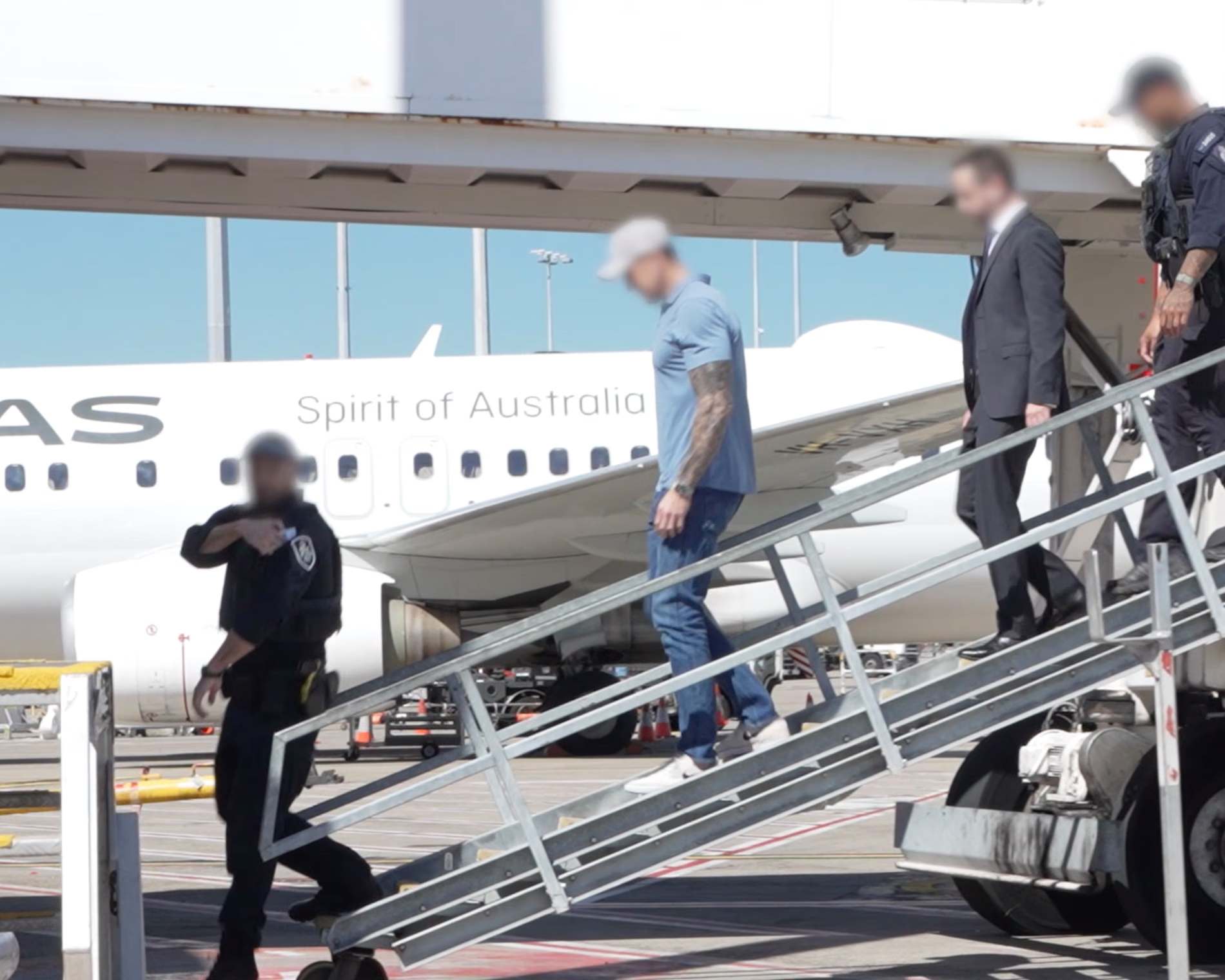
SYDNEY — In a watershed moment for Australian military history, Ben Roberts-Smith, the nation’s most decorated living soldier, was arrested by federal agents at Sydney International Airport on Tuesday morning. The 47-year-old former Special Air Service (SAS) corporal has been formally charged with five counts of murder related to the alleged deaths of prisoners and civilians during his deployments to Afghanistan between 2009 and 2012. The arrest, executed with “surgical precision” by the Australian Federal Police (AFP), marks the first time a Victoria Cross recipient has faced war crime charges in the country’s history.
The charges follow a exhaustive six-year investigation by the Office of the Special Investigator (OSI), established in the wake of the landmark Brereton Report into alleged atrocities by Australian special forces. AFP Commissioner Krissy Barrett confirmed that the five counts of murder relate to three distinct incidents in Uruzgan Province. Among the allegations is the 2012 death of an Afghan villager who was reportedly kicked off a cliff before being shot, an incident that was a focal point of Roberts-Smith’s failed 2023 defamation trial against three Australian newspapers.
The arrest has reignited a fierce national debate over the treatment of “war heroes” in the judicial system. Roberts-Smith has consistently denied any wrongdoing, maintaining that all deaths occurred during “lawful engagements” in the heat of battle. His legal team, which includes some of the country’s most prominent barristers, has signaled it will “vigorously contest” every charge, arguing that the OSI’s case relies on “unreliable” testimony from disgruntled former colleagues and Afghan witnesses.
While the Australian Greens have hailed the arrest as a “victory for the rule of law,” right-wing politicians, including One Nation leader Pauline Hanson and former Prime Minister Tony Abbott, have criticized the move. “We are asking men to do the impossible in the fog of war and then judging them a decade later in the comfort of a courtroom,” Abbott told reporters this afternoon. Conversely, human rights advocates argue that for the “integrity of the uniform” to be preserved, allegations of this magnitude must be tested in open court.
The arrest of Roberts-Smith comes at a sensitive time for the Australian Defence Force (ADF). With Australian troops currently on high alert in the Middle East due to the escalating conflict in Iran, the government is keen to demonstrate its commitment to international standards of conduct. The International Criminal Court (ICC) in The Hague has been closely monitoring the Australian investigations; legal experts suggest that the domestic prosecution of Roberts-Smith may be a “strategic move” to prevent the ICC from asserting its own jurisdiction over Australian personnel.

As the former soldier was led away in handcuffs, the image served as a somber bookend to a decade of controversy that has tarnished the once-unassailable reputation of the SAS. Roberts-Smith has been granted conditional bail and is expected to appear in the New South Wales Supreme Court next month. For the families of the victims in Afghanistan, and for a nation that once idolized him, the trial of Ben Roberts-Smith will be a grueling, high-stakes examination of what it means to be a “hero” in the modern age of warfare.
Related News:
 Sydney kidnapping mystery deepens as grandfather’s remains found after mistaken abduction
 Australians Arrested Over Alleged Murder of Grandfather Mistakenly Kidnapped
 Tragedy Hits Manhattan as Police Officer Among Four Dead in Midtown Office Shooting
 Northern Ireland Family of Three Shot Dead in Maguiresbridge Home Incident
 A Fugitive’s Double Life Uncovered: My Interview with Nicholas Rossi, Scotland’s Notorious Escapee Facing Utah Rape Trial
 Failed New Mexico Candidate Sentenced to 80 Years for Drive-By Shootings at Lawmakers’ Homes
 Father’s Tip Leads to Arrest in Charlie Kirk Murder Case
 Charlie Kirk Killing Used to Mobilise UK’s Largest Far-Right Rally in Decades
 Jailed Georgian Opposition Leaders Warn UK of Iranian Links to Ruling Party
 UK Gamer Recruited by Wagner Group Found Guilty of Arson
 Pregnant UK Teen to Be Freed from Georgian Jail
 Just Stop Oil Protesters Convicted Amid Climate Defence Row
 British Grandmother to Return Home After Death Sentence in Bali
 Oklahoma Governor Grants Last-Minute Clemency to Death Row Inmate
 Teens ‘Ran Amok’ at Ex-MP’s Covid Testing Firm
 Migrant father guilty of honour killing in Holland
 The ‘Untouchable Hacker God’ and Finland’s Darkest Digital Crime
 Emails Show Epstein Funded Mandelson’s Husband After Jail
 Suspect Named in Canada School Mass Shooting
 ‘Staggeringly Stupid’ Man Jailed After Tattooing Children
 Suspect in Rhode Island Ice Hockey Shooting Killed Ex‑Wife and Son
 Nine Arrested in France Over Death of Far‑Right Student
 Desperate Hunt for Breakthrough in Nancy Guthrie Case Turns to Mexico
 How Much Could Andrew’s Arrest Hurt the Royal Family?
 Epstein Eyed Record Label Investment to Access Women, Files Suggest
 Epstein Files Could Be Just Tip of the Iceberg for Andrew Investigation
Man Guilty of XL Bully Offence After Fatal Attack
Epstein Files Could Be Just Tip of the Iceberg for Andrew Investigation
Man Guilty of XL Bully Offence After Fatal Attack
 ‘El Mencho’ Killed in Military Operation, Triggering Violence
 Australian Prosecutors Consider Reopening British Girl’s Cold Case Disappearance
 Conman Stole My Money and Bought His Wife a 10‑Carat Diamond Ring
 Mexican drug cartel boss ‘El Mencho’ tracked through romantic partner
 ‘I reported rape in Hong Kong, now I could face prison’
 Nick Reiner pleads not guilty to killing parents Rob and Michele
 Owner Sentenced After Emaciated Dog Put Down
 Two Arrested After Woman Set on Fire in Revenge Attack
 Family Offers $1M Reward to Bring Home Missing Mother
 US ‘Suitcase Murderer’ Deported From Bali After 11 Years in Jail
 Alleged Bondi gunman seeks order to suppress family’s identity
 Istanbul’s ex-mayor to stand trial on corruption charges
 Two Charged After Bomb Attack Outside NYC Mayor’s Home
 Epstein Used Modelling Agent to Recruit Girls, BBC Told
 Chinese National Arrested Over Attempt to Smuggle 2,000 Queen Ants From Kenya
 Wealthy Parents Play Dead After Son Hires Hitman to Kill Them
 Ecuador Deploys 75,000 Forces in Anti-Gang Drive
 Children’s Author Convicted in Husband Poisoning Case
 Belarus Leader Gifts Rifle to Kim Jong Un

 Seven-Month Australian Manhunt Ends in Fatal Shootout
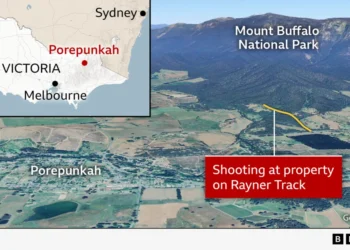 Australia’s Record Manhunt Ends in Fatal Shootout at Remote Hideout
 “Unforgivable Scene”: Crisis Staff Discover Gruesome Conditions at Convicted Undertaker’s Funeral Home
 “The Monster of Hull”: Funeral Director Admits to Preventing 30 Burials and Stealing Charity Cash
 Inside Job: Corrupt Prison Guard and Gang Jailed Over Sophisticated Smuggling Plot
 ‘Ghost Offences’: Data Reveals No Children Charged with New ‘Adult Crime’ Laws in 11 Years
 Targeted Attack in Bury Sparks Murder Investigation as Community Awaits Justice
 Merseyside Police Helicopter Crew Cleared After Low-Altitude Pursuit of Suspect
 Channel Crossings Surge: Over 1,000 People Arrive in the UK in Small Boats in a Single Day
 No Evidence Found to Substantiate Alleged Rape in Oxfordshire Churchyard, Police Confirm
 Trump Urges Herzog to Grant Netanyahu Full Pardon
 Indian authorities demolish Kashmir home linked to Red Fort blast
 Greene Pushes Epstein Files Amid Trump Fallout
 Man Denies Stealing Bronze Age Gold from Museum
 Runaway Driver Caught by DNA Evidence
 Woman Jailed for Life After Killing E-Bike Rider in Tragic Mistaken Identity Case
 Sydney Shark Attack Surge Shocks Australia Beaches
 Police Doubt Fugitive Dezi Freeman Survived Bushland
 Australia’s Opposition Coalition Reunites After Rift
 Fly-Tippers to Be Hunted by ‘Drone Squad’ in Crackdown from the Sky
 Australian PM Says Former Prince Andrew Has Suffered ‘Extraordinary Fall’ but That Won’t Prompt Republic Referendum
 Rape Accused Had Fight With Man in Alley, Court Told
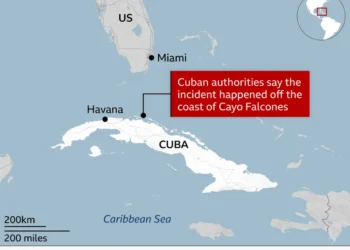 American Citizen Killed in Cuba Boat Shooting, U.S. Officials Say
 Suspects in Lisa Dorrian Case Released on Bail
 Driver Jailed Over Fatal Water Treatment Tank Crash
 Police Scotland Pays £8m Compensation to Staff
 Real Estate Brothers Convicted in Sex Trafficking Trial
 Queensland Protest Laws Spark Free Speech Backlash
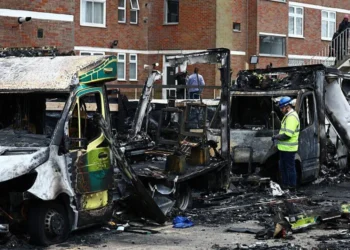 Two Men Bailed Following Arson Attack on Jewish Charity Ambulances
 Net Closes on Lyons Clan: Partner Arrested in Dubai as Crime Boss Snared in Bali
 Open Justice Prevails as Court Rejects Bondi Gunman’s Family Anonymity Bid
 “It Ends With Trial”: Judge Tosses Blake Lively’s Sexual Harassment Claims Against Justin Baldoni
 Report Says Pezzullo Acted ‘Recklessly’ in Dealings