Published: April 8, 2026. The English Chronicle Desk.
The English Chronicle Online — Dissecting the price of peace in the nuclear age.
WASHINGTON / TEHRAN — After fourteen days of the most intensive aerial bombardment in modern history, the sirens over Tehran have finally fallen silent. At 4:00 a.m. ET on Wednesday, President Donald Trump announced a “total and permanent” ceasefire deal with the Islamic Republic of Iran, effectively halting a conflict that many feared was sliding toward a nuclear exchange. While the White House is touting the agreement as the “ultimate deal” that brings “peace through strength,” a closer look at the fine print reveals a series of massive concessions that have left both allies and domestic critics questioning the long-term price of American withdrawal.

The deal, brokered in secret meetings in Muscat, Oman, provides President Trump with a much-needed “way out” of a war that was rapidly draining U.S. munitions and threatening global oil stability. However, the “high cost” of this exit is already being felt across the geopolitical spectrum.
To secure the ceasefire and the reopening of the Strait of Hormuz, the U.S. has agreed to a series of terms that would have been unthinkable just a month ago:
-
The $100 Billion Unfreeze: The U.S. will facilitate the immediate release of over $100 billion in frozen Iranian assets held in international banks.
-
The ‘Security Zone’ Withdrawal: U.S. naval assets will retreat to “pre-crisis” positions, effectively ending the maritime blockade that had brought Iran’s economy to its knees.
-
Infrastructure Reparations: In a highly controversial move, the deal includes a “reconstruction fund” for Iranian civilian infrastructure damaged during “Power Plant Day” and “Bridge Day,” funded partially by international energy consortiums.
The most stinging criticism involves the nuclear program. While the deal mandates a “temporary pause” in 60% uranium enrichment, it does not require the total dismantling of Iran’s centrifuge cascades. Critics argue that by leaving the core nuclear infrastructure intact while replenishing Tehran’s coffers with $100 billion, the U.S. has essentially “subsidized the next crisis.”
“This isn’t a peace deal; it’s a paid intermission,” said Senator Tom Cotton in a scathing midnight briefing. “We have handed the world’s leading state sponsor of terrorism a massive financial windfall in exchange for a pinky-promise to stop doing what they’ve already mostly finished doing.”
From the Oval Office, the President defended the cost as a “shrewd investment in American lives.” Administration officials pointed out that the deal secured the immediate release of fifteen Western detainees and guaranteed the “unimpeded flow” of oil, which saw global prices drop by 14% within minutes of the announcement.
“We hit them hard, we showed them what we could do, and then we made a great deal,” the President told reporters. “The experts wanted a 20-year war. I gave them a 14-day victory. And we didn’t lose a single American soldier in the process.”

Despite the political fallout in Washington, the sense of relief in the Middle East and Europe is palpable. The threat of a “Third World War” has, for now, been averted. In Tehran, residents reportedly took to the streets to celebrate the end of the blackouts, though the presence of the Revolutionary Guard remains heavy.
As the first oil tankers begin to move through the Strait of Hormuz this morning, the world is left to calculate the true value of the “Trump Peace.” It is a peace bought with billions, secured with fire, and maintained by a fragile trust that many believe is destined to break.
Related News:
 Inside Kyiv’s resolve as conflict nears five‑year mark
 US Partially Evacuates Beirut Embassy Amid Rising Iran Tensions
 Ecuador Deploys 75,000 Forces in Anti-Gang Drive
 PM Seeks to Reassure Australians Over Fuel Supply
 ‘Seismic Change’: How Nationalist Wins in Celtic Nations Could Reshape the UK
 ‘Power Plant Day and Bridge Day’: Israel Warns Iranians Off Trains as Trump Ultimatum Looms
 Trump Administration Dismisses 17 Immigration Judges, Sparking Debate Over Judicial Independence
 Modi’s London Visit Seals Historic UK-India Trade Pact Amid Global Tensions
 David Lammy Faces Possible Legal Challenge Over Foreign Office Secondment Scheme
 Jailed Georgian Opposition Leaders Warn UK of Iranian Links to Ruling Party
 UK Extradition Law Change Sparks Fears Among Hong Kong Dissidents
 Lucy Powell urged ministers to reconsider costly legal case for Labour donor’s firm
 Rachel Reeves to lead UK trade push in Saudi Arabia amid rights debate
 Johnson Approved China’s London ‘Super-Embassy’ in 2018
 China-critical UK academics face ‘extremely heavy’ pressure from Beijing
 Trump Urges Herzog to Grant Netanyahu Full Pardon
 US Justice Department Files Lawsuit Against California Over Partisan Voting Maps
 Trump Deploys DHS to Charlotte in Major Arrest Operation
 Canada Passes Carney’s First Budget in Tight Parliamentary Vote
 Congress Approves Release of Epstein Files, Trump Expected to Sign
 Texas Governor Faces Lawsuit From CAIR
 India’s Labour Law Overhaul Sparks Fierce Debate
 Chinese & Japanese Boats Clash Near Disputed Islands
 Putin Meets US Envoy Amid Key Ukraine Peace Talks
 South Korea Jails Ex-President in Martial Law Ruling
 Emails Show Epstein Funded Mandelson’s Husband After Jail
 Sydney Protest Clash Triggers Police Probe
 Last‑ditch Call to Save Police Front Counters in London
 Suspect in Rhode Island Ice Hockey Shooting Killed Ex‑Wife and Son
 Nine Arrested in France Over Death of Far‑Right Student
 Japan Braces as Takaichi Begins New Term with Huge Mandate for Low‑Tax, Ultra‑Conservative Agenda
 How Much Could Andrew’s Arrest Hurt the Royal Family?
 Epstein Eyed Record Label Investment to Access Women, Files Suggest
 Live Nation Sees Strong Ticket Sales as Monopoly Lawsuit Looms
 ‘We’re Still on Edge’: Toy Firms Look to US Supreme Court as Tariffs Hit Profits
 What Now for Asia After Trump’s Tariffs Were Struck Down?
 US Senate Vote Fails to Rein in Trump War Powers on Iran
 Manchester Students Mourn Ayatollah Amid Protest
 Trump Removes Kristi Noem From Homeland Security Role
 Baba Vanga’s Chilling World War 3 Prediction and Russia’s New Leader
 Gulf Oil Shock Sends Global Economic Ripples
 Iranian Players Get Australian Visas After Anthem Protest
 Iran Rejects Ceasefire, Warns Trump With Chilling Message
 US Says 16 Iranian Mine Ships Destroyed in Hormuz
 Russia Seeks Gains as Iran War Reshapes Global Politics
 Queensland Protest Laws Spark Free Speech Backlash
 China Approves ‘Ethnic Unity’ Law Requiring Minorities to Learn Mandarin
 Missing Cuba-Bound Aid Ships Spark Urgent Search
 Belarus Leader Gifts Rifle to Kim Jong Un

 US Lawmaker Demands Testimony Over Sarah Ferguson’s ‘Close Epstein Ties’
 The Last of the Lords: Two Hereditary Peers to Retain Ceremonial Roles Amid Historic Ousting
 ‘My Daughter is Under the Rubble’: The Human Cost of the Tehran Strikes
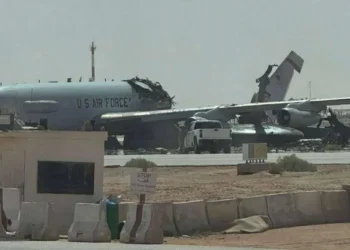 ‘Eye in the Sky’ Blinded: Photos Reveal Destroyed US Radar Jet at Saudi Base
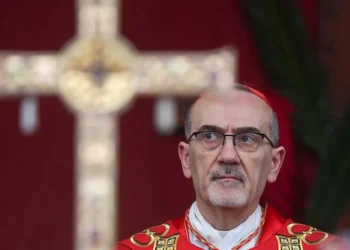 ‘Full and Immediate Access’: Netanyahu Reverses Palm Sunday Ban on Latin Patriarch
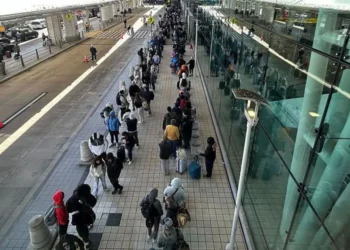 Record-Breaking Gridlock: DHS Freeze Becomes the Longest Partial Shutdown in US History
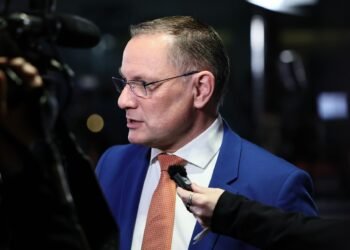 AfD Demands Full US Troop Withdrawal as ‘Project Veto’ Tensions Flare
 Michel Rolland: The ‘Spielberg of Wine’ Who Directed the Global Palate
 Zelensky Looks to Gulf to Protect Him from Putin
 Iran Strikes Kuwaiti Desalination Plant, Killing Worker as ‘Water War’ Escalates
 Israel Enacts Death Penalty Law for Palestinians Following 12-Hour Debate
 Status Quo Restored: Netanyahu Intervenes After Police Block Latin Patriarch from Holy Sepulchre
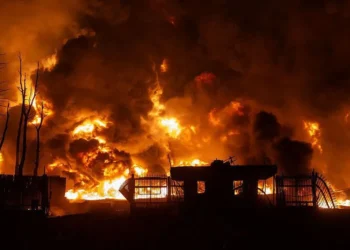 Epic Fury: The Strategic Logic and Uncertain Horizon of the 2026 Iran War
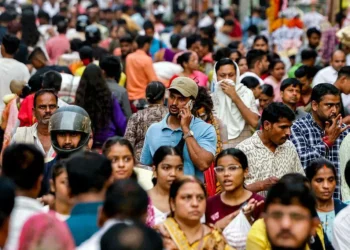 India Begins Mammoth Census for 1.4 Billion People
 British Businesses Braced as National Living Wage Hits £12.71 Published: 1 April 2026
 The “Citrus” Shift: Marmalade to be Legally Rebranded in Post-Brexit Food Realignment
 “Time is Up”: M&S Bosses Demand Urgent Action as Retail Crime Hits “Brazen” New Highs
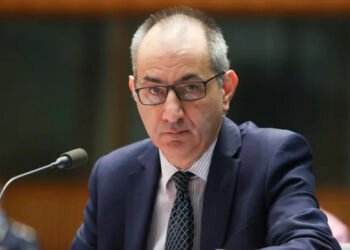 Report Says Pezzullo Acted ‘Recklessly’ in Dealings
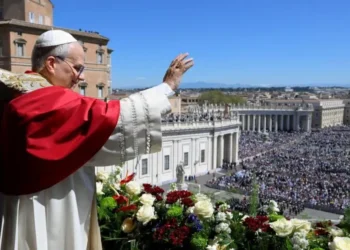 Pope Leo Urges Peace in First Easter Mass Address
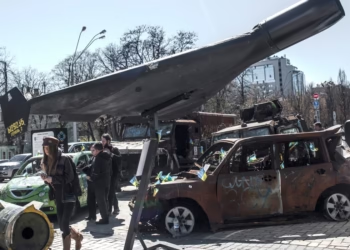 Oil and Diplomacy: Russian Refineries Burn as Zelenskyy Secures Middle East Shield
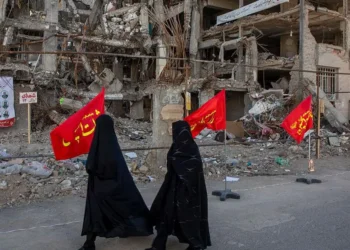 “A Perfect Storm”: UK Small Businesses Face Doubling Energy Bills as Iran War Rattles Markets
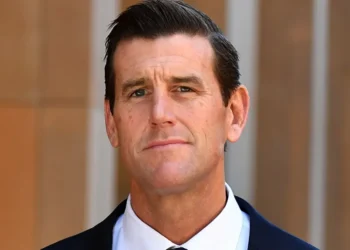 National Icon in Custody: Ben Roberts-Smith Arrested Over Alleged War Crimes in Afghanistan
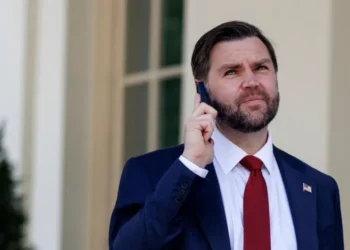 Transatlantic Alliance: Vice President JD Vance Arrives in Budapest to Bolster Orbán’s Re-election Campaign
 Silver Linings: Why Global Tourism is Finding “Positives” Amidst Iran War Uncertainty
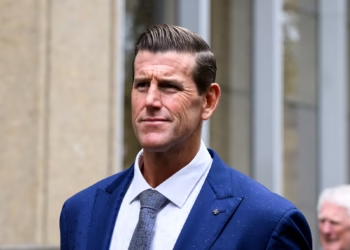 ‘I Will Not Abandon Him’: Pauline Hanson Stands by Ben Roberts-Smith After War Crime Charges
 ‘Ghost Offences’: Data Reveals No Children Charged with New ‘Adult Crime’ Laws in 11 Years
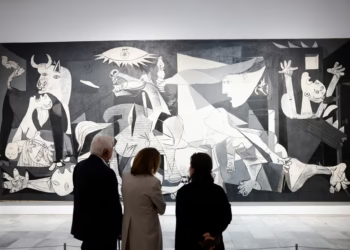 ‘The Soul of Spain’: Politicians Clash Over Renewed Push to Move Picasso’s Guernica
 The ‘Svuota Londra’ Effect: Why the Super-Rich are Swapping Dubai for Milan
 Debt Relief or Drop in the Ocean? UK Caps Student Loan Interest at 6%
 The Fallen Icon: Ben Roberts-Smith Charged with Five War-Crime Murders