Published: 09 April 2026. The English Chronicle Desk. The English Chronicle Online.
The delicate hope for peace in the Middle East has been shattered by a devastating wave of violence today. Israel launched its most significant military offensive against Lebanon since the current conflict with Hezbollah began several weeks ago. The scale of the destruction is staggering with at least two hundred and fifty four people confirmed dead. Emergency services report that over eight hundred individuals have been wounded in the relentless barrage of fire. This sudden escalation has cast a dark shadow over the fragile ceasefire recently brokered between the United States and Iran. Officials in Tehran are already warning that they may withdraw from the agreement due to these strikes.
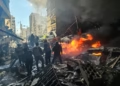
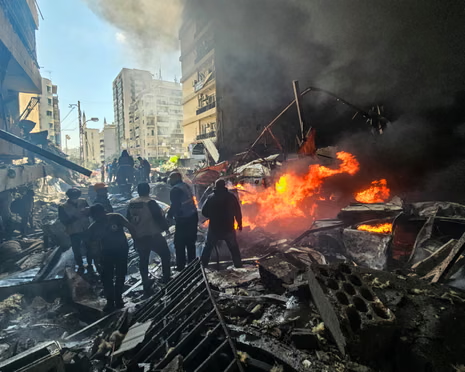
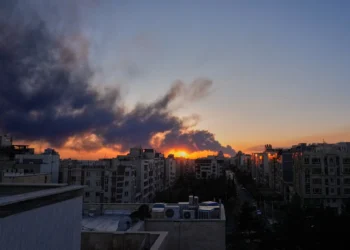
The skyline of Beirut was obscured by thick black smoke as Israeli warplanes levelled several residential buildings. The defence minister of Israel described the operation as a surprise strike aimed at dismantling Hezbollah’s local infrastructure. Residents described a scene of absolute terror as the ground shook beneath their feet from the impact. Cars were crumpled like paper by the force of the blasts while flaming wreckage blocked major roads. First responders struggled to reach victims as fires raged through the densely populated streets of the capital. Over one hundred sites across the country were targeted in this massive and coordinated military operation.

In the aftermath of the bombings the streets were filled with desperate people searching for loved ones. Hospitals across Lebanon issued urgent appeals for blood donations to treat the massive influx of critically injured patients. The ministry of health pleaded with citizens to clear the roads so that ambulances could navigate the ruins. Social media was quickly flooded with heartbreaking images of children covered in dust and debris from the rubble. One man was filmed running toward a collapsed apartment building in the Chiyah neighbourhood screaming for his family. The emotional toll of the day is as visible as the physical destruction left by the jets.
Confusion now reigns regarding the status of the international ceasefire that many believed would bring a total halt to fighting. The office of the Israeli prime minister clarified that the two-week truce did not extend to Lebanon. This statement directly contradicted the earlier announcement made by Pakistani mediators who claimed the deal was universal. President Trump initially remained silent on the matter but eventually described the situation in Lebanon as a separate skirmish. He suggested that the deal with Iran did not necessarily provide a shield for the group Hezbollah. This interpretation has left Lebanese civilians feeling dangerously exposed and abandoned by the international diplomatic community.
The Israeli military has signaled that its operations may soon expand into even deeper parts of the capital. Previously most strikes were confined to the southern suburbs where support for Hezbollah is traditionally quite high. However the military spokesperson claimed that fighters are now repositioning themselves within the mixed residential neighbourhoods. This shift in strategy was punctuated by the destruction of a building in the Tallet al-Khayet area. This specific neighbourhood in west Beirut had remained relatively untouched throughout the previous stages of the war. The prospect of any street becoming a target has caused a wave of panic to spread.
International condemnation of the scale of Wednesday’s strikes was swift and focused on the civilian humanitarian impact. The United Nations human rights chief described the carnage as horrific and deeply damaging to regional stability. He noted that such an intense military action occurring hours after a peace agreement defies all belief. The Red Cross expressed outrage over the loss of life in such densely populated and urban areas. They stated that the country has been plunged back into a state of total panic and chaos. For many Lebanese citizens there is a growing sense that there is no safe place left.
The political fallout from this escalation is being felt from Washington to Tehran and within Israel itself. The Iranian ten point peace plan had called for an end to hostilities against all resistance components. For the leadership in Tehran this group includes their allies in Hezbollah who are currently under fire. The suggestion that Lebanon is excluded from the deal threatens to unravel months of very careful diplomacy. If the ceasefire collapses the entire region could find itself pulled back into a much wider conflict. Diplomats are now working frantically behind the scenes to save the agreement from total and permanent failure.

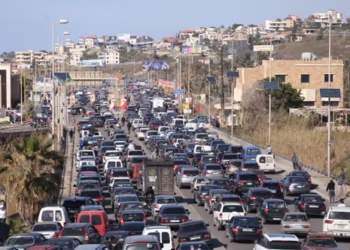
Before this massive wave of airstrikes there had been a brief and hopeful period of relative calm. Hezbollah had not launched any attacks against Israel since the announcement of the ceasefire early this morning. This marked the first significant pause in fighting since the conflict began back on the second of March. Thousands of displaced people had started to pack their belongings to return to their homes in the south. The highways were choked with traffic as families hoped to find their houses still standing after weeks. Now many of those same people are being forced to turn back as the bombs fall.
The internal politics of Israel are also becoming increasingly complicated as the military campaign continues to expand. The opposition leader Yair Lapid has criticised the prime minister for a lack of clear strategic vision. He argued that Israel was not even at the table when the core national security decisions were made. Lapid described the current diplomatic situation as one of the greatest political disasters in the history of the nation. Despite this criticism the government maintains that it still has vital military objectives to complete in Lebanon. The stated goal remains the total disarmament of Hezbollah forces regardless of the ongoing diplomatic talks.
The human cost of the five week war has already brought the nation of Lebanon to its breaking point. More than one million people have been forced to flee their homes and are living on the streets. Public parks and schools are overflowing with families who have nowhere else to go for basic safety. Prior to today the death toll had already exceeded fifteen hundred people with thousands more seriously injured. The sudden addition of hundreds more casualties in a single day has overwhelmed an already struggling healthcare system. Resources are running dangerously low and the future of the country remains incredibly uncertain and grim.
As the sun sets over the Mediterranean the sounds of explosions continue to echo through the hills of Lebanon. The international community is watching closely to see if the ceasefire with Iran will survive this bloody test. President Trump has maintained that the actions of Israel are acceptable because they target a specific militant group. However the reality on the ground is one of civilian suffering and the destruction of urban life. The next twenty four hours will be critical in determining if the region finds peace or war. For now the people of Beirut can only wait and hope for the sirens to stop.
Related News:
 Middle East Flights Halted After Iran Strikes
 US Iran Operation: Sixth Service Member Killed
 Hezbollah Anger Erupts as War Returns to Beirut
 Gaza Siege Deepens as Iran War Escalates
 Riyadh Drone Attack Escalates Regional War
 Middle East attacks intensify as Trump rejects Iran talks
 Iran-Iraq border airstrikes spark new tensions
 Iran-Iraq Border Strikes Spark New Front Fears
 Iran-Backed Militias Escalate Attacks Across Middle East
 UK Prepares Aircraft Carrier for Middle East Crisis
 Mojtaba Khamenei Chosen as Iran’s New Supreme Leader
 Tehran Oil Depot Strikes Darken City With Toxic Smoke
 Seventh US Service Member Killed in Iran Conflict Identified
 Mojtaba Khamenei Supporters Rally as Iranians Fear Repression
 Tehran Strikes Mark War’s Most Devastating Night
 Iran Defiance Grows Amid US-Israel War Pressure
 Hormuz Crisis Sparks Global Oil Market Fears
 Iranian Exile Factions Seek US Backing for Iran’s Future
 US-Israeli Strategy Shifts to Plan B in Iran War
 Injured Mojtaba Khamenei Elevated as Iran Leader
 US Missile Strike on Iran School Sparks Global Shock
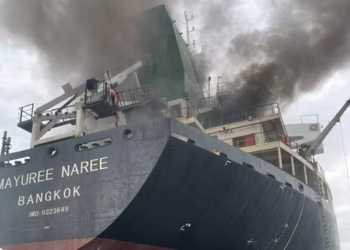 Iran Gulf attacks escalate as ships and airports targeted
 Iran Conflict: Trump’s Uncertain Path and Diplomatic Off-Ramp
 Ancient Heritage Sites Damaged in Recent Airstrikes
 Tehran Diary: Dark Days Under Relentless Bombardment
 British Tourist Charged Over Dubai Missile Strike Video
 Gaza Detainee Abuse: Israel Drops Charges Against Soldiers
 Trump Iran War Stance Hardens as Conflict Widens
 Lebanon Ground Campaign Raises Occupation Fears
 Gulf Tensions Rise as Iran Alleges Covert Support
 Kabul hospital strike sparks deadly blame row
 Iran Threatens Total Destruction of Mideast Energy Grid
 Ghalibaf Iran: Survivor Emerges in Shifting Power Game
 Gulf Distrust Grows Over Rumoured US-Iran Peace Talks
 WHO Warns of Health Crisis Unfolding in Middle East
 Saudi Arabia Urging US to Keep Up Iran Attacks
 Iranian President’s Son Shares Wartime Hopes and Fears
 Iran Warns of US Ground Assault Amid Rising War Tension
 MAGA Anxiety and the Iran War: A Movement Divided at CPAC
 Trump Threatens Iran With Total Infrastructure Destruction
 Iran Drone Strike Hits Kuwaiti Oil Tanker in Dubai Port
 Albanese to Address Nation as War Sparks Economic Crisis
 Death, displacement and military duties: children plunged into crisis
 Trump’s Six-Week Iranian War: The High Cost of Ignorance
 BBC to Apologise Over Edited Trump Speech Amid Backlash
 Britain deploys RAF specialists to assist Belgium with drone threats
 Greene Pushes Epstein Files Amid Trump Fallout
 December Run-Off in Chile as Election Produces No Winner
 Zelenskyy Signs Fighter Jet Deal Amid Russian Drone Attacks
 Shadow Fleet at Sea: Europe’s Battle Against Illicit Oil Shipping
 Tiny Curacao Makes History as Smallest Nation to Reach World Cup
 US Suspends Afghan Immigration After White House Shooting
 Georgians Defy Government Crackdown After Year of Protests
 ‘Extinct’ Antelope Returns to Sahara, Bringing Hope
 Facebook Slow to Remove Bondi Attack Praise, Anti-Hate Group Claims
 US Clears Nvidia AI Chip Sales to China in Policy Shift
 Sydney Shark Attack Surge Shocks Australia Beaches
 Portugal Election Delivers Socialist Win as Far Right Surges
 Australian Families Leave Syrian Camp for Home
 ‘I Would Scream in My Sleep’: Alawite Women from Syria Tell of Kidnap and Rape
 Hilary Knight speaks out on Trump’s recent hockey remarks
 Iran’s Regime Still Intact — Coming Days Will Test Its Survival
 In Maps: Strikes Across Iran and the Middle East
 The Third Day of the US‑Israeli War With Iran
 Herzog Asio meeting sparks security storm
 Civilian Deaths in Iran Pass 700 Amid Fear of Bombs and Regime Clampdown
 Petrol Prices Soar as Retailers Accused of Gouging Amid Global Tension
 Penny Wong silent on Australian crew in sub strike
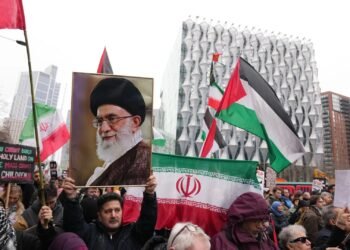 Thousands Protest Iran Strikes Outside US Embassy London
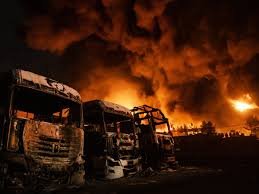 Oil Prices Surge Above $100 Amid Iran War
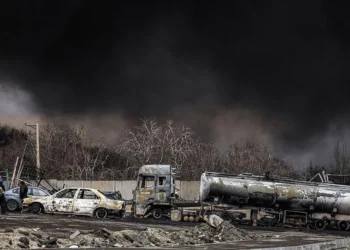 Nine Days of Strikes Reshape the Middle East
 Trump Pressures Congress Over Save America Act
 Goma Drone Attack Kills Three as Conflict Escalates
 Queensland Protest Laws Spark Free Speech Backlash
 Trump Nato threats expose Iran strategy vacuum
 Israel Says Iran Security Chief Larijani ‘Killed’
 Australia Imposes Sudden Travel Ban on Iranian Visitors
 Trump Facing Backlash from Epstein Survivors Over Files
 Russia: The Unforeseen Winner of the Iran Conflict
 Report Says Pezzullo Acted ‘Recklessly’ in Dealings