Published: 09 April 2026. The English Chronicle Desk. The English Chronicle Online.
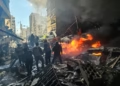
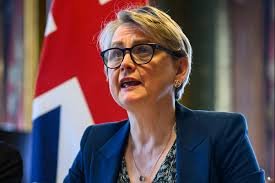
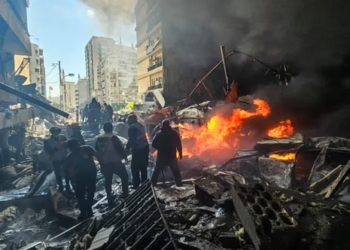
The British Foreign Secretary is preparing to deliver a significant address regarding the crisis in the Middle East. Yvette Cooper will speak tonight at the Mansion House in London to discuss the current geopolitical situation. She intends to argue that Lebanon must be included in the recent ceasefire between the US and Iran. This intervention comes as a fragile two-week pause in the wider conflict hangs in a precarious balance. The Foreign Secretary is expected to warn that there must be no return to the recent conflict. Her speech follows an announcement by President Donald Trump regarding a temporary cessation of hostilities early this week. Despite this pause, Israel has intensified its bombing campaign across various regions within the sovereign borders of Lebanon. These strikes have reportedly resulted in the deaths of at least 254 people in just twenty-four hours. Such violence has prompted Iran to once again halt oil tanker traffic through the vital Strait of Hormuz.
The Foreign Secretary expressed her concerns earlier today during an interview on BBC Radio 4’s Today programme. Cooper stated that the continued Israeli military strikes on Lebanon were completely wrong for the current peace process. She emphasized that the British government wants to see a total end to hostilities across the entire region. The minister described the recent escalation by Israel as a damaging move in the wrong political direction. She believes the ceasefire deal must be extended to cover Lebanese territory to ensure a lasting regional peace. This position has already been raised with the United States and directly with the Israeli government in Tel Aviv. However, hopes for an immediate halt to the strikes were dashed by comments from the US Vice-President. JD Vance stated in Budapest that Lebanon was never part of the initial ceasefire deal with the Iranians. He suggested that any expectation of Lebanese inclusion was based on a legitimate misunderstanding by the Iranian side.

Vance clarified that the US never promised to include Lebanon in this specific phase of the peace talks. This disagreement over the scope of the deal has created a dangerous diplomatic rift at a critical time. In her upcoming speech at the Lady Mayor’s Easter Banquet, Cooper will remain firm on the UK position. She will tell city leaders that considerable work remains to be done to secure the global economy. The Foreign Secretary will argue that negotiations must make tangible progress toward a permanent and stable regional settlement. She will reiterate that Lebanon’s inclusion is essential to prevent a wider and more devastating continental conflict. Furthermore, she will demand that there be no further threats from Iran toward its many sovereign neighbours. A crucial part of her address will focus on the immediate and full reopening of the maritime route. The closure of the Strait of Hormuz has become a critical artery of the global economy’s current health.
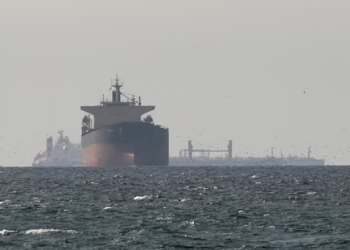
The Foreign Secretary will highlight how the blocking of this route affects everyday life for British working families. Disruptions to shipping are directly impacting mortgage rates and the prices of petrol and food at home. Cooper will note that every country on every continent has felt the severe effects of this maritime blockade. The UK government has been working for a swift resolution to help reopen the sea lanes for trade. Iran initially closed the waterway in response to US and Israeli attacks launched back in late February. Since that time, the global prices of fuel and agricultural fertilisers have risen to record-breaking high levels. These increased costs have placed immense pressure on household budgets and the wider British cost of living crisis. Cooper will stress the vital importance of ensuring this shipping route remains open for the entire world. She will list essential goods such as liquid natural gas for Asia and jet fuel for global travel.
The minister will argue that no country has the right to hold the global economy hostage for long. Hijacking the trading routes of Gulf nations goes against the fundamental principles of the international law of the sea. Cooper will add that freedom of navigation is the essential underpinning of all modern global trade and commerce. This issue matters for every sea and ocean as it affects every industry and every single nation. The Foreign Secretary will propose that international shipping should start moving again with support from maritime authorities. She will back the International Maritime Organization’s plan to move ships currently trapped within the narrow strait’s waters. This plan includes the rescue of twenty thousand stranded seafarers as a vital humanitarian and economic first step. The unconditional reopening of the strait must be a central part of any long-term future for the region. Without this, the global economy risks a prolonged period of instability and unpredictable market volatility for everyone.

Meanwhile, Prime Minister Keir Starmer has arrived in the United Arab Emirates for further high-level diplomatic discussions. This visit marks the second leg of his urgent trip to meet with various allies in the Gulf. The Prime Minister is focused on upholding the pause in fighting and restoring confidence in international shipping routes. He has already held talks with the Saudi Crown Prince, Mohammed Bin Salman, during a meeting in Jeddah. Starmer is now expected to meet with the UAE President, Sheikh Mohamed bin Zayed Al Nahyan, very soon. These meetings are intended to secure regional support for a permanent end to the ongoing military hostilities. The UK is playing a leading role in convening partners to plan practical steps for maritime security. Starmer’s presence in the region signals the high priority the British government places on this specific crisis. Both the Prime Minister and Foreign Secretary are working in tandem to prevent the ceasefire from collapsing.
The humanitarian situation in Lebanon remains a primary concern for the international community and the British public. Continued strikes threaten to displace thousands more people and destroy critical infrastructure in the heart of Beirut. Cooper’s speech tonight is intended to signal a clear shift in British diplomatic pressure on the US administration. By calling for Lebanon’s inclusion, the UK is siding with regional stability over narrow military objectives in the field. The Foreign Secretary will conclude by noting that security in the Middle East is tied to global prosperity. A failure to include Lebanon could lead to a resurgence of proxy wars that destabilise the entire Mediterranean. The British government remains committed to a diplomatic solution that respects the sovereignty of all nations involved. As the two-week deadline approaches, the pressure on all parties to find a common ground is intensifying. The eyes of the world are now on London and the Gulf as these negotiations reach a climax.
Related News:
 Middle East Flights Halted After Iran Strikes
 US Iran Operation: Sixth Service Member Killed
 Hezbollah Anger Erupts as War Returns to Beirut
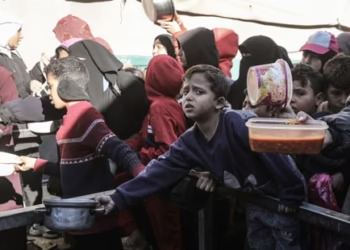 Gaza Siege Deepens as Iran War Escalates
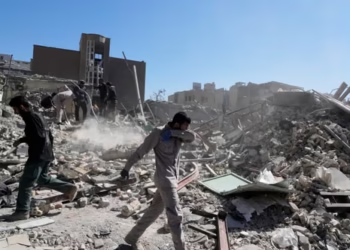 Riyadh Drone Attack Escalates Regional War
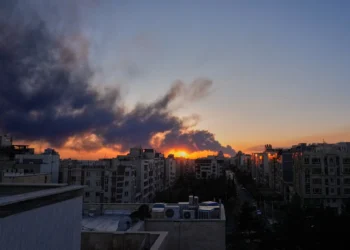 Middle East attacks intensify as Trump rejects Iran talks
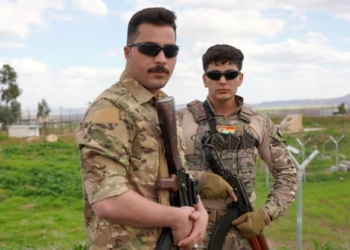 Iran-Iraq border airstrikes spark new tensions
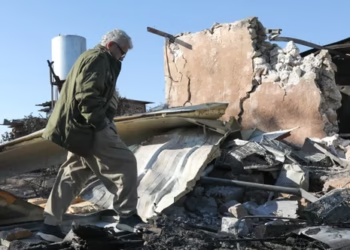 Iran-Iraq Border Strikes Spark New Front Fears
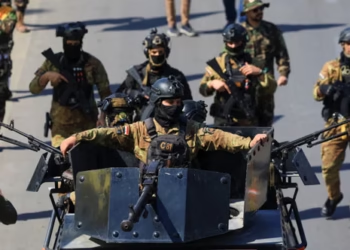 Iran-Backed Militias Escalate Attacks Across Middle East
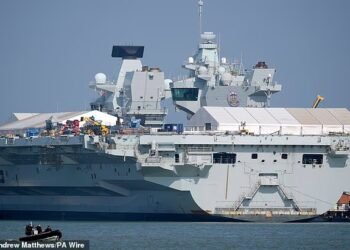 UK Prepares Aircraft Carrier for Middle East Crisis
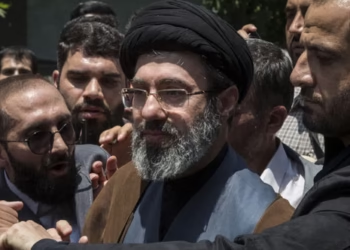 Mojtaba Khamenei Chosen as Iran’s New Supreme Leader
 Tehran Oil Depot Strikes Darken City With Toxic Smoke
 Seventh US Service Member Killed in Iran Conflict Identified
 Mojtaba Khamenei Supporters Rally as Iranians Fear Repression
 Tehran Strikes Mark War’s Most Devastating Night
 Iran Defiance Grows Amid US-Israel War Pressure
 Hormuz Crisis Sparks Global Oil Market Fears
 Iranian Exile Factions Seek US Backing for Iran’s Future
 US-Israeli Strategy Shifts to Plan B in Iran War
 Injured Mojtaba Khamenei Elevated as Iran Leader
 US Missile Strike on Iran School Sparks Global Shock
 Iran Gulf attacks escalate as ships and airports targeted
 Iran Conflict: Trump’s Uncertain Path and Diplomatic Off-Ramp
 Ancient Heritage Sites Damaged in Recent Airstrikes
 Tehran Diary: Dark Days Under Relentless Bombardment
 British Tourist Charged Over Dubai Missile Strike Video
 Gaza Detainee Abuse: Israel Drops Charges Against Soldiers
 Trump Iran War Stance Hardens as Conflict Widens
 Lebanon Ground Campaign Raises Occupation Fears
 Gulf Tensions Rise as Iran Alleges Covert Support
 Kabul hospital strike sparks deadly blame row
 Iran Threatens Total Destruction of Mideast Energy Grid
 Ghalibaf Iran: Survivor Emerges in Shifting Power Game
 Gulf Distrust Grows Over Rumoured US-Iran Peace Talks
 WHO Warns of Health Crisis Unfolding in Middle East
 Saudi Arabia Urging US to Keep Up Iran Attacks
 Iranian President’s Son Shares Wartime Hopes and Fears
 Iran Warns of US Ground Assault Amid Rising War Tension
 MAGA Anxiety and the Iran War: A Movement Divided at CPAC
 Trump Threatens Iran With Total Infrastructure Destruction
 Iran Drone Strike Hits Kuwaiti Oil Tanker in Dubai Port
 Albanese to Address Nation as War Sparks Economic Crisis
 Death, displacement and military duties: children plunged into crisis
 Trump’s Six-Week Iranian War: The High Cost of Ignorance
 Beirut Under Fire: Massive Israeli Strikes Shaking Lebanon
 Middle East Analysis: The Cost of a Fragile Peace
 BBC to Apologise Over Edited Trump Speech Amid Backlash
 Britain deploys RAF specialists to assist Belgium with drone threats
 Greene Pushes Epstein Files Amid Trump Fallout
 December Run-Off in Chile as Election Produces No Winner
 Zelenskyy Signs Fighter Jet Deal Amid Russian Drone Attacks
 Shadow Fleet at Sea: Europe’s Battle Against Illicit Oil Shipping
 Tiny Curacao Makes History as Smallest Nation to Reach World Cup
 US Suspends Afghan Immigration After White House Shooting
 Georgians Defy Government Crackdown After Year of Protests
 ‘Extinct’ Antelope Returns to Sahara, Bringing Hope
 Sydney Shark Attack Surge Shocks Australia Beaches
 Portugal Election Delivers Socialist Win as Far Right Surges
 Australian Families Leave Syrian Camp for Home
 ‘I Would Scream in My Sleep’: Alawite Women from Syria Tell of Kidnap and Rape
 Hilary Knight speaks out on Trump’s recent hockey remarks
 Iran’s Regime Still Intact — Coming Days Will Test Its Survival
 In Maps: Strikes Across Iran and the Middle East
 The Third Day of the US‑Israeli War With Iran
 Herzog Asio meeting sparks security storm
 Civilian Deaths in Iran Pass 700 Amid Fear of Bombs and Regime Clampdown
 Petrol Prices Soar as Retailers Accused of Gouging Amid Global Tension
 Penny Wong silent on Australian crew in sub strike
 Thousands Protest Iran Strikes Outside US Embassy London
 Oil Prices Surge Above $100 Amid Iran War
 Nine Days of Strikes Reshape the Middle East
 Trump Pressures Congress Over Save America Act
 Goma Drone Attack Kills Three as Conflict Escalates
 Queensland Protest Laws Spark Free Speech Backlash
 Trump Nato threats expose Iran strategy vacuum
 Israel Says Iran Security Chief Larijani ‘Killed’
 Australia Imposes Sudden Travel Ban on Iranian Visitors
 Trump Facing Backlash from Epstein Survivors Over Files
 Russia: The Unforeseen Winner of the Iran Conflict
 Report Says Pezzullo Acted ‘Recklessly’ in Dealings