Published: 10 April 2026. The English Chronicle Desk. The English Chronicle Online.
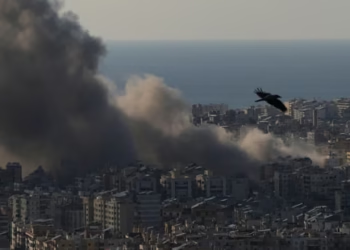
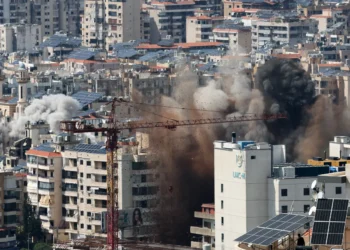
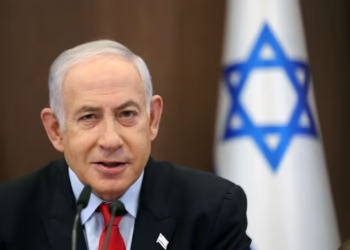
The delicate hope for a broader Middle East peace faces a significant test as Benjamin Netanyahu maintains a firm military stance. The Israeli prime minister recently declared that there is no ceasefire currently in effect regarding operations in Lebanon. This firm statement followed a series of fresh aerial strikes launched by the Israeli military against various targets. These latest actions specifically focused on what the Israel Defense Forces described as strategic Hezbollah launch sites. This escalation comes at a sensitive time when global leaders are desperately seeking to prevent a total regional collapse. Netanyahu remains adamant that his country will continue to strike Hezbollah forces with full force and precision.
The timing of these military operations has raised questions among seasoned international observers and diplomatic circles. Interestingly, the strikes occurred shortly after Donald Trump reportedly asked the Israeli leader to be more low-key. This request was aimed at cooling the rising temperatures in Lebanon as new negotiations appear on the horizon. Despite the continued kinetic activity on the ground, a glimmer of diplomatic progress emerged later on Friday. A United States State Department official indicated that Israel and Lebanon might hold talks in Washington. These discussions, scheduled for next week, represent a potential pivot toward a more structured and peaceful dialogue.

Netanyahu has reportedly instructed his ministers to explore the possibility of direct talks with the Lebanese government. The primary focus of these proposed discussions would be the disarmament of the Iranian-backed Hezbollah group. However, the situation remains fluid and somewhat uncertain as neither government has publicly confirmed the Washington meeting. The Lebanese government previously maintained a strict position that a ceasefire must be agreed upon first. They argued that meaningful negotiations cannot truly begin while active bombardment continues to affect their sovereign territory. This fundamental disagreement over the order of operations continues to complicate the path toward a resolution.
From Tehran, the rhetoric has taken a notably cautious but firm tone under new leadership. Iran’s new supreme leader, Mojtaba Khamenei, issued a written message regarding the current state of regional affairs. He stated clearly that the Islamic Republic does not desire a direct war with America or Israel. Khamenei emphasized that while they do not seek conflict, they will always protect their national rights. He also noted that the resistance front is viewed as a single, unified whole in this context. This statement serves as a subtle reminder of Iran’s deep and enduring ties to the Lebanese front. The message was broadcast via state television, signaling a strategic communication to both domestic and foreign audiences.
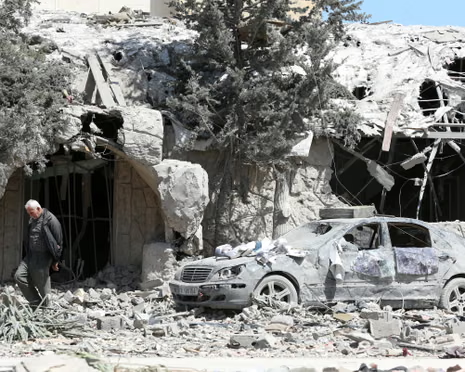
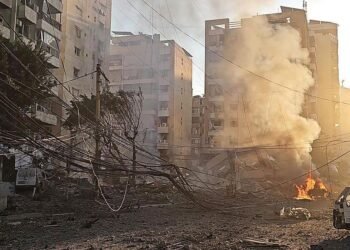
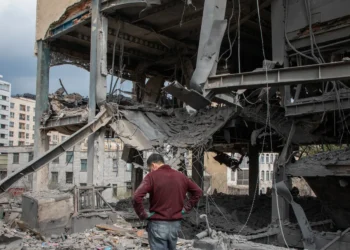
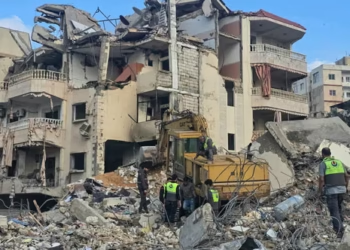
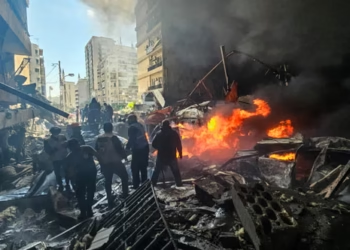
The human cost of the ongoing friction became tragically clear over the last twenty-four hours. More than three hundred people lost their lives due to Israeli bombing following the Iran ceasefire announcement. These strikes utilized heavy munitions and targeted areas that were described as being very densely populated. Such intense military action has drawn sharp criticism and outrage from the International Committee of the Red Cross. Other humanitarian organizations have also expressed deep concern regarding the impact of these strikes on innocent civilians. The ferocity of these attacks threatens to undermine the fragile progress made toward ending the war in Iran.
The conflict with Iran originally began following a combined US-Israeli attack on the twenty-eighth of February. Donald Trump previously claimed that a ceasefire brokered by Pakistan marked a significant step toward durable peace. However, the intensity of the recent bombardment in Lebanon suggests that this truce is in grave danger. Many observers worry that the ceasefire might collapse before it has a chance to be fully implemented. The disconnect between the rhetoric of peace and the reality of ongoing strikes creates a volatile environment. Every hour of continued fighting makes the prospect of a lasting and stable regional settlement more difficult.
Iran has already issued warnings that it may respond to these latest Israeli escalations in Lebanon. One potential retaliatory measure involves the closing of the Strait of Hormuz, a critical global economic artery. Tehran had previously agreed to keep this waterway open for the duration of the current two-week ceasefire. President Masoud Pezeshkian remarked that negotiations feel meaningless while Israel continues to bomb the sovereign state of Lebanon. This stance puts the upcoming US-Iranian talks scheduled for Saturday in Pakistan at significant and immediate risk. Pezeshkian vowed that his nation would not abandon the Lebanese people during this period of crisis.
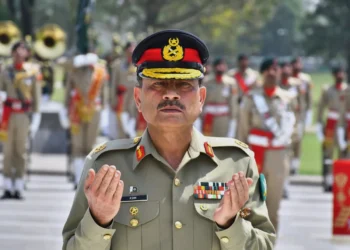
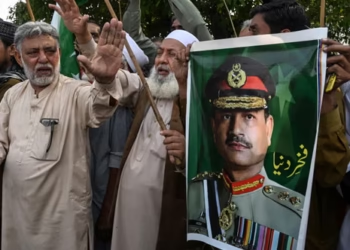
According to Saeed Khatibzadeh, Iran’s deputy foreign minister, Tehran has been practicing a degree of strategic restraint. He suggested that Pakistani intervention played a key role in preventing a more forceful Iranian response recently. Pakistan’s Prime Minister, Shehbaz Sharif, has also voiced his condemnation of what he termed ongoing Israeli aggression. Meanwhile, Netanyahu maintains that Lebanon was never part of the original ceasefire deal brokered earlier this week. He insisted that the Israeli military retains the right to strike Hezbollah targets whenever it is necessary. The prime minister even claimed his forces successfully targeted a top secretary of the Hezbollah leadership.
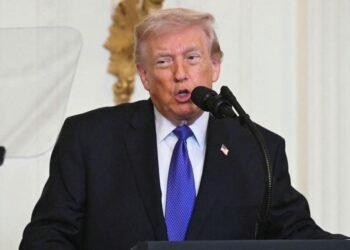
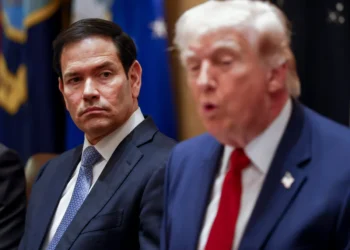
Donald Trump appears to have backed the Israeli interpretation of the current agreement during a public interview. He told PBS that Lebanon was not included in the deal due to the role of Hezbollah. The US president referred to the conflict there as a separate skirmish from the larger Iranian war. He expressed confidence that this particular issue would be taken care of in due time. However, reports from CNN suggest that Netanyahu’s move toward talks was prompted by heavy American pressure. Trump is reportedly keen to extricate the United States from a war he feels he was persuaded into. This internal political tension within the US administration adds another layer of complexity to the situation.
Vice-President JD Vance suggested that the current confusion stems from a legitimate misunderstanding regarding the ceasefire’s reach. He is currently assigned to lead the American delegation to the upcoming peace talks in Pakistan. Conversely, Pakistani officials have been consistent in stating that Lebanon was always intended to be included. Robert Malley, a former American envoy, noted that he tends to trust the Pakistani version of events. He pointed out that no American official corrected the Pakistani statement for many hours after its release. Malley suggested that the situation looks like a case of the US allowing a final window for strikes.

The best-case scenario for the talks in Pakistan involves a return to the regional status quo. This would ideally include keeping the Strait of Hormuz open and discussing limits on nuclear programs. Authorities in Islamabad have already begun implementing very strict security measures for the arrival of the delegations. As the Saturday start date approaches, the future of the entire peace process remains on a knife-edge. Trump has issued new ultimatums on social media, threatening to resume attacks if Iran fails to comply. He emphasized that Tehran must keep the shipping lanes open and abandon all nuclear weapon ambitions.
US allies have been vocal about the need for a comprehensive ceasefire that includes all territories. A joint statement from the UK, EU, Canada, and Japan called on all sides to implement the truce. Kaja Kallas, the EU foreign policy chief, noted that while Hezbollah is responsible for escalation, destruction is excessive. She argued that the heavy-handed nature of recent strikes makes a self-defense justification very difficult to maintain. France’s foreign minister also condemned the strikes as unacceptable, while Yvette Cooper described them as deeply damaging. The UK government believes that excluding Lebanon from the ceasefire could potentially destabilize the entire Middle East.
Downing Street confirmed that Keir Starmer spoke with Donald Trump about finding a resolution for the shipping crisis. The prime minister has been engaging with Gulf leaders to ensure the restoration of freedom of navigation. Diplomatic efforts are currently laser-focused on the Strait of Hormuz, which handles a fifth of global oil flows. Recent data shows that ship traffic has slowed to less than a tenth of its prewar volume. Approximately fourteen hundred ships remain anchored and trapped due to the prevailing uncertainty and the shaky truce. After a brief drop, global oil prices began to rise again toward one hundred dollars a barrel.
Related News:
 Saudi Arabia Urging US to Keep Up Iran Attacks
 Shock US Raid: Maduro Pleads Not Guilty in Manhattan Court
 UK and France Agree Troop Deployment Plan for Ukraine
 EU Weakens as Trump Targets Venezuela and Greenland
 Venezuela Oil Deal Opens Tensions with US Control
 US Citizens Warned to Venezuela Flee Amid Paramilitary Threats
 Gulf states warn Trump Iran strikes risk wider Middle East war
 Machado Trump medal gesture reshapes Venezuela power struggle
 Greenland defence seen as shared Nato duty amid troop arrivals
 Gulf states warn Trump Iran strikes risk wider Middle East war
 Trump Receives Machado’s Nobel Medal in White House Meeting
 Iran unrest slows under brutal crackdown and global tensions
 Syria President Declares Victory as Ceasefire Reached with SDF
 US Considers Asylum for British Jews Amid Rising Antisemitism
 Russia Strikes Kyiv and Kharkiv as Peace Talks Enter Day Two
 Thousands Protest ICE Operations in Nationwide US Day of Action
 Christchurch Shooter Seeks to Overturn Guilty Plea in Appeals Court
 Iran Says ‘Guiding Principles’ Agreed With US at Nuclear Talks
 Cuba Kills Exiles in Speedboat Attack from US Waters
 Middle East Flights Halted After Iran Strikes
 Months of Planning Behind US‑Israeli Mission to Target Iran’s Supreme Leader
 Cooper: Joining US Strikes on Iran ‘Not in Britain’s Interest’
 What Khamenei’s Death Means for Russia and China
 US Iran Operation: Sixth Service Member Killed
 Hezbollah Anger Erupts as War Returns to Beirut
 Trump’s Iran Endgame Unclear After Mixed Messaging on War Aims
 Gaza Siege Deepens as Iran War Escalates
 Israel Launches Fresh Strikes on Tehran & Beirut; US Warns “Hardest Hits” Ahead
 Riyadh Drone Attack Escalates Regional War
 Middle East attacks intensify as Trump rejects Iran talks
 Iran-Iraq border airstrikes spark new tensions
 UK Prepares Aircraft Carrier for Middle East Crisis
 Seventh US Service Member Killed in Iran Conflict Identified
 Mojtaba Khamenei Supporters Rally as Iranians Fear Repression
 Ukraine Sends Drone Experts to Defend US Bases in Jordan
 Tehran Strikes Mark War’s Most Devastating Night
 Iran Defiance Grows Amid US-Israel War Pressure
 Iranian Exile Factions Seek US Backing for Iran’s Future
 US-Israeli Strategy Shifts to Plan B in Iran War
 Injured Mojtaba Khamenei Elevated as Iran Leader
 US Missile Strike on Iran School Sparks Global Shock
 Iran Gulf attacks escalate as ships and airports targeted
 Iran Conflict: Trump’s Uncertain Path and Diplomatic Off-Ramp
 Ancient Heritage Sites Damaged in Recent Airstrikes
 Tehran Diary: Dark Days Under Relentless Bombardment
 British Tourist Charged Over Dubai Missile Strike Video
 Gaza Detainee Abuse: Israel Drops Charges Against Soldiers
 Yvette Cooper: UK Must Follow Principles, Not US Pressure
 Trump Iran War Stance Hardens as Conflict Widens
 Lebanon Ground Campaign Raises Occupation Fears
 Kabul hospital strike sparks deadly blame row
 Ghalibaf Iran: Survivor Emerges in Shifting Power Game
 Gulf Distrust Grows Over Rumoured US-Iran Peace Talks
 WHO Warns of Health Crisis Unfolding in Middle East
 Iranian President’s Son Shares Wartime Hopes and Fears
 Iran Warns of US Ground Assault Amid Rising War Tension
 Diplomacy on the Brink: Pakistan’s Risky Peace Mission
 Trump Threatens Iran With Total Infrastructure Destruction
 Washington Enlists Musk to Battle Global Hostility Online
 Trump Slams Europe as Transatlantic Tensions Boil Over
 High-Value Target: Iranian Strike Destroys US Radar Plane
 UN Warns Israeli Death Penalty Bill Could Be a War Crime
 Albanese to Address Nation as War Sparks Economic Crisis
 Pakistan and China Propose Five-Part Peace Plan
 Trump Issues Stark Warning After Strike On Iran’s Largest Bridge
 Macron Urges Stability as Trump Jolts Nato and Iran
 Trump Address Sparks Global Backlash Over Iran War Tactics
 Macron Rebukes Trump Following Mockery of His Marriage
 Hope and Fear as Iranians Flee Across the Turkish Border
 Death, displacement and military duties: children plunged into crisis
 Trump Sets Tuesday Deadline for Iran to Reopen Vital Strait
 Tragic End to Outback Search as Floods Claim a Life
 Trump’s Six-Week Iranian War: The High Cost of Ignorance
 The Price of Hubris: Trump, Netanyahu, and the ‘Easy’ War
 Ben Roberts-Smith Arrested Over Alleged War Crimes
 Israel Defies Ceasefire as Lebanon Operations Persist
 Middle East Peace Crisis: Ceasefire Strained by New Violence
 Pakistan Brokers Historic Peace Deal Amid Rising Tensions
 Middle East Analysis: The Cost of a Fragile Peace
 Israel Launches Massive Airstrikes Across Lebanon