Published: 11 April 2026. The English Chronicle Desk. The English Chronicle Online
A discovery of explosives near a major European gas pipeline has raised fresh geopolitical tensions, with security experts suggesting the incident may have been staged as a political provocation ahead of Hungary’s closely watched national election. The case, involving a small quantity of explosive material found near the Balkan Stream pipeline in northern Serbia, has drawn attention from political leaders, military analysts and international observers concerned about the growing use of hybrid tactics to influence democratic processes in Europe.
The explosives were located near the town of Kanjiža, only a short distance from infrastructure that forms a key part of the Balkan Stream network, a pipeline that transports Russian natural gas through Turkey and Bulgaria into Serbia and onward to Hungary. Authorities confirmed that approximately four kilograms of explosive material had been discovered in two backpacks near the pipeline route. While the find initially triggered alarm, further technical analysis suggested the amount was unlikely to cause catastrophic damage to the heavily reinforced pipeline.

According to Mykola Zentsev, a former Ukrainian major general and munitions specialist, calculations conducted by his firm indicated that the quantity of explosive discovered would not have been sufficient to significantly disrupt gas flow or cause structural collapse. Experts analysed the pipeline’s construction materials, including steel and polypropylene connectors, concluding that the blast potential would likely result only in limited and localized damage. Such damage, according to Zentsev, could be repaired relatively quickly without causing long-term interruption of gas supply.
The limited destructive capability has led analysts to consider alternative motivations behind the placement of the explosives. Zentsev suggested the evidence pointed toward a possible attempt to create a political narrative rather than achieve real infrastructure sabotage. He argued that traditional sabotage operations typically aim to disable critical infrastructure for extended periods, whereas the materials discovered appeared insufficient for such an objective. The scenario has therefore raised suspicions that the incident may have been intended primarily as a symbolic act designed to influence public perception.
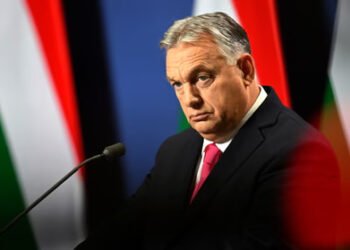
Hungary’s prime minister, Viktor Orbán, confirmed he had been informed about the discovery by Serbia’s president, Aleksandar Vučić. Hungarian foreign minister Péter Szijjártó suggested the possibility of Ukrainian involvement, characterising the incident as a potential challenge to Hungary’s sovereignty. However, Ukrainian officials rejected the allegation, and the head of Serbia’s Military Security Agency also indicated that available evidence did not support claims linking Kyiv to the discovery.
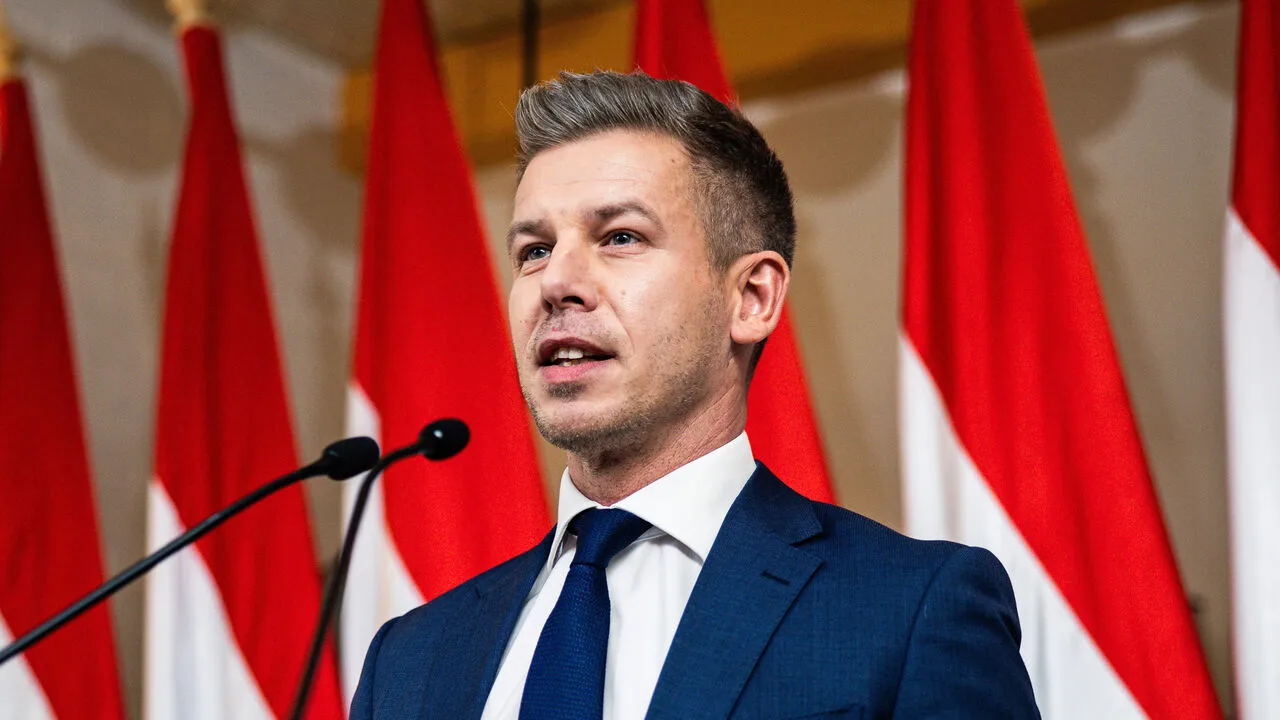
The timing of the incident has drawn particular attention, occurring shortly before Hungary’s national election in which Orbán faces strong competition from opposition forces. Péter Magyar accused the government of exploiting the situation to generate public anxiety and influence voters. He claimed the narrative surrounding the explosives could be part of a broader political strategy aimed at shaping public opinion during a closely contested campaign period.
Hungary remains one of the few European Union member states maintaining relatively close relations with Moscow, continuing to import Russian gas and oil despite wider EU efforts to reduce dependency on Russian energy supplies. The Balkan Stream pipeline plays an important role in ensuring Hungary’s energy security, making any perceived threat to the infrastructure politically sensitive. Analysts suggest that allegations involving external actors, particularly Russia or Ukraine, can easily become entangled in broader geopolitical rivalries shaped by the ongoing war in Ukraine.
Security specialists have also raised the possibility that the incident may represent a so-called false-flag operation, in which an event is staged in order to attribute responsibility to another actor. Zentsev argued that such tactics are consistent with hybrid warfare strategies designed to influence public opinion, create confusion and weaken political unity among European nations. He suggested that incidents of this nature may seek to discredit Ukraine internationally while strengthening narratives favourable to Russian geopolitical interests.
Serbian authorities confirmed that the explosives were discovered several hundred metres from the pipeline itself, rather than directly attached to the infrastructure. This detail has further reinforced expert scepticism regarding the likelihood of a serious sabotage attempt. Without precise placement and a significantly larger quantity of explosive material, specialists say the probability of causing major structural damage to the pipeline would be extremely low.
The discovery has once again highlighted how energy infrastructure remains a strategic focal point in modern geopolitical tensions. Pipelines, telecommunications networks and transport corridors are increasingly viewed not only as economic assets but also as potential tools in political influence campaigns. As Europe continues to navigate the complex consequences of the Russia-Ukraine war, concerns about energy security and political interference remain high on the agenda of policymakers across the region.

Observers note that incidents involving infrastructure security can have immediate political consequences, especially during election periods when public sensitivity to perceived threats is heightened. Whether the discovery ultimately proves to be a genuine security risk or a symbolic act designed to shape narratives, it underscores the fragile balance between energy dependence, political alliances and regional stability.
While investigations continue, the case illustrates how relatively small events can rapidly escalate into major political controversies when they intersect with broader geopolitical tensions. With Hungary’s election outcome closely watched across Europe, the narrative surrounding the pipeline discovery may continue to influence debate over foreign policy direction, energy strategy and the future relationship between the European Union and Russia.
Related News:
 China-critical UK academics face ‘extremely heavy’ pressure from Beijing
 US Justice Department Files Lawsuit Against California Over Partisan Voting Maps
 Trump Deploys DHS to Charlotte in Major Arrest Operation
 Congress Approves Release of Epstein Files, Trump Expected to Sign
 Texas Governor Faces Lawsuit From CAIR
 Chinese & Japanese Boats Clash Near Disputed Islands
 Putin Meets US Envoy Amid Key Ukraine Peace Talks
 UK and EU Signal Fresh Push for Defence Cooperation Talks
 Thousands Protest ICE Operations in Nationwide US Day of Action
 Sydney Protest Clash Triggers Police Probe
 Queensland Protest Laws Spark Free Speech Backlash
 China Approves ‘Ethnic Unity’ Law Requiring Minorities to Learn Mandarin
 Report Says Pezzullo Acted ‘Recklessly’ in Dealings
 Hungary election: Orbán faces biggest test amid scandal
 Trump Administration Dismisses 17 Immigration Judges, Sparking Debate Over Judicial Independence
 Johnson Approved China’s London ‘Super-Embassy’ in 2018
 French Taxi Driver Cleared in David Lammy Theft Case After Fare Dispute
 Just Stop Oil Protesters Convicted Amid Climate Defence Row
 BBC to Apologise Over Edited Trump Speech Amid Backlash
 Britain deploys RAF specialists to assist Belgium with drone threats
 Trump Urges Herzog to Grant Netanyahu Full Pardon
 Major Rent Reform Ends No-Fault Evictions in England
 Peers Flood Assisted Dying Bill with 942 Amendments
 Greene Pushes Epstein Files Amid Trump Fallout
 December Run-Off in Chile as Election Produces No Winner
 Canada Passes Carney’s First Budget in Tight Parliamentary Vote
 Shadow Fleet at Sea: Europe’s Battle Against Illicit Oil Shipping
 Pentagon Officials in Ukraine to Discuss War End
 Venezuela Threatens Nobel Winner Machado with Fugitive Status
 Georgians Defy Government Crackdown After Year of Protests
 US National Guard Member Killed in DC Shooting
 ICC to Rule on Duterte’s Provisional Release
 Tokyo court rules Japan’s same-sex marriage ban constitutional
 EU plans $105bn Ukraine aid using frozen Russian assets
 Russia losses Ukraine war peace talks intensify amid rising deaths
 Albanese Opens Door to Bondi Royal Commission Amid Rising Pressure
 Trump Escalates Minnesota Immigration Surge Amid Rising Tensions
 Iran Protesters Defy Crackdown as Violent Clashes Intensify
 Plans to Limit Jury Trials Face Retreat After Mounting Opposition
 Trump Threatens Strong Action If Iran Executes Protesters
 Machado Trump medal gesture reshapes Venezuela power struggle
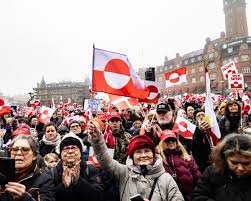 EU weighs response amid Greenland tariff crisis with Trump
 ICE street raids expose a chilling future for public freedoms
 EU Says US Ties Have Suffered ‘Big Blow’ After Greenland Crisis
 Andrew Hastie Emerges as Leadership Rival to Ley
 Starmer China visit raises human rights pressure on Beijing
 Israel Moves to Bar MSF From Gaza Operations
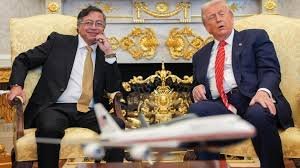 Trump Praises ‘Terrific’ Petro After White House Talks
 Australia’s Opposition Coalition Reunites After Rift
 Sydney Protest Escalates and Elderly Woman Suffers Severe Injury
 Tarique Rahman’s Rise Toward Bangladesh’s Top Job
 Australian Families Leave Syrian Camp for Home
 Trump Attacks UK-California Energy Pact
 Kim Jong-un Unveils Housing for War Families
 Nine Arrested in France Over Death of Far‑Right Student
 Civil Service Pay: Union Urges Ministers to End ‘Barking Mad’ Limits
 Trump and Chagos Deal Rift Over Iran Strikes
 How Much Could Andrew’s Arrest Hurt the Royal Family?
 Andrew Arrest Sparks Republic Debate in Australia
 Global corruption crisis: Who Washington shields
 Farage Chagos Islands Row Sparks Fury
 Trump Speech Sparks Intense Debate Across Divided America
 Has Europe truly learned from the failures of 2022?
 Trump Faces Questions Over Iran Conflict Plan
 Herzog Asio meeting sparks security storm
 UK Prepares Aircraft Carrier for Middle East Crisis
 Pete Hegseth Iran War Remarks Spark Alarm
 Trump Pressures Congress Over Save America Act
 Iranian Football Squad Asylum Drama Shocks Australia
 Eswatini Deal Sparks Global Outcry Over US Deportations
 Yvette Cooper: UK Must Follow Principles, Not US Pressure
 Trump Iran War Stance Hardens as Conflict Widens
 Hormuz Strait Crisis: Trump Pressures Allies to Act
 Trump Nato threats expose Iran strategy vacuum
 Philippines energy emergency sparks coal power surge
 Trump Iran Plan Faces Doubts Amid Renewed Tensions
 Trump Facing Backlash from Epstein Survivors Over Files
 Israel Enacts Death Penalty Law for Palestinians Following 12-Hour Debate
 The Prediction Prohibition: White House Staff Barred from Betting on Political Markets
 California fireworks blast: murder charges filed in case