Published: April 13, 2026. The English Chronicle Desk.
The English Chronicle Online — Analyzing the seismic diplomatic debut of the VP.
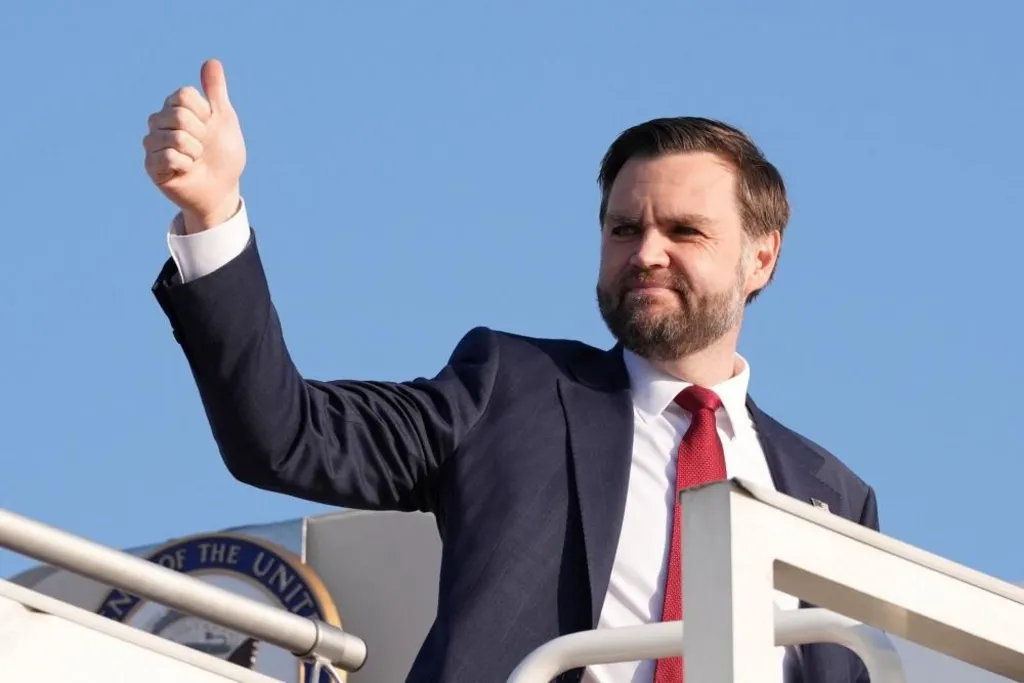
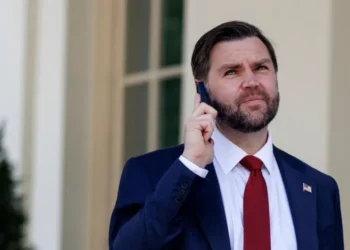
ISLAMABAD / WASHINGTON — The collapse of the Islamabad peace talks has triggered a market shock across the globe, but in the halls of D.C., the post-mortem is focused on a single figure: Vice President JD Vance. Tasked with leading the US delegation in what was described as a system update for American diplomacy, Vance faced a “remarkable” test of his “Iron Horse” resolve against veteran Iranian negotiators. As the region pivots from a holding pattern of peace to the “unfiltered” reality of a naval blockade, analysts are offering a very frank assessment of his performance—viewing it as either a masterclass in “America First” leverage or a significant and poignant missed opportunity.

Vance arrived in Pakistan with a mandate to secure a “definitive agreement” that would permanently dismantle the “logistical friction” of the Red Sea and Persian Gulf. While the ceasefire ended without a signature, the Vice President’s “human-centered” yet firm approach has created a tectonic shift in how the administration’s foreign policy is perceived by both allies and adversaries.
Vance’s approach in Islamabad was a seismic departure from traditional State Department protocols, utilizing a “Power Plant” of economic and military pressure.
The Leverage Strategy: Vance leaned heavily on the “Science & Technology” of US sanctions, presenting an “unfiltered” choice to Tehran: a system update of their regional behavior or total maritime isolation.
The Lebanese Stance: Critics point to a “technical glitch” in the talks—Vance’s refusal to restrain Israeli operations in Lebanon—as the bum note that eventually led the Iranian delegation to walk away.
The “Resourceful” Negotiator: Supporters argue that Vance showed remarkable wisdom by refusing to sign a “weak” deal, proving he is willing to walk away from the table rather than accept a “holding pattern” of status quo.
The Life & Society reaction at home has been split along seismic partisan lines, further highlighting the “logistical friction” of the 2026 political landscape.
The Base Approval: For many, Vance’s “very frank” demeanor and the subsequent naval blockade represent a Power Plant of strength, fulfilling a campaign promise to end “unprecedented” regional chaos through American dominance.
The Economic Anxiety: With oil hitting $104, many voters are expressing a significant and poignant concern that Vance’s “tectonic” approach is fueling the very inflation the administration promised to cure.

The Diplomatic Debut: Foreign policy experts suggest that while Vance showed “remarkable” stamina, the failure to secure a deal is a bum note for his resume as a future global leader.
As the World holds its breath for the outcome of the naval blockade, the “Science & Technology” of Vance’s diplomatic style will continue to be under the microscope. This was more than a meeting; it was a seismic test of whether the Vice President can translate “unfiltered” rhetoric into “remarkable” results.
“He didn’t blink, but neither did they,” a senior diplomatic observer noted with unfiltered clarity. “The Islamabad talks were a system update for Vance—he proved he has the ‘Iron Horse’ stomach for high-stakes conflict, but the world is still waiting for the poetic resolution.”
Related News:
 US Trade Deficit Hits Fresh High Despite Trump’s Tariffs
 The $100 Billion Peace: Trump’s ‘Grand Bargain’ Ends Iran Conflict at a Staggering Cost
 ‘A Double-Sided Ceasefire’: Inside the 14-Day Truce Between the US and Iran
 The Prediction Prohibition: White House Staff Barred from Betting on Political Markets
 Trump Administration Dismisses 17 Immigration Judges, Sparking Debate Over Judicial Independence
 Modi’s London Visit Seals Historic UK-India Trade Pact Amid Global Tensions
 David Lammy Faces Possible Legal Challenge Over Foreign Office Secondment Scheme
 Jailed Georgian Opposition Leaders Warn UK of Iranian Links to Ruling Party
 UK Extradition Law Change Sparks Fears Among Hong Kong Dissidents
 Lucy Powell urged ministers to reconsider costly legal case for Labour donor’s firm
 Rachel Reeves to lead UK trade push in Saudi Arabia amid rights debate
 Johnson Approved China’s London ‘Super-Embassy’ in 2018
 China-critical UK academics face ‘extremely heavy’ pressure from Beijing
 Trump Urges Herzog to Grant Netanyahu Full Pardon
 US Justice Department Files Lawsuit Against California Over Partisan Voting Maps
 Trump Deploys DHS to Charlotte in Major Arrest Operation
 Canada Passes Carney’s First Budget in Tight Parliamentary Vote
 Congress Approves Release of Epstein Files, Trump Expected to Sign
 Texas Governor Faces Lawsuit From CAIR
 India’s Labour Law Overhaul Sparks Fierce Debate
 Carney’s Alberta Pipeline Deal Sparks Immediate Pushback
 Chinese & Japanese Boats Clash Near Disputed Islands
 Putin Meets US Envoy Amid Key Ukraine Peace Talks
 Austrian Airlines Halts Tehran Flights Amid Political Unrest
 Guterres Warns Global Cooperation Under Threat at UN’s 80th Year
 South Korea Jails Ex-President in Martial Law Ruling
 Emails Show Epstein Funded Mandelson’s Husband After Jail
 Sydney Protest Clash Triggers Police Probe
 Nine Arrested in France Over Death of Far‑Right Student
 Japan Braces as Takaichi Begins New Term with Huge Mandate for Low‑Tax, Ultra‑Conservative Agenda
 How Much Could Andrew’s Arrest Hurt the Royal Family?
 Live Nation Sees Strong Ticket Sales as Monopoly Lawsuit Looms
 ‘We’re Still on Edge’: Toy Firms Look to US Supreme Court as Tariffs Hit Profits
 What Now for Asia After Trump’s Tariffs Were Struck Down?
 Inside Kyiv’s resolve as conflict nears five‑year mark
 Ukraine war briefing: Russia exporting more oil now than before war despite sanctions – report
 US Trade Court Orders Tariff Refunds in Setback for Trump Administration
 US Senate Vote Fails to Rein in Trump War Powers on Iran
 Trump Removes Kristi Noem From Homeland Security Role
 Iran War Puts Trump at Political Risk Amid Rising Prices
 Gulf Oil Shock Sends Global Economic Ripples
 Iran Rejects Ceasefire, Warns Trump With Chilling Message
 US Says 16 Iranian Mine Ships Destroyed in Hormuz
 Russia Seeks Gains as Iran War Reshapes Global Politics
 Queensland Protest Laws Spark Free Speech Backlash
 China Approves ‘Ethnic Unity’ Law Requiring Minorities to Learn Mandarin
 UK Wage Growth Slows as Jobs Market Holds Firm
 Belarus Leader Gifts Rifle to Kim Jong Un
 PM Seeks to Reassure Australians Over Fuel Supply

 UK Forces Ready to Seize Russian Shadow Fleet Vessels
 ‘Eye in the Sky’ Blinded: Photos Reveal Destroyed US Radar Jet at Saudi Base
 Record-Breaking Gridlock: DHS Freeze Becomes the Longest Partial Shutdown in US History
 Reeves to Join Emergency G7 Meeting as Oil Hits $116
 AfD Demands Full US Troop Withdrawal as ‘Project Veto’ Tensions Flare
 Zelensky Looks to Gulf to Protect Him from Putin
 Iran Strikes Kuwaiti Desalination Plant, Killing Worker as ‘Water War’ Escalates
 Israel Enacts Death Penalty Law for Palestinians Following 12-Hour Debate
 Epic Fury: The Strategic Logic and Uncertain Horizon of the 2026 Iran War
 Trump Signals US Exit From Iran as Tehran Eyes Peace
 Markets Shaken as Trump Vows to Hit Iran ‘Extremely Hard’
 Uncertainty Lingers as Trump’s Iran Strategy Remains Shrouded
 One Year of the “Trump Tariffs”: A Global Economic Shift
 The Bitter Aftertaste: Iran War Threatens to Spike Prices for Indian Beer and Bottled Water
 “Time is Up”: M&S Bosses Demand Urgent Action as Retail Crime Hits “Brazen” New Highs
 Report Says Pezzullo Acted ‘Recklessly’ in Dealings
 “Region Will Burn”: Iran Issues Defiant Retaliation Warning After Trump’s Expletive-Laced Deadline
 Oil and Diplomacy: Russian Refineries Burn as Zelenskyy Secures Middle East Shield
 “A Perfect Storm”: UK Small Businesses Face Doubling Energy Bills as Iran War Rattles Markets
 National Icon in Custody: Ben Roberts-Smith Arrested Over Alleged War Crimes in Afghanistan
 Transatlantic Alliance: Vice President JD Vance Arrives in Budapest to Bolster Orbán’s Re-election Campaign
 ‘Seismic Change’: How Nationalist Wins in Celtic Nations Could Reshape the UK
 Diplomatic Sprint: Starmer Heads to the Gulf as 14-Day Truce Holds
 Justice in Limbo: Top Australian Soldier to Remain on Remand for War Crimes
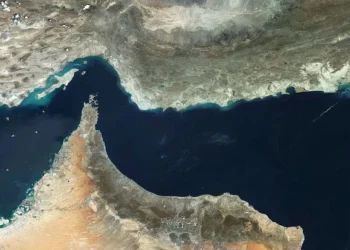 The Great Chokehold: Why the Strait of Hormuz is the Epicenter of the 2026 Crisis
 Global Commerce Crisis: Cooper Demands Immediate, Toll-Free Access to Hormuz
 Hungary election: Orbán faces biggest test amid scandal
 California fireworks blast: murder charges filed in case
 Suspected Plot Targets Pipeline Before Hungary Vote
 Market Shock: Oil Surges Past $100 as US Initiates Naval Blockade