Published: 13 April 2026. The English Chronicle Desk. The English Chronicle Online.
The unfolding geopolitical instability across the Middle East is set to strike British pockets. Families throughout the United Kingdom now face a significant reduction in their annual disposable income. A prominent thinktank recently warned that households will be nearly five hundred pounds worse off. This financial blow stems primarily from the volatile nature of global energy market pricing today. Higher gas and electricity bills are expected to dominate the domestic news throughout this year. Drivers will also feel the immediate impact of rising costs at the petrol pump daily. The Resolution Foundation shared these sobering statistics in a detailed report released on Monday morning. Market trends suggest that rising energy prices will tip living standards into negative territory shortly. Most working families previously expected a modest growth in their total income this year. Those optimistic projections have been completely erased by the start of the Iran war lately. A typical household might now see their total income fall by zero point six percent. This represents a stark difference of four hundred eighty pounds for the average British family.
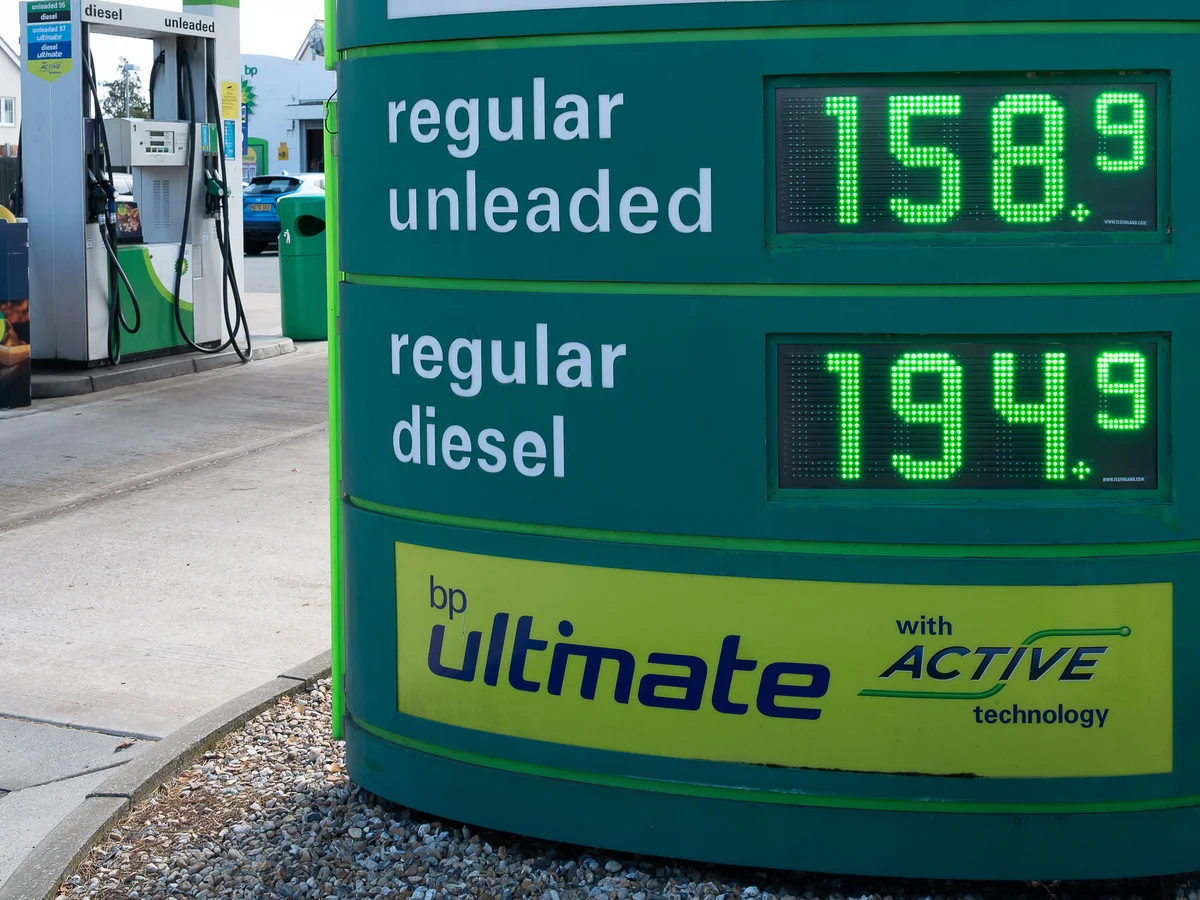
Oil and gas prices have climbed sharply since the initial military actions in February. These costs increased again on Monday as global markets reacted to the latest escalations. Brent crude is currently trading back above the symbolic one hundred dollar per barrel mark. This price surge reflects the deep uncertainty surrounding future energy supplies from the Gulf region. Some lower income households are seeing a small rise in their monthly state benefits. However, this increase is widely seen as a long overdue adjustment to high inflation. Average income growth for the poorest fifth of society will remain painfully low this year. These families may only see a growth of one point two percent in 2026. This is far below the original forecast of nearly three percent made earlier this year. The conflict began in earnest when military attacks were launched on the twenty eighth. Since then, a wider regional struggle has emerged to threaten global economic stability further. Israel continues to conduct military operations in Lebanon despite the recent ceasefire agreements made.

The failure of peace talks between major powers has added fuel to the fire. Donald Trump has initiated a blockade of the Strait of Hormuz and key ports. This move took effect on Monday and threatens to escalate the regional conflict again. Such disruptions to vital shipping lanes always lead to higher costs for British consumers. There is a slightly brighter outlook for larger families in the bottom income half. These households with three or more children are benefiting from significant new policy changes. The abolition of the two child limit is providing a much needed financial cushion. This group could see an income growth of over seven percent this coming year. In contrast, poorer families with fewer children will likely see no growth at all. Jonathan Marshall is the principal economist at the prominent Resolution Foundation in London today. He noted that energy bills are set to rise again this coming summer. This spike will wipe out previous savings gained from the lower price cap earlier.
The government is being urged to introduce a social tariff before the winter. This policy would offer targeted financial support to the most vulnerable members of society. Experts estimate that such a scheme would cost the Treasury billions of pounds annually. During a panel discussion, former Chancellor Jeremy Hunt commented on these challenging economic options. He suggested that a social tariff is the most promising way to help families. This approach would allow ministers to target aid without relying solely on benefit status. Hunt proposed a temporary support package worth up to ten billion pounds this year. He believes this is achievable within the current fiscal rules set by the government. Avoiding soaring public debt is essential for long term economic growth in the country. The Treasury remains very mindful of the current fragile fiscal position of the UK. Ministers may ask wealthier households to pay slightly more to fund these specific discounts. This strategy could prove politically difficult for Rachel Reeves to implement in her budget.
Announcing higher bills for the majority of voters is always a risky political move. Such a policy could easily be rejected by the public before it even begins. Hunt noted the current price rises are less severe than the 2022 crisis. The market conditions during the invasion of Ukraine were far more extreme than today. He suggested that universal support packages are unlikely to be repeated in this cycle. In 2022, the government intervened heavily to cushion the impact for every single household. Today, the focus has shifted toward energy security and the transition to green power. Dhara Vyas is the chief executive of Energy UK and advocates for clean energy. She stressed that reducing reliance on imported oil and gas is a national priority. Our energy security is currently at more risk than it has ever been before. Analysts expect crude oil prices to stay at these elevated levels for months. Some financial firms forecast prices will remain high through the end of June. There is some hope that prices might ease during the second half of 2026.

Goldman Sachs recently lowered their forecast for oil prices slightly for the next quarter. Despite this small adjustment, the average price remains significantly higher than pre war levels. James Smith is another lead economist who tracks these global trends very closely now. He stated that the path of the Middle East conflict remains deeply uncertain today. Energy prices are staying high, which means many households face lower purchasing power daily. Any form of de-escalation in the region is certainly welcomed by the global community. However, much of the damage to household finances has already been done this year. The government should act immediately to prepare for the difficult winter months ahead now. A social tariff could help those who might otherwise fall through the cracks soon. The British public remains wary as they watch global events impact their local shops. Maintaining a stable economy requires navigating these international tensions with great care and precision. Every penny counts for families trying to balance their budgets in these trying times.
The UK remains highly sensitive to fluctuations in the global price of fossil fuels. This vulnerability highlights the urgent need for a more diverse domestic energy production strategy. While politicians debate the best course of action, the immediate reality is quite clear. Life in Britain is becoming more expensive as a direct result of foreign wars. This year will require resilience from citizens and bold leadership from the current government. The Resolution Foundation will continue to monitor these shifts in living standards very closely. Their data provides a vital roadmap for understanding the true cost of global conflict. As the summer approaches, all eyes will be on the next energy cap. For now, the British public must prepare for a leaner year than expected before. Balancing the national books while protecting the poor is a delicate act for any. The coming months will test the strength of the UK economy and its people. Only time will tell if these economic forecasts become a harsh reality for all. For many, the hope remains for a swift resolution to the fighting abroad. Peace would bring stability back to the markets and relief to the home. Until then, the cost of the Middle East war remains a heavy burden.
Related News:
 Reeves Faces Setback as Labour May Miss Homes Target
 Virgin Trains Moves Closer to Challenging Eurostar Monopoly
 Trump’s UK Ambassador Urges North Sea Drilling to Strengthen US Ties
 Ryanair Chief UK Economy ‘Doomed’ Under Labour
 ABF May Split Primark from Food Division Amid Tough Market
 M&S Profits More Than Halve After Cyber-Attack
 Tony Blair think tank warns Rachel Reeves must cut taxes if manifesto broken
 Earl of Yarmouth Faces £1.3m Legal Bill Over Family Estate
 Millionaires group urge Reeves to introduce wealth tax to ‘lift kids out of poverty’
 From Lego to Pokémon: How Adults Are Driving UK Toy Market Growth
 New laws to bolster UK’s defences against cyber attacks on NHS, transport and energy
 Skims Eyes Global Expansion After Reaching $5 Billion Value
 Global markets drop amid tech sell-off and China slowdown
 Canada Passes Carney’s First Budget in Tight Parliamentary Vote
 PM Highlights UK Business at G20 in South Africa
 Mossmorran Plant Closure Hits Cowdenbeath Hard
 India’s Labour Law Overhaul Sparks Fierce Debate
 Starmer Says Labour’s Economic Plan Needs Years to Deliver
 Virgin Media Fined £23.8m Over Telecare Safety Failures
 Rising Water Bills Lift Troubled Thames Back to Profit
 Tesla Warns UK That Weak EV Rules Could Threaten Sales
 FTSE 100 Hits 10,000: UK Market Celebrates Record Year
 UK House Prices Fall Sharply at Year-End, Nationwide Reports
 Wessex Water chiefs receive £50,000 extra despite government bonus ban
 Canada-China trade gains momentum in new strategic partnership
MPs warn AI financial risks threaten UK stability
Canada-China trade gains momentum in new strategic partnership
MPs warn AI financial risks threaten UK stability
 MPs warn AI financial risks threaten UK stability
 B&M and The Works Struggle During Christmas Trading
 US Dollar Hits Four-Year Low Amid Market Turmoil
 Amazon mistakenly signals new global layoffs to employees
 Labour Must Revive High Streets to Avoid Election Collapse
 Households in England Face Rising Water Bills in April
 UK needs new factory to reach 1.3m car target, says industry chief
 UK New Car Discounts Near £6,000 as Prices Are Slashed
 Study Finds One in Seven England Takeaways Are Dark Kitchens
 Telstra AI jobs cuts as automation drive expands
 BT Names New Openreach Chief Amid Major Fibre Expansion
 AI fears hit UK wealth and comparison sites
 UK Housing Market Shows Early Recovery Signs
 UK economy struggles as growth stalls at 0.1% in late 2025
 Royal Mail Blames Poor Weather and Sickness for Delayed Deliveries
 Glencore Approves $2bn Payout Despite Profit Slump
 UK Job Vacancies Hit Five-Year Pandemic Low
 UK Youth Unemployment Surges Amid Tax Changes
 Strong Rebound for UK Housing Market Sees 6% More Homes
 HSBC Signals Overhaul Nearing Completion Despite Profit Drop
 Engie UK Power Networks Deal Seals £10.5bn Buy
 Reeves Must Back Defence Plan or Face Dismissal, Says Unite Chief
 Switching Energy Deal Can Save £200 as Price Cap Falls
 UK house prices rise as market steadies
 Oil Prices Surge Above $100 Amid Iran War
 Revealed: UK AI Push Faces Phantom Investment Claims
 Abramovich Chelsea Sale Cash Faces Jersey Probe
 Tesla Enters British Energy Market Following Ofgem Approval
 UK Pushes NHS and MoD to Buy British Tech
 UniCredit’s Bold Move to Reshape European Banking
 UK Wage Growth Slows as Jobs Market Holds Firm
 Charity Watchdog Takes Control of Learning Disability Care Home
 Eli Lilly Seeks Higher NHS Prices for UK Investment
 Trump Threatens Iran With Total Infrastructure Destruction
 IMF Predicts Global Economic Crisis Due to Gulf Unrest
 Trump Slams Europe as Transatlantic Tensions Boil Over
 Russia: The Unforeseen Winner of the Iran Conflict
 Can Congress Stop US Sports Teams From Moving Cities?
 Trump Issues Stark Warning After Strike On Iran’s Largest Bridge
 New Gmail Feature Ends Era of Embarrassing Email Names
 US Senators Slam Ticketmaster Over Sneaky New Fee Hikes
 The Great Energy Illusion: Is America Truly Oil Independent?
 Apple at 50: Three Products That Changed How We Live
 Tax Shift Hits UK Farms: New Inheritance Rules Begin
 Iceland Boss Offers Role to Sacked Waitrose Employee
 The Great Disconnect: Why Washington’s Elite Can No Longer Find Work
 US and Iran Agree to Two-Week Provisional Ceasefire
 Markets Surge as Trump Agrees to Iran Ceasefire Terms
 UK Fossil Fuel Expansion Risks Global Climate Collapse
 Green Light for Britain’s Electric Future in Somerset
 California fireworks blast: murder charges filed in case
 Heavier SUVs Accelerate Britain’s Pothole Crisis
 Remote Work Tribunal Cases Decline Across Britain
 Britain Proposes New Trade Bill to Reset Ties with Europe