Published: 18 August 2025. The English Chronicle Desk
The arrival of a new Premier League season often brings with it fresh hope, renewed optimism and the suggestion of a clean slate. At Old Trafford on Sunday, the summer sun was shining, the stands were draped in new flags, and Manchester United’s supporters came in buoyed by the anticipation that this campaign could not possibly mirror the disappointments of the last. Yet football has a way of refusing to conform to fresh beginnings. Matches are never isolated moments but rather continuations of narratives long in play, their roots stretching back into the frustrations of previous seasons. For United, the same old vulnerabilities resurfaced in their opening fixture, exposing a problem that has lingered far too long between the posts.
The echoes of last December still linger in this United side. Back then, Arsenal punished them twice from set pieces at the Emirates, capitalising on the Red Devils’ inability to defend against inswinging deliveries. André Onana was in goal that day, but the frailties were there for all to see. Tottenham, spotting the weakness, pressed the same bruise in the Carabao Cup, with Altay Bayindir conceding directly from a Son Heung-min corner. That sense of déjà vu returned once more on Sunday. Declan Rice’s inswinging corner, after only 13 minutes, was flapped at by Bayindir and only spared from being an own-goal by Riccardo Calafiori’s header from the line to give Arsenal the lead.

United could argue, with some merit, that Mason Mount had been impeded by William Saliba in the build-up, and that in the new climate of stricter officiating on holding, the decision might have gone their way. Yet the truth is harsher: no referee’s call should have been necessary had there been more commanding goalkeeping. The contrast was laid bare later in the game when David Raya punched away a Bruno Fernandes free-kick with authority, brushing aside Matthijs de Ligt in the process. It was a reminder of what United have long been lacking — decisiveness in their last line of defence.
Questions inevitably arise about the team’s priorities. Modern football, increasingly driven by digital narratives and highlight reels, has seen clubs lavish hundreds of millions on attackers who dazzle in clips and clips alone. Yet goals at one end mean little when they are undone so cheaply at the other. United’s summer investment in forward options, which was meant to spark life into their attack, was once again overshadowed by defensive frailty. The irony is stark: nearly £200 million spent on firepower, but still undone by the same old flaws.
There were glimpses of encouragement for Rúben Amorim’s side. Bryan Mbeumo and Matheus Cunha had their moments, with Cunha in particular forcing Raya into one of his seven saves, a tally higher than any goalkeeper on the Premier League’s opening weekend. Amad Diallo, deployed in an unfamiliar right wing-back role after the interval, was once again among United’s sharpest performers. Patrick Dorgu struck the post, and there were fleeting signs that United could salvage something from the match. But in the end, as too often in recent memory, promise was overshadowed by wastefulness.
Context is important. United drew this very fixture last season, yet the narrative feels bleaker now. Amorim’s managerial win percentage has already dipped alarmingly to 37.2%, the lowest of any United manager in half a century. Should his team fail to secure victory at Fulham next weekend, his record will fall below those of Frank O’Farrell and Wilf McGuinness, placing him among the most unsuccessful managers since Herbert Bamlett, who was dismissed in 1931. Such numbers inevitably erode patience, no matter how much mitigation there may be in individual performances or bad luck.

United’s predicament is not one of statistics alone. It is the creeping weight of history, of recurring flaws left unaddressed. The failure to fix weaknesses at set pieces, the lack of assurance in goal, and the inability to turn chances into decisive results all contribute to a growing sense of unease. Amorim can point to transition, to new players bedding in, to near misses, but excuses wear thin when the same mistakes repeat themselves.
Football seasons are rarely compartmentalised. The problems of one campaign bleed into the next, scars reopening with fresh wounds. This is the danger facing United now. If victory does not arrive at Craven Cottage, the following fixture against newly-promoted Burnley will already carry the weight of crisis — not just a game to be won, but a game they cannot afford to lose. For all the talk of new beginnings, the shadows of the past continue to lengthen over Old Trafford.
Related News:
 Glory for the Lionesses: England Crowned Women’s Euros Champions Again Amid National Calls for Bank Holiday
 Manchester City Announce Their Return in Style with Haaland Double and Debut Goals at Wolves
 FIFA Eyes Biennial Club World Cup from 2029, Plans Possible Expansion
 Germany and Northern Ireland Set for Crucial World Cup Qualifier Clash in Cologne
 Serbia Humiliated 0-5 by England in World Cup Qualifier
 Man City 2-0 Napoli: Haaland Reaches 50 Champions League Goals After Red Card Turns Tide
 Rashford’s Brilliance Stuns Newcastle as Barcelona Claim Champions League Victory
 Tributes Pour In as Former Liverpool Women Manager Matt Beard Dies Aged 47
 Liverpool Vs outhampton Set for Carabao Cup Clash at Anfield
 Ferguson Fires Scotland to Dramatic Comeback Win Over Greece
 England Thrash Wales as Rogers, Watkins and Saka Shine Bright
 Tuchel Criticises ‘Silent Wembley’ After England Win
 Clarke’s Anger Overshadows Scotland’s Historic Win
 Kane’s Double Seals England’s World Cup Qualification
 Barnes Inspires Newcastle to Champions League Triumph Over Benfica
City shine with PlayStation-style football to overwhelm Villarreal
Barnes Inspires Newcastle to Champions League Triumph Over Benfica
City shine with PlayStation-style football to overwhelm Villarreal
 Fabio Wardley stuns Joseph Parker to earn Usyk title shot
 Tension and Turmoil at Aston Villa v Maccabi Match
 Lando Norris Dominates Brazil GP to Strengthen F1 Title Bid
 Ronaldo Confirms Final World Cup and Plans Retirement
 England’s Euro Odyssey: A Tale of Grit, Glory and the Lionesses’ Miraculous March to the Final
 UK Must Act with Courage and Clarity on Israel-Palestine Conflict, Says Foreign Affairs Committee Report
 Predicted Leicester Line-ups Reflect Cifuentes’ Tactical Plans Ahead of New Season
 Central London Gears Up for Lionesses’ Victory Parade as Thousands Prepare to Celebrate Historic Women’s Euros Win
 London Set to Honour Euro 2025 Champions as Lionesses Take Victory Parade Through the Capital
 Rangers Boss Russell Martin Launches Blistering Critique After Disappointing Draw with Motherwell
 Tottenham Takes On Newcastle
 Radioactive Leak at UK’s Nuclear Warhead Base Sparks Outcry Over Safety and Secrecy
 Mutual Inconvenience: Why Alaska Was Chosen for the Trump-Putin Summit on Ukraine
 Minute’s Silence for Diogo Jota Abruptly Ended After Wembley Tribute Disrupted
 Premier League Supercomputer Predicts Tough Season for Man Utd Amid Three-Team Title Battle
 Where Is Prince William and Kate Middleton’s New House? Inside the Historic Lodge Set to Become Their ‘Forever Home’
 European Football: Atlético Madrid Stumble at Espanyol as Vitinha Secures PSG Win
 EuroMillions Record-Breaking £210m Jackpot Won by Lucky Lottery Ticket Holder
 Grimsby Stun Manchester United in Dramatic Penalty Shootout
 Guardiola Admits City ‘Forgot to Play’ After Shock Defeat to Brighton
 British Couple Among 16 Killed in Lisbon Funicular Tragedy
 Protests Expected as Israeli Arms Firms Join Global Defence Trade Fair in London
 Fábio Carvalho’s Last-Minute Heroics Deny Chelsea Victory at Brentford
 Thousands Gather in London to Protest Donald Trump’s Second UK State Visit
 Trump Urges UK to “Call Out the Military” to Secure Borders Amid State Visit
 British AI Startup Outshines Human Forecasters in Global Prediction Contest
 Dembélé and Bonmatí Shine as Ballon d’Or Winners in Glittering Paris Ceremony
 Chelsea Survive Lincoln City Scare to Advance in Carabao Cup
 UK Fighter Jet Purchase Could Breach Nuclear Treaty, Warns CND
 Dramatic Derby: Sorloth Strikes as Atletico and Real Madrid Share the Spoils
 Arsenal VS Newcastle Hearts with Dramatic Late Turnaround at St James’ Park
 Aston Villa Fight Back to End Winless Run with Convincing Victory over Fulham
 ICC Women’s World Cup 2025: India to Host as Pakistan Fixtures Moved to Neutral Venues
 A Third of EU Citizens in UK Report Discrimination by Public Bodies Post-Brexit
 Postecoglou Stands Firm Amid Mounting Forest Fan Frustration
 Bournemouth Stun Fulham with Dramatic Comeback in Premier League Thriller
 Arsenal Showcase Depth and Flexibility as Arteta Eyes Title Challenge
 Public Trust in SNP Hits Historic Low Amid NHS Concerns
 Cooper Unveils £4m Cyber Plan Against Russian Hackers
 Johnson Suggests Mandelson Linked to China Spy Controversy
 Witness statements reveal the CPS China spy row collapse in the UK
 China warns UK over delayed London mega embassy decision
 Rachel Reeves signals welfare reform ahead of key budget
 Fulham vs Arsenal Trossard Strike Sends Gunners Three Points Clear
 Kosovo agrees to host Britain’s refused asylum seekers
 Gibbs-White Inspires Forest to Thrilling Win Over Porto
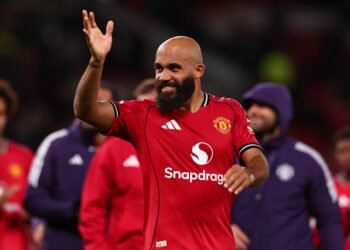 Manchester United triumph as Mbeumo brace seals thrilling win
 British Woman in Iran ‘Losing Hope’ Amid Ongoing Detention
 Johnson Approved China’s London ‘Super-Embassy’ in 2018
 BBC Journalist Held and Interrogated in Vietnam
 Salah & Gravenberch Lead Liverpool to Win Against Villa
 Granit Xhaka Rescue Earns Everton Draw at Sunderland
 Top Christmas Books Reads: Classics to Cozy Romcoms
 Just Stop Oil Protesters Convicted Amid Climate Defence Row
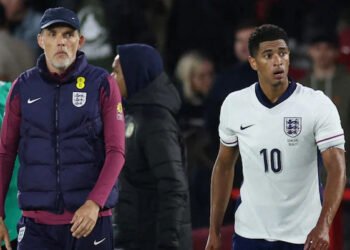 Bellingham has ‘the edge’ among England No 10s
Man City Masterclass on Guardiola’s Milestone Day Exposes Liverpool Woes
Bellingham has ‘the edge’ among England No 10s
Man City Masterclass on Guardiola’s Milestone Day Exposes Liverpool Woes
 VAR Must Rein Its Neck In to Save Football’s Spirit
 Trescothick Hints Pope Will Keep Number Three Spot
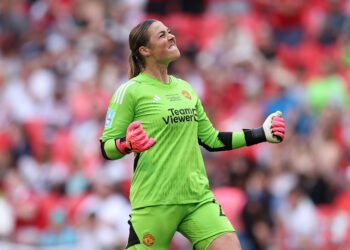 Mary Earps’s Manchester United Return Faces Mixed Reception
 Sam Kerr Stars in Chelsea Return with Champions League Double
 Former Lion Heskey Warns of Shortage of England Strikers
 Haiti Qualifies for World Cup Despite Coach Never Visiting Country
 Moyes Defends Gueye After Dramatic Everton Bust-Up
 Mbappe Scores 4 as Real Madrid Edge Olympiakos