Published: 24 June 2026. The English Chronicle Desk. The English Chronicle Online.
The internal battle for the future direction of the British economy has intensified significantly this week. A large coalition of progressive economists has mounted a fierce defence of Ed Miliband. This public intervention follows sharp criticisms from Sharon Graham, the general secretary of Unite the union. Graham recently claimed that Miliband’s climate policies would actively destroy vital working-class jobs across Britain.
With Andy Burnham poised to take over the Downing Street keys very shortly, tensions are high. The debate over who will become the next Chancellor of the Exchequer is growing fierce. Rachel Reeves is prepared to vacate the Treasury, leaving a highly coveted seat completely open. Miliband has emerged as a clear frontrunner for the crucial position of economic leadership. However, his strong commitment to green energy has sparked intense anxiety among traditional industrial unions.
Sharon Graham has firmly advocated for granting new licences for North Sea oil extraction. The GMB union stands firmly alongside Unite in demanding protection for traditional energy sectors. Speaking to the Sunday Times, Graham warned that Miliband’s net-zero targets could strangle economic growth. She described his environmental agenda as a literal noose around the neck of job creation. In her view, the rush toward green energy neglects national security and worker skills.
Unite remains deeply frustrated by the recent closures of major British oil refineries across Scotland. The union also laments the distinct lack of domestic manufacturing jobs in offshore wind. In response, more than forty leading academic economists have signed a powerful open letter. They have collectively urged the prominent union leader to withdraw her controversial remarks immediately. The signatories include highly respected figures like Kate Pickett, the celebrated author of The Spirit Level.
Geographer Danny Dorling and professor Daniela Gabor have also added their names to the letter. James Meadway, representing the progressive thinktank Verdant, helped coordinate this significant intellectual pushback. These experts argue that the green transition is actually the largest driver of modern industrial employment. According to recent data, the net-zero economy currently generates over one hundred billion pounds annually. The expanding green sector already employs well over one million workers throughout the United Kingdom.
The economists strongly emphasise that these employment numbers will grow rapidly in coming years. They believe green workers need robust union representation, excellent wages, and strong government champions. The letter states clearly that there is simply no viable alternative to this economic transition. The damaging effects of global climate change are already being felt across the nation. Therefore, the academics insist Miliband is entirely correct to oppose further North Sea expansion.
Other notable signatories include Howard Reed, the respected director of the influential Landman Economics consultancy. Prominent economic campaigner Ann Pettifor has also lent her considerable weight to the cause. Jo Michell, an economics professor at the University of the West of England, signed too. This broad coalition represents a significant slice of the intellectual left in British academia. They are determined to reframe the climate debate as an immense opportunity for workers.
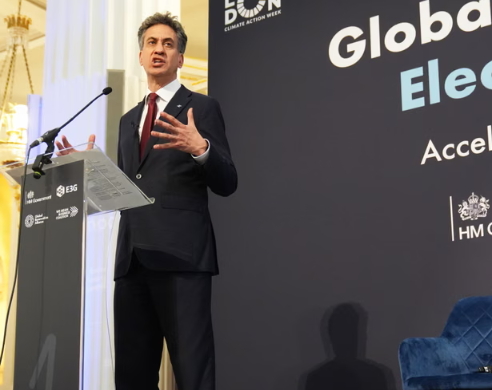
Miliband himself utilised a major speech at London Climate Week to reinforce this narrative. Addressing a diverse audience on Tuesday, he hailed the immense benefits of green investments. He confidently declared that the clean economy of the United Kingdom is currently booming. This optimistic rhetoric is designed to ease fears within the wider Labour movement regarding employment. Miliband wants to prove that environmentalism and strong working-class job growth can coexist beautifully.
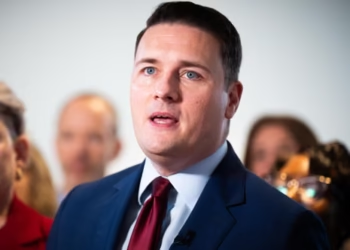
Meanwhile, Andy Burnham is widely expected to formally become Labour leader by mid-July. His path to power seems remarkably clear of any significant political or internal obstacles. A leadership challenge looks highly unlikely after Wes Streeting offered his full personal endorsement. The prominent health spokesperson chose to throw his considerable political weight behind the former mayor. This strategic move has effectively consolidated Burnham’s position as the undisputed leader in waiting.
This timely intervention from left-wing thinkers is part of a much broader political strategy. They want to stiffen Burnham’s resolve against immense pressure from more conservative Labour MPs. Many backbench politicians harbor deep anxieties about how financial markets might react to Miliband. There are lingering fears that a radical green chancellor could spook sensitive international investors. The academic letter aims to provide Burnham with intellectual cover to make a bold choice.
The race for Number Eleven Downing Street remains highly competitive with several strong contenders. Wes Streeting himself is considered a potential candidate for the top job at Treasury. Yvette Cooper, the current Foreign Secretary, brings invaluable past experience as a former Treasury minister. John Healey is also in the frame after his high-profile resignation over defence funding. Healey stepped down recently to protest the perceived failure to fully fund vital military investments.
Burnham has already signaled his desire for a profound shift in British economic policy. His close adviser Mathew Lawrence published an incredibly ambitious policy paper earlier this week. The document calls for a comprehensive programme of renationalisation over the coming parliamentary term. This strategy would return control of key public utilities directly to the British public. Such a shift represents a clear departure from the cautious approach of recent years.
In response to the building political drama, Rachel Reeves’s Treasury has been remarkably active. Her media team has issued a steady stream of official press releases all week. They are very keen to project an image of calm and continued stability. The Treasury insists that it remains business as usual despite the imminent leadership transition. These official communications highlight ongoing work and key administrative appointments to reassure the public.
Among these announcements was the formal nomination of Jonathan Haskel to a prestigious role. The respected academic is set to become the next chair of the independent watchdog. The Office for Budget Responsibility plays a vital role in overseeing UK fiscal policy. The Treasury also released fresh details regarding the operations of the Covid fraud taskforce. This move is designed to show that the current administration is working hard until the very end.
The unfolding debate highlights a fundamental ideological divide within the modern progressive movement in Britain. On one side stand traditional trade unions focused on preserving existing industrial jobs. On the other side are green economists who view climate action as an economic savior. How Burnham navigates this deep chasm will likely define the early days of his premiership. For now, the battle for the soul of Labour’s economic policy remains wide open.
Related News:
 Reeves Faces Setback as Labour May Miss Homes Target
 Kate Winslet to Narrate Film Highlighting King’s Environmental Mission
 Trump’s UK Ambassador Urges North Sea Drilling to Strengthen US Ties
 UK Bans Fake Numbers: Scammers Lose Their Trick
 M&S Profits More Than Halve After Cyber-Attack
 Patients to Test Health at Home to Ease NHS Winter Pressure
 Millionaires group urge Reeves to introduce wealth tax to ‘lift kids out of poverty’
 Reeves rejects £1bn plea for NHS redundancy payouts
 Northern Lights may illuminate UK skies this week
 PM Condemns Leaks, Vows Loyalty to Ministers and Stability
 Major Rent Reform Ends No-Fault Evictions in England
 Stroke Patient Mistaken for Drunk, Care Delayed
 Inside the Helpline Protecting Missing Children in the UK
 Boots Showstopper Beauty Bundle Outshines Many Advent Calendars This Holiday Season
 PlayStation PS5 Deals Hit Lowest Prices Ahead of Black Friday
 Five-Year-Old Dies After Rare Tonsil Surgery Complication
 Starmer Says Labour’s Economic Plan Needs Years to Deliver
 UK unemployment rises to four-year high of 5.1% before budget
 Wiltshire Police Use Lasso to Catch Rampaging Village Goat
 Coasting Drinks: The Trend Redefining Alcohol Enjoyment This New Year
 Rising Hate Crimes Threaten Safety on UK Public Transport
 Starmer Faces Parliamentary Battles Over UK-EU ‘Reset’ Plan
 Met Police Vetting Failures Let Serial Rapists Remain
 Google Employee Claims Redundancy After Harassment Report
 Fatal Bolton Taxi Crash Claims Three Teens and Driver
 ScottishPower Tops List of Worst UK Energy Suppliers
 Judi Dench Champions Fight to Save London’s Green Spaces
 Crowborough Camp Welcomes First Asylum Seekers
 BBC Funding Crisis: Tim Davie Warns of Jeopardy Ahead
 Storm Chandra floods Somerset, triggers major incident declaration
 Artificial intelligence will cost jobs, admits Liz Kendall
 Older Women Vanish from BBC Screens, Review Confirms Bias
 Mandelson Faces Police Inquiry Over Epstein Leak
 Streeting moves on doctor pay to end strike dispute
 Send spending gap leaves deprived areas behind
 Hidden Crisis: Domestic Abuse Suicide Toll in UK
 UK Unemployment Rate Climbs to 5.2% Peak
 BBC World Cup Presenting Duties Shared Among Trio
 Wales Approves Assisted Dying Bill Consent
 CPS Updates Guidance on Honour-Based and Dowry Abuse
 Asylum Seekers to Work After Year-Long Wait
 Inquiry into HMRC child benefit errors launched by NAO
 Rising Costs Force Families to Rethink Days Out
 Scott Mills Sacked by BBC Over Personal Conduct Claims
 Palantir Boss Defends NHS Deal Amid Government Break Clause
 Relationship with Trump may be beyond repair, Starmer warned
 UK Government Poised to Revive Stalled Hillsborough Law
 Home Office Faces Legal Risks Over Asylum Hotel Living
 Crisis in NHS Surgery Scheduling Hits Patients Hard
 Welsh Labour Faces Potential Historic Election Defeat
 Blue Badge Abuse: The Rising Tide of Public Hostility
 UK Faces Future Where Deaths Outnumber Births Yearly
 Scott Parker Leaves Burnley After Premier League Drop
 Silent Tracks: Rail Line Without Passengers
 RFU Backs Borthwick Despite England’s Poor Six Nations
 Major test for Labour as polls open in Great Britain
 Keir Starmer Struggles to Secure His Grip on Downing Street
 Fear and Betrayal: The Chilling Case of Kouri Richins
 Farage Faces Standards Probe Over Cash Property Purchase
 Closing the Gap: UK Pensions Commission Demands Action
 Sun and Jams: Britain Braces for a Sizzling Bank Holiday
Russian Electronic Attack Targets UK Defence Chief Jet
Sun and Jams: Britain Braces for a Sizzling Bank Holiday
Russian Electronic Attack Targets UK Defence Chief Jet
 UK Shoppers Face Prolonged Price Rises At Tills
 Tube Strike Brings Capital to a Standstill Over Shift Disputes
 Labour Denies Benefit Tax Hike Amid Mandelson Leak
 Makerfield Voters Demand Real Change as Election Looms
 US Condemns ‘Two-Tier’ UK Policing After Student Murder
 Millions in British Charity Funds Linked to Illegal Settlements
 Ryanair Faces Probe Over Mandatory Family Seating Fees
 Britain’s Crowning Butterfly Takes the Nation by Storm
 Labour MP Revives Blocked Assisted Dying Bill in Commons
 Starmer Set to Announce Exit Plan as Burnham Eyes No 10
 The Hybrid School Revolution Defying the Social Media Ban
 UK Care Crisis: Row Explodes Over New Visa Settlement Rules
 Sainsbury’s Boss Optimistic As Grocery Inflation Eases
 NHS Urges Investigation For Irregular Periods
 US Airman Avoids British Court in Indecent Exposure Case
 Farage Warns Sky News Following Financial Inquiry
 Ann Widdecombe, Formidable Political Figure, Dies at 78
 UK Schools Struggle as Classrooms Top 40C