Published: 03 July 2026. The English Chronicle Desk. The English Chronicle Online.
The recent departure of Ben Stokes from the England Test team has left a profound void that ripples through the entire sport. Coming off the back of a seventh defeat in nine matches, this sudden exit feels surreal for many loyal supporters. A player defined by his immense self-belief has chosen to finish his career playing championship cricket for Durham. This decision leaves English cricket facing a mountain of urgent questions regarding the future direction of the national side. The most pressing issue is whether Brendon McCullum remains the ideal leader to guide this struggling young squad forward.
Many wonder why the England and Wales Cricket Board believes that McCullum is the right person to handle this complex rebuilding phase. Recent results show little tangible progress for promising young talents like Zak Crawley or the highly regarded Ollie Pope. Tactical planning has also drawn significant criticism following the confusing management of spin bowling prospect Shoaib Bashir during the tour of Australia. Furthermore, the limited opportunities granted to players like Josh Hull suggest an ongoing issue with long-term development strategies. Some observers point to reckless shot selections, such as the reverse sweep seen at the Oval, as evidence of a deeper cultural problem.
When McCullum first arrived in 2022, he inherited a group of seasoned veterans who essentially required gentle guidance rather than intense technical coaching. Stars like Jimmy Anderson, Stuart Broad, Joe Root, and Jonny Bairstow were exhausted by the pressures of playing throughout the global pandemic. McCullum provided a refreshing philosophy centered on attacking play, reducing stress, and finding joy in the game once again. That period produced some of the most thrilling and memorable cricket witnessed by English fans in many decades. However, the landscape of the current dressing room has changed drastically after four years of rapid transition.
The modern England squad is significantly less experienced, relying heavily on Joe Root, who holds more caps than the rest of the team combined. Ben Duckett is the next most experienced player, yet even he has only played forty-six Tests during his career. This group is currently forced to learn the nuances of the format while simultaneously competing against the world’s best teams. They require stability and technical refinement rather than constant reminders to stop worrying and start having fun. The administration claims that the side is undergoing a necessary reset, yet they refuse to acknowledge that the fundamental approach requires change.
During a recent interview, McCullum addressed the team’s batting collapse by describing their performance as merely a situational occurrence. He suggested that scoring runs on the final day would have been too difficult, despite Gus Atkinson batting comfortably for ninety minutes. The coaching staff maintains that their aggressive intent was designed to remove time from the game, yet the results remain undeniably poor. This defensive stance regarding a failed strategy highlights the persistent tension between McCullum’s personal brand and the needs of a struggling team. Critics have long observed this pattern throughout his professional career, stretching back to his days as an influential player.
Historical accounts from his time with New Zealand reveal a similar conflict between his individual style and the collective requirements of his teammates. In 2008, a coach once asked him to curb his aggressive nature to help settle the team during a difficult series. McCullum famously refused, declaring that he was busy building a personal brand of cricket that prioritized his own instinctive approach. This philosophy eventually became the foundation for the aggressive style that fans now recognize as the defining trait of his coaching tenure. While this confidence once drove success, it now appears to be causing friction as he attempts to lead a much younger generation.
Furthermore, some former teammates have shared concerns about the cultural standards fostered during his leadership, particularly regarding off-field discipline and team unity. Tales from previous tours describe a relaxed atmosphere that some players felt prioritized leisure over the intense demands of international sport. While McCullum has expressed frustration over recent breaches of curfew by senior players, questions regarding his ability to enforce professional standards remain. He has often argued that his methods secure better results than more traditional, disciplined approaches favoured by his predecessors. Some might argue that his focus on enjoyment often masked a lack of tactical depth required for consistent Test success.
The genuine anger felt by many supporters stems from the fact that they deeply valued the exciting cricket England played during the peak of the recent era. Unfortunately, those positive memories are now overshadowed by the lack of long-term planning and the failure to develop a sustainable team. The current side seems lost, lacking the technical foundation needed to compete at the highest level of the international game. If the coaching staff continues to prioritize brand identity over practical adjustments, the slide in results will likely continue to worsen. English cricket must now decide if the current leadership can adapt or if a fresh perspective is finally required.
Ultimately, the sport requires a coach who can balance the need for aggressive intent with the reality of a developing side’s limitations. If McCullum cannot reconcile his own rigid philosophy with the evolving needs of these young players, the team will continue to struggle. Fans are weary of watching talented individuals fail to learn from their mistakes in the middle of a crucial Test match. It is time for the authorities to have a difficult, honest conversation about the future of the England team and its coaching staff. Retaining the status quo is a gamble that the sport can no longer afford to take if they wish to remain competitive.
Related News:
 Ben Stokes injury joke after brutal ball strike
 England Too Careful in Windies Defeat
 Buttler Eyes Vital Run Surge as England Face New Zealand
 India T20 World Cup Triumph Seals Historic Title Defence
 Father and Son Score Record 590 Run Partnership
 McCullum Faces Pressure to Bridge England County Gap
 Jos Buttler Searches for Form as the IPL Returns
 Teenage Titan: Sooryavanshi Smashes IPL Records
 Middlesex Icons Launch Bold Revolt Against Club Leadership
 Sam Konstas Dropped as Australia Unveils New Contract List
 ECB Faces Backlash Over Disability Premier League Inclusion
 Streaming Giants Target Historic Ashes Broadcast Rights
 Afghan Women’s Cricket Dreams Remain Undimmed
 Stokes Captaincy Crisis After London Nightclub Incident
 Captain in the Spotlight: The Future of England Cricket
 Kane Williamson Retires From International Cricket
 Blackpool Cricket Stands Firm Amid County Struggles
 Ben Stokes Was Fallible But That Made Him Our Champion
 Women’s T20 World Cup Breaks Records But Gaps Remain
 Ben Stokes Retires: The End of an Extraordinary Era
 The Last Stand of English Cricket’s Greatest Partners
 England’s Historic Win Over India
 Sports, Women’s Cricket A Historic Lord’s Bow for Beaumont and England
 England Rue Selection Errors in Defeat to India
 Granit Xhaka Rescue Earns Everton Draw at Sunderland
 UK and Ireland Announce Venues for Euro 2028 Tournament
 Saka Solidifies Role as Tuchel’s Key England Lieutenant
 Former Lion Heskey Warns of Shortage of England Strikers
 Tiny Curacao Makes History as Smallest Nation to Reach World Cup
 Haiti Qualifies for World Cup Despite Coach Never Visiting Country
 Australia Face Big Changes as Cummins and Lyon Ruled Out of Ashes
 Van de Ven Tackle Leaves Isak with Fractured Leg
 ECB powerless to halt England’s recurring Ashes failures
 Aston Villa Remain Arsenal’s Key Obstacle in Title Pursuit
 Salah Shines as Egypt Knock Out Ivory Coast at Afcon
 Raphinha doubles up as Barcelona beat Real Madrid in Super Cup
 Xabi Alonso leaves Real Madrid, Arbeloa Takes Over
 Maya Joint stunned by Valentová in Australian Open upset
 Chelsea warn fans of danger in Naples after hospital incidents
 Liverpool Chase Champions Glory With Stunning Qarabag Victory
 Wrestler at 60: A Powerful New Start in the Ring
 Arsenal blow lead as Arteta rues Wolves draw
 BBC World Cup Presenting Duties Shared Among Trio
 Craig Tiley Leaves Australian Open Legacy
 English Cricket Faces Moral Crisis Over Indian Investment
 Hudson-Odoi Sends Nottingham Forest Into Europa Last 16
 World Cup Drinks Breaks Could Bring ITV Ad Debate
 Spurs Coach Defends Early Kinsky Substitution at Atlético
 Champions League Failure Sparking Premier League Crisis
 African World Cup Fans Face $15,000 Entry Bond Fee
 The Wildest Plastico: Leverkusen and Wolfsburg Thriller
 Robots Outpace Humans in Beijing Half-Marathon
 Ashley Cole: Finding His Voice and Vision in Italy
 Scott Parker Leaves Burnley After Premier League Drop
 Arteta urges Arsenal to step up in Atlético semi-final
 RFU Backs Borthwick Despite England’s Poor Six Nations
 Infantino Defends Soaring World Cup 2026 Ticket Costs
 FIFA Confirms Global Ban for Benfica Star Prestianni
 England Call Up Janse van Rensburg for Nations Campaign
 Guardiola to Exit Man City; Maresca Lineup Nears
 Bracing for the Cherries: Guardiola Likens Vital Bournemouth Trip to the Dentist
 Alice Capsey Sparks England Win With Brilliant Fifty
 The Battle for Wembley Sparking Unprecedented Legal Warfare
 Ben Proud Defends Enhanced Games Participation
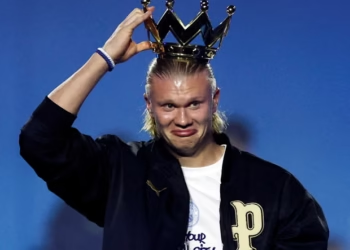 Man City Threaten Legal Action Over Haaland Real Madrid Shirt
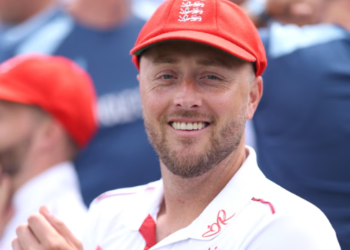 Is Ollie Robinson the Chaos English Cricket Needs Today?
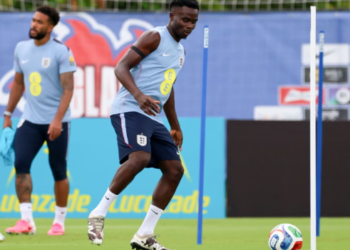 Saka Playing Through Pain As England World Cup Campaign Looms
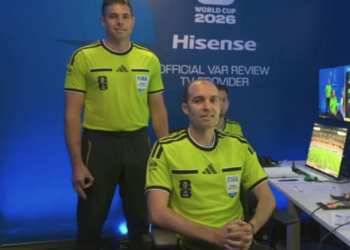 Fifa Official Under Investigation Over Hand Gesture Controversy
 Williams Sisters Reunite for Wimbledon Icon Return
 Canada Secure Historic Last 16 Spot with Late Goal
 Martinelli Strikes Late as Brazil Edge Past Brave Japan
 France Dominate Sweden as Deschamps’ New Era Takes Shape
 US Advance Past Bosnia in World Cup Thriller
 Taylor Swift and Travis Kelce Marry at Madison Square Garden
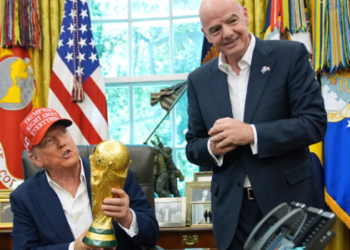 Trump’s Red-Card Intervention Hurts the US World Cup
 Trump Intervenes in Fifa World Cup Balogun Ban
 NCAA Rules Unchanged After Supreme Court Transgender Ruling
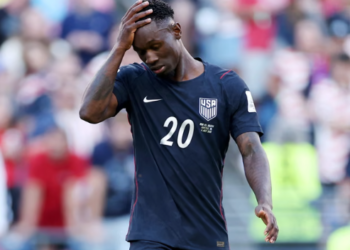 USA World Cup Heartbreak: Belgium Ends Their Dream
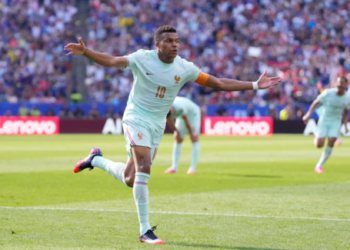 Mbappé Brilliance Leads France Into Semi-Finals
 Spain’s Superstar Fan: Keyne Yamal Steals the Spotlight