Published: 06 July 2026. The English Chronicle Desk. The English Chronicle Online.
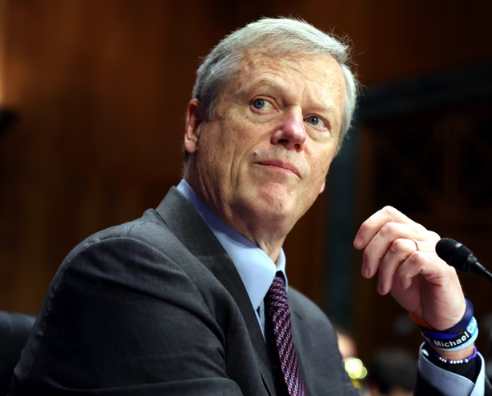
The landscape of collegiate athletics remains firmly settled regarding recent debates on gender inclusivity. Charlie Baker, the president of the National Collegiate Athletic Association, recently addressed the national conversation on Sunday morning. He stated clearly that his governing body does not anticipate any immediate adjustments to their existing transgender participation rules. This firm stance follows a significant and controversial decision issued by the United States Supreme Court regarding state-level sports bans. Baker spoke extensively during a television interview on CBS News regarding the complex intersection of sports and law. He explained that the NCAA remains satisfied with the regulatory framework that currently governs all member institutions across America.
The organization had previously taken decisive action in late January 2025 to restrict participation in women’s sports categories. That policy effectively closed those specific programs to any athletes who were assigned male at birth or utilized testosterone therapy. Baker described the current men’s sports divisions as an open network where these specific restrictions do not apply at all. The NCAA leadership implemented these rigorous standards in direct response to an executive order signed by President Donald Trump. Baker noted that his organization required essential clarity to establish a consistent national standard for all member schools involved. As a former Republican governor of Massachusetts, he emphasized the importance of following federal guidance to ensure operational consistency nationwide.
The recent Supreme Court ruling has sent ripples through the athletic community regarding the future of fair competition standards. The court decided on June 30 to uphold controversial laws in West Virginia and Idaho that exclude transgender participants. These state laws specifically prevent transgender girls and women from competing in various levels of female sports across their regions. Many observers believe this legal victory will influence how other states approach similar legislation in the coming legislative sessions. The Supreme Court majority ruled that such prohibitions do not violate the core principles of Title IX, which governs educational equality. This landmark decision effectively overturned previous judgments that had favored transgender students seeking to compete in those specific state jurisdictions.
The ruling is viewed by many political analysts as a substantial triumph for Donald Trump, who campaigned heavily on this issue. During the 2024 election, he frequently framed the debate around protecting the integrity of women’s sports from outside influences. While the NCAA governs collegiate sports, many local high schools and lower levels operate under independent organizations with their own unique rules. It remains unclear how this high court precedent might impact ongoing legal challenges currently unfolding in states like California and Connecticut. Those regions maintain different regulatory approaches to inclusivity that often stand in stark contrast to the laws upheld in more conservative states. The legal landscape continues to evolve as activists on both sides prepare for further arguments in various federal courtrooms across the nation.
During the interview, the discussion turned toward the actual scale of transgender participation within the vast collegiate athletic system in America. Baker previously informed Congress that he was aware of only ten transgender athletes out of more than five hundred thousand total participants. The intense focus on this topic has been driven by vocal activists who believe these policies are essential for preserving competitive fairness. Riley Gaines, a former collegiate swimmer, became a prominent figure in this movement after competing against Lia Thomas during the 2022 championships. Her public advocacy helped bring the nuances of sports regulations into the center of the broader American culture wars. Many conservative circles maintain that the inclusion of transgender athletes fundamentally alters the nature of women’s sports in a negative way.
The interviewer pressed Baker on where this specific issue ranks among the many critical challenges currently facing the massive NCAA enterprise today. Baker acknowledged that while the total number of athletes affected might be small, the emotional significance for those involved remains incredibly high. He explained that he has spoken with stakeholders on both sides of the debate to understand their passionate perspectives on the matter. The NCAA president expressed confidence that the current policy strikes a balance that satisfies the needs of his diverse member institutions. He explicitly stated that he does not have any personal problems with the way the current administrative policy operates today. Furthermore, he noted that most member universities do not seem to be pushing for any significant changes to the existing rules at this time.
The organization continues to navigate the difficult waters of balancing inclusivity with the demands of competitive sports integrity in a polarized society. Baker believes that the current guidelines provide the necessary stability for universities to manage their programs without constant fear of litigation or confusion. This approach allows the NCAA to focus on broader issues like student athlete welfare, academic standards, and the financial health of the collegiate model. As states continue to pass their own individual regulations, the disparity between regional rules and national policy may present future administrative hurdles. However, for the present moment, the leadership in Indianapolis remains committed to the course they charted following the presidential directive last year. The athletic community will likely continue to debate these standards as more legal precedents emerge from various district courts.
For now, the collegiate sports world moves forward with a clear understanding of the expectations placed upon players and programs regarding gender eligibility. The NCAA maintains its commitment to a binary structure for its most competitive women’s divisions while keeping other paths open for general participation. This strategy reflects a desire to minimize further conflict while adhering to the legal interpretations provided by the highest court in the country. The president of the association appears comfortable with this position despite the ongoing national discourse surrounding the rights of transgender individuals in public life. The focus for the upcoming academic year will remain on the field of play, with these administrative regulations serving as the foundation for all championship events. Whether this stability persists through future election cycles remains a question for political observers and sports administrators to watch closely in the coming months. The finality of the Supreme Court decision provides a temporary resolution that allows the NCAA to shift its focus toward the operational management of the largest athletic system in the world. Coaches, athletic directors, and student athletes can expect these rules to remain the standard for the foreseeable future as they prepare for upcoming seasonal competitions.
Related News:
 ‘A long time coming’: US table tennis finds its moment
 Can Congress Stop US Sports Teams From Moving Cities?
 Miami Upgrades Shake Up F1 Title Fight
 Trump Intervenes in Fifa World Cup Balogun Ban
 UK and Ireland Announce Venues for Euro 2028 Tournament
 Saka Solidifies Role as Tuchel’s Key England Lieutenant
 Tiny Curacao Makes History as Smallest Nation to Reach World Cup
 Two National Guard Soldiers Critically Injured Near White House
 US National Guard Member Killed in DC Shooting
 Australia Face Big Changes as Cummins and Lyon Ruled Out of Ashes
 American Mother Extradited From UK to U.S. on Murder Charges
 ECB powerless to halt England’s recurring Ashes failures
 Aston Villa Remain Arsenal’s Key Obstacle in Title Pursuit
 Federal Immigration Shift: Officers Leave Louisiana for Minneapolis
 Xabi Alonso leaves Real Madrid, Arbeloa Takes Over
 Trump press secretary attacks reporter over ICE question
 Trump Fed bid heads to Supreme Court
 Chelsea warn fans of danger in Naples after hospital incidents
 Liverpool Chase Champions Glory With Stunning Qarabag Victory
 Partial US Government Shutdown Hits Homeland Security Funding
 Sinema payment row deepens after $9,000 transfer claim
 Ben Stokes injury joke after brutal ball strike
 Wrestler at 60: A Powerful New Start in the Ring
 Nurses’ families fear breakup under UK immigration crackdown
 Arsenal blow lead as Arteta rues Wolves draw
 BBC World Cup Presenting Duties Shared Among Trio
 California Democrats Vow Trump Reckoning
 Craig Tiley Leaves Australian Open Legacy
 Trump’s Surgeon General Pick Evades Vaccine Questions
 English Cricket Faces Moral Crisis Over Indian Investment
 Hudson-Odoi Sends Nottingham Forest Into Europa Last 16
 New Poll Reveals Reform UK Stance on British Citizenship
 Adelaide University Faces Backlash Over Event Cancellation
 World Cup Drinks Breaks Could Bring ITV Ad Debate
 Spurs Coach Defends Early Kinsky Substitution at Atlético
 Champions League Failure Sparking Premier League Crisis
 Utah Woman Found Guilty of Poisoning Husband for Inheritance
 African World Cup Fans Face $15,000 Entry Bond Fee
 Teenage Titan: Sooryavanshi Smashes IPL Records
 Sam Konstas Dropped as Australia Unveils New Contract List
 The Wildest Plastico: Leverkusen and Wolfsburg Thriller
 Trump Signals Hope for New Iran Talks as Ceasefire Fades
 Robots Outpace Humans in Beijing Half-Marathon
 Louisiana Tragedy: Eight Children Die in Mass Shooting
 UK Stands Firm on Falklands Amid US Rift
 Investigation Into Anti-Trump Motives After Gala Shooting
 Trump Defiant After Washington Hotel Shooting
 Scott Parker Leaves Burnley After Premier League Drop
 Trump orders US troop pullout from Germany
 Arteta urges Arsenal to step up in Atlético semi-final
 RFU Backs Borthwick Despite England’s Poor Six Nations
 Infantino Defends Soaring World Cup 2026 Ticket Costs
 Fear and Betrayal: The Chilling Case of Kouri Richins
 England Call Up Janse van Rensburg for Nations Campaign
 Guardiola to Exit Man City; Maresca Lineup Nears
 Alice Capsey Sparks England Win With Brilliant Fifty
 The Battle for Wembley Sparking Unprecedented Legal Warfare
 Kevin Warsh sworn in as Fed chair amid economic backlash
 Ben Proud Defends Enhanced Games Participation
 Trump’s Grip on the GOP Tested in Texas Senate Battle
 Man City Threaten Legal Action Over Haaland Real Madrid Shirt
 Is Ollie Robinson the Chaos English Cricket Needs Today?
 Captain in the Spotlight: The Future of England Cricket
 Fifa Official Under Investigation Over Hand Gesture Controversy
 Williams Sisters Reunite for Wimbledon Icon Return
 Trump Urged to Condemn UFC Fighter Over Obama Slurs
 US Military Pacific Boat Strike Kills Three People
 Is JD Vance the Ultimate Fall Guy for Trump’s Shaky Iran Deal?
 Canada Secure Historic Last 16 Spot with Late Goal
 US Advance Past Bosnia in World Cup Thriller
 AOC Backs El-Sayed in Tight Michigan Senate Primary
 Trump’s Mount Rushmore Speech: A Divisive Anniversary
 England Triumph in Azteca World Cup Thriller
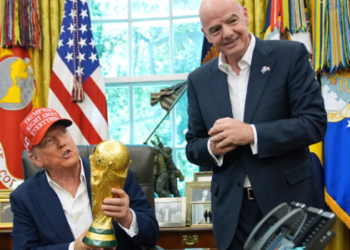 Trump’s Red-Card Intervention Hurts the US World Cup
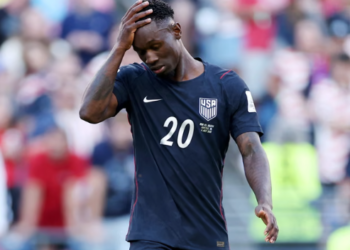 USA World Cup Heartbreak: Belgium Ends Their Dream
 US Airman Avoids British Court in Indecent Exposure Case
 Mbappé Brilliance Leads France Into Semi-Finals
 Spain’s Superstar Fan: Keyne Yamal Steals the Spotlight
 Florida Executes One of Its Oldest Death Row Prisoners
 Houthis Strike Saudi Arabia as Middle East Tensions Rise