Published: 26 May 2026. The English Chronicle Desk. The English Chronicle Online.
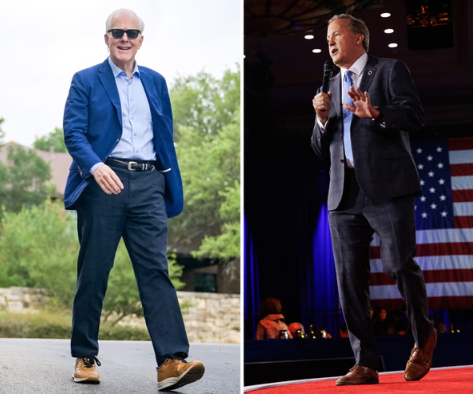
A fierce political battle is reaching its dramatic climax today in the heart of Texas. The state attorney general Ken Paxton faces a high-stakes showdown against incumbent Senator John Cornyn. This primary runoff election represents the most bitter intra-party contest of the current political year. The fierce campaign highlights a deep division over the identity of the Republican party itself. The winner will secure the Republican nomination for the United States Senate this November. They will then advance to face the Democratic nominee, state representative James Talarico. Talarico won his primary comfortably and is running an energetic, well-funded general election campaign.
The prolonged contest between Paxton and Cornyn has focused on securing a singular prize. Both candidates have spent months aggressively pursuing the official endorsement of Donald Trump. Last week, the former president definitively broke his silence to endorse the attorney general. Trump publicly praised the controversial state official, calling him a true Maga warrior. This vital endorsement quickly transformed the momentum of the entire primary runoff race.
In the conservative stronghold of McKinney, grassroots support for Paxton remains remarkably resilient. Local voters walking through the historic downtown area express clear appreciation for his policies. The picturesque town square features historic brick architecture, charming antique stores and modern bistros. It provides a peaceful backdrop to an otherwise exceptionally aggressive statewide political battle. One local resident, Jim Tubbesing, summarised the feelings of many local conservative voters perfectly. He stated that he chooses to vote strictly based on conservative legislative policy. He explained that personal allegations do not influence his final decision at the ballot box. Tubbesing explicitly dismissed the veteran incumbent Cornyn as a Republican in name only. This harsh label reflects the deepening ideological divide amongst everyday voters across the state.
This election is not fundamentally a debate regarding specific conservative legislative policies. Both candidates would likely vote identically on almost all major federal bills. Instead, the race is a clash over political style, tone and absolute loyalty. The ultimate outcome carries major national implications for control of the US Senate. It will also signal the future ideological direction of the modern Republican party.
Cornyn represents the traditional wing of the Texas establishment after four terms in Washington. He previously served as a state supreme court justice and state attorney general. The veteran lawmaker represents an older era of pragmatic, business-focused Texas Republican leadership. He narrowly led the initial primary voting back on the third of March. However, he failed to cross the critical fifty per cent threshold required to win outright. This failure forced a head-to-head runoff against Paxton, a hardline right-wing populist. Paxton has built a loyal following through aggressive stances on immigration and culture issues. His combative style appeals directly to the most passionate elements of the party base.
Political analysts view Cornyn as the final representative of the traditional Texas Republican establishment. His political lineage connects directly to the moderate conservatism of the Bush presidential era. A victory for Paxton would validate Trump’s continued dominance over the statewide party apparatus. Yet, political strategists warn that Paxton carries significant political liabilities into the general election. His legal controversies could potentially endanger a normally safe Republican seat against the Democrats.
The Democratic nominee James Talarico has generated a substantial groundswell of grassroots popularity. The charismatic state legislator hopes to become the first Texas Democrat elected statewide since 1994. Democratic strategists view this specific race as one of the most competitive nationwide. They believe a flawed Republican nominee gives the opposition a genuine chance at victory. A Democratic victory in Texas would fundamentally alter the national electoral map for decades.
For generations, the Texas Republican party followed a predictable, pro-business economic model. Leaders focused heavily on free trade, corporate growth and maintaining a predictable regulatory environment. Cornyn achieved national prominence by helping the party raise hundreds of millions of dollars. He also earned a reputation for working occasionally with Democrats on bipartisan legislation. Political scientists describe Cornyn as a serious, problem-oriented lawmaker who values institutional governance.
However, this willingness to negotiate is precisely what made him a primary target. In 2022, Cornyn helped draft a bipartisan gun safety bill after the Uvalde tragedy. The modern populist movement viewed this legislative compromise as an unacceptable act of betrayal. Conservative consultants note that Cornyn knew the vote would cause future political problems. He simply believed he was securing the best possible protection for gun owners.
Nevertheless, the veteran senator has never faced a primary opponent quite like Paxton. Long before the modern populist movement captured the national party, Paxton pioneered this style. He utilized anti-establishment rhetoric and grievance-based politics to build his early career. Academic observers point out that Paxton adopted these populist tactics before they became mainstream. He operated in the vanguard of the early Tea Party movement a decade ago. Even during his early career in the state legislature, he challenged party leaders. He consistently prioritized gaining ideological influence over maintaining a conventional political reputation.
Since his election as attorney general in 2014, Paxton has driven national conservative policy. He initiated high-profile legal challenges against abortion access and healthcare for transgender youth. He also led a lawsuit attempting to challenge the 2020 presidential election results. That specific legal effort was ultimately rejected by the US Supreme Court.
Despite his popularity with the base, Paxton carries unprecedented personal and legal baggage. He was impeached by the Texas House in 2023 following serious corruption allegations. Whistleblowers within his own office reported his actions directly to federal law enforcement. He was eventually acquitted after a dramatic trial in the state Senate chamber. His wife serves as a state senator but was barred from voting. Paxton also faced long-standing felony securities fraud charges carrying potential prison time. That legal matter was resolved through a pre-trial diversion agreement in late 2024. Furthermore, his wife Angela recently filed for divorce, citing biblical grounds of adultery.
Many loyal voters in his hometown choose to ignore these severe ethical controversies. At the historic Palace Barber Shop, patrons discuss politics beneath portraits of past presidents. The shop walls feature images of Teddy Roosevelt, Ronald Reagan and Donald Trump. Local barber Beau Bonner stated he still intends to vote for the attorney general. He criticized Cornyn’s past legislative compromises on federal gun control bills. Bonner insisted that immigration and second amendment protections are the most critical issues. He acknowledged that voters are fully aware of Paxton’s various personal scandals.
Republican leaders originally urged Trump to remain neutral in this volatile primary race. Cornyn tried to win Trump’s favor by proposing to name highways after him. These efforts ultimately failed to alter the former president’s final political endorsement. Analysts suggest Trump’s own legal challenges make him sympathetic to embattled allies. Roughly half of the primary electorate appears entirely willing to overlook Paxton’s baggage. They care primarily about his aggressive use of power to advance conservative policies.
However, independent voters and suburban women may view these scandals much less favorably. Neutral observers suggest Paxton enters the general election as a significantly weaker candidate. His history of ethical issues provides an easy target for future Democratic attack advertisements. Some local Republicans refuse to support the attorney general due to these controversies. Congressman Nathaniel Moran broke traditional protocol to endorse Cornyn over the controversial challenger. He expressed frustration with political corruption, arguing that voters deserve ethical public servants.
As policy differences remain minimal, the runoff campaign has turned remarkably dark. Paxton has focused heavily on cultural grievances to animate his core voters. He recently launched legal challenges against a major real estate project called Epic City. He claimed the Muslim-led development poses a threat to local American values. Cornyn responded by introducing federal legislation targeting foreign visitors who support religious courts. Analysts express surprise at the sudden return of decades-old anti-Islamic political rhetoric.
Democratic candidates view these cultural battles as a deliberate distraction from real issues. They argue that conservative politicians are scapegoating minority communities to win elections. Meanwhile, everyday Texas voters are facing a severe and prolonged economic affordability crisis. High gasoline prices and inflation are causing significant financial pain for working families. The large Latino voting electorate remains highly concerned about these immediate economic issues. Hispanic conservative leaders warn that the party must improve its outreach to working communities. They fear a lack of positive economic messaging could cause long-term electoral damage.
For years, national commentators have falsely predicted that demographic changes would flip Texas. The traditional Republican majority has repeatedly held firm during previous major election cycles. Yet, independent polling suggests the upcoming November election could challenge that historical trend. Recent surveys showed the Democratic nominee Talarico leading both potential Republican opponents. The Presbyterian seminarian presents a unique contrast to the current Republican ethical controversies.
National Republicans are quietly concerned about defending a vital seat in America’s second-largest state. A competitive race here will force the party to spend millions of dollars. Those financial resources would otherwise go toward defending vulnerable seats in traditional battleground states. The ultimate choice made by Texas primary voters today will resonate far beyond state borders.
Related News:
 Two National Guard Soldiers Critically Injured Near White House
 US National Guard Member Killed in DC Shooting
 American Mother Extradited From UK to U.S. on Murder Charges
 US Cities Erupt in Protests Against Trump’s Venezuela Military Action
 Federal Immigration Shift: Officers Leave Louisiana for Minneapolis
 Trump Says US Must ‘Own’ Greenland to Block Russia, China
 Government Unveils Northern Powerhouse Rail Plans
 Trump press secretary attacks reporter over ICE question
 Kyrsten Sinema Faces High-Profile Lawsuit Over Marriage Interference
 ICE detainee death may be investigated as homicide in Texas camp
 ‘He Believed Help Was Coming’: Why Iran’s Protesters Feel Betrayed
 Trump Fed bid heads to Supreme Court
 Trump officials continue false claims after Alex Pretti shooting
 Partial US Government Shutdown Hits Homeland Security Funding
 Thousands Protest ICE Operations in Nationwide US Day of Action
 Epstein Files Reveal Trump Officials’ Emails with Financier
 Thousands Protest ICE in New York Against Trump Deportation Campaign
 Sinema payment row deepens after $9,000 transfer claim
 US-Cuba Negotiations Shift as Oil Blockade Looms
 Portland Mayor Demands ICE Leave After Protest Violence
 Nurses’ families fear breakup under UK immigration crackdown
 California Democrats Vow Trump Reckoning
 Missing North Carolina Woman Found Alive After 24 Years
 Trump’s Surgeon General Pick Evades Vaccine Questions
 Buffalo Refugee Tragedy: Border Patrol Neglect Leads to Death
 Minnesota Medicaid Funding Blocked Amid New ‘Fraud’ Crackdown
 Clinton Testimony Erupts in Fiery Exchange
 New Poll Reveals Reform UK Stance on British Citizenship
 Adelaide University Faces Backlash Over Event Cancellation
 Trump Rebukes Starmer Over Iran Strike Support
 Ukraine war briefing: Zelenskyy offers help to Saudi Crown prince on combatting Iranian drones
 Utah Woman Found Guilty of Poisoning Husband for Inheritance
 Can King Charles Calm Trump on Key US Visit?
 US Airman Rescued in Daring Mission After F-15 Shot Down in Iran
 Congresswoman Condemns Trump Over Iran Conflict
 Melania Trump Epstein remarks spark survivor backlash
 Trump Signals Hope for New Iran Talks as Ceasefire Fades
 Trump’s Presidency: A House of Cards Collapsing?
 Brennan Investigation Faces Major Prosecutor Shift
 US Catholics Caught Between President and the Pope
 Louisiana Tragedy: Eight Children Die in Mass Shooting
 GOP Senator Criticizes Trump’s Feud With Pope Leo XIV
 Trump Starts $166bn Tariff Refund Process
 UK Stands Firm on Falklands Amid US Rift
 Investigation Into Anti-Trump Motives After Gala Shooting
 Trump Defiant After Washington Hotel Shooting
 Identity Revealed: Suspected Washington Gunman Named
 Trump orders US troop pullout from Germany
 Judge halts deportation of Yemeni refugees in US
 White House Security Case Sparks Political Firestorm
 Trump approval plunges amid Iran war fears
 Ohio’s Battle for Trust: Democrats Vying to Flip the Buckeye State
 US ‘Narco Boat’ Strikes Draw Global Outcry
 Afghan Families Left in Limbo Face Risk of Deportation
 Florida Surgeon ‘Devastated’ Over Fatal Surgery Error
 Tensions Emerge in Netanyahu-Trump Alliance
 US Awaits Iran Reply on New Ceasefire Proposal
 Immigration Judges Fear Pressure in Trump Era
 Fear and Betrayal: The Chilling Case of Kouri Richins
 Kevin Warsh sworn in as Fed chair amid economic backlash
 US green card applicants must apply from abroad, DHS says
 Tulsi Gabbard exits after turbulent intelligence tenure
 Hormuz Talks Near Critical Stage
 DeSantis’s ‘Alligator Alcatraz’ Faces Final Shutdown
 Prosecutor Proposes Law to Combat Election Deceit
 House Curbs Trump’s War Powers in Rare Rebellion
 UFC at the White House: Glory Marred by Bitter Smears
 Trump Urged to Condemn UFC Fighter Over Obama Slurs
 US Military Pacific Boat Strike Kills Three People
 US Loan Caps Threaten Future of Physician Assistants
 US Courts Back Trump on Park Signage Removals
 Trump’s Mount Rushmore Speech: A Divisive Anniversary
 Trump Intervenes in Fifa World Cup Balogun Ban
 NCAA Rules Unchanged After Supreme Court Transgender Ruling
 Conservative Groups Challenge ABC Broadcast Licenses
 US Airman Avoids British Court in Indecent Exposure Case
 Court Rejects Florida Campus Speech Restrictions
 Trump Refuses to Sign Housing Bill, But Law Takes Effect
 Florida Executes One of Its Oldest Death Row Prisoners
 Houthis Strike Saudi Arabia as Middle East Tensions Rise