Published: 27 August 2026. The English Chronicle Desk. The English Chronicle Online
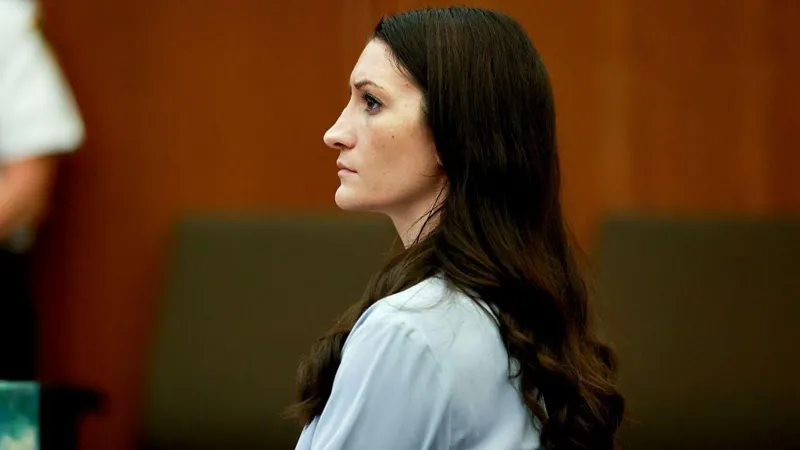
The closely watched trial of Massachusetts mother Lindsay Clancy is approaching its final stage, with closing arguments expected to begin as jurors prepare to decide whether she is legally responsible for the deaths of her three young children.
Clancy, 36, is charged with three counts of first-degree murder over the January 2023 deaths of her children, Cora, five, Dawson, three, and Callan, who was eight months old. The killings took place at the family’s home in Duxbury, Massachusetts, south of Boston.
The case has attracted widespread attention because there is little dispute over whether Clancy was responsible for the deaths. Her defence has instead centred on whether severe mental illness, including alleged postpartum psychosis, meant she should not be held criminally responsible.
If convicted, Clancy faces life imprisonment without the possibility of parole.
The five-week trial has presented jurors with sharply contrasting accounts of Clancy’s mental state in the period surrounding the killings. Prosecutors have portrayed her actions as deliberate, while defence lawyers have argued that she was experiencing hallucinations, delusions and a profound psychiatric crisis following the birth of her youngest child.

At the centre of the prosecution’s case is the argument that Clancy intentionally killed her children. Prosecutors allege that on 24 January 2023 she strangled the three children using fitness bands before jumping from a second-floor window. The fall left her paralysed and she has attended court in a wheelchair.
The defence has not denied Clancy’s role in the deaths. Instead, her lawyers have sought to demonstrate that she was experiencing a severe mental disorder that deprived her of the ability to understand or control her actions.
Her lawyers have pointed to the deterioration in her mental health following Callan’s birth and to the treatment she received before the killings. Clancy had sought medical assistance, taken numerous medications and contacted a suicide hotline. She also spent time in psychiatric care only days before the deaths.
The question for jurors is therefore not simply what happened inside the family home, but what was happening inside Clancy’s mind at the time.
One of the most emotional moments of the trial came when Clancy’s former husband, Patrick Clancy, testified about the family’s final weeks together and the discovery of his children.
Patrick described what he called his former wife’s “big spiral” during the month before the killings. He told jurors that she lost significant weight, became increasingly depressed and struggled psychologically.
He also recalled her seeking help from doctors and taking different medications. According to his testimony, Clancy had expressed thoughts of suicide.
Patrick described leaving the family home to obtain food and medication. His last memory of Dawson was seeing the three-year-old sitting on the couch eating chicken nuggets.
When he returned, he discovered his children had died.
The courtroom heard a recording of his emergency call to 911. Clancy reportedly sobbed as the recording was played, with Patrick’s distress audible as he told the emergency operator that she had killed the children.
Patrick’s testimony has also become significant because conspiracy theories about his involvement circulated online during the trial. Investigators, however, never treated him as a suspect, and there is no indication from the evidence presented that he was accused of participating in the killings.
The prosecution and defence have also clashed over the medical evidence.
More than 10 experts have testified during the trial, offering competing interpretations of Clancy’s psychological condition and the treatment she received.
The defence has sought to establish that Clancy suffered from postpartum psychosis, a rare and potentially severe psychiatric condition that can involve hallucinations, delusions, mania or extreme depression after childbirth.
One particularly tense exchange involved psychiatrist Jennifer Tufts, who had treated Clancy before the killings and later testified for the prosecution.
Tufts told jurors that she did not observe serious signs of psychosis during her sessions with Clancy. She said she had seen Clancy more than a dozen times over approximately five months and did not believe there had been clear indications that Clancy posed an immediate danger to herself or others.
Defence lawyers challenged that assessment by referring to Tufts’ medical notes, including language concerning whether Clancy displayed “pressured speech”, a symptom that can be associated with mania.
The disagreement highlighted one of the central difficulties for the jury: medical records can contain observations whose meaning depends heavily on context.
The defence also questioned psychiatrist Avram Mack about the terminology surrounding postpartum psychosis. Mack indicated that the American Psychiatric Association treats postpartum psychosis as a proposed illness rather than a formally established standalone diagnosis.
The exchange became heated as defence attorney Kevin Reddington pressed Mack over the terminology and its significance.
Family testimony has provided another important window into Clancy’s condition.
Her former mother-in-law, Susan Clancy, described her as a loving and nurturing mother before the birth of her youngest child. She testified that Clancy had begun experiencing insomnia, loss of appetite, anxiety and profound sadness.
Susan said Clancy had been “begging for help” as her condition deteriorated.
Clancy’s mother, Paula Musgrove, gave similarly concerning evidence. She told jurors that her daughter had spoken about thoughts of harming her children approximately one month before their deaths.
Musgrove also described Clancy becoming increasingly paranoid and saying that she believed her medication was “destroying her mind”.
Clancy’s sister, Allison Ozga, testified that Clancy experienced suicidal thoughts every day during the month before the killings.
Taken together, the family evidence has given the defence an opportunity to argue that warning signs were visible before the tragedy and that Clancy was experiencing a rapidly worsening psychiatric crisis.
The prosecution, however, has sought to place those symptoms alongside evidence it says demonstrates planning and intentional behaviour.
That distinction will be crucial during closing arguments. Prosecutors must persuade jurors that Clancy possessed the necessary criminal responsibility when the killings occurred, while the defence must convince them that her mental state met the legal standard for an insanity defence.
The trial has also generated controversy over testimony concerning Clancy’s Catholic faith.
Two days before closing arguments, defence lawyers requested a mistrial after prosecutors questioned witnesses about the religious belief that murder is a “mortal sin”.
The judge rejected the request but instructed jurors to disregard the testimony.
Forensic psychologist Kirk Heilbrun had testified about an interview with Clancy following the killings and said he had asked her about whether suicide was considered a mortal sin in the context of her Catholic upbringing.
Judge William Sullivan described the subject as an inappropriate area of testimony and explicitly told jurors that it should not influence their decision.
The ruling underscored the importance of keeping the jury focused on the evidence relevant to the legal questions before them.
Outside the courtroom, the case has generated strong emotions. Supporters of Clancy have gathered wearing pink shirts carrying messages such as “She Needed Help” and “Peace For Lindsay”. The public response reflects the extent to which the case has become part of a wider conversation about maternal mental health and the risks associated with severe psychiatric illness after childbirth.
The trial has also placed postpartum psychosis under an intense public spotlight. Mental-health specialists have long emphasised that severe psychiatric symptoms after childbirth can require urgent intervention, although the condition is uncommon.
For the jury, however, sympathy and broader questions about mental healthcare cannot replace the legal test they must apply.

Closing arguments will give prosecutors and defence lawyers their final opportunity to interpret five weeks of testimony. Prosecutors are expected to argue that Clancy deliberately killed her children and should therefore be held accountable under Massachusetts law.
The defence is expected to return to the evidence of Clancy’s deteriorating mental health, her reports of disturbing thoughts, her treatment history and the expert testimony concerning psychosis.
The decision will ultimately rest with the jury.
Whatever the verdict, the trial has already raised difficult questions about criminal responsibility, postpartum mental illness, the adequacy of psychiatric intervention and the devastating consequences that can occur when a severe mental-health crisis intersects with a family already under extraordinary strain.
For the families involved, however, the legal arguments remain secondary to the irreversible loss of three children. As the trial reaches its final stage, the jury must now weigh the competing accounts and determine whether Lindsay Clancy should be held legally responsible for their deaths.
Related News:
 Barrister Criticises Trial After Suicide Case Verdict
 Ebola outbreak in DRC overwhelms health system as cases surge
 Tasers Introduced in UK Prisons to Combat Rising Violence and Protect Staff
 Northern Ireland Family of Three Shot Dead in Maguiresbridge Home Incident
 Tragedy in the Skies: Inquest Reveals Devastating Cause of Death in Southend Plane Crash
 Targeted Attack in Bury Sparks Murder Investigation as Community Awaits Justice
 Man Remanded After Children Fall Ill at Leicestershire Summer Camp in Shocking Child Cruelty Case
 Hunt Intensifies for Southport Riot Suspects as Police Release Full List of 40 Still at Large
 AI Revolutionises Grooming Gang Investigations as Police Target Cold Cases Across England and Wales
 A Fugitive’s Double Life Uncovered: My Interview with Nicholas Rossi, Scotland’s Notorious Escapee Facing Utah Rape Trial
 Appalling Rise in Pharmacy Crimes: Staff Face Increasing Theft and Aggression
 Alarming rise in abusive teen relationships in the UK sparks urgent warnings
 Police Advised to Disclose Ethnicity of Suspects in High-Profile Cases
 Failed New Mexico Candidate Sentenced to 80 Years for Drive-By Shootings at Lawmakers’ Homes
 Inquest Finds Agency Worker Failings Led to Unlawful Death of Vulnerable 14-Year-Old
 Merseyside Police Helicopter Crew Cleared After Low-Altitude Pursuit of Suspect
 US Podcaster Helps Land “Queen of the Con” Behind Bars in Northern Ireland
 UK Launches Major Crackdown on Networks Profiting from Online Child Sexual Abuse
 Systemic Racism in Maternity Care Continues to Endanger Black Women in England, MPs Warn
 UK Doctors Guilty of Sexual Misconduct Continue Practising Amid Weak Sanctions, Research Finds
 Jailed Georgian Opposition Leaders Warn UK of Iranian Links to Ruling Party
 No Evidence Found to Substantiate Alleged Rape in Oxfordshire Churchyard, Police Confirm
 Majority of UK Men Would Opt for Prostate Cancer Screening, Survey Finds
 Ambulance Worker Fired After Flinging Amputee from Wheelchair and Offering Bribe
 Madeleine McCann Detectives to Testify Against Woman Accused of Stalking the Family
 Boris Johnson Breached Rules on Post-Office Business Contacts
 Thousands in the UK sue Johnson & Johnson over alleged talcum powder, linked to cancer
 Badenoch Warns Farage’s Grooming Gangs Plan Could Backfire
 Migrant Sex Offender Deported After Erroneous Prison Release
 Five More Prisoners Freed by Mistake in Essex Week
 Nearly 48,000 Zombie Knives Removed from UK Streets in a Year
 Afghan man charged with murder after west London knife attack
 Police Probe Four Knife Incidents Linked to Cambridgeshire Train Attack
 Experts Warn on Home Birth Risks, Call for Skilled Midwives
 French Taxi Driver Cleared in David Lammy Theft Case After Fare Dispute
 Just Stop Oil Protesters Convicted Amid Climate Defence Row
 Prison sentencing reforms expected to raise crime by up to 6%, police warn
 Met Police Culture Makes Racial Harm ‘Inevitable’
 British Grandmother to Return Home After Death Sentence in Bali
 Remaining rebel Labour MPs have whip restored
 Seven Conditions That Automatically Qualify You for a Free Bus Pass
 Leading doctors issue warning amid ‘bad’ flu season
 South Korea’s Jeju Island Faces Rising Tide of Illicit Drugs
 Victims’ commissioner Baroness Newlove dies aged 63
 Oklahoma Governor Grants Last-Minute Clemency to Death Row Inmate
 Rio Raid’s Death Toll Raises Questions About Gang Impact
 Delhi Car Bomb Arrest: Suspect Linked to Deadly Attack
 Paralegal Fired After Exposé on Illegal Worker Scam
 Charlotte Raids: 130 Arrested in Major Immigration Sweep
 South African Detained After Neo-Nazi Rally in Australia
 Convicted Killer Challenges Vegemite Ban Behind Bars
 Newport Man Left Injured After Electric Bike Collision
 Serial Rapist and Former Cop Found Guilty Again
 Man Charged Over Attempted Murder of Senior Officer
 Two Officers Injured After Van Deliberately Rams Patrol Car
 Man Denies Stealing Bronze Age Gold from Museum
 Trump Signs Bill Releasing Justice Department Files on Epstein
 Runaway Driver Caught by DNA Evidence
 Man Swallows $19K Fabergé Egg Pendant in Theft
 Woman Jailed for Life After Killing E-Bike Rider in Tragic Mistaken Identity Case
 The ‘Untouchable Hacker God’ and Finland’s Darkest Digital Crime
 Police Doubt Fugitive Dezi Freeman Survived Bushland
 Man shot dead by police after violent NSW home invasion
 Tammy Shipley’s Tragic Death in Custody Sparks Inquest Questions
 Prevent Failings Exposed After Southport Attack
 Ben Roberts-Smith Denies War Crime Allegations in First Statement
 Learner Driver Charged After Expo Tragedy
 OpenAI CEO Apologizes After Canada Shooting Case
 NHS Safety Fears as Nurses Cover Doctor Gaps
 Rebel Wilson Rejects Phone Dump Claim
 Cartel crackdown raises fears of fresh violence
 Florida Surgeon ‘Devastated’ Over Fatal Surgery Error
 Gunman Killed After White House Security Shootout
 Teenage Victim Identified as Community Mourns Stabbing Death
 Arizona Toddler Found Alive in Hospital Cold Room
 New Footage Revives Peter Falconio Mystery
 Westminster Council Threatens Charing Cross Soup Kitchen
 BBC Warned About Missing Clothes of Murder Victim
 Cambridge Professor Jason Arday Found Dead at Home
 Four Bodies Found as Jeju Missing Persons Scandal Deepens