Published: 07 September 2025. The English Chronicle Desk.
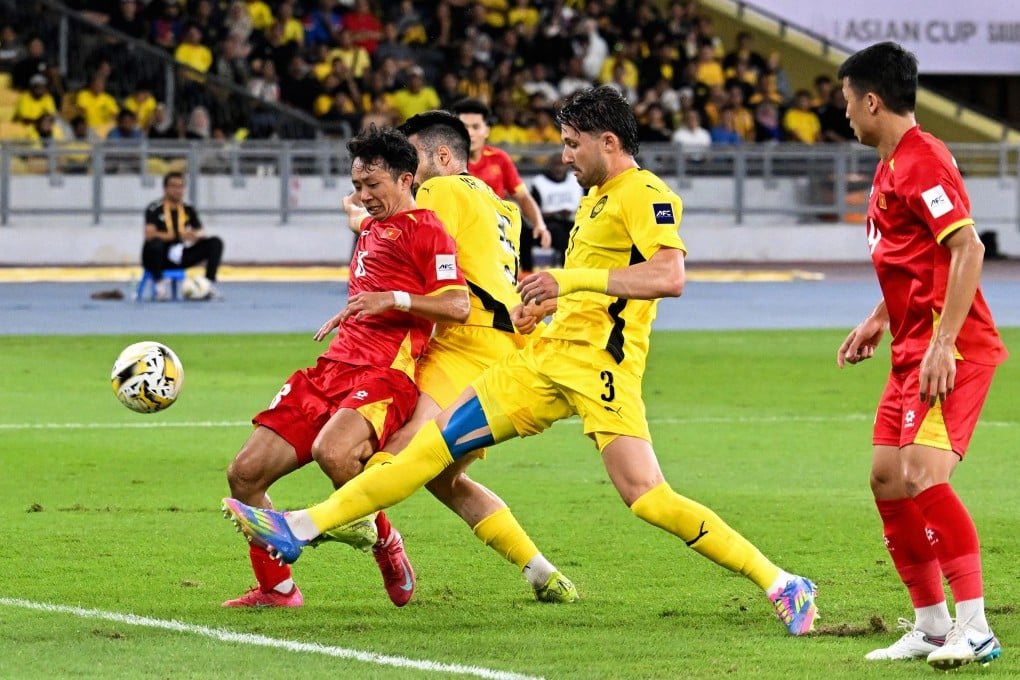
In a controversy shaking the football world, FIFA has accused the Football Association of Malaysia (FAM) of falsifying citizenship documents to secure the eligibility of seven foreign-born players for the Malaysian national team. The global football governing body described the act as a “clear form of cheating,” prompting suspensions, fines, and widespread public outrage in Malaysia.
According to FIFA’s official report released on Monday, the FAM allegedly forged birth certificates to suggest that the players’ grandparents were born in Malaysia—an attempt to meet FIFA’s “grandfather rule.” This regulation allows a player to represent a country if their biological parents or grandparents were born there, a rule designed to prevent nations from simply importing foreign talent for sporting advantage.
FIFA launched a formal investigation after Malaysia’s 4-0 victory over Vietnam in June, following complaints and questions about the players’ legitimacy. Upon verifying the documents, investigators reportedly discovered discrepancies between the papers submitted by FAM and original records obtained from foreign registries.
In September, FIFA’s disciplinary committee issued a one-year suspension for all seven players involved and imposed a fine of 2,000 Swiss francs (approximately $2,500) on each. The FAM was further ordered to pay a collective penalty of 350,000 Swiss francs (around $440,000) for what FIFA deemed a severe breach of its eligibility rules and integrity standards.

Despite the damning findings, the Football Association of Malaysia insists that the issue stems from “administrative errors” rather than intentional deceit. In an official statement, the FAM maintained that all seven players were “legitimate Malaysian citizens” and confirmed its decision to appeal FIFA’s ruling.
The players implicated in the scandal include Spanish-born Gabriel Felipe Arrocha, Facundo Tomas Garces, and Jon Irazabal Iraurgui; Argentinian-born Rodrigo Julian Holgado and Imanol Javier Machuca; Netherlands-born Hector Alejandro Hevel Serrano; and Brazilian-born Joao Vitor Brandao Figueiredo.
FIFA’s investigation, however, concluded that the birth certificates submitted by the FAM showed the players’ grandparents as being born in Malaysian cities such as Penang and Malacca, while the original records revealed birthplaces in countries like Argentina, Spain, and Brazil—matching the players’ own countries of origin.
The controversy has drawn significant attention in Malaysia, where naturalisation efforts in sports have been widely debated. In recent years, several Southeast Asian countries, including Malaysia, Thailand, and Indonesia, have launched programs to recruit foreign-born players with ancestral ties, seeking to strengthen their squads for international competitions. Indonesia, in particular, has found success with players of Dutch-Indonesian descent, inspiring others in the region to follow suit.
However, this latest revelation has cast a shadow over Malaysia’s approach. Sports Minister Hannah Yeoh described FIFA’s findings as “deeply disappointing,” acknowledging that the scandal had “tarnished the country’s image on the global stage.” Speaking at a press conference reported by Bernama, she said, “I understand that all local football fans are angry and disappointed. We must ensure that our sporting integrity is not compromised again.”
Yeoh also stated that her ministry would wait for the outcome of FAM’s appeal before issuing an official response or taking further administrative action. “This is a serious matter that affects not only the players but the reputation of Malaysian football,” she added.
The development comes as Malaysia prepares for its upcoming Asian Cup qualifier against Laos. The match is expected to feature a drastically altered line-up, with the suspended players excluded from the squad. National team coach Kim Pan-gon faces a challenging task in rebuilding confidence within the team amid growing scrutiny from fans and the media.
Analysts suggest that the scandal could have long-term implications for Malaysian football, especially in light of FIFA’s recent push for transparency and stricter enforcement of eligibility rules. Several football experts have urged the FAM to review its player verification procedures, warning that continued administrative lapses could result in further sanctions or reputational damage.
Public reaction has been swift and unforgiving. On social media, fans have expressed outrage and disappointment, accusing football authorities of undermining the credibility of the national team. “This is not just a mistake—it’s a betrayal of our pride,” wrote one Malaysian fan on X (formerly Twitter), while others called for a complete overhaul of the FAM’s management structure.

As Malaysia awaits the appeal process, the scandal underscores the broader issue of naturalisation in international football—where the fine line between heritage and opportunism is often blurred. FIFA’s investigation serves as a reminder that while the sport continues to globalise, authenticity and transparency remain paramount to preserving the spirit of the game.
For now, Malaysia’s football fraternity stands at a crossroads: to rebuild trust, enforce integrity, and restore the nation’s sporting honour, or risk being remembered for one of Southeast Asia’s most damaging football scandals.
Related News:
 Sri Lanka Crush Bangladesh by 99 Runs to Seal ODI Series 2-1
 England’s Euro Odyssey: A Tale of Grit, Glory and the Lionesses’ Miraculous March to the Final
 Predicted Leicester Line-ups Reflect Cifuentes’ Tactical Plans Ahead of New Season
 Central London Gears Up for Lionesses’ Victory Parade as Thousands Prepare to Celebrate Historic Women’s Euros Win
 London Set to Honour Euro 2025 Champions as Lionesses Take Victory Parade Through the Capital
 Rangers Boss Russell Martin Launches Blistering Critique After Disappointing Draw with Motherwell
 Tottenham Takes On Newcastle
 Ngumoha Shines Bright as Liverpool’s Future Looks Fiercely Promising
 Golden Glory Beckons: Ballon d’Or 2025 Nominee Frenzy Ignites Global Football Stage
 It’s Thanks to Gabby That I Caught My Prostate Cancer in Time’ – Kenny Logan Opens Up on His Battle and His Mission to Save Lives
 Minute’s Silence for Diogo Jota Abruptly Ended After Wembley Tribute Disrupted
 Rugby Confronts Safety Concerns with Smart Mouthguards at Women’s World Cup
 Premier League Supercomputer Predicts Tough Season for Man Utd Amid Three-Team Title Battle
 Aston Villa Under Pressure as Newcastle Take on Hosts in Premier League Opener
 Isaac Price Shines as West Brom Clinch 3-2 Victory at Wrexham’s Championship Return
 FIFA Eyes Biennial Club World Cup from 2029, Plans Possible Expansion
 European Football: Atlético Madrid Stumble at Espanyol as Vitinha Secures PSG Win
 Leeds Mark Premier League Return with Gritty Win Over Everton
 Nottingham Forest Clarifies Position on Nuno Espirito Santo’s Future Following Opening Weekend Victory
 Manchester United Face £300m Transfer Loss as Squad Value Highlights Long-Term Mismanagement
 Grimsby Stun Manchester United in Dramatic Penalty Shootout
 Club Brugge Crush Ten-Man Rangers to Deepen Russell Martin’s Crisis
 Guardiola Admits City ‘Forgot to Play’ After Shock Defeat to Brighton
 Morgan MacRae: From 17 Minutes Dead to Returning to Rugby in Six Weeks
 Serbia Humiliated 0-5 by England in World Cup Qualifier
 India Triumph in Dubai Amid Unexpected Twists
 Fábio Carvalho’s Last-Minute Heroics Deny Chelsea Victory at Brentford
 Simeone Explains Emotional Reaction to Fan Incident After Liverpool’s Late Winner
 Dembélé and Bonmatí Shine as Ballon d’Or Winners in Glittering Paris Ceremony
 Hannah Hampton Makes History as First Winner of Women’s Yashin Trophy at Ballon d’Or Awards
Liverpool Vs outhampton Set for Carabao Cup Clash at Anfield
Hannah Hampton Makes History as First Winner of Women’s Yashin Trophy at Ballon d’Or Awards
Liverpool Vs outhampton Set for Carabao Cup Clash at Anfield
 Chelsea Survive Lincoln City Scare to Advance in Carabao Cup
 Dramatic Derby: Sorloth Strikes as Atletico and Real Madrid Share the Spoils
 Arsenal VS Newcastle Hearts with Dramatic Late Turnaround at St James’ Park
 Aston Villa Fight Back to End Winless Run with Convincing Victory over Fulham
 Everton Held by West Ham as Bowen Cancels Out Keane’s Header in Nuno’s First Game
 ICC Women’s World Cup 2025: India to Host as Pakistan Fixtures Moved to Neutral Venues
 Mbappé Hat-Trick Powers Real Madrid to 5-0 Rout Over Kairat
 Monaco Hold Man City to Dramatic 2-2 Draw as Eric Dier Converts Late Penalty
 Postecoglou Stands Firm Amid Mounting Forest Fan Frustration
 Bournemouth Stun Fulham with Dramatic Comeback in Premier League Thriller
 Arsenal Edge Past West Ham Amid Injury Concerns
 Chaos at Ibrox as Martin’s Rangers Era Comes to an End
 Arsenal Showcase Depth and Flexibility as Arteta Eyes Title Challenge
 Questions Remain as Rugby Legend Lewis Moody Faces Motor Neurone Disease Diagnosis
 Cristiano Ronaldo Becomes Football’s First Billionaire Player
 Tuchel Critiques Wembley Atmosphere After England Victory, Sparks Debate on Fan Engagement
 Kane’s Double Seals England’s World Cup Qualification
 Fulham vs Arsenal Trossard Strike Sends Gunners Three Points Clear
 Gibbs-White Inspires Forest to Thrilling Win Over Porto
 Manchester United triumph as Mbeumo brace seals thrilling win
 Fabio Wardley stuns Joseph Parker to earn Usyk title shot
 Sarr Double Sinks Young Liverpool in Carabao Cup
 Salah & Gravenberch Lead Liverpool to Win Against Villa
 Dyche Criticises Corner Decision as Forest Draw with United
 Granit Xhaka Rescue Earns Everton Draw at Sunderland
 Burn and Joelinton Head Newcastle to Victory Over Bilbao
 Tension and Turmoil at Aston Villa v Maccabi Match
 Bellingham has ‘the edge’ among England No 10s
Man City Masterclass on Guardiola’s Milestone Day Exposes Liverpool Woes
Bellingham has ‘the edge’ among England No 10s
Man City Masterclass on Guardiola’s Milestone Day Exposes Liverpool Woes
 Lando Norris Dominates Brazil GP to Strengthen F1 Title Bid
 VAR Must Rein Its Neck In to Save Football’s Spirit
 Trescothick Hints Pope Will Keep Number Three Spot
 Mary Earps’s Manchester United Return Faces Mixed Reception
 Sam Kerr Stars in Chelsea Return with Champions League Double
 This kid is something else: Alex Scott’s rise to England call-up
 Former Lion Heskey Warns of Shortage of England Strikers
 Australia Mourns Paralympic Champion Paige Greco
 Irish Hero Parrott Says Goal Brought First Tears in Years
 From heartbreak to glory: Scotland’s dramatic return to the World Cup
 Haiti Qualifies for World Cup Despite Coach Never Visiting Country
 Barcelona Returns to Camp Nou vs Athletic Bilbao
 Moyes Defends Gueye After Dramatic Everton Bust-Up
 Mbappe Scores 4 as Real Madrid Edge Olympiakos
 Man City Lose, Champions League Risk
 Jac Morgan to Miss Six Nations Start After Surgery
 Alexander Isak ends drought as Liverpool stop rot with win at West Ham
 Barcelona, Atletico set for decisive La Liga showdown
 Maxwell withdraws from IPL 2026 after 13 seasons
 Mbappe stars as Real Madrid thrash Athletic, close on Barca