Published: 17 October 2025. The English Chronicle Desk. English Chronicle Online
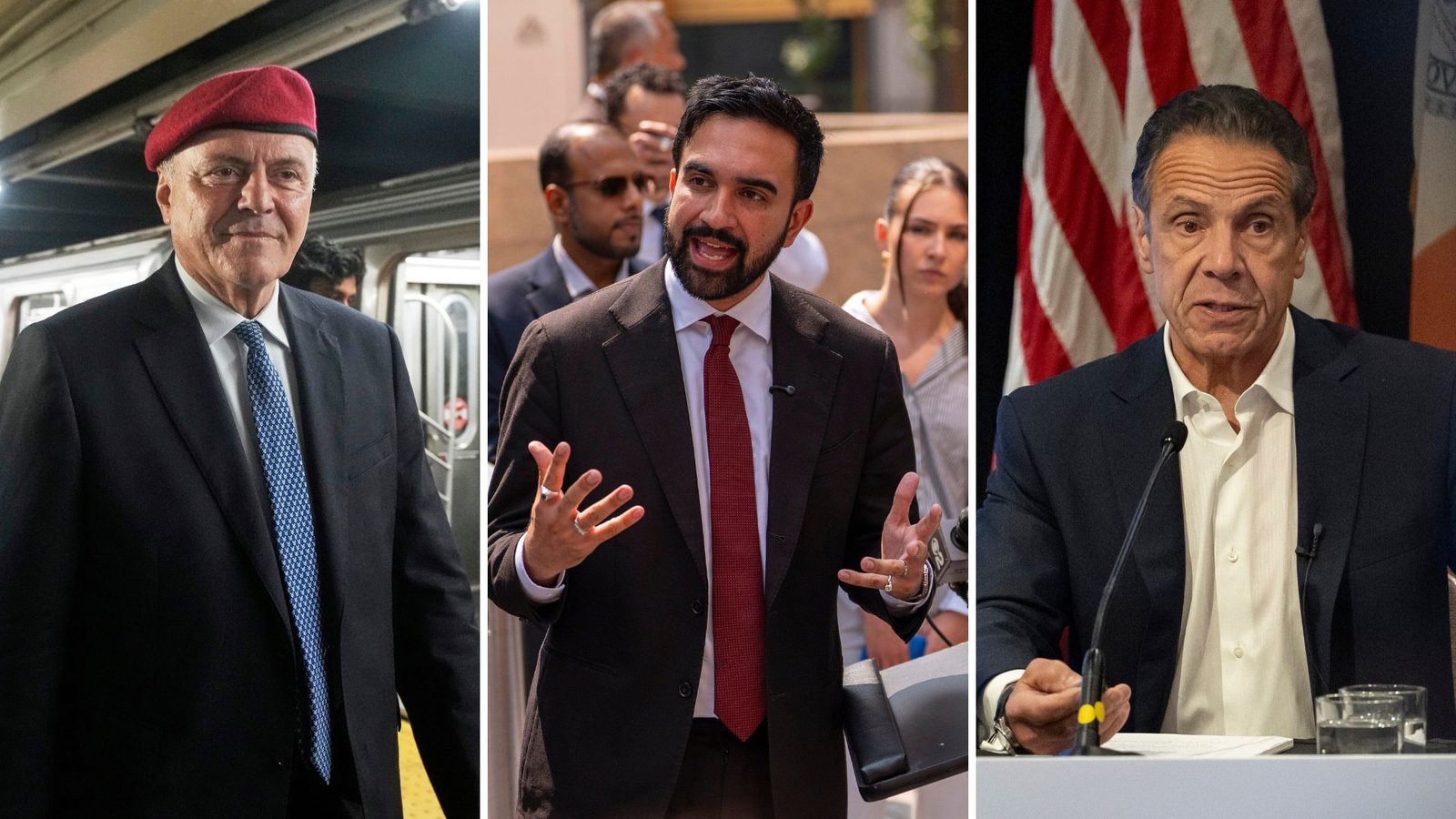
The three leading contenders for New York City mayor faced off at Rockefeller Center in Manhattan on Thursday, presenting their visions for steering the nation’s largest city as early voting approaches next week. Recent polling indicates Zohran Mamdani has expanded his lead to 46 percent, with Andrew Cuomo at 33 percent, while Republican Curtis Sliwa remains a distant third. The race has drawn attention beyond city limits, with national Democrats observing whether the city’s electorate will favor a progressive newcomer in Mamdani or the seasoned, establishment figure of Cuomo.

Foreign policy and international issues emerged unexpectedly in the debate, particularly around Mamdani’s past statements on Israel and Palestine. The Democratic candidate, who has voiced strong support for Palestinian statehood and criticized Israel’s military actions in Gaza, faced repeated questioning and criticism from both moderators and opponents. Mamdani was challenged for not explicitly condemning the phrase “globalize the intifada,” which critics claim encourages violence, though pro-Palestinian advocates maintain it is a call for international solidarity. Mamdani emphasized that, as mayor, he would represent all New Yorkers, including the city’s substantial and ideologically diverse Jewish population. Cuomo attacked Mamdani on these grounds, labeling him “divisive across the board,” while highlighting the broader stakes of city leadership under an administration that might clash with the White House.
The influence of former President Donald Trump loomed over the discussion, as the candidates debated how they would navigate a city likely to face federal pressure on immigration, infrastructure funding, and law enforcement. Sliwa underscored the practical need for any mayor to work with Trump, while Mamdani made clear his intent to oppose the former president’s policies. Cuomo positioned himself as the only candidate with sufficient experience to handle interactions with the current White House, warning voters that electing Mamdani could effectively result in “Mayor Trump” running the city.
Economic concerns, particularly affordability, dominated much of the debate. With New Yorkers facing exorbitant housing and living costs, each candidate proposed measures to ease the financial burden. Mamdani advocated for free bus services, while Cuomo suggested placing income limits on rent-stabilized apartments. Cuomo criticized Mamdani for benefiting from rent-stabilized housing despite coming from a wealthy family, and opposed a rent freeze, arguing it would jeopardize landlords and fail residents outside the program. Mamdani responded forcefully, emphasizing that the real issue for voters is the high cost of living, not his personal housing arrangement.
Cuomo also leveraged his decades of experience in public office, citing his time as federal housing secretary under President Clinton and as New York governor. Yet his tenure was marred by controversies, including sexual harassment allegations and scrutiny over underreported nursing home deaths during the COVID-19 pandemic. Mamdani seized upon these controversies to question Cuomo’s integrity and competence. Cuomo defended his record, stating that he had followed federal guidance during the pandemic and dismissed the lawsuits as politically motivated.

Republican Curtis Sliwa, founder of the Guardian Angels and a long-time media figure, used the debate to reinforce his public safety credentials. He pressed both Democratic opponents on crime policy, frequently interjecting to ensure his message reached voters. While the city’s electorate may lean heavily Democratic, Sliwa’s confident performance and focus on law and order aimed to appeal to constituents concerned with safety and community security. He later described the debate as “extraordinarily well” and compared his opponents’ approach to “two kids in the schoolyard,” signaling his readiness to challenge both leading candidates.
As New Yorkers prepare to cast early votes, the debate highlighted a complex mix of policy, leadership, and political identity that will shape the outcome. The race remains a closely watched indicator of future Democratic strategies and the ability of New York’s next mayor to navigate not only local challenges but also interactions with a high-profile federal administration.
Related News:
 Kinnock’s Rebuke Echoes Loudly as Corbyn Allies Launch Left-Wing Breakaway: “A Gift to Farage”
 Post Office Scandal Compensation Tops £1 Billion as Victims Finally See Justice
 UK and Norway Forge Stronger Ties Through Joint Sanctions and Enhanced Defence Cooperation
 Exclusive: Leaked Documents Reveal Khan’s Controversial Road Policy Overhaul – Drivers Warn of ‘Final Nail in Coffin’
 NHS Resident Doctors Vote for Strike Action Amid Escalating Pay Dispute
 UK Banks Granted Reprieve as BoE Delays Basel III Capital Rules Until 2028
 Trump Administration Dismisses 17 Immigration Judges, Sparking Debate Over Judicial Independence
 England Grapples with Unprecedented Bluetongue Virus Outbreak: Entire Nation Declared Infected Zone
 Justice Deferred, Not Denied: Government Orders Full Statutory Inquiry into Orgreave Clash Four Decades On
 Northern Ireland Family of Three Shot Dead in Maguiresbridge Home Incident
 West End Exposed as London’s Knife Crime Epicentre Amid Alarming Surge in Violence
 Singapore Corruption Scandal: Details Emerge on Iswaran’s Luxury Flight and Ties to Tycoon Ong Beng Seng
 Mystery Wallaby Spotted on Norfolk-Suffolk Border Sparks Police Appeal
 Manchester Airport Faces Delays After EasyJet Planes’ Wings ‘Clip’ on Runway
 Peter Andre Breaks 16-Year Silence with Scathing Statement Against Katie Price
 UK Weather: Heat Alerts Extended as Temperatures Set to Reach 30°C This Weekend
 Access to Iconic Cornish Beach Cut Off by National Trust Amid Safety Concerns
 Where Is Prince William and Kate Middleton’s New House? Inside the Historic Lodge Set to Become Their ‘Forever Home’
 Costa Blanca Holiday Horror as Food Poisoning Outbreak Hits Four-Star Hotel
 Hundreds of Swimming Pool Closures Leave Children ‘At Risk of Drowning’, Union Warns
 Xi, Putin and Kim Display Unified Front at Massive Beijing Military Parade
 British Holidaymaker’s Tragic Death in Greece Confirmed as Drowning
 India Triumph in Dubai Amid Unexpected Twists
 Public Executions in Gaza City Captured on Video Amid Ongoing Conflict
 Macron Phones Trump Over Traffic Jam in New York
 Denmark Investigates Professional Drone Incursions Across Multiple Airports, No Evidence of Russian Involvement
 Comey Indictment Deepens Fears of Political Retribution Under Trump
 “It Was Very Tough, But I Love Life”: Former Israeli Hostage Rebuilds Life After Family Killed by Hamas
 Arsenal Edge Past West Ham Amid Injury Concerns
 Chaos at Ibrox as Martin’s Rangers Era Comes to an End
 Arsenal Showcase Depth and Flexibility as Arteta Eyes Title Challenge
 Nobel Prize Honours Pioneers Behind Materials That Could Heal the Planet
 UK Affirms No Relaxation of Visa Rules for India Amid Trade Push
 Sir Michael Caine Urges Starmer to End Smacking in England
 Former Premier League Referee David Coote Pleads Guilty to Child Image Offence
 Japanese Court Sentences Man to Death for 2023 Quadruple Murder in Rare Gun and Knife Attack
 Trump Claims Modi Has Agreed to Halt Russian Oil Imports Amid Heightened US Pressure
 Gibbs-White Inspires Forest to Thrilling Win Over Porto
 Manchester United triumph as Mbeumo brace seals thrilling win
 Hospice Cuts Raise Alarm Across England Amid Funding Crisis
 Tragedy on Lizard Island: Cruise Passenger Dies
 Fed Cuts US Interest Rates Again Amid Labour Market Uncertainty
 Zarah Sultana Launches Party to Change Politics
 Ex-Army Sergeant Jailed for Assault on Soldier Who Later Died
 US Senate Passes Funding Bill to End Historic Shutdown
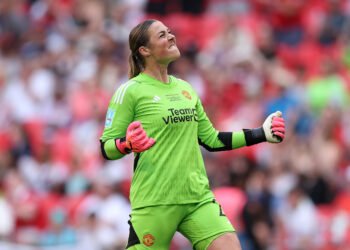 Mary Earps’s Manchester United Return Faces Mixed Reception
 Son Reveals UK Couple in Iran Resort to Hunger Strike for Help
 Pressure Mounts on Starmer to Sack Chief of Staff Over Briefing Row
 US Justice Department Files Lawsuit Against California Over Partisan Voting Maps
 Former Lion Heskey Warns of Shortage of England Strikers
 How Cultures Interpreted the Aurora Through History
 Orban Says Ukraine Has ‘No Chance’ as EU Support Continues
 Mother Watches in Horror as Teen Daughter Dies on Tracks
 Seven Countries, One Winner: Europe’s Best Christmas Market
 Israeli Strike Kills 13 Near Palestinian Camp in Lebanon
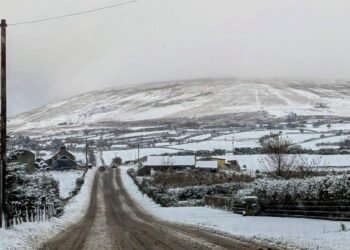 Commuters warned as yellow snow and ice alert hits Northern Ireland
 Haiti Qualifies for World Cup Despite Coach Never Visiting Country
 US Judge Says Meta Did Not Hold Illegal Social Media Monopoly
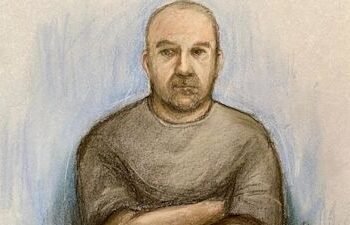 Serial Rapist and Former Cop Found Guilty Again
 Pentagon Officials in Ukraine to Discuss War End
 Ex-Harvard President Pauses Teaching Over Epstein Emails
 Vietnam Battles Deadly Floods as Rains Continue
 Scottish Families Take Legal Action Over School CO Leak
 Venezuela Threatens Nobel Winner Machado with Fugitive Status
 At Least Three Dead in Bangladesh Earthquake
 Vicki Fears Losing Motability Car
 Israel Confirms Hamas Returned Dror Or’s Body
 Millions Face Higher Taxes Under Reeves New Budget
 Two National Guard Soldiers Critically Injured Near White House
 Mbappe Scores 4 as Real Madrid Edge Olympiakos
 Sri Lanka Floods Leave 56 Dead, Dozens Missing
 Scotland Gains 33 New Towns – Life in Growing Communities
 Jordan Bardella: France’s Young Presidential Contender
 AI Actress Creator Says Tilly Norwood Won’t Replace Actors
 Search underway for British man overboard off Tenerife
 Pavarotti statue frozen in Italian ice rink sparks backlash
 Barcelona, Atletico set for decisive La Liga showdown
 EU plans $105bn Ukraine aid using frozen Russian assets
 Global campaign launched to free Palestinian leader Barghouti
 Kenya Signs $2.5bn Health Deal with US Amid Data Concerns