Published: 31 October 2025. The English Chronicle Desk. The English Chronicle Online.
Some of the greatest films ever made began life as novels, from timeless classics like The Shawshank Redemption and The Godfather to modern franchises such as The Hunger Games and Harry Potter. Books have long provided filmmakers with a treasure trove of rich stories, well-developed characters, and intricately woven plots that translate beautifully to the screen. The depth and complexity of literary works allow directors and screenwriters to explore layers of narrative and emotion that original screenplays often struggle to achieve.
In the film industry, acclaimed screenwriters are constantly on the lookout for source material that can capture both critical acclaim and audience attention. Bestseller lists, from The New York Times to the Sunday Times, are regularly scanned for novels that have the potential to be transformed into award-winning films or television series. Recent examples include Edward Berger’s Conclave, which was widely praised last year, and Percival Everett’s American Fiction, both of which have caught the eyes of Hollywood producers and directors seeking stories with emotional depth and cinematic potential.

Hollywood producer Reece Witherspoon has become synonymous with book-to-screen adaptations, turning her book club picks into major hits. Through her Hello Sunshine production company, she has brought acclaimed novels to life, including Big Little Lies, Where the Crawdads Sing, and Daisy Jones & The Six. These adaptations not only honor the source material but also bring it to a wider audience, allowing fans to see their favorite stories unfold visually. This trend has created a unique cultural phenomenon where literature and visual storytelling complement each other, sparking renewed interest in the original books.
Social media has also changed the landscape for adaptations. Authors like Colleen Hoover, whose novel It Ends With Us became a viral sensation on TikTok, have seen their works catapulted from page to screen. Similarly, Sarah J. Maas, known for her A Court of Thorns and Roses series, and E. Lockhart, author of We Were Liars, have gained immense attention from both readers and filmmakers. The virality of these works has ensured that publishers, producers, and streaming platforms are eager to invest in adaptations that come with an already engaged fanbase. This fusion of literary success and social media buzz has made book-to-screen projects one of the most exciting areas of contemporary entertainment.
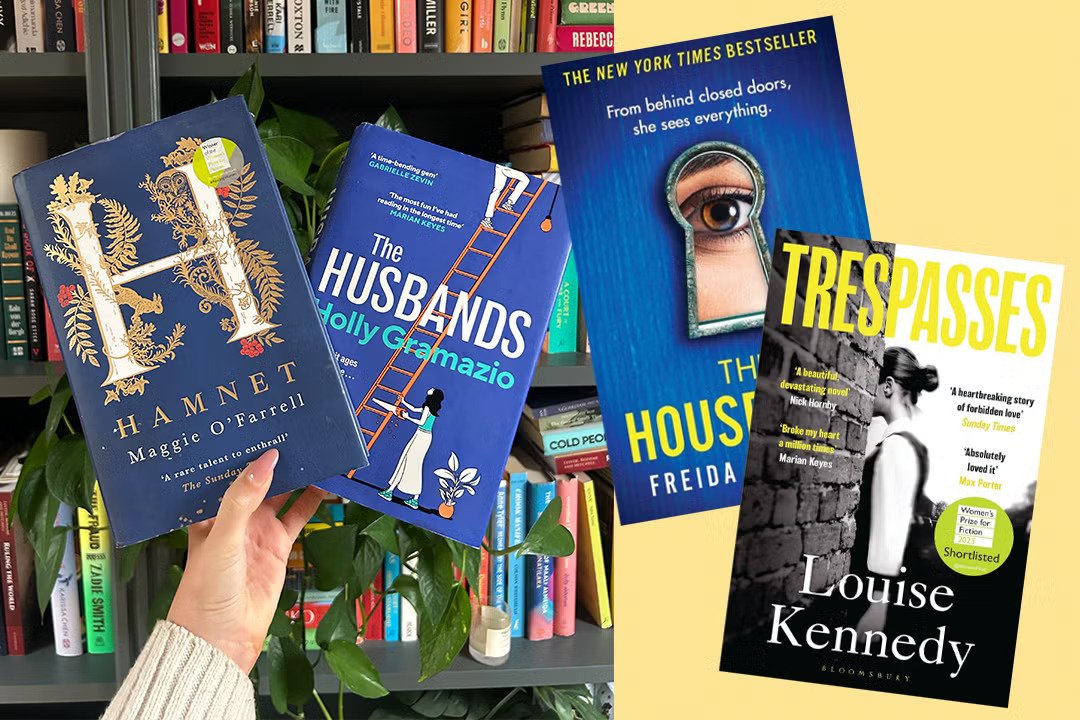
The upcoming book-to-screen adaptations for 2025 and 2026 promise to continue this trend, offering something for fans of all genres. Whether you’re a fan of romance, fantasy, historical fiction, or literary classics, these adaptations are set to captivate audiences and spark discussions about how novels can be reinterpreted for the screen. Louise Kennedy’s Trespasses, a story of forbidden romance set against the backdrop of the Troubles in Northern Ireland, is one of the most anticipated releases. The novel’s delicate exploration of love, politics, and identity makes it an ideal candidate for cinematic adaptation, offering filmmakers the chance to bring to life both the intensity of the characters’ emotions and the historical weight of the setting.
Maggie O’Farrell’s Hamnet is another adaptation eagerly awaited by both readers and film enthusiasts. A reimagining of Shakespeare’s life, the novel weaves historical fact with fiction in a way that allows filmmakers to explore the emotional world behind the Bard’s work. Its focus on family, grief, and creativity provides rich material for a visually and emotionally compelling film. Such adaptations remind audiences that literature often serves as a lens through which we can view complex human experiences, and translating these experiences to the screen can provide new insights while maintaining the essence of the original story.
Adaptations are not limited to literary classics or historical novels. Contemporary fiction, young adult fantasy, and genre-spanning works are increasingly being considered for screen projects. The appeal lies in the ready-made world and audience, which gives producers a clear starting point for visual storytelling. For fans, adaptations offer the joy of seeing familiar characters and imagined landscapes brought to life, often exceeding expectations when the casting, cinematography, and direction align with the tone of the original work.
One of the most intriguing aspects of these upcoming adaptations is how filmmakers will handle narrative complexity. Many novels rely heavily on internal monologues, layered subplots, or intricate timelines that are challenging to portray visually. The success of adaptations like Big Little Lies has shown that with careful screenwriting, creative direction, and thoughtful casting, it is possible to retain the depth of the source material while creating a visually stunning and emotionally resonant screen experience.

In addition, the collaborative nature of modern adaptations means that authors are increasingly involved in the process. Their input can help ensure that the essence of the story remains intact, even as it is transformed to suit cinematic storytelling. This level of involvement strengthens the connection between the book and its adaptation, creating a faithful yet fresh interpretation that satisfies both longtime fans and new audiences.
The 2025-26 lineup also reflects a diverse range of voices and perspectives. By bringing stories from different cultural, social, and historical backgrounds to screens worldwide, adaptations can contribute to a richer, more inclusive media landscape. From small independent projects to blockbuster franchises, the potential for book-to-screen storytelling is enormous, and the anticipation surrounding these upcoming adaptations reflects a global appetite for stories that are both imaginative and emotionally authentic.
Ultimately, book-to-screen adaptations continue to bridge the gap between literature and visual storytelling, offering audiences the chance to experience beloved narratives in new and exciting ways. For fans who have spent hours imagining characters and settings, the forthcoming films and series represent an opportunity to see those visions realized, making the upcoming years particularly exciting for readers and cinephiles alike.
Whether it is the romance of Trespasses, the historical reimagining in Hamnet, or the viral hits of modern authors, the cinematic landscape in 2025-26 is poised to celebrate the enduring relationship between books and film. With such a wide array of adaptations on the horizon, the future looks bright for audiences eager to see their favorite novels leap off the page and onto the screen.
Related News:
 My standout favourite book of 2025: The Names
 Top Christmas Books Reads: Classics to Cozy Romcoms
‘I’ve Read 38 Books, but This Is My Standout Favourite’
Top Christmas Books Reads: Classics to Cozy Romcoms
‘I’ve Read 38 Books, but This Is My Standout Favourite’
 Prunella Scales: From Fawlty Towers Icon to Beloved Canal Explorer
 Posthumous books are messy and fraught – but Virginia Giuffre’s gives her a voice
 Kate Winslet to Narrate Film Highlighting King’s Environmental Mission
 Meghan ‘to return to acting’ after eight-year hiatus
 Audio Books deals and promo codes to explore in November 2025
 Pauline Collins, Beloved ‘Shirley Valentine’ Star, Dies at 85
 Lola Petticrew: ‘Calling it the Troubles minimises what it really was’
 Amber Davies Shines on Strictly – Time to Drop the West End Debate
 David Szalay’s ‘Flesh’ Wins 2025 Booker Prize
 Boos, backlash and body horror: The story of Alpha
 Nigeria’s $25m Museum Faces Political Storm Amid Benin Bronzes Debate
 Algeria Pardons French-Algerian Novelist Sansal After Year in Jail
 Pat Butcher Returns to EastEnders in Touching Dementia Storyline
 EastEnders icon Pat Butcher returns to Walford this Christmas
 Wuthering Heights: bold new trailer for Emerald Fennell’s epic adaptation
 Yungblud Pauses Tour Over Health Concerns, Apologises to Fans
 SS Rajamouli Announces ‘Varanasi,’ a Mythic Time-Travel Epic
 Tom Cruise Receives Honorary Oscar, Celebrates Cinema
 The Lasting Legacy of Seven: Crime, Morality, and Urban Decay
 Two Judges Quit Miss Universe Amid Allegations of Rigged Competition
 New Miss Universe Crowned Amid Controversy in Thailand
 Director Michael Caton-Jones Reflects on Career and Beginnings
 Men Aren’t Vanishing From Fiction, But Misconceptions Persist
 Rosalía Inspires Young Listeners to Discover Classical Music
 Belfast’s Elle Vosque finishes runner-up on Drag Race UK
 My Husband Won’t Stop Playing with Lego and It’s Driving Me Nuts
 Sean Hayes Reimagined: From Sitcom Stardom to Serious Stage Acclaim
 Millie Bobby Brown and Jake Bongiovi Begin Parenthood Through Adoption
 Emma Heming Willis Speaks Openly on Bruce Willis’s Declining Health Amid Dementia Battle
 September’s Must-See Films: From Spinal Tap II to Leonardo DiCaprio’s Latest Thriller
 Robert Redford: The Indispensable Patron of American Independent Cinema
 Watchdog, Cornflakes and Courage: Remembering John Stapleton, a Broadcaster Who Did It All
 Dawson’s Creek” Cast Reunites for Special Broadway Benefit to Support James Van Der Beek
 Beloved Actress Dame Patricia Routledge Dies Aged 96
 Karen Carney Shines on Strictly Come Dancing Week Two Despite Tango Wobbles
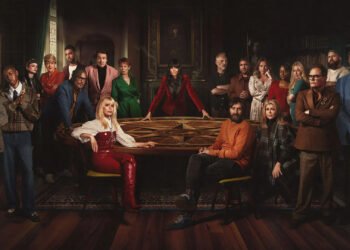 Celebrity Traitors First Look: A Star-Studded Highland Adventure That Hooks from the Start
 Who is Ruth Codd? All about the Irish actress on Celebrity Traitors
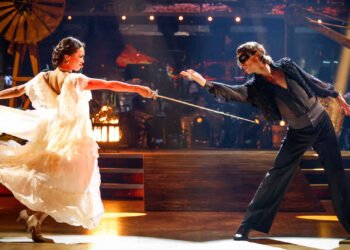 Strictly Celebs Starstruck as Cynthia Erivo Shines
 Dave Ball: The Unsung Genius Behind Soft Cell’s Bold Sound
 Children to Judge Inaugural Booker Prize for Young Readers
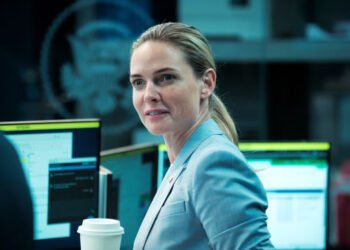 Netflix’s A House of Dynamite Hits Reality Walls
 Is a two-week half-term a good deal? Some parents in England aren’t so sure
 Charlie Kaufman: They told me Being John Malkovich would never get made
 The Line of Beauty, Almeida review: A wild, witty ride through Thatcher-era high society
 Children to Learn Local History in Major Curriculum Overhaul
 UK University Suspends Human Rights Research Following Pressure from China
 Hollywood Is an Industry of Looney Tunes Pretending to Be Normal
 UK University Faces Counter-Terror Probe Over China Pressure
 Greta Thunberg Backs Student Facing UK Visa Revocation
 Oprah enjoys Meghan’s jam on English muffins
China-critical UK academics face ‘extremely heavy’ pressure from Beijing
Oprah enjoys Meghan’s jam on English muffins
China-critical UK academics face ‘extremely heavy’ pressure from Beijing
 Labour immigration crackdown could cost UK £4.4bn
 London’s Childlessness Crisis: Schools Closing as Families Shrink
 No link found between paracetamol in pregnancy and autism
 Government urges schools to ban phones to curb classroom disruption
 VAR Must Rein Its Neck In to Save Football’s Spirit
 Pop Stars Call on UK Government to Cap Resale Prices for Fans
 England’s Special Needs Support Faces Breaking Point
 Nigerian Education Reversal: Mother-Tongue Teaching Scrapped
 Higgs Donates Nobel Medal to His Beloved University
 The Devil Wears Prada 2 teaser trailer revealed
 UK Schools Face Staff Exodus Amid Wellbeing Crash
 Eminem Takes Legal Aim at Australian ‘Swim Shady’ Brand
 Ex-Harvard President Pauses Teaching Over Epstein Emails
 Australia to Ban Social Media for Kids Under-16 Starting December
 Scottish Families Take Legal Action Over School CO Leak
 TikTok Star Jessie Yendle Mocked by KFC
 Sony, Warner, Universal Sign AI Music Deals With Klay
 Bill Murray Terrified Wes Anderson but Became His Closest Collaborator
 Reggae Legend Jimmy Cliff Dies at 81
 Karen Carney Stuns on Blackpool Week, Deserves Strictly Final
 Prisoner 951 Review: arrowing Retelling of Nazanin Zagharz-Ratcliffe
 Schools urged to trial four-day week to ease pressure on teachers in England and Wales
 Oxford Names ‘Rage Bait’ Word of the Year
 Pavarotti statue frozen in Italian ice rink sparks backlash
 First Complete Ancient Celtic Dictionary Unveiled by UK Experts