Published: 07 November 2025. The English Chronicle Desk. The English Chronicle Online.
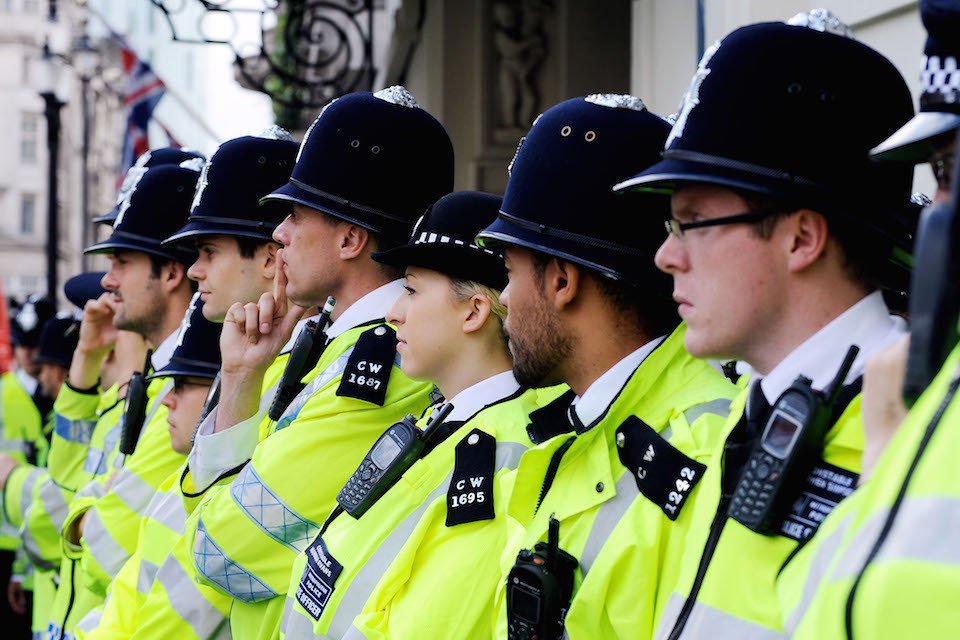
An internal review of the Metropolitan Police has found that racial harm inflicted on Black communities is not accidental but “institutionally defended,” revealing deep-rooted cultural and structural barriers that protect the force from meaningful reform. The report, authored by Dr. Shereen Daniels and published on Friday, provides one of the most damning indictments yet of Britain’s largest police service, concluding that racism is embedded in its very design and governance.
The document, titled 30 Patterns of Harm, examines internal Met documents and testimonies from officers, unions, campaigners, and affected families. Its findings expose an institutional culture that perpetuates racial bias while shielding itself from accountability. “Anti-Black outcomes in policing are not random. They have been built in,” the report states. “And they have been named, again and again, by families in grief, frontline officers, unions, activists, whistleblowers, campaigners, and formal investigations.”

Dr. Daniels told The Guardian that her study marks the first comprehensive internal review into “anti-Blackness” within the Met that focuses on the institution as a whole, rather than on isolated incidents. “The report examines the institution itself, showing how the Met’s systems, governance, leadership, and culture produce racial harm, whilst simultaneously protecting the institution from reform,” she said. “This is not an account of individual incidents but a diagnosis of the structures that make racial harm a consistent recurring pattern.”
The report’s findings come two years after Louise Casey’s 2023 inquiry, which also branded the Met “institutionally racist,” though Commissioner Sir Mark Rowley rejected the term, claiming it was politically charged. Daniels directly criticises Rowley for this stance, arguing that his reluctance to accept the term “institutional racism” undermines accountability and allows harmful structures to persist. “This is how clarity is framed as political,” the report asserts, “and the power to name harm is surrendered to institutional comfort.”
A central focus of Daniels’ review is the Met’s controversial use of stop and search powers. The report concludes that these powers inflict sustained harm on Black communities, observing that “suspicion is the starting point” for the force. It states, “The Met doesn’t wait for wrongdoing. It waits for justification,” adding that the tactic effectively turns public spaces into “checkpoints” where “blackness itself is treated as probable cause.”
Force and coercive tactics, the report finds, are used disproportionately against Black people, reinforcing a pattern of mistrust between communities and officers. These findings echo decades of criticism, from the 1999 Macpherson Report on the Stephen Lawrence case to more recent investigations into racism and misogyny within the Met. Daniels said the organisation has developed an “advanced repertoire” for avoiding genuine reform, often responding to scandal with rhetorical pledges of change but little substantive action.
In 2023, BBC undercover footage revealed racist and misogynistic behaviour among officers at Charing Cross police station, prompting dismissals and disciplinary measures. Yet Daniels insists such incidents are symptoms of a much deeper institutional problem. “Charing Cross is not an anomaly,” she said. “It is a product of the Met’s culture itself and the way it is designed.”
Commissioner Sir Mark Rowley, now three years into a five-year term in which he has promised “wholesale reform,” acknowledged the review’s conclusions, calling the findings “powerful” and conceding that “further systemic, structural, cultural change is needed.” In a statement, Rowley said: “I asked for a review focused on the Met and Black communities which challenges us to go further in becoming an actively anti-racist organisation. London is a unique global city, and the Met will only truly deliver policing by consent when it is inclusive and anti-racist.”
Rowley pointed to initiatives such as A New Met for London and the London Race Action Plan as evidence of ongoing reform. “The level of trust in the Met that Black Londoners report is improving – by 10% in two years – but still lags behind others,” he said. “Our expectation is that leaders will drive this change with their teams and they will be held accountable. When it comes to any individual discrimination, including racism, our commitment is clear: we are continuing to deliver the largest corruption clear-out in British policing history to remove those who do not belong.”
However, the National Black Police Association (NBPA) responded sharply, accusing Rowley and his leadership team of perpetuating the very culture they claim to be reforming. “Only two years ago, Baroness Casey laid out the same pattern of abuse, denial, and harm,” the NBPA said. “Yet instead of progress, we have seen the situation grow worse, with trust eroding and confidence among Black officers, staff, and communities continuing to decline. The commissioner has created an echo chamber around himself, surrounded by individuals who reassure him that progress is being made while maintaining the very structures that enable institutional racism to persist within the service.”
City Hall also weighed in, with a spokesperson for London Mayor Sadiq Khan stressing that the findings reveal enduring systemic failures. “It is clear that there are still systematic and cultural issues within the force that have not been tackled,” the statement read. “The mayor is clear that Sir Mark and his senior leadership need to reframe their approach to accelerate the pace of cultural reform and deliver the necessary structural change across the force.”

For many campaigners, Daniels’ report underscores the grim continuity of institutional racism in the Met — a problem that has persisted despite decades of public outcry, policy reviews, and promises of reform. The findings suggest that progress will require more than new initiatives or public statements; it will demand a fundamental reengineering of leadership accountability, transparency, and community trust.
The question, Daniels argues, is no longer whether the Met can acknowledge the existence of institutional racism, but whether it can dismantle the mechanisms that make racial harm inevitable. “This entire body of work demonstrates how institutional racism operates in practice,” she writes. “It traces how racial harm becomes built into systems, behaviours, and leadership norms that normalise discrimination and protect the organisation from consequence.”
As the Met faces renewed pressure to deliver real change, one truth remains: without confronting the institutional design itself, the cycle of racial harm — built, defended, and normalised — will continue.
Related News:
 French Taxi Driver Cleared in David Lammy Theft Case After Fare Dispute
 Tasers Introduced in UK Prisons to Combat Rising Violence and Protect Staff
 Police Advised to Disclose Ethnicity of Suspects in High-Profile Cases
 Charlie Kirk Killing Used to Mobilise UK’s Largest Far-Right Rally in Decades
 UK Police to Gain New Powers to Manage Repeated Protests, Home Office Announces
 Tories Push to Dilute Labour’s Workers’ Rights Bill
 It’s time to come clean on the China spy case
 Five More Prisoners Freed by Mistake in Essex Week
 Nearly 48,000 Zombie Knives Removed from UK Streets in a Year
 Rachel Reeves Admits Renting Home Without Required Licence
 Afghan man charged with murder after west London knife attack
 Reform Councillor Defects to Tories Over ‘Uncomfortable’ Policies
 Experts Question HMRC Over Possible Child Benefit Privacy Breach
 FBI Director Kash Patel Defends Girlfriend Amid Government Jet Claims
 Man Charged Over Cambridgeshire Train Stabbing
 Pregnant UK Teen to Be Freed from Georgian Jail
 Phillipson urges careful review of gender recognition guidance
 Just Stop Oil Protesters Convicted Amid Climate Defence Row
 Company linked to Michelle Mone owes £39m in tax
 Lammy ‘misinformed’ over Wandsworth prisoner releases
 British Grandmother to Return Home After Death Sentence in Bali
 Eleven Arrested After Pro-Palestine Protest at Villa Match
 Remaining rebel Labour MPs have whip restored
 Tim Davie resigns as BBC director general amid bias claims
 Bar Council urges legal aid for all domestic abuse family cases
 ‘Reckless’ cuts to victims’ services will cost more than they save
 Judges to Decide Fate of Chief Constable Guilty of Contempt
 Palace to reinstate hyphen in Andrew’s surname
 British state supplied victims to ‘worst sex offender in history’
 Victims’ commissioner Baroness Newlove dies aged 63
 BBC Apologises to Trump but Rejects $1bn Compensation Claim
 Major Rent Reform Ends No-Fault Evictions in England
 Peers Flood Assisted Dying Bill with 942 Amendments
 ‘Fake Admiral’ Sparks Outrage at Remembrance Event
 Your Party Turmoil Deepens Over Withheld Donations
 UK Unveils Fast-Track Deportation and Asylum Overhaul
 UK Asylum Overhaul Sparks Debate Over Human Rights and Deportations
 UK Asylum Reforms: Temporary Refugee Status and Faster Deportations
 UK Candidate Moved to Safe House After Election Threats
 Mahmood Defends Tough Overhaul of UK Asylum System
 Paralegal Fired After Exposé on Illegal Worker Scam
 Dan Wootton Rejects Catfishing Allegation in Court
 Scottish Ministers Express Alarm Over UK Asylum Reforms
 South African Detained After Neo-Nazi Rally in Australia
 Westminster Advances Legacy Bill Amid Criticism
 Minister Defends Tough New Asylum Reform Plan
 UK Net Migration Falls Sharply After ONS Revisions
 Serial Rapist and Former Cop Found Guilty Again
 Trump Slams Democrats With ‘Seditious’ Death Claim
 Gardener Guilty of Brutal Attack on Teacher Partner
 Ex-Classmate Accuses Farage of Dishonesty on Racism Claims
 Peers Get Extra Time to Debate Assisted Dying Bill
 Ex-Brexit MEP Rejects Claim of Pro-Russia Payments
 Man Arrested Over Manchester Synagogue Terror Attack
 Twelve Prisoners Released in Error, Two Still Missing
 Targeted Attack in Bury Sparks Murder Investigation as Community Awaits Justice
 Man Remanded After Children Fall Ill at Leicestershire Summer Camp in Shocking Child Cruelty Case
 Merseyside Police Helicopter Crew Cleared After Low-Altitude Pursuit of Suspect
 Tanni Grey-Thompson Faces Abuse Over Opposition to Assisted Dying Bill
 Mahmood Pledges Reform of Modern Slavery Laws After Court Blocks Deportation Appeal
 No Evidence Found to Substantiate Alleged Rape in Oxfordshire Churchyard, Police Confirm
 Digital ID Plans Ignite Debate Over £600m Treasury Tax Boost and Privacy Concerns
 Peterborough Mosques Tighten Security After Attack
 Green Party Surges Past Labour in Latest UK Poll
 Trump’s UK Ambassador Urges North Sea Drilling to Strengthen US Ties
 UK Bans Fake Numbers: Scammers Lose Their Trick
 King Charles to Lead Nation in Remembrance Sunday Service
 How to get help when a child goes missing – call 999 urgently
 Starmer Faces Growing Dissent as Labour MPs Weigh Leadership Challenge
 US Justice Department Files Lawsuit Against California Over Partisan Voting Maps
 Rio Raid’s Death Toll Raises Questions About Gang Impact
 Trump Deploys DHS to Charlotte in Major Arrest Operation
 Mother Watches in Horror as Teen Daughter Dies on Tracks
 Charlotte Raids: 130 Arrested in Major Immigration Sweep
 Man Charged Over Attempted Murder of Senior Officer
 Venezuela Threatens Nobel Winner Machado with Fugitive Status
 Most Tories Expect to Support a Farage-Led Government
 Labour MP claims devolution bill is ‘blatant discrimination’ against Cornwall
 Millions Face Higher Taxes Under Reeves New Budget
 Virgin Media Fined £23.8m Over Telecare Safety Failures