Published: 07 November 2025. The English Chronicle Desk. The English Chronicle Online.
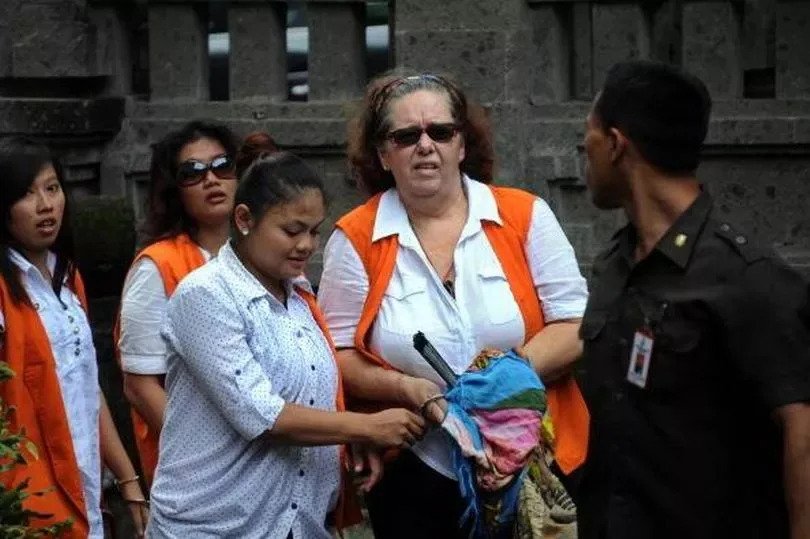
A British grandmother who faced a death sentence in Bali for smuggling a large quantity of cocaine is set to return to the UK, bringing an end to more than a decade of imprisonment and legal uncertainty. Lindsay Sandiford, 69, has spent over 13 years in Kerobokan prison, one of the world’s most notorious correctional facilities, following her arrest in 2012. The news of her imminent return has been welcomed by family members and legal representatives alike, who describe her as frail and in urgent need of medical attention.
Sandiford was arrested at Denpasar National Airport after customs officials discovered a hidden compartment in her suitcase containing 4.8 kilograms of cocaine, estimated to be worth around £1.6 million. She had arrived from Thailand, carrying the illicit cargo unbeknownst to authorities. Prosecutors accused her of being part of an international drug network with operations spanning several countries, including Peru, Colombia, and Thailand. At trial, she was found guilty of smuggling cocaine and sentenced to death by firing squad, a punishment that drew significant attention and condemnation from human rights groups in the UK and internationally.

The grandmother has consistently maintained that she was coerced into carrying the drugs. According to her statements, a British gang threatened to harm one of her two sons if she refused to cooperate. Over the years, her case attracted considerable media attention, highlighting both the human rights concerns surrounding Indonesia’s harsh drug laws and the challenges faced by foreign nationals caught up in legal proceedings abroad.
A source close to Sandiford told the Daily Mirror: “Lindsay is extremely unwell. She is desperate to get home and to be with her family. More than a decade in one of the world’s worst prisons has taken its toll, and she wants nothing more than to return to the UK.” The source added that Sandiford’s return would finally allow her to receive proper medical care and be reunited with her loved ones after more than a decade apart.
An Indonesian government source confirmed that an agreement had been reached with the UK government to facilitate her transfer back home. The deal also includes Shahab Shahabadi, 35, a fellow UK national who has been serving a life sentence for drug offences since his detention in 2014. Both will leave Kerobokan prison and travel by car to Denpasar International Airport, where they will be handed over to the UK ambassador, Dominic Jermey, before boarding flights home.
The British Foreign, Commonwealth and Development Office (FCDO) has confirmed that it is closely involved in the process. A spokesperson told The Independent: “We are supporting two British nationals detained in Indonesia and are in close contact with the Indonesian authorities to discuss their return to the UK.” The spokesperson emphasized the UK government’s commitment to ensuring that its citizens receive fair treatment abroad and that their welfare remains a priority.
Kerobokan prison, where Sandiford has been held for the past 13 years, is known for its harsh conditions and limited medical facilities. Over the years, reports have highlighted issues such as overcrowding, inadequate sanitation, and limited access to health services, making Sandiford’s prolonged detention particularly challenging for her health. Pastor Christine Buckingham, who visited Sandiford in prison last week, described her as “extremely ill” and “eager to return home.” She told the Mirror: “We’re deeply grateful to the Indonesian government and of course the British government for working this out together. She wants to get home, be checked medically, and spend as much time as possible with her family.”
The case has also sparked discussion around Indonesia’s strict drug laws, which impose capital punishment for serious drug offences, and the broader implications for foreign nationals travelling to the country. Human rights organizations have long criticized the application of the death penalty in Indonesia, arguing that it fails to consider mitigating circumstances such as coercion or duress. Sandiford’s case, in particular, drew attention due to her age, health, and the circumstances under which she allegedly became involved with the drug operation.
Legal experts note that the repatriation of foreign prisoners under bilateral agreements is relatively rare and often involves extensive negotiations between governments. In Sandiford’s case, the UK and Indonesian authorities reportedly worked closely to ensure her safe transfer, balancing Indonesia’s domestic legal requirements with humanitarian considerations. The resolution has been welcomed by campaigners, who describe it as a victory for both justice and human rights.
Since her arrest, Sandiford’s health has deteriorated significantly. Long-term imprisonment, compounded by the difficult conditions in Kerobokan, has left her in a vulnerable state. Advocates hope that her return to the UK will allow her to access appropriate healthcare and support, helping her rebuild her life after more than a decade of confinement.
Sandiford’s family, who have campaigned for her release throughout her detention, expressed relief and gratitude following the news. They emphasized the emotional toll that her imprisonment has had on them, describing the reunion as a long-awaited moment of closure. A family spokesperson said: “Lindsay has endured unimaginable hardship. We are thrilled that she will finally be home, safe, and able to receive the care she needs. The support of both governments has been instrumental in making this possible.”

While the case has concluded with Sandiford’s repatriation, it leaves behind broader questions about the treatment of foreign nationals in countries with severe drug laws and the responsibilities of governments to protect citizens abroad. Her story serves as a reminder of the risks faced by individuals who become entangled in international drug operations, often under coercion, and underscores the importance of legal advocacy and diplomatic intervention in ensuring their rights are respected.
As Lindsay Sandiford prepares to return to the UK, attention now turns to her recovery and reintegration into family life. Advocates and family members alike are hopeful that this chapter marks the beginning of a safer, healthier, and more peaceful period for her after more than a decade in one of the world’s most notorious prisons. The case, which once drew international attention for its severity, now concludes with a focus on humanitarian resolution and the enduring importance of diplomacy in protecting citizens abroad.
Related News:
 Nearly 48,000 Zombie Knives Removed from UK Streets in a Year
 Pregnant UK Teen to Be Freed from Georgian Jail
 Just Stop Oil Protesters Convicted Amid Climate Defence Row
 Bar Council urges legal aid for all domestic abuse family cases
 Judges to Decide Fate of Chief Constable Guilty of Contempt
 Victim of Catfish Predator Max Hollingsbee Speaks Out: “I Will Always Be Angry He Took My Innocence”
 Charlie Kirk Killing Used to Mobilise UK’s Largest Far-Right Rally in Decades
 Madeleine McCann Detectives to Testify Against Woman Accused of Stalking the Family
 UK Gamer Recruited by Wagner Group Found Guilty of Arson
 Mother dies after black market weight loss injection
 Peterborough Mosques Tighten Security After Attack
 Five More Prisoners Freed by Mistake in Essex Week
 Rachel Reeves Admits Renting Home Without Required Licence
 Prince Andrew Stripped of Title: Giuffre Family Hails Historic Moment
 Afghan man charged with murder after west London knife attack
 Experts Question HMRC Over Possible Child Benefit Privacy Breach
 Metal Detectors at Stations ‘Would Make Life Impossible,’ Says Minister
Trump Speaks on Prince Andrew’s Royal Scandal Fallout
Metal Detectors at Stations ‘Would Make Life Impossible,’ Says Minister
Trump Speaks on Prince Andrew’s Royal Scandal Fallout
 Man Charged Over Cambridgeshire Train Stabbing
 French Taxi Driver Cleared in David Lammy Theft Case After Fare Dispute
 Lammy ‘misinformed’ over Wandsworth prisoner releases
 Met Police Culture Makes Racial Harm ‘Inevitable’
 Newcastle United Lifts Ban on Fan Over Gender-Critical Views
 Parents Urge Home Office to Reunite Daughter After Hurricane
 Jailed UK climate protesters face extremist-style restrictions
 Tim Davie resigns as BBC director general amid bias claims
 Second world war veterans honoured as King leads Remembrance Sunday
 How to get help when a child goes missing – call 999 urgently
 ‘Reckless’ cuts to victims’ services will cost more than they save
 NHS trust fined after woman takes life in mental health unit
 How age progression images help trace missing people
 South Korea’s Jeju Island Faces Rising Tide of Illicit Drugs
 Victims’ commissioner Baroness Newlove dies aged 63
 Oklahoma Governor Grants Last-Minute Clemency to Death Row Inmate
 Bataclan Anniversary: France Remembers but Jihadist Danger Lingers
 ‘Fake Admiral’ Sparks Outrage at Remembrance Event
 Couple Win Damages Over Arrest Linked to WhatsApp Chat
 UK Asylum Overhaul Sparks Debate Over Human Rights and Deportations
 UK Asylum Reforms: Temporary Refugee Status and Faster Deportations
 Paralegal Fired After Exposé on Illegal Worker Scam
 Dan Wootton Rejects Catfishing Allegation in Court
 Mother Watches in Horror as Teen Daughter Dies on Tracks
 Convicted Killer Challenges Vegemite Ban Behind Bars
 Newport Man Left Injured After Electric Bike Collision
 Court to Hear Challenge to Wimbledon Expansion Plan
 Teens ‘Ran Amok’ at Ex-MP’s Covid Testing Firm
 Serial Rapist and Former Cop Found Guilty Again
 Podcaster Faces Abuse Charges Over Controlling Behaviour
 South African Women Call Purple Protest Over Gender Violence
 Gardener Guilty of Brutal Attack on Teacher Partner
 Sudanese Family Vows to Stay After Racist Graffiti
 Man Arrested Over Manchester Synagogue Terror Attack
 Second homes curbs quashed in Gwynedd legal ruling
 Rare shark attack kills woman, injures man at remote NSW beach
 Tokyo court rules Japan’s same-sex marriage ban constitutional
 Virgin Media Fined £23.8m Over Telecare Safety Failures
 Twelve Prisoners Released in Error, Two Still Missing
 Northern Ireland Family of Three Shot Dead in Maguiresbridge Home Incident
 Targeted Attack in Bury Sparks Murder Investigation as Community Awaits Justice
 Merseyside Police Helicopter Crew Cleared After Low-Altitude Pursuit of Suspect
 No Evidence Found to Substantiate Alleged Rape in Oxfordshire Churchyard, Police Confirm
 Massive London Poundland Fire Engulfs High Street
 Children to Learn Local History in Major Curriculum Overhaul
 UK Bans Fake Numbers: Scammers Lose Their Trick
 Kent village told to remove flags before Christmas lights go up
 King Charles to Lead Nation in Remembrance Sunday Service
 Son Reveals UK Couple in Iran Resort to Hunger Strike for Help
 Peers Flood Assisted Dying Bill with 942 Amendments
 US Justice Department Files Lawsuit Against California Over Partisan Voting Maps
 Trump Deploys DHS to Charlotte in Major Arrest Operation
 Mum Calls for New Licence Rules After Teen Road Death
 Charlotte Raids: 130 Arrested in Major Immigration Sweep
 ‘Traumatic Wait’: Northern Ireland Women Face Breast Cancer Delays
 Venezuela Threatens Nobel Winner Machado with Fugitive Status
 Coffins Now Too Large to Cremate Amid Rising Obesity Crisis
 Labour MP claims devolution bill is ‘blatant discrimination’ against Cornwall
 Two National Guard Soldiers Critically Injured Near White House
 Southern Lebanon reels as Israeli strikes shatter communities
 Fibromyalgia Patients Struggle as NHS Fails to Provide Care
 Search underway for British man overboard off Tenerife