Published: 14 November 2025. The English Chronicle Desk. The English Chronicle Online.
The Ministry of Defence was aware of the dangers of relying on outdated and inappropriate data management systems long before one of the most serious information breaches in modern British history exposed the identities of nearly 24,000 Afghans and their families. That is the stark conclusion of a cross-party group of MPs, who say the Government repeatedly ignored clear warnings and failed to upgrade its handling of sensitive personal information, even as the security situation in Afghanistan deteriorated and the risk to those seeking sanctuary in Britain grew more acute.
The House of Commons Public Accounts Committee issued a sharply critical assessment of the failures that led to the 2022 Afghan data leak, describing a pattern in which lessons were not learned from previous breaches and internal safeguards were not strengthened despite mounting evidence that the Ministry’s reliance on Microsoft Excel was placing thousands of lives at direct risk. According to the committee, the MoD’s use of basic spreadsheets to process and store confidential data related to the Afghan Relocations and Assistance Policy scheme represented a systemic vulnerability that had been allowed to continue unchecked.

The spreadsheet error that triggered the crisis occurred when the names of almost 19,000 applicants under the Arap scheme were mistakenly attached to an email and shared widely instead of being held within a secure system. Shortly afterwards, a second group of approximately 5,000 individuals and relatives of Afghan soldiers were also swept up in the fallout. Although the breach took place during a period of heightened international tension, MPs say it was not an unforeseeable accident but the culmination of repeated failures to modernise and protect the information of those whose lives depended on the UK’s promise of safety.
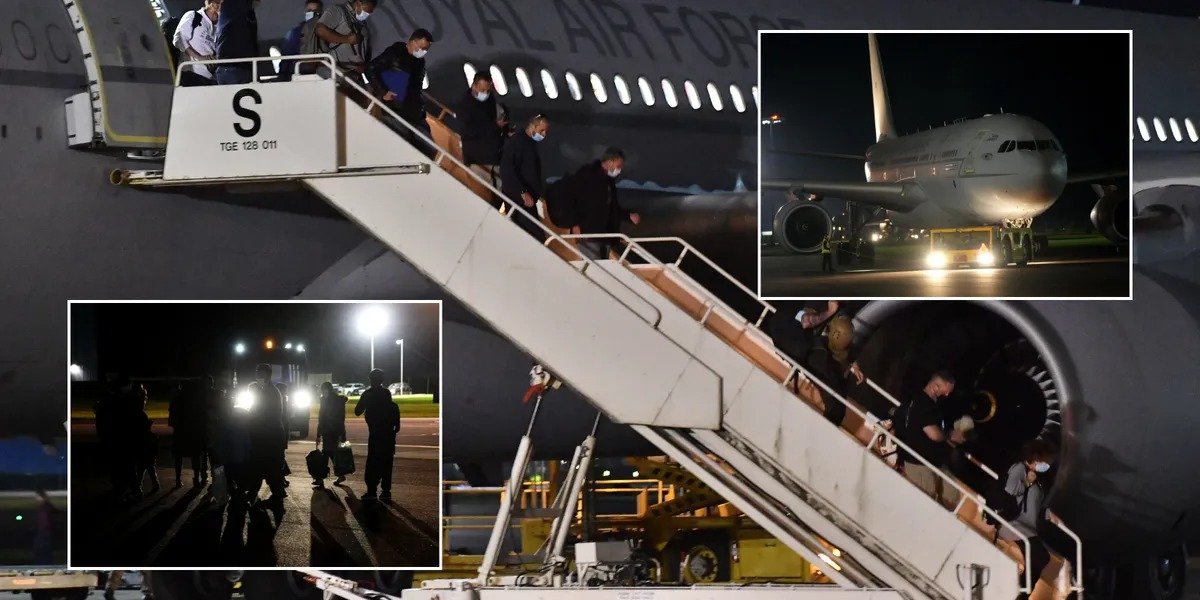
The consequences were immense. The data leak instantly exposed thousands of Afghans who had cooperated with the British military, placing them and their families at grave risk of reprisals from the Taliban. It forced ministers into an emergency relocation plan that the committee describes as both costly and opaque, with officials struggling to account fully for the financial implications. The MoD initially estimated the five-year cost of the relocation scheme at £850 million, but MPs now say this figure does not include potential compensation claims or the expenses associated with legal action arising from the breach. Nor does it capture the practical and humanitarian challenges of resettling tens of thousands of people who had every reason to believe they were protected by the British state.
What has made the episode even more contentious is that it was kept hidden from the public for 683 days. The decision by two successive governments to impose an unprecedented super-injunction prevented any reporting on the breach, effectively shielding the Ministry from scrutiny while emergency support operations were quietly unfolding behind the scenes. That legal order was eventually overturned following a challenge from The Telegraph and other media organisations, who argued that public interest in the scale and seriousness of the incident outweighed the Government’s case for secrecy.
The committee’s report points out that warning signs were evident long before the 2022 breach. In 2021, the MoD reported data incidents to the Information Commissioner’s Office that were significant enough to draw formal attention and raise alarms about the Ministry’s practices. One of those incidents led to a £350,000 fine in 2023 after the personal details of Afghans fleeing the Taliban were accidentally shared with 245 email recipients. MPs say these earlier episodes should have prompted urgent reform. Instead, the Ministry continued to rely on spreadsheets and inadequate internal control systems at a time when it was handling some of the most sensitive information in government.
Sir Geoffrey Clifton-Brown, the committee’s chairman and a long-serving Conservative MP, said the findings painted a picture of a department that had resisted necessary changes despite clear evidence of escalating danger. Speaking after the release of the report, he warned that the MoD’s repeated failures had placed thousands of lives at risk and left taxpayers facing a bill running into hundreds of millions of pounds.
He noted that the committee had “no confidence” that such a breach could not happen again, adding that the Ministry’s culture, processes and oversight mechanisms remained too weak to prevent further exposure of personal information. He argued that the reliance on outdated systems like Excel, while simple and familiar to many staff, was wholly inappropriate for handling the confidential details of individuals seeking protection from a hostile regime.
The MPs’ findings have reignited questions about how government departments manage critical information and whether sufficient investment has been made in secure digital infrastructure, particularly in areas involving refugees, defence personnel, and confidential operational data. While the MoD has pointed to improvements since the breach, including the introduction of a new secure casework system specifically for Afghan resettlement, the committee maintains that these changes have been slow, insufficient and reactive rather than proactive.
In response to the report, a spokesman for the Ministry of Defence acknowledged that the 2022 incident “should never have happened” and said the department was continuing to make improvements. He insisted that the Government had never hidden the overall cost of Afghan resettlement, noting that spending figures were published in the 2024 audit, and reiterated that the estimated £850 million cost of the Afghanistan Response Route scheme remained accurate. He also defended the decision to lift the super-injunction earlier this year, describing it as an important step in enabling public and parliamentary scrutiny.

While the Government maintains that it is taking steps to prevent such failings from recurring, the committee’s judgment underscores a deeper problem: a culture within parts of the MoD that has been slow to adapt to the complexities of modern data security. The report describes a “failure to learn lessons” that extended across several years and multiple departments, suggesting that the Afghan data breach was not simply a technical error but a symptom of wider institutional shortcomings.
For the thousands of Afghans whose names were exposed, many of whom had risked their lives to support British forces, the impact of the breach has been profound. Relocation to the UK has offered safety for some, but many remain in precarious situations, separated from families or still waiting for the full support they were promised. The leak also placed enormous pressure on refugee services, legal advisors and humanitarian organisations, which have spent the last three years working to protect those whose identities were compromised.
As Britain continues to process the long aftermath of the breach, the Public Accounts Committee’s report serves as a stark reminder of the human cost of failing to protect sensitive information. Beyond the financial burden and political ramifications, the episode highlights the essential responsibility that government departments bear when handling the personal details of vulnerable individuals. The MoD’s challenge now is to demonstrate that it has not only understood the seriousness of its past mistakes but is capable of preventing history from repeating itself.
Related News:
 British Woman in Iran ‘Losing Hope’ Amid Ongoing Detention
 BBC Journalist Held and Interrogated in Vietnam
 Boris Johnson: Tories Risk Election Loss if They ‘Bash the Green Agenda’
 Green Party Surges Past Labour in Latest UK Poll
 Celebrities and Charities Demand UK Government Act on Child Poverty
 Sultana says new party is aiming to ‘run government’
 Reform Councillor Defects to Tories Over ‘Uncomfortable’ Policies
 Experts Question HMRC Over Possible Child Benefit Privacy Breach
 Trump’s UK Ambassador Urges North Sea Drilling to Strengthen US Ties
 FBI Director Kash Patel Defends Girlfriend Amid Government Jet Claims
 Phillipson urges careful review of gender recognition guidance
 French Taxi Driver Cleared in David Lammy Theft Case After Fare Dispute
 Rachel Reeves Set to Break Labour Pledge and Raise Income Tax
 Thinktanks Urge Rachel Reeves to Reform UK Tax System
 Who is Rama Duwaji? What Zohran Mamdani’s wife has said about Gaza and ICE as he’s elected NYC mayor
 Company linked to Michelle Mone owes £39m in tax
 Lancashire council plans to close care homes and day centres
MPs Press Rachel Reeves to Hike Gambling Taxes
Lancashire council plans to close care homes and day centres
MPs Press Rachel Reeves to Hike Gambling Taxes
 Met Police Culture Makes Racial Harm ‘Inevitable’
 Nicola Sturgeon Urges SNP to Oppose New Oil Fields
 Lisa Nandy Broke Rules by Appointing Donor as Football Regulator
 Eleven Arrested After Pro-Palestine Protest at Villa Match
 Labour Falls to Fourth in Poll, Faces Historic Election Loss
Boris Johnson accused of undermining BBC leadership
Labour Falls to Fourth in Poll, Faces Historic Election Loss
Boris Johnson accused of undermining BBC leadership
 Remaining rebel Labour MPs have whip restored
 Cuts to home insulation funding threaten UK climate goals
 Tim Davie resigns as BBC director general amid bias claims
 ‘Reckless’ cuts to victims’ services will cost more than they save
 BBC director-general and news chief resign amid bias row
 Millionaires group urge Reeves to introduce wealth tax to ‘lift kids out of poverty’
 Starmer Faces Growing Dissent as Labour MPs Weigh Leadership Challenge
 BBC Faces Backlash as Reform UK Withdraws from Film
 Tim Davie Defends BBC Amid Bias Scandal Storm
 Reeves rejects £1bn plea for NHS redundancy payouts
 Farage appointee to lead Reform youth accused of anti-British views
 Palace to reinstate hyphen in Andrew’s surname
Donald Trump threatens BBC over edited speech
Palace to reinstate hyphen in Andrew’s surname
Donald Trump threatens BBC over edited speech
 British state supplied victims to ‘worst sex offender in history’
 Politics latest: Starmer ‘will fight any leadership coup’ as Streeting denies attempt to oust Labour PM
 PM Condemns Leaks, Vows Loyalty to Ministers and Stability
 Major Rent Reform Ends No-Fault Evictions in England
 Peers Flood Assisted Dying Bill with 942 Amendments
 England’s Special Needs Support Faces Breaking Point
 Your Party Turmoil Deepens Over Withheld Donations
 UK Unveils Fast-Track Deportation and Asylum Overhaul
 Crowborough Protest Over Plan to House 600 Asylum Seekers
 UK Asylum Overhaul Sparks Debate Over Human Rights and Deportations
 UK Asylum Reforms: Temporary Refugee Status and Faster Deportations
 UK Candidate Moved to Safe House After Election Threats
 Mahmood Defends Tough Overhaul of UK Asylum System
 Scottish Ministers Express Alarm Over UK Asylum Reforms
 UK Warns China After MI5 Issues Espionage Alert
 Westminster Advances Legacy Bill Amid Criticism
 Minister Defends Tough New Asylum Reform Plan
 UK Net Migration Falls Sharply After ONS Revisions
 UK Vulnerable to Attack, Defence Committee Finds
 Labour Faces Historic Decline in Wales
 Rama Rebukes Mahmood for Targeting Albanian Families
 Russian Vessel Used Lasers on RAF Pilots, UK Claims
 PM Shares Emotional Letter to Son on Men’s Struggles
 MP Offers Seat to Help Burnham Challenge Starmer
 PM Highlights UK Business at G20 in South Africa
 Boris Johnson Oversaw Toxic No 10 Culture, Covid Inquiry Finds
 Kate Forbes: Motherhood Harder Than Politics
 Welsh Government Christmas 2020 Lockdown Criticised
Reeves to Crack Down on Benefit Fraud While Lifting Two-Child Limit
Welsh Government Christmas 2020 Lockdown Criticised
Reeves to Crack Down on Benefit Fraud While Lifting Two-Child Limit
 BBC to Expand Standards Panel and Create Deputy Director Role
 Most Tories Expect to Support a Farage-Led Government
 BBC Chairman Faces Scrutiny Over Bias Claims
 Labour MP claims devolution bill is ‘blatant discrimination’ against Cornwall
 English Mayors Set to Introduce Tourist Taxes
 Ex-Classmate Accuses Farage of Dishonesty on Racism Claims
 Millions Face Higher Taxes Under Reeves New Budget
 Peers Get Extra Time to Debate Assisted Dying Bill
 Planned Palestinian Flag Raising at Belfast City Hall Faces Delay Amid Legal Concerns
 Ex-Brexit MEP Rejects Claim of Pro-Russia Payments
 Labour U-turn: Unfair Dismissal Rights Delayed Six Months
 Government righting decades-old injustice for miners
 UK refugee resettlement under UN schemes drops sharply in one year
 UK delays ruling on China embassy plan until January