Published: 18 November 2025 Tuesday. The English Chronicle Desk. The English Chronicle Online
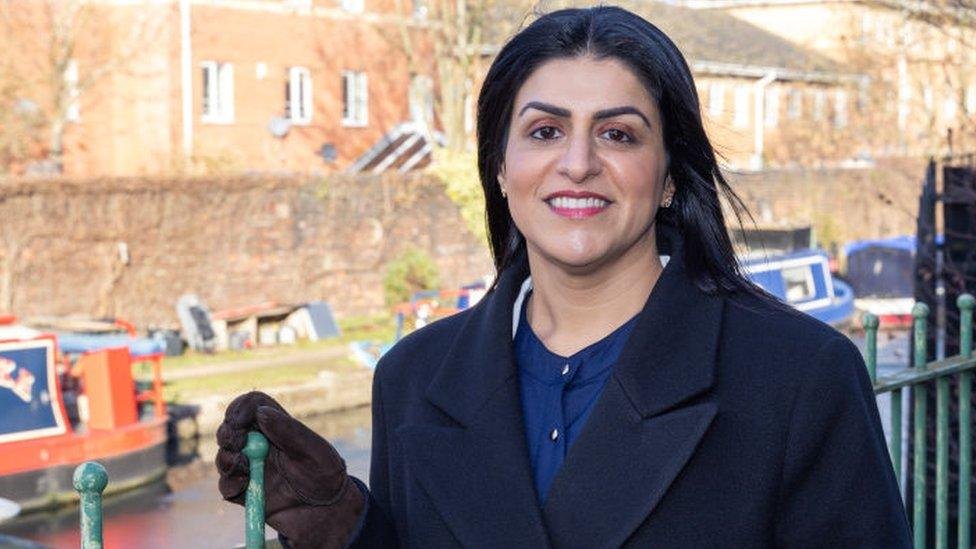
Home Secretary Shabana Mahmood has mounted a robust defence of the government’s far-reaching overhaul of the United Kingdom’s asylum system, describing the current situation as “out of control and unfair” as she presented the reforms in the House of Commons. Speaking with urgency during a charged parliamentary session, Mahmood warned that failure to take decisive action would fuel social division and jeopardise long-term public support for offering protection to those fleeing war and persecution.
Mahmood told MPs that the nation stood at a crossroads. She argued that the asylum system, as currently structured, was failing both claimants and the British public as backlogs grew, costs soared, and local services struggled to cope. “If we fail to deal with this crisis,” she said, “we will draw more people down a path that starts with anger and ends in hatred.” Her remarks set the tone for a debate that quickly exposed deep divisions within her own party and across the Commons.
The government’s plans represent one of the most sweeping restructurings of asylum policy in decades. Under the proposals, refugee status would no longer grant long-term certainty. Instead, protection would become temporary, requiring renewal every 30 months. This is half the current interval, and ministers argue it allows the UK to reassess conditions in an individual’s home country more frequently. In cases where stability has returned, refugees could be returned rather than being granted an automatic route to permanence. In addition, the threshold for applying for permanent residence would rise dramatically from five years to 20, fundamentally reshaping the long-term prospects of many granted asylum.

Guaranteed housing support for asylum seekers would also come to an end. Ministers say the new model aims to reduce reliance on costly taxpayer-funded accommodation. Those with income or assets, including money received from abroad, would be expected to contribute to the cost of their stay. Mahmood highlighted what she described as a “glaring absurdity” under the existing rules, recounting the case of an asylum seeker who, despite receiving £800 a month and owning an Audi, was still entitled to free housing because the courts had determined the government lacked the power to intervene.
The policy document, published hours before Mahmood addressed MPs, also outlines new “safe and legal routes” capped annually and designed to give community organisations a greater role in supporting refugees. The government argues these routes will allow the UK to retain control of migration flows while helping those in greatest need.
Yet the proposals triggered an immediate backlash from some Labour MPs, who condemned the changes as unfair, ineffective and morally questionable. Nadia Whittome, the MP for Nottingham East, delivered one of the sharpest criticisms, declaring the plans “dystopian” and “shameful.” Other Labour figures echoed concerns that temporary protection could leave vulnerable people trapped in perpetual uncertainty. Tony Vaughan, both an MP and an immigration lawyer, warned that repeated reviews of refugee status would create “a situation of perpetual limbo and alienation.” Richard Burgon, the MP for Leeds East, said the measures would “push away Labour voters” and urged the government to abandon what he called a misguided approach before it was forced into a U-turn.
Some Labour MPs, however, voiced support for Mahmood’s stance. Chris Murray told BBC Radio 5 Live that the system had to be fair “otherwise it’ll collapse, and there’s nothing progressive about letting that happen.” Graham Stringer, representing Blackley and Middleton South, said the home secretary was “going down the right track,” though he added that any progress could be undermined if the UK remained bound by the European Convention on Human Rights. Concerns about the ECHR were echoed by Conservative leader Kemi Badenoch, who described Mahmood’s reforms as “positive baby steps” but warned they would “be doomed to fail” without further steps to withdraw from the treaty.

The reforms include sharper tools for enforcing removals, including proposed changes to the way the UK interprets the European Convention on Human Rights and the Modern Slavery Act. Mahmood argued that both frameworks had been used in ways that hindered legitimate efforts to remove people who no longer had a right to remain. To increase cooperation from foreign governments, she issued a blunt warning to Angola, Namibia, and the Democratic Republic of Congo, threatening to suspend visa issuance to their citizens unless they improved collaboration on deportations.
The political dynamics around the reforms have also drawn attention. Over the past year, the government has faced a series of setbacks after being forced to retreat on policies such as welfare cuts and changes to the winter fuel payment due to internal resistance. Badenoch, aware of these fractures, told Mahmood that Conservative votes “may come in handy” if Labour backbench opposition grows. Her comments highlighted the unusual position of the home secretary, who may need opposition support to pass measures introduced by her own party.
Outspoken reaction also came from smaller parties. Liberal Democrat home affairs spokesman Max Wilkinson praised the creation of new safe routes but accused Mahmood of “stoking division” through “immoderate language.” Mahmood swiftly rejected this, pointing to the racist abuse she faces regularly, describing the hate speech and slurs directed at her and noting that many people tell her to “go back home.” She argued that anyone who had first-hand experience of such hostility would understand the urgent need to rebuild public confidence in the asylum system.
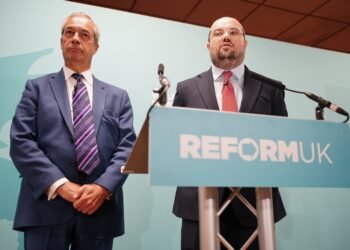
Reform UK leader Nigel Farage described Mahmood’s “strong language” as unusual for Labour and jokingly suggested she might be “auditioning” for his party. Yet he expressed doubt that the policies would survive legal challenges or internal Labour dissent. Zack Polanski, co-leader of the Green Party of England and Wales, was scathing, telling BBC Newsnight that the plans were “extreme” and “inhumane,” calling the government “cowards” for targeting “people fleeing war and conflict.”

As criticism and support clashed in the political arena, humanitarian organisations stressed that the reforms misunderstood the motivations behind asylum journeys. Enver Solomon, chief executive of the Refugee Council, argued that tightening rules would do little to stop people fleeing danger. He said asylum seekers primarily choose the UK due to family links, existing communities, or English-language familiarity, all rooted in the nation’s colonial history and global connections.
Government data underscores the scale of the challenge. So far this year, 111,800 people have claimed asylum in the UK. Of those, 39 percent arrived in small boats, while 37 percent entered legally through visas before claiming asylum once inside the country. Ministers say the new system aims to reduce overall arrivals and increase the number of people removed after unsuccessful claims.
Speaking to the BBC after her Commons appearance, Mahmood insisted the reforms were not just a policy priority but a “moral mission.” She said that unless the government acted now, public support for the asylum system itself could collapse, endangering what she described as “something brilliant about this country.” While acknowledging the concerns of some Labour MPs, she maintained that “the vast majority of my colleagues agree with me.”
As Parliament prepares for further debates and legal experts examine the implications of the proposed reforms, the direction of the UK’s asylum policy remains in flux. What is clear is that Mahmood has staked significant political capital on reasserting control over a system she believes is nearing breaking point. Whether her reforms will win sufficient support—both inside Westminster and across the wider nation—may shape Britain’s approach to refugees and migration for a generation.
Related News:
 Tories Push to Dilute Labour’s Workers’ Rights Bill
 It’s time to come clean on the China spy case
 Rachel Reeves Admits Renting Home Without Required Licence
 Experts Question HMRC Over Possible Child Benefit Privacy Breach
 Phillipson urges careful review of gender recognition guidance
 French Taxi Driver Cleared in David Lammy Theft Case After Fare Dispute
 Met Police Culture Makes Racial Harm ‘Inevitable’
 Remaining rebel Labour MPs have whip restored
 Tim Davie resigns as BBC director general amid bias claims
 Palace to reinstate hyphen in Andrew’s surname
 BBC Apologises to Trump but Rejects $1bn Compensation Claim
 Major Rent Reform Ends No-Fault Evictions in England
 Peers Flood Assisted Dying Bill with 942 Amendments
 Your Party Turmoil Deepens Over Withheld Donations
 UK Unveils Fast-Track Deportation and Asylum Overhaul
 UK Asylum Overhaul Sparks Debate Over Human Rights and Deportations
 UK Asylum Reforms: Temporary Refugee Status and Faster Deportations
 Scottish Ministers Express Alarm Over UK Asylum Reforms
 Westminster Advances Legacy Bill Amid Criticism
 Minister Defends Tough New Asylum Reform Plan
 UK Net Migration Falls Sharply After ONS Revisions
 Peers Get Extra Time to Debate Assisted Dying Bill
 Tasers Introduced in UK Prisons to Combat Rising Violence and Protect Staff
 Police Advised to Disclose Ethnicity of Suspects in High-Profile Cases
 Angela Rayner Faces Scrutiny as Stamp Duty Row Deepens
 Tanni Grey-Thompson Faces Abuse Over Opposition to Assisted Dying Bill
 Corbyn and Sultana Clash Over Membership Portal as Divisions Surface in New Leftwing Party
 Mahmood Pledges Reform of Modern Slavery Laws After Court Blocks Deportation Appeal
 Migrants in UK May Need to Contribute or Face Removal, Home Secretary Signals
 Jailed Georgian Opposition Leaders Warn UK of Iranian Links to Ruling Party
 Digital ID Plans Ignite Debate Over £600m Treasury Tax Boost and Privacy Concerns
 British Woman in Iran ‘Losing Hope’ Amid Ongoing Detention
 Johnson Approved China’s London ‘Super-Embassy’ in 2018
 BBC Journalist Held and Interrogated in Vietnam
 Green Party Surges Past Labour in Latest UK Poll
 Celebrities and Charities Demand UK Government Act on Child Poverty
 Afghan man charged with murder after west London knife attack
 Trump’s UK Ambassador Urges North Sea Drilling to Strengthen US Ties
 FBI Director Kash Patel Defends Girlfriend Amid Government Jet Claims
 Just Stop Oil Protesters Convicted Amid Climate Defence Row
MPs Press Rachel Reeves to Hike Gambling Taxes
Just Stop Oil Protesters Convicted Amid Climate Defence Row
MPs Press Rachel Reeves to Hike Gambling Taxes
 Newcastle United Lifts Ban on Fan Over Gender-Critical Views
Boris Johnson accused of undermining BBC leadership
Newcastle United Lifts Ban on Fan Over Gender-Critical Views
Boris Johnson accused of undermining BBC leadership
 King Charles to Lead Nation in Remembrance Sunday Service
 ‘Reckless’ cuts to victims’ services will cost more than they save
 Government urges schools to ban phones to curb classroom disruption
 Millionaires group urge Reeves to introduce wealth tax to ‘lift kids out of poverty’
 Starmer Faces Growing Dissent as Labour MPs Weigh Leadership Challenge
 Reeves rejects £1bn plea for NHS redundancy payouts
 Farage appointee to lead Reform youth accused of anti-British views
 Politics latest: Starmer ‘will fight any leadership coup’ as Streeting denies attempt to oust Labour PM
 Pop Stars Call on UK Government to Cap Resale Prices for Fans
 PM Condemns Leaks, Vows Loyalty to Ministers and Stability
 England’s Special Needs Support Faces Breaking Point
 US Justice Department Files Lawsuit Against California Over Partisan Voting Maps
 MoD warned over Excel risks before Afghan data breach
 Trump Deploys DHS to Charlotte in Major Arrest Operation
 UK Candidate Moved to Safe House After Election Threats
 Paralegal Fired After Exposé on Illegal Worker Scam
 South African Detained After Neo-Nazi Rally in Australia
 UK Warns China After MI5 Issues Espionage Alert
 Federal Court Blocks Texas Republican Maps Over Racial Bias
 Only One Republican Opposes Mass Release of Epstein Files
 UK Vulnerable to Attack, Defence Committee Finds
 Labour Faces Historic Decline in Wales
 Rama Rebukes Mahmood for Targeting Albanian Families
 Russian Vessel Used Lasers on RAF Pilots, UK Claims
 Serial Rapist and Former Cop Found Guilty Again
 PM Highlights UK Business at G20 in South Africa
 Kate Forbes: Motherhood Harder Than Politics
 Welsh Government Christmas 2020 Lockdown Criticised
Reeves to Crack Down on Benefit Fraud While Lifting Two-Child Limit
Welsh Government Christmas 2020 Lockdown Criticised
Reeves to Crack Down on Benefit Fraud While Lifting Two-Child Limit
 Most Tories Expect to Support a Farage-Led Government
 Labour MP claims devolution bill is ‘blatant discrimination’ against Cornwall
 Millions Face Higher Taxes Under Reeves New Budget
 Planned Palestinian Flag Raising at Belfast City Hall Faces Delay Amid Legal Concerns
 Government righting decades-old injustice for miners
 Virgin Media Fined £23.8m Over Telecare Safety Failures
 Chinese & Japanese Boats Clash Near Disputed Islands
 UK delays ruling on China embassy plan until January