Published: 20November 2025 Thursday . The English Chronicle Desk. The English Chronicle Online
David Carrick, the former Metropolitan Police officer whose name has become synonymous with some of the most appalling breaches of trust in recent British policing history, has been found guilty of additional sexual offences, reinforcing the shocking scale and duration of his criminal conduct. Already serving a life sentence for a litany of sexual crimes, Carrick’s latest convictions reveal a pattern of abuse that spans decades and involves multiple victims, including a minor and a former intimate partner.
The 50-year-old, who had once served in the Metropolitan Police, has now been convicted by jurors at the Old Bailey for nine further sexual offences. These include the indecent assault of a girl aged just 12 in the late 1980s, when Carrick himself was a teenager, and the rape and sexual assault of a woman during a relationship more than 20 years later. The latest verdicts were delivered after five hours of jury deliberation, underscoring the gravity and clarity of the evidence presented against him.
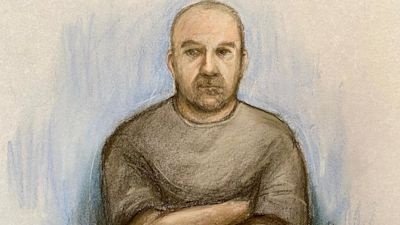
Carrick, who hails from Stevenage, was escorted into the courtroom in a suit and tie, flanked by four prison officers. Throughout the reading of the verdicts, he repeatedly shook his head, a gesture of either disbelief or defiance. Despite his long history of abuse being made public, the courtroom remained tense as the full extent of his actions was acknowledged by the jury.

The specific offences for which he has now been found guilty include five counts of indecent assault against a girl under 16, committed between April 1989 and August 1990, as well as two counts of rape against an adult woman, one occurring between December 2014 and April 2016, and the other between January and December 2019. Additionally, he was found guilty of sexual assault and coercive and controlling behaviour in relation to the same woman between 2016 and 2019, reflecting an ongoing pattern of domination and abuse.
Carrick’s criminal record is already among the most serious in recent UK history. He is serving a minimum term of 32 years in prison, having previously admitted to 71 separate offences of sexual violence spanning a 17-year period. His crimes, committed while he was a serving police officer, have cast a long shadow over the force, raising questions about vetting procedures, internal oversight, and the culture that allowed such abuse to continue unchecked for so long.
Shilpa Shah, the lead prosecutor representing the Crown Prosecution Service, highlighted the critical importance of the latest convictions. She stated that the evidence given by the victims was compelling and underscored the relentless abuse they endured without their consent. One of the victims, a minor at the time of her assault, faced harassment and violation at an age when she was particularly vulnerable. The other victim, abused by Carrick while he held a position of authority within the police, faced an additional layer of betrayal, as the perpetrator was sworn to uphold the law.

Shah emphasised that prosecuting Carrick a second time was necessary not only to reflect the severity of his actions but also to address the public interest, given that some offences were committed while he was a senior officer. The prosecutions ensure that the full scope of his offending—spanning decades—is now legally recognised, providing a degree of closure to victims and reinforcing societal condemnation of such abuse.
The Old Bailey trial revealed stark details of Carrick’s manipulative and predatory behaviour. Evidence presented in court showed a calculated pattern of grooming, coercion, and sexual assault that continued over extended periods. Despite the decades that have passed since his earliest known offences, the consistency of his behaviour underscores the importance of long-term accountability and the challenges victims face in coming forward against powerful figures.
During the court proceedings, jurors examined witness testimony and historical evidence to reconstruct the timeline of abuse. The testimonies highlighted not only the immediate impact of Carrick’s actions but also the enduring psychological harm suffered by the victims. Expert witnesses provided context on the trauma associated with prolonged abuse, especially when inflicted by someone in a trusted position of authority.
Carrick’s conduct has been described as a profound betrayal of trust, not just towards his victims but towards the institution he served. The Metropolitan Police, a body entrusted with protecting the public, has faced intense scrutiny as a result of his actions. Internal reviews and investigations into how Carrick was able to commit crimes over such an extended period have revealed systemic failings in supervision, reporting mechanisms, and the safeguarding of vulnerable individuals.
Public reaction to the latest convictions has been one of outrage and disbelief. Many have expressed concern about how someone in a position of power and responsibility could perpetrate such crimes over decades. The case has reignited debate over the need for robust vetting procedures, better support for whistleblowers, and independent oversight within law enforcement agencies.

Carrick’s victims, who courageously gave testimony despite the personal cost, have been central to ensuring justice is served. Their willingness to recount painful experiences in a public forum has enabled the legal system to fully assess the breadth of Carrick’s offending. The CPS emphasised that these prosecutions serve as both a statement of justice for the victims and a deterrent to potential offenders, reinforcing that abuses of power will not be tolerated.
The sentencing for these additional convictions is scheduled for Thursday, when the court will consider the cumulative weight of Carrick’s offences. Legal experts anticipate that the sentence may extend his current custodial term, further reinforcing the seriousness of his crimes and the long-term societal imperative to safeguard against similar abuse in the future.
This latest development serves as a stark reminder of the importance of transparency, accountability, and rigorous oversight in institutions charged with public safety. It also highlights the resilience of survivors who, even decades later, have come forward to confront perpetrators and seek justice. As the legal process concludes, attention will inevitably turn to institutional reforms, support for victims, and broader strategies to prevent abuse within policing and other positions of authority.
David Carrick’s conviction, adding to the extensive catalogue of sexual offences he has already admitted or been found guilty of, reinforces a critical message: the law will pursue justice irrespective of the status or position of the offender. The case continues to resonate as one of the most significant and disturbing in recent UK legal history, illustrating both the depths of predatory abuse and the capacity of the legal system to hold perpetrators accountable.
Related News:
 Man Arrested Over Manchester Synagogue Terror Attack
 Twelve Prisoners Released in Error, Two Still Missing
 UK Police to Gain New Powers to Manage Repeated Protests, Home Office Announces
 Asylum Seeker Accused of Walsall Murder Seen Elated Post-Attack
 Five More Prisoners Freed by Mistake in Essex Week
 Nearly 48,000 Zombie Knives Removed from UK Streets in a Year
 Afghan man charged with murder after west London knife attack
 Man Charged Over Cambridgeshire Train Stabbing
 Pregnant UK Teen to Be Freed from Georgian Jail
 French Taxi Driver Cleared in David Lammy Theft Case After Fare Dispute
 Just Stop Oil Protesters Convicted Amid Climate Defence Row
 Lammy ‘misinformed’ over Wandsworth prisoner releases
 Met Police Culture Makes Racial Harm ‘Inevitable’
 British Grandmother to Return Home After Death Sentence in Bali
 Bar Council urges legal aid for all domestic abuse family cases
 Judges to Decide Fate of Chief Constable Guilty of Contempt
 ‘Fake Admiral’ Sparks Outrage at Remembrance Event
 UK Asylum Reforms: Temporary Refugee Status and Faster Deportations
 Paralegal Fired After Exposé on Illegal Worker Scam
 Dan Wootton Rejects Catfishing Allegation in Court
 Mahmood Announces Temporary Refugee Status Plan
 Mother Watches in Horror as Teen Daughter Dies on Tracks
 South African Detained After Neo-Nazi Rally in Australia
 Minister Defends Tough New Asylum Reform Plan
 UK Net Migration Falls Sharply After ONS Revisions
 Court to Hear Challenge to Wimbledon Expansion Plan
 Two Officers Injured After Van Deliberately Rams Patrol Car
 Trump Slams Democrats With ‘Seditious’ Death Claim
 Gardener Guilty of Brutal Attack on Teacher Partner
 Ex-Classmate Accuses Farage of Dishonesty on Racism Claims
 15-Year-Old Arrested After Sheffield Shooting Leaves Teen Critical
 Inquiry Opens Into Disgraced Surgeon Eljamel Scandal
 Runaway Driver Caught by DNA Evidence
 Peers Get Extra Time to Debate Assisted Dying Bill
 Sudanese Family Vows to Stay After Racist Graffiti
 Ex-Brexit MEP Rejects Claim of Pro-Russia Payments
 Second homes curbs quashed in Gwynedd legal ruling
 Tasers Introduced in UK Prisons to Combat Rising Violence and Protect Staff
 Northern Ireland Family of Three Shot Dead in Maguiresbridge Home Incident
 Targeted Attack in Bury Sparks Murder Investigation as Community Awaits Justice
 Man Remanded After Children Fall Ill at Leicestershire Summer Camp in Shocking Child Cruelty Case
 Merseyside Police Helicopter Crew Cleared After Low-Altitude Pursuit of Suspect
 UK Launches Major Crackdown on Networks Profiting from Online Child Sexual Abuse
 No Evidence Found to Substantiate Alleged Rape in Oxfordshire Churchyard, Police Confirm
 Peterborough Mosques Tighten Security After Attack
 Badenoch Warns Farage’s Grooming Gangs Plan Could Backfire
 Hospice Cuts Raise Alarm Across England Amid Funding Crisis
 FBI Director Kash Patel Defends Girlfriend Amid Government Jet Claims
 Police Probe Four Knife Incidents Linked to Cambridgeshire Train Attack
 UK Bans Fake Numbers: Scammers Lose Their Trick
 Jailed UK climate protesters face extremist-style restrictions
 King Charles to Lead Nation in Remembrance Sunday Service
 How to get help when a child goes missing – call 999 urgently
 ‘Reckless’ cuts to victims’ services will cost more than they save
 Shouting Works Best to Deter Gulls, UK Study Finds
 Mary Earps’s Manchester United Return Faces Mixed Reception
 Sam Kerr Stars in Chelsea Return with Champions League Double
 Pop Stars Call on UK Government to Cap Resale Prices for Fans
 PM Condemns Leaks, Vows Loyalty to Ministers and Stability
 Son Reveals UK Couple in Iran Resort to Hunger Strike for Help
 Major Rent Reform Ends No-Fault Evictions in England
 Peers Flood Assisted Dying Bill with 942 Amendments
 US Justice Department Files Lawsuit Against California Over Partisan Voting Maps
 Oklahoma Governor Grants Last-Minute Clemency to Death Row Inmate
 Former Lion Heskey Warns of Shortage of England Strikers
 Rio Raid’s Death Toll Raises Questions About Gang Impact
 Criminal Gangs Pose as Truckers to Hijack UK Supply Chains
 Stroke Patient Mistaken for Drunk, Care Delayed
 Charlotte Raids: 130 Arrested in Major Immigration Sweep
 Van Dwellers Face Eviction After Park Misuse Sparks Outcry
 Commuters warned as yellow snow and ice alert hits Northern Ireland
 Man Charged Over Attempted Murder of Senior Officer
 Venezuela Threatens Nobel Winner Machado with Fugitive Status
 Trump Envoy to Discuss Ukraine Peace at Kremlin
 Millions Face Higher Taxes Under Reeves New Budget
 Planned Palestinian Flag Raising at Belfast City Hall Faces Delay Amid Legal Concerns
 Two National Guard Soldiers Critically Injured Near White House
 Machynlleth High Street Left Without Christmas Lights
 Search underway for British man overboard off Tenerife
 Virgin Media Fined £23.8m Over Telecare Safety Failures