Published: 20 November 2025 Thursday . The English Chronicle Desk. The English Chronicle Online
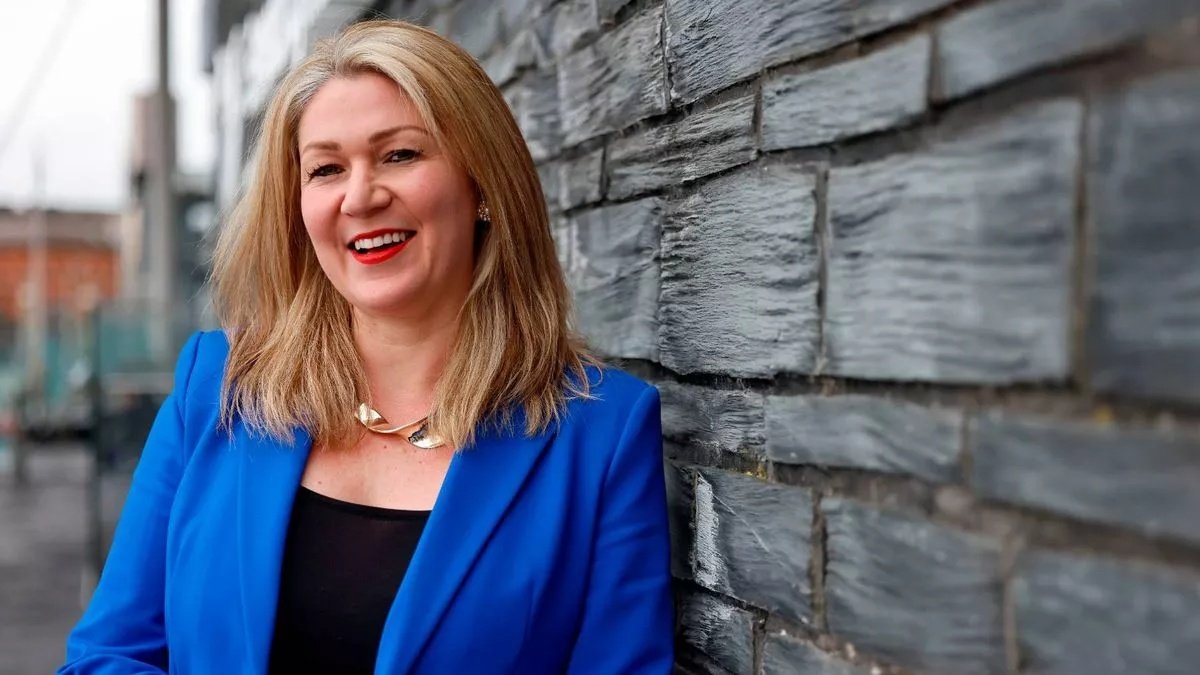
A Reform Party politician has been suspended from the Welsh Parliament for two weeks after using a racial slur to describe Chinese people, an incident that has prompted widespread criticism and a discussion about conduct in public office.
Laura Anne Jones, the only Reform member in the Senedd, will be banned from participating in parliamentary proceedings for 14 days, with her pay docked during this period. The suspension follows an investigation into her behaviour, which included offensive comments sent via a WhatsApp chat in August 2023.
In an emotional statement delivered from the Senedd chamber, Jones apologised for breaching the parliament’s code of conduct and acknowledged the seriousness of the incident. She also spoke candidly about the personal toll the controversy had taken on her mental health and family life.
Jones stated that the investigation into the WhatsApp messages coincided with separate allegations over expenses claims, which she was ultimately cleared of following police and Senedd standards commissioner inquiries. However, she said the prolonged scrutiny of these claims over nearly two years had “a hugely detrimental effect on my mental health” and had deeply affected her children.
The incident has shone a spotlight on standards of behaviour in the Senedd and the responsibilities of elected representatives to uphold respect and inclusivity in both public and private communications. According to Senedd standards commissioner Douglas Bain, Jones was found to have made offensive remarks on WhatsApp and also failed to act when a member of her staff made similarly inappropriate comments on the same messaging platform.
During the committee session, Labour’s Hannah Blythyn, chair of the standards committee, emphasised the seriousness of the breach. She stated: “The committee considers a breach of the code of conduct by any member of the Senedd a serious matter. We are clear that inappropriate and offensive comments have no place in our Senedd or in wider society.”

Blythyn added that the conduct outlined in the commissioner’s report reflected poorly not only on Jones as an individual but also on the office environment, pointing to a culture in which there was insufficient respect for others and inadequate consideration for what might be offensive.
Jones addressed her colleagues in the chamber, apologising for the remarks she had made. She also highlighted the intense stress and scrutiny caused by the separate expenses allegations, explaining that the combination of both issues had led her to experience periods of deep despair. “They had a negative impact on my family, especially my children, as well as a hugely detrimental impact on my own health and mental health,” she said. “It has taken a significant toll on me, which led me to try and drown out that noise and nearly take my own life a number of times.”
In her statement, Jones reflected on the personal challenges of balancing public office with private life under intense scrutiny. She noted that the pressure and public attention surrounding the allegations had been overwhelming, adding: “Hasten to say, I wouldn’t wish what I’ve had to experience on my worst enemy.”
Under the terms of the suspension, Jones will be barred from participating in any Senedd proceedings until Wednesday, 3 December. Once this period concludes, she will be able to resume her duties and represent her constituency in South Wales East.
The incident also marks a notable moment in the political landscape of Wales. Jones was elected as a Conservative member of the Senedd but defected to the Reform Party in July, giving the party a presence in Cardiff Bay for the first time. Her suspension underscores the scrutiny Reform faces as a smaller party navigating the political arena, particularly when incidents involve questions of conduct and adherence to parliamentary standards.
The case has sparked broader discussions about the use of messaging apps and private communications by public officials. While many politicians regularly engage in informal communication, the controversy surrounding Jones highlights the potential consequences of inappropriate language and the enduring impact of comments that are discriminatory or offensive.
Experts on political conduct note that the case illustrates the growing expectations of accountability for elected officials. The standards imposed by the Senedd aim to ensure that all members maintain respect, integrity, and professionalism, both in their official duties and personal conduct.

Jones’ suspension, while temporary, serves as a reminder that breaches of the code of conduct can carry tangible consequences, including restrictions on parliamentary participation and financial penalties. It also demonstrates the ongoing efforts of the Senedd to reinforce ethical standards and to respond decisively to incidents of offensive behaviour.
While Jones expressed remorse and apologised to both the chamber and the public, the suspension is likely to influence perceptions of her political career and the credibility of the Reform Party in Wales. Analysts suggest that political figures facing disciplinary action must carefully navigate both public relations and the restoration of trust with constituents, colleagues, and the wider community.
The case has also prompted discussions about support systems for politicians facing mental health challenges. Jones’ openness about the toll the investigation took on her mental well-being has brought attention to the pressures faced by elected officials, who often work under intense scrutiny and in highly demanding environments. Advocates for mental health in politics emphasise the importance of accessible counselling, peer support, and mechanisms to manage stress and public pressure effectively.
In addition to the immediate consequences for Jones, the incident is likely to inform future debates on political conduct, inclusivity, and accountability. The commissioner’s report and the committee’s findings underscore the need for elected representatives to consider the broader impact of their words and actions, both in official capacities and private communications.
As Jones prepares to return to the Senedd in December, she faces the dual challenge of rebuilding her political credibility and addressing the personal and professional ramifications of the suspension. Her case will likely remain a reference point for discussions about standards in public office and the mechanisms available to hold members accountable for breaches of conduct.
The suspension serves as a reminder to all elected officials that adherence to ethical standards is critical, and that public trust must be maintained at all times. It also demonstrates the Senedd’s commitment to ensuring a respectful, inclusive, and professional environment, reinforcing the principle that offensive language and discriminatory comments will not be tolerated.
Related News:
 UK Asylum Reforms: Temporary Refugee Status and Faster Deportations
 Rachel Reeves Admits Renting Home Without Required Licence
 Experts Question HMRC Over Possible Child Benefit Privacy Breach
 Tim Davie resigns as BBC director general amid bias claims
 Seven Conditions That Automatically Qualify You for a Free Bus Pass
 PM Condemns Leaks, Vows Loyalty to Ministers and Stability
 US Justice Department Files Lawsuit Against California Over Partisan Voting Maps
 Bataclan Anniversary: France Remembers but Jihadist Danger Lingers
 UK Asylum Overhaul Sparks Debate Over Human Rights and Deportations
 South African Detained After Neo-Nazi Rally in Australia
 Minister Defends Tough New Asylum Reform Plan
 UK Net Migration Falls Sharply After ONS Revisions
 Only One Republican Opposes Mass Release of Epstein Files
 Congress Approves Release of Epstein Files, Trump Expected to Sign
 Paramilitary Murals and Memorials Persist on Public Housing Land
 Court to Hear Challenge to Wimbledon Expansion Plan
 Trump Slams Democrats With ‘Seditious’ Death Claim
 Covid Response in NI ‘Chaotic’, Says Inquiry
 Texas Governor Faces Lawsuit From CAIR
 Peers Get Extra Time to Debate Assisted Dying Bill
 Planned Palestinian Flag Raising at Belfast City Hall Faces Delay Amid Legal Concerns
 US National Guard Member Killed in DC Shooting
 Second homes curbs quashed in Gwynedd legal ruling
 ICC to Rule on Duterte’s Provisional Release
 Trump to pause migration from ‘third-world countries’
 Chinese & Japanese Boats Clash Near Disputed Islands
 Hong Kong Orders Probe Into Deadly 151-Death Fire
 Putin Meets US Envoy Amid Key Ukraine Peace Talks
 Franklin Turtle, Sabrina Carpenter Slam US Social Media Use
 Trump Administration Dismisses 17 Immigration Judges, Sparking Debate Over Judicial Independence
 Corbyn and Sultana Clash Over Membership Portal as Divisions Surface in New Leftwing Party
 Army Barracks to House Migrants as Hotels Phase Out
 Hospice Cuts Raise Alarm Across England Amid Funding Crisis
 Army Officers Orders to Cut Ties with Men-Only Clubs
 French Taxi Driver Cleared in David Lammy Theft Case After Fare Dispute
 Newcastle United Lifts Ban on Fan Over Gender-Critical Views
 Boris Johnson accused of undermining BBC leadership
 Britain deploys RAF specialists to assist Belgium with drone threats
 ‘Reckless’ cuts to victims’ services will cost more than they save
 From Lego to Pokémon: How Adults Are Driving UK Toy Market Growth
 WASPI Women May Get Second Chance at Pension Redress
 Shouting Works Best to Deter Gulls, UK Study Finds
 Reeves rejects £1bn plea for NHS redundancy payouts
 Politics latest: Starmer ‘will fight any leadership coup’ as Streeting denies attempt to oust Labour PM
 Son Reveals UK Couple in Iran Resort to Hunger Strike for Help
 Major Rent Reform Ends No-Fault Evictions in England
 Peers Flood Assisted Dying Bill with 942 Amendments
 Senator John Fetterman Hospitalized After Fall from Heart Flare-Up, Keeps Sense of Humor
 Trump Deploys DHS to Charlotte in Major Arrest Operation
 December Run-Off in Chile as Election Produces No Winner
 Mother Watches in Horror as Teen Daughter Dies on Tracks
 Seven Countries, One Winner: Europe’s Best Christmas Market
 Van Dwellers Face Eviction After Park Misuse Sparks Outcry
 Federal Court Blocks Texas Republican Maps Over Racial Bias
 Shadow Fleet at Sea: Europe’s Battle Against Illicit Oil Shipping
 Commuters warned as yellow snow and ice alert hits Northern Ireland
 Rama Rebukes Mahmood for Targeting Albanian Families
 Snow and Ice Cause Travel Chaos in North Yorkshire
 Serial Rapist and Former Cop Found Guilty Again
 Woman Meets Boy Whose Life She Saved with Kidney
 Pentagon Officials in Ukraine to Discuss War End
 Raccoons Could Become America’s Next Pet
 Kate Forbes: Motherhood Harder Than Politics
 Venezuela Threatens Nobel Winner Machado with Fugitive Status
 Labour MP claims devolution bill is ‘blatant discrimination’ against Cornwall
 Vicki Fears Losing Motability Car
 Trump Envoy to Discuss Ukraine Peace at Kremlin
 Millions Face Higher Taxes Under Reeves New Budget
 Residents Face £3.6m Bill for Unsafe Kirkby Flats
 Singapore Women Acquitted After Pro-Palestine March
 India’s Labour Law Overhaul Sparks Fierce Debate
 Video shows Israeli troops kill Palestinians after surrender
 Scotland Gains 33 New Towns – Life in Growing Communities
 Machynlleth High Street Left Without Christmas Lights
 Government righting decades-old injustice for miners
 Jordan Bardella: France’s Young Presidential Contender
 Search underway for British man overboard off Tenerife
 Virgin Media Fined £23.8m Over Telecare Safety Failures
 Pavarotti statue frozen in Italian ice rink sparks backlash
 Indonesia to Repatriate Two Dutch Drug Convicts