Published: 20 November 2025 Thursday. The English Chronicle Desk. The English Chronicle Online
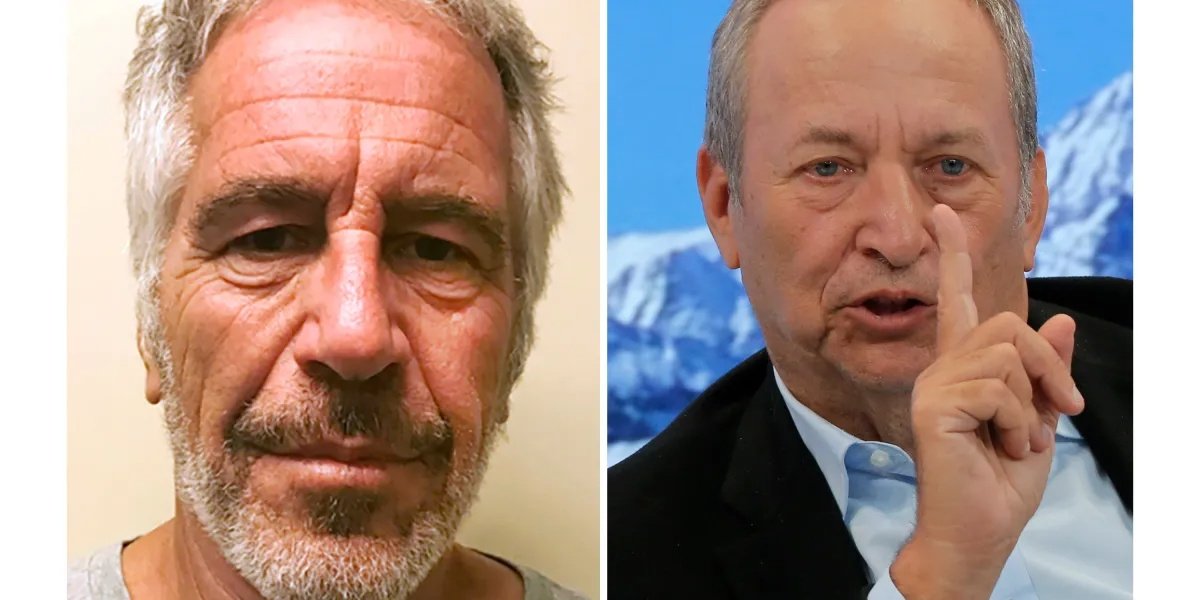
Harvard University professor and former US Treasury Secretary Larry Summers has announced that he will step back from teaching and his administrative role at Harvard Kennedy School while the university investigates his correspondence with the late financier and convicted sex offender Jeffrey Epstein. The move comes after recently released emails indicated Summers communicated with Epstein up until the day before Epstein’s 2019 arrest on charges of sex trafficking minors.
A spokesperson for Harvard confirmed that Summers will pause his duties as director of the Mossavar-Rahmani Center for Business and Government and will not teach next semester. The decision, Summers said, is “in the best interest of the Center” and reflects a desire to allow Harvard to conduct its review without distraction.
Harvard University stated in a brief to The Harvard Crimson that it is “conducting a review of information concerning individuals at Harvard included in the newly released Jeffrey Epstein documents.” The review follows Congress’s release of over 20,000 pages of records, known as the Epstein files, which detail Epstein’s extensive network and communications with numerous prominent figures worldwide.
Summers addressed the issue directly to his students in a Harvard class prior to stepping back. According to a video recorded by a student, he said: “Some of you will have seen my statement of regret, expressing my shame with respect to what I did in communication with Mr. Epstein. And that I’ve said that I’m going to step back from public activity. I think it’s very important to fulfill my teaching obligations. So with your permission, we’re going to go forward and talk about the material in the class.”

Despite Summers’ public statement to students, his spokesperson Steven Goldberg clarified that co-teachers will complete the remaining three class sessions this semester, and that Summers will not have teaching responsibilities next semester.
The emails, which have recently become public, revealed a decade-long relationship between Summers and Epstein, with communications continuing well after Epstein’s 2008 conviction for soliciting prostitution from an underage girl. Some emails suggested personal exchanges and frequent social interaction between Summers and Epstein, including dinners and attempts by Epstein to connect Summers to influential figures globally. One email from November 2018 shows Summers seeking what appears to be personal advice regarding a woman he described as seeing him as an “economics mentor.” Epstein’s response referred to himself as Summers’ “wing man,” highlighting the informal and personal nature of their communications.
Importantly, no Epstein survivor has ever accused Summers of misconduct, and there is no publicly available evidence suggesting he was involved in Epstein’s criminal activities. Summers himself has taken full responsibility for his decision to maintain contact with Epstein, describing it as a “misguided decision.” He emphasized that his intention is to rebuild trust and repair relationships with those closest to him, while cooperating fully with Harvard’s ongoing review.
The controversy has had wider professional implications for Summers. He announced that he is leaving the board of OpenAI, the artificial intelligence company responsible for ChatGPT. OpenAI confirmed that it respected Summers’ decision, highlighting the “many contributions and perspective he brought to the Board.” Summers, who joined OpenAI’s board in 2023 following a contentious period that included a failed attempt to oust the company’s CEO Sam Altman, expressed gratitude for his time at the company and optimism about its future.
Summers’ career spans decades of public service and academic leadership. He served as Treasury Secretary under President Bill Clinton and as Director of the National Economic Council under President Barack Obama. At Harvard, he was president from 2001 to 2006 and remains a professor at the university. He was also previously affiliated with the Center for American Progress, a liberal think tank, but has now severed ties in the wake of the Epstein revelations.
The wider context of the Epstein files sheds light on the enduring challenges institutions face when public figures are implicated, even indirectly, in high-profile scandals. The release of congressional documents last week has prompted scrutiny not only of Summers but of other prominent individuals and institutions with potential connections to Epstein. The files underscore the importance of transparency and accountability, particularly for leaders in academia, finance, and public policy.
Summers’ decision to step back from his teaching duties and administrative role has been met with mixed reactions. Some observers argue that taking leave is a responsible step that allows Harvard to conduct a thorough review, while others suggest that the scrutiny surrounding public figures is a reflection of broader societal concerns regarding accountability and the influence of powerful networks.
The emails themselves provide a rare glimpse into the social dynamics between Epstein and prominent figures in finance and academia. Beyond discussions of professional matters, the communications show personal interactions and attempts at social coordination, raising questions about judgment and the appropriateness of associating with someone who had previously been convicted of sexual offences involving minors.
Harvard’s review will likely examine the full extent of the communications, including whether any university resources or influence were involved, and the implications for the Mossavar-Rahmani Center, which focuses on public policy and governance. University spokespersons emphasized that the review aims to ensure that institutional values are upheld and that any findings will inform future policies regarding external relationships and professional conduct.
Summers’ acknowledgment of his misjudgment and his commitment to stepping back reflect a broader effort by institutions and individuals to navigate the delicate balance between past actions and present accountability. While there is no allegation of illegal activity on Summers’ part, the public perception and potential reputational risks are significant considerations.

The Epstein case continues to reverberate widely, decades after Epstein first became a public figure in financial and social circles. Congress has recently passed a measure requiring the US Department of Justice to release additional files related to Epstein, potentially adding tens of thousands more documents to the public record. President Donald Trump signed the legislation on Wednesday after initially opposing it, underscoring bipartisan recognition of the importance of transparency regarding Epstein’s network.
For Summers, the immediate implications involve his professional roles at Harvard and OpenAI, but the long-term impact may extend to broader debates about ethical judgment, the influence of social networks, and accountability among leaders. Scholars and public figures associated with Epstein face ongoing scrutiny, and Summers’ decision to step back may serve as a model for how to respond responsibly to unforeseen reputational crises.
In summary, Larry Summers’ temporary departure from teaching and his administrative duties at Harvard is a direct consequence of newly released emails revealing his ongoing communication with Jeffrey Epstein. While Summers has emphasized that no illegal activity is alleged, and no Epstein survivors have accused him, the move demonstrates a careful approach to personal accountability and institutional integrity. Harvard’s review, expected to examine the extent and nature of Summers’ interactions, will likely provide guidance on future policies regarding relationships with controversial figures and help the university navigate complex reputational and ethical considerations.
The Epstein email controversy highlights the continuing challenge of balancing personal judgment, professional responsibility, and public accountability in an era of heightened transparency. As investigations proceed, Summers’ actions, Harvard’s review, and the broader discourse surrounding the Epstein files will continue to be closely watched by academics, policymakers, and the public alike.
Related News:
 UK University Faces Counter-Terror Probe Over China Pressure
 Stephen Fry backs SafeCall to protect missing children
 BBC’s Tim Davie to Address Staff Amid Trump $1bn Threat
 Nigerian Education Reversal: Mother-Tongue Teaching Scrapped
 Israel Confirms Returned Hostage as Meny Godard
 Jurors Visit Beach Where Queensland Murder Victim Found
 Mother Watches in Horror as Teen Daughter Dies on Tracks
 UN Security Council Approves Trump’s Gaza Peace Plan
 South African Detained After Neo-Nazi Rally in Australia
 Mum and Three Children Killed in Jealous Ex’s Fire
 Deadly Russian Strikes Hit Western Ukraine, 20 Killed in Ternopil
 Serial Rapist and Former Cop Found Guilty Again
 Two Officers Injured After Van Deliberately Rams Patrol Car
 Trump Slams Democrats With ‘Seditious’ Death Claim
 Scottish Families Take Legal Action Over School CO Leak
 WhatsApp Messages Expose Nathan Gill’s Bribery
 South African Women Call Purple Protest Over Gender Violence
 Venezuela Threatens Nobel Winner Machado with Fugitive Status
 Ex-Classmate Accuses Farage of Dishonesty on Racism Claims
 15-Year-Old Arrested After Sheffield Shooting Leaves Teen Critical
 Inquiry Opens Into Disgraced Surgeon Eljamel Scandal
 Runaway Driver Caught by DNA Evidence
 Trump Envoy to Discuss Ukraine Peace at Kremlin
 Twenty-Four Nigerian Schoolgirls Freed After Abduction
 Sudanese Family Vows to Stay After Racist Graffiti
 Two National Guard Soldiers Critically Injured Near White House
 NSW Woman Dies in Bull Shark Attack
 Video shows Israeli troops kill Palestinians after surrender
 Ex-Brexit MEP Rejects Claim of Pro-Russia Payments
 Man Arrested Over Manchester Synagogue Terror Attack
 Guinea-Bissau President Flees After Military Coup
 Kidnap Gangs, Jihadists and Separatists Plague Nigeria
 Fury After Hong Kong’s Deadliest Fire in Decades
 Ukraine Anti-Corruption Agents Search Zelensky Adviser
 Jordan Bardella: France’s Young Presidential Contender
 Twelve Prisoners Released in Error, Two Still Missing
 Northern Ireland Family of Three Shot Dead in Maguiresbridge Home Incident
 West End Exposed as London’s Knife Crime Epicentre Amid Alarming Surge in Violence
 Peterborough Mosques Tighten Security After Attack
 Hospice Cuts Raise Alarm Across England Amid Funding Crisis
 Children to Learn Local History in Major Curriculum Overhaul
 French Taxi Driver Cleared in David Lammy Theft Case After Fare Dispute
 UK Bans Fake Numbers: Scammers Lose Their Trick
 Labour immigration crackdown could cost UK £4.4bn
 Britain deploys RAF specialists to assist Belgium with drone threats
 From Lego to Pokémon: How Adults Are Driving UK Toy Market Growth
 Shouting Works Best to Deter Gulls, UK Study Finds
 PM Condemns Leaks, Vows Loyalty to Ministers and Stability
 Son Reveals UK Couple in Iran Resort to Hunger Strike for Help
 TalkTV Fires Mike Graham Over Racist Facebook Post
 Phillipson Accused of Appeasing Unions by Diluting EBacc
 Saka Solidifies Role as Tuchel’s Key England Lieutenant
 Former Lion Heskey Warns of Shortage of England Strikers
 Greene Pushes Epstein Files Amid Trump Fallout
 December Run-Off in Chile as Election Produces No Winner
 New Evidence Emerges in Haditha Family Killings
 Criminal Gangs Pose as Truckers to Hijack UK Supply Chains
 Zelenskyy Signs Fighter Jet Deal Amid Russian Drone Attacks
 Orban Says Ukraine Has ‘No Chance’ as EU Support Continues
 Stroke Patient Mistaken for Drunk, Care Delayed
 Seven Countries, One Winner: Europe’s Best Christmas Market
 Van Dwellers Face Eviction After Park Misuse Sparks Outcry
 Shadow Fleet at Sea: Europe’s Battle Against Illicit Oil Shipping
 Haiti Qualifies for World Cup Despite Coach Never Visiting Country
 Snow and Ice Cause Travel Chaos in North Yorkshire
 Man Denies Stealing Bronze Age Gold from Museum
 Pentagon Officials in Ukraine to Discuss War End
 Vietnam Battles Deadly Floods as Rains Continue
 At Least Three Dead in Bangladesh Earthquake
 Most Tories Expect to Support a Farage-Led Government
 Vicki Fears Losing Motability Car
 Israel Confirms Hamas Returned Dror Or’s Body
 Millions Face Higher Taxes Under Reeves New Budget
 Southern Lebanon reels as Israeli strikes shatter communities
 Sri Lanka Floods Leave 56 Dead, Dozens Missing
 Scotland Gains 33 New Towns – Life in Growing Communities
 Search underway for British man overboard off Tenerife
 Pavarotti statue frozen in Italian ice rink sparks backlash
 EU plans $105bn Ukraine aid using frozen Russian assets
 Kenya Signs $2.5bn Health Deal with US Amid Data Concerns